

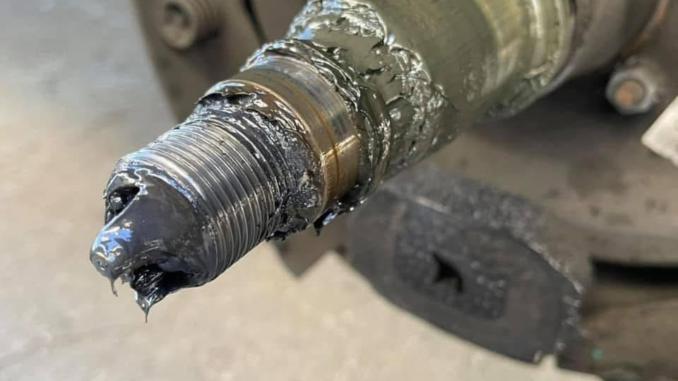
Proper wheel bearing maintenance is critical to the safety and reliability of your RV. While greasing wheel bearings through an axle zerk fitting may seem like a simple way to keep components protected, over-filling bearings with grease can cause serious mechanical failures and safety hazards.
At California RV Specialists, we routinely inspect RVs where excessive grease has caused brake damage, seal failure, and unnecessary repair costs. Understanding how and when to grease your wheel bearings is essential to preventing these issues.
Why overfilling wheel bearings is a serious problem
Brake system contamination
When too much grease is forced through a zerk fitting, internal pressure can push grease past the rear seal and directly into the brake hub. Once grease reaches brake shoes or pads, friction is compromised. In most cases, contaminated brake components must be completely replaced rather than cleaned.
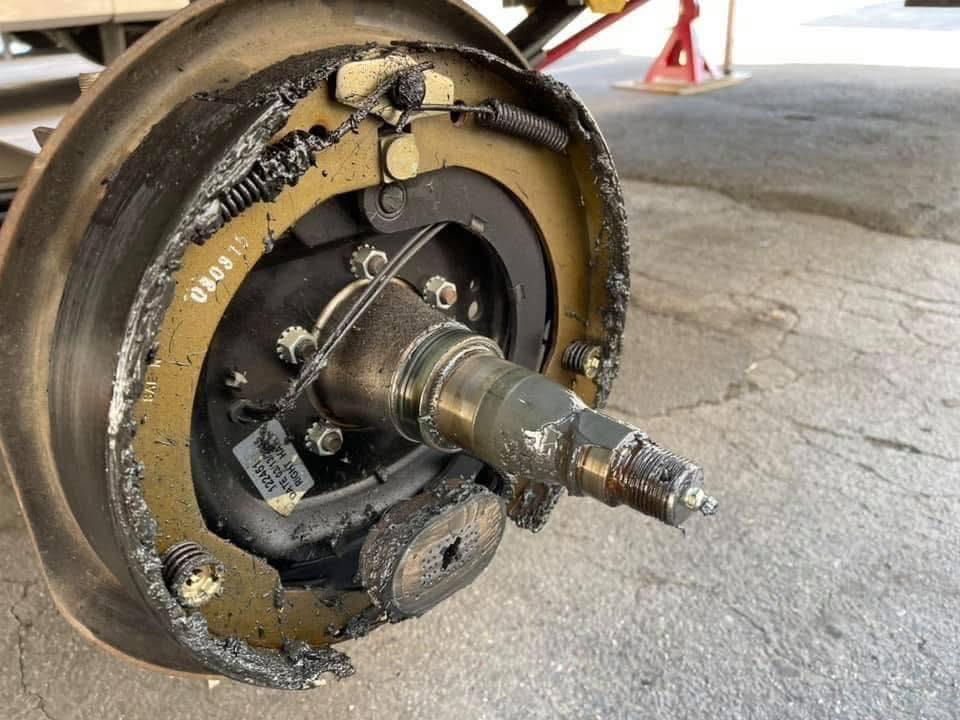
Reduced stopping ability and safety risks
Grease-coated brake shoes significantly reduce braking effectiveness. For RVs and trailers that already carry substantial weight, this loss of braking performance increases stopping distance and elevates the risk of accidents, especially during emergency braking or downhill driving.
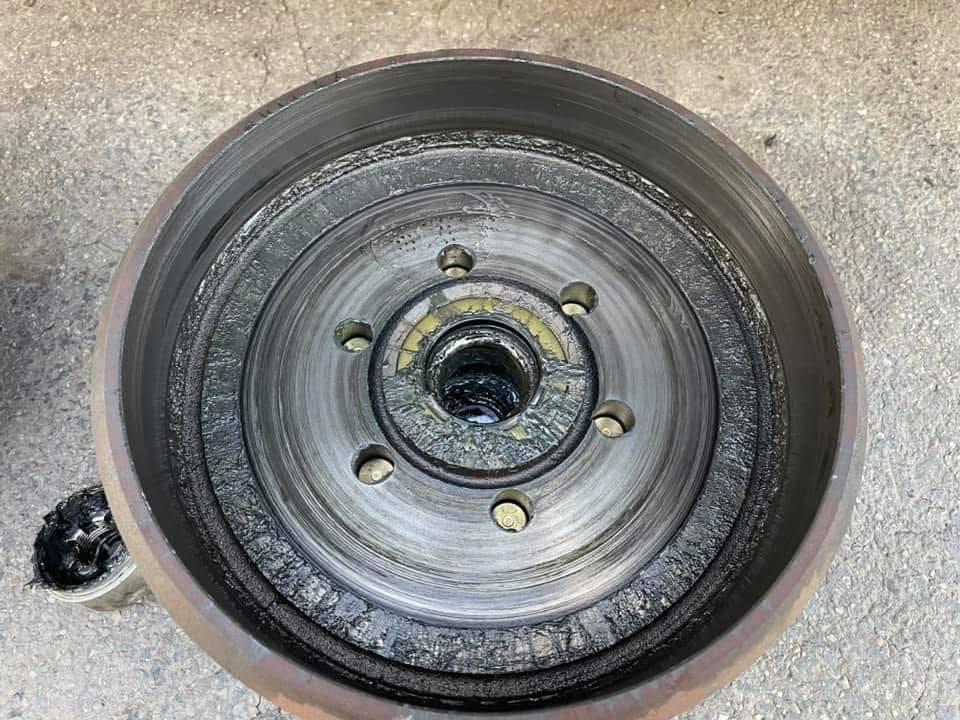
Seal failure and bearing damage
Wheel seals are designed to retain a specific amount of lubricant, not withstand excessive pressure. Over-greasing can damage seals, allowing grease to escape and contaminants such as dust and moisture to enter the bearing assembly. This accelerates bearing wear and can ultimately lead to bearing failure.
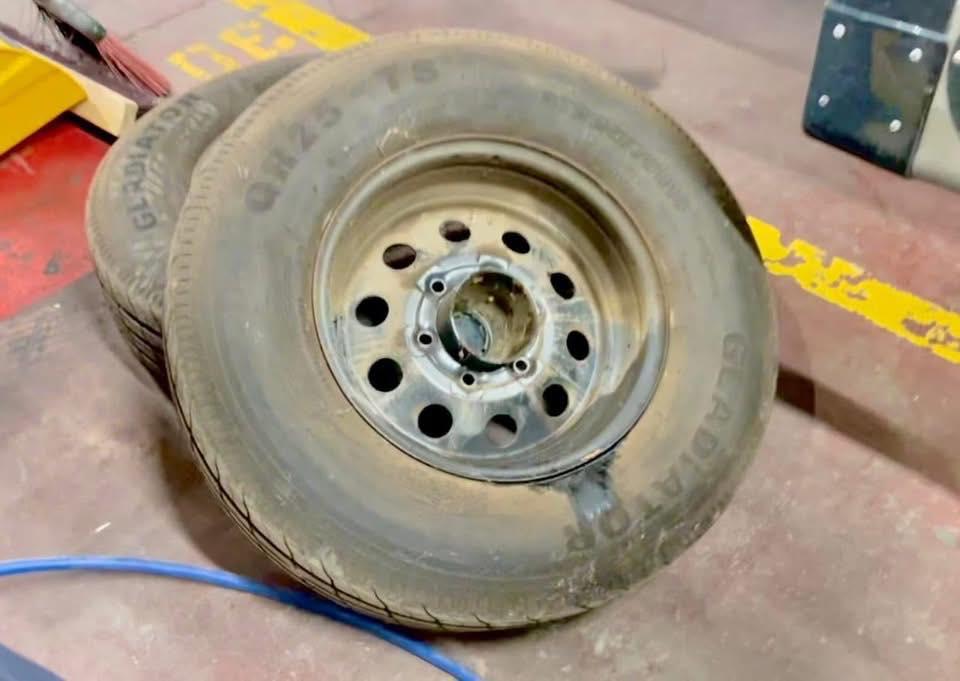
Tire, wheel, and suspension issues
Escaping grease often spreads onto the backside of wheels and tires. This not only creates a mess but can also attract dirt and debris, contribute to imbalance, and potentially affect tire traction and suspension components over time.
Important facts about axle zerks
Many RV owners assume axle zerks are designed for frequent lubrication. However, not all axles are intended to be greased regularly, and some manufacturers specify limited use or require very specific procedures.
In some cases, hand-packing bearings during scheduled service intervals is the only recommended method.
Improper use of zerks is one of the most common causes of RV brake contamination we see during inspections.
Best practices for wheel bearing maintenance
Follow manufacturer specifications
Always consult the axle manufacturer’s service guidelines. Dexter, Lippert, and other axle manufacturers provide specific instructions regarding grease type, intervals, and procedures.
Inspect bearings and seals regularly
Routine inspections help identify worn seals, grease leaks, overheating, and early bearing wear before they turn into costly failures.
Use professional service when in doubt
Periodic removal, cleaning, inspection, and hand-packing of wheel bearings by qualified RV technicians ensures correct lubrication levels and verifies that seals and braking components are in safe condition.
Watch for warning signs
Grease on wheels, reduced braking performance, unusual noises, or heat at the hub are indicators that immediate inspection is needed.
Protect you and your RV
Wheel bearings play a critical role in your RV’s braking, handling, and overall road safety. More grease does not equal better protection. Correct lubrication, proper inspection, and professional service are the keys to long-lasting performance and safe travel.
If you’re unsure whether your RV’s wheel bearings have been properly serviced—or if you suspect over-greasing—California RV Specialists is here to help.
More from Dustin
Make sure you check out my website, California RV Specialists, and our YouTube channel for more helpful information, and see our published articles on RVtravel.com and other social media pages.
RELATED
- The truth about RV wheel bearings, plus maintenance tips
- What grease to use to repack wheel bearings? Your opinion on Nev-R-Lube?
- How often should I repack my RV’s wheel bearings?
- My trailer axle has a grease zerk fitting. Will that lubricate the bearings?
- How many miles before I need to repack RV’s wheel bearings?
RVT1247

Having been down this road with my own triple axel and a friend’s tandem I can attest to this fiasco. Buying our fiver new, it came with Dexter’s world-famous boat trailer copycat deal. Being old school and a hand packer myself it’s disgusting. I first saw oil slowly running down the outside of a couple of wheels. So, I pulled the wheel and found all six hub cavities jam packed with wheel bearing grease. With a little separation of oil from the bearing grease it had nowhere to go after t was warmed up it was forced out the seal. Of course this compromised the whole assembly. So, to the parts house and I did a complete replacement.