

This is Part 8 of Dave Solberg’s “Everything you need to know about RVing” series. Today, Dave looks at RV tire basics and explains everything you should know about them. This is useful information whether you’re heading out on your first or 101st RV trip.
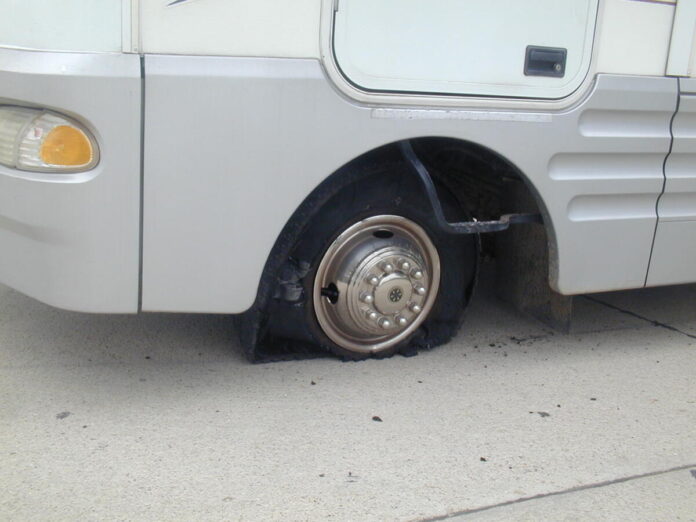
Tires are one of the most vulnerable components of an RV but are often the most neglected. We read and hear stories every day about tire failure, and I hear RVers ask, “When will it happen to me?”
According to data from the RV Safety & Education Foundation (RVSEF), more than 50 percent of the RVs they have weighed in the last five years have underinflated tires. Additionally, approximately 50 percent of the RVs they weighed had exceeded a weight rating.
Most RV owners take their tires for granted and merely do a visual check before heading out. Or they might use the old truckers’ “tire bat” to hit them and listen for the right “thump”. Having 10 psi less than recommended pressure reduces carrying capacity by 25 percent. You cannot tell a 10 psi difference by sight or sound.
Knowing more about proper inflation, weight ratings, and tire maintenance will help reduce tire failures.
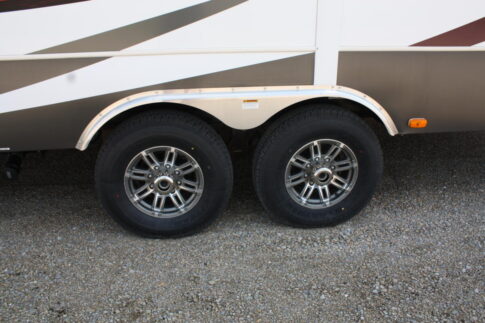
Whether you have a large diesel pusher or a small travel trailer, it is important to understand the type of tire you have and the information that is stamped on the sidewall.
Continue reading to learn all about RV Tire Basics 101.
Types of tires
There are different types of tires for different applications for trucks, trailers, automobiles, and motorhomes. Here are the basic classifications.
P – Passenger vehicle tires used for cars, minivans, SUVs, and light trucks. Ride comfort, steering, handling, and traction are the priority in the design. They typically have a lower weight capacity, so they are not used on RVs.
LT – Light truck tires typically start with half-ton units like F-150 or 1500 models and are designed for steering and traction for a drive axle. They have different tread designs for applications such as off-road or ice and snow.
ST – Special trailer tires designed for cargo, flatbed, and RV trailers. These tires have more load-carrying capacity than the P and LT tires. Since they are not carrying passengers, comfort, handling, or steering is not a concern. Therefore, the tread is designed to follow straight behind a tow vehicle and they typically have a speed rating of 65 mph.
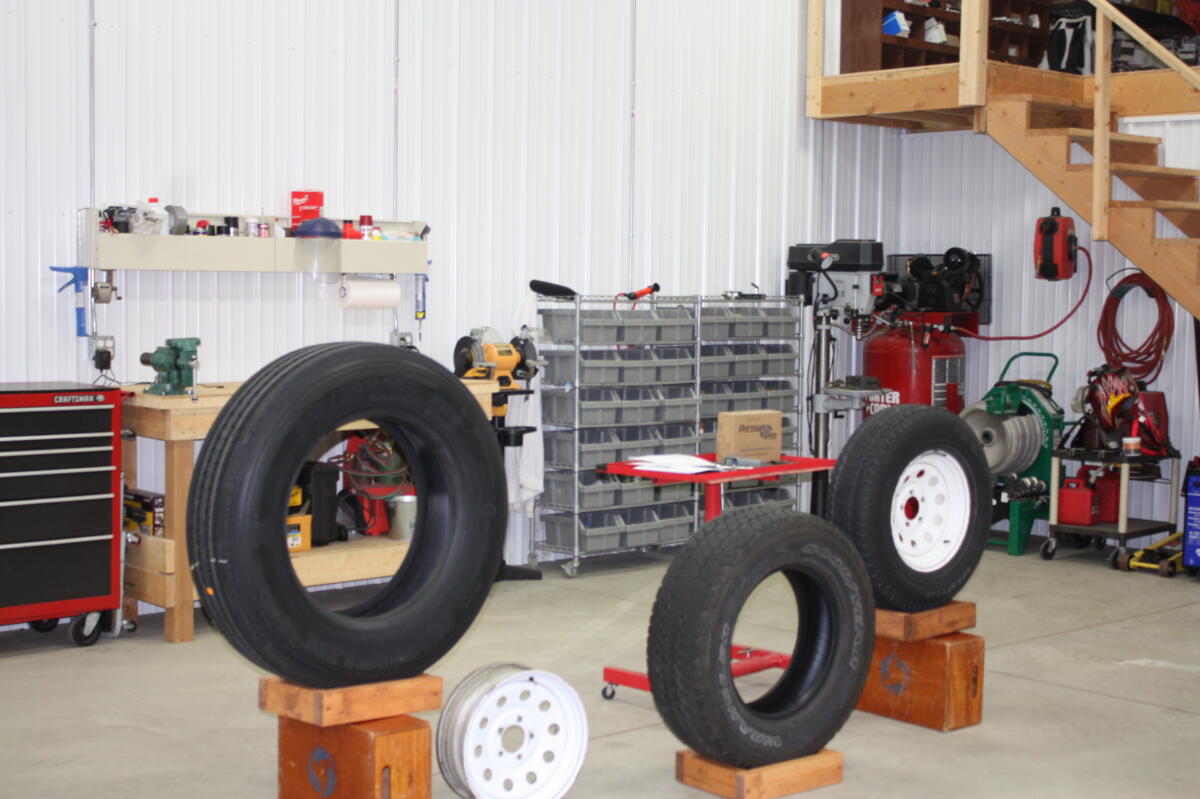
Commercial truck/bus tires – These are designed to carry very heavy loads up to 30,000 lbs. Several companies such as Goodyear and Michelin have designed RV-specific tires, which have a tread pattern designed to dissipate moisture and heat as well as additional UV protection in the sidewall. Commercial tires typically have rim measurements in inches rather than metric, such as 19.5 or 22.5.
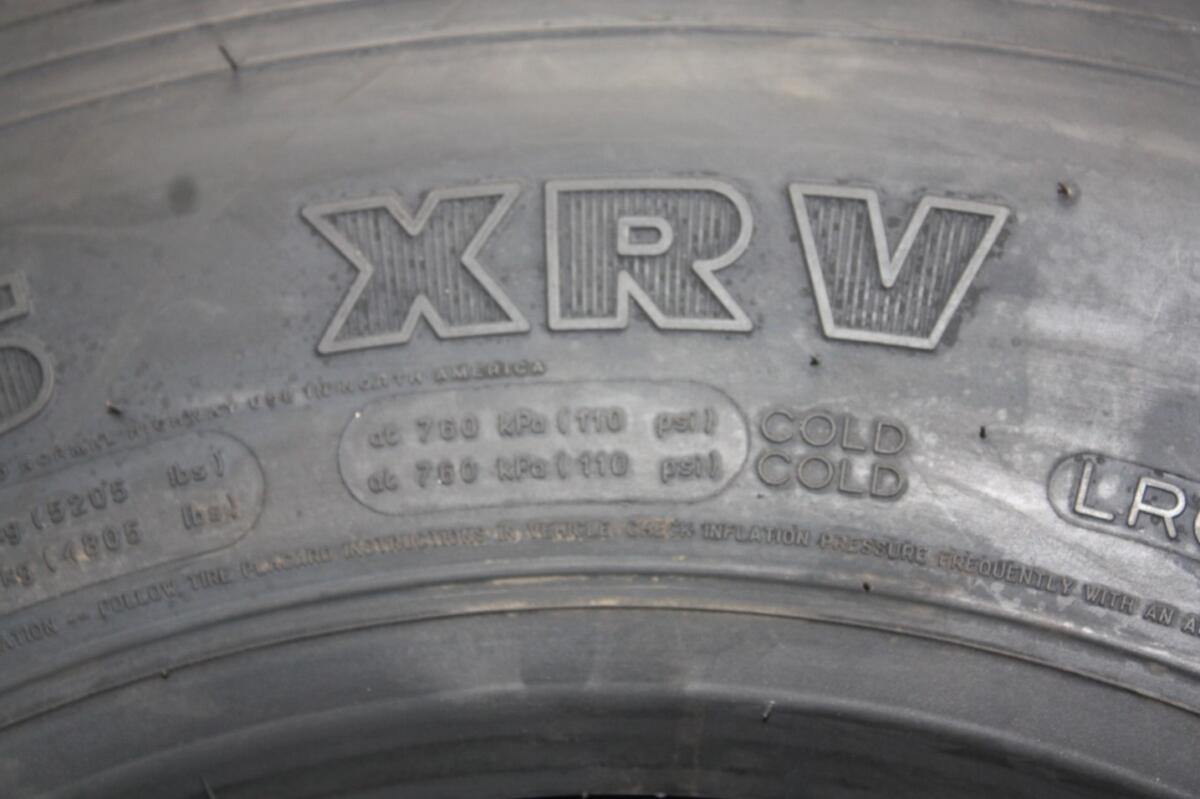
The sidewall of a tire has a lot of important information such as weight carrying capacity, maximum pressure at maximum weight, tire age and much more.
Tire sizes

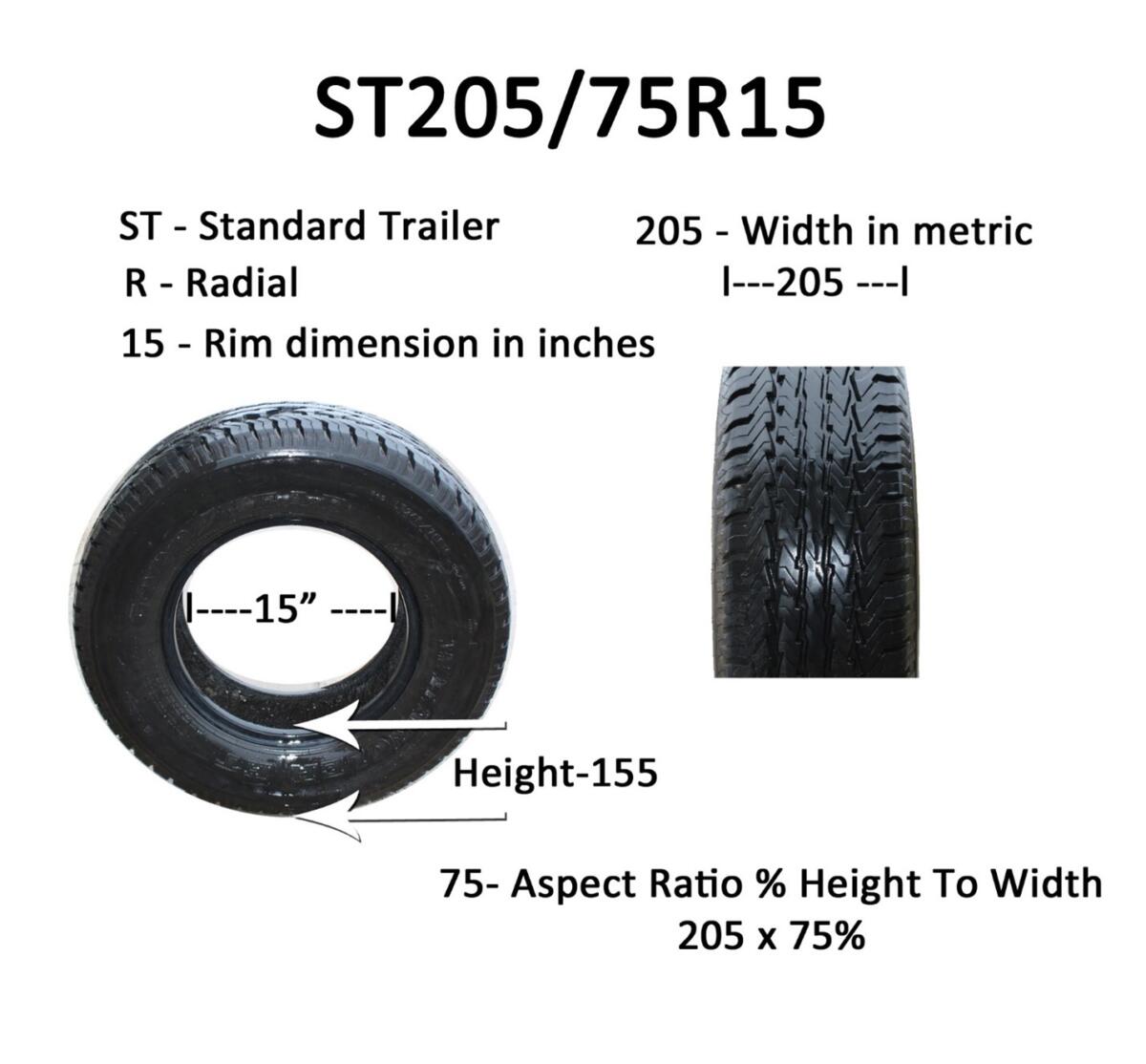
This is a Standard Trailer (ST) tire that has the marking 205/75R15.
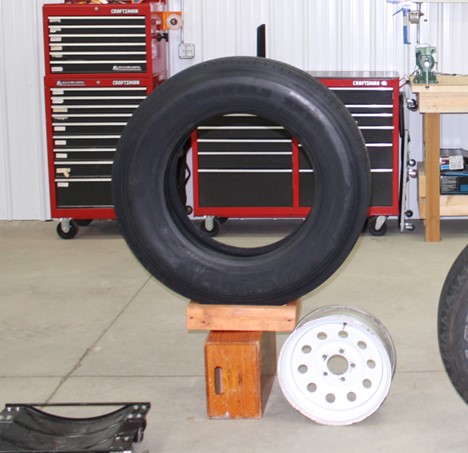
Commercial tires do not have the application designation listed first, but rather the metric width. An example would be this large Michelin tire that is 255/80R 22.5.
When to replace your tires
A big part of tire basics is knowing when to replace your RV’s tires. The Rubber Manufacturers Association recommends that tires on vehicles of more than 10,000 pounds gross weight be replaced when less than 4/32-inch of tread depth remains (not including tread-wear indicators). On vehicles less than 10,000 pounds gross weight, front tires should be replaced when worn to the tread-wear indicators, or when 2/16-inch or less of the tread remains. A depth gauge is recommended to verify the amount of tread left on your tire.
It is a good idea to visually inspect your tire as part of your pre-departure checklist. Look for bulges on the sidewall, large cracks, or missing and loose tread. It is a good idea to slowly move the unit to see all the tread when inspecting. If you do see visual signs of deterioration, change the tire or contact a tire professional for inspection and replacement right away.
The Department of Transportation requires a manufacturing date to be stamped on the sidewall of every tire. It will start with a DOT stamp and then the plant, tire size code, manufacturer code, and the week and year.
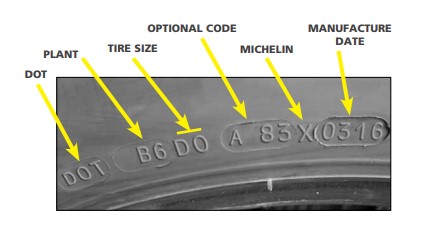
There has been much debate over the years on what age tires should be replaced. Unfortunately, most RV tires wear out or blow out long before the recommended age to change them. However, with proper inflation, knowing your weight ratings, and a little maintenance, you can extend the life of your tires, which we will cover later.
Most tire experts like Roger Marble recommend not running tires any longer than seven years and some say even five years on travel trailers. Check out Roger’s article on tire age here.
What to know when replacing your tires
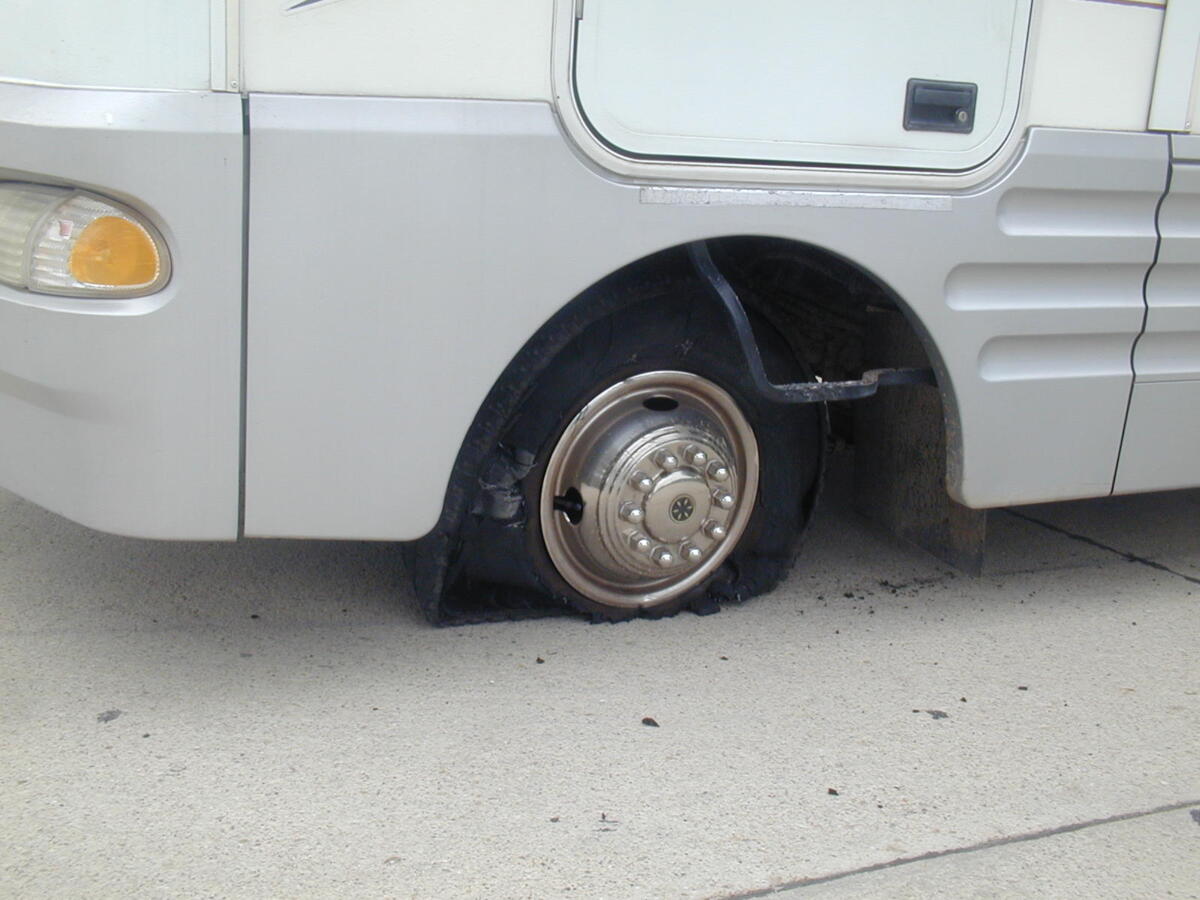
When it is time to replace your tires, there are several critical factors you need to be aware of. Always match the load range and size with the original tires. If replacing just one tire, it is recommended to match not only these factors but also the tread design and usually the manufacturer or brand to ensure a proper match. Replacing a tire with a different size can affect the speedometer reading, vehicle clearance, and wheel well clearance. It is especially important in the spacing of dual tires.
Here is what happened when an owner replaced the original tires with Goodyear Wranglers recommended by his local tire store employee who was not familiar with motorhomes.
Tire pressure
Most RV owners believe that the correct tire pressure can be found on the sidewall of the tire or the label on the RV. The tire pressure stamped on the sidewall of the tire is maximum pressure at maximum weight, which means that is the psi “IF” your rig is loaded to the full Gross Vehicle Weight Rating (GVWR). So, this is not the correct psi if your rig is not “loaded to the gills”.
For cars, trucks, and most smaller trailers, the data label lists recommended psi for the tires. However, larger 5th wheels and motorized units can have a substantial difference in what is actually in the rig and what the maximum weight can be. Therefore, it is important to weigh your larger rig to determine what the correct inflation for your tires should be.
It is recommended to get a “four corners” weight or individual wheel position weights, as some vehicles can be much heavier on one side than the other.
RVSEF has weighing teams that will provide this at rallies, and some dealers also have individual scales.
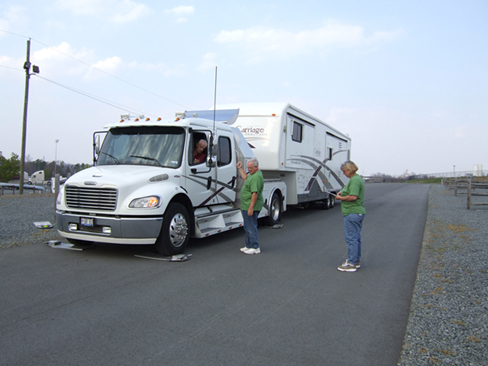
However, if you cannot get your rig weighed by individual wheel position, get it weighed at a CAT scale, which you can find at larger fueling stations such as Pilot Flying J, Love’s, and others. This will help identify what your rig weighs overall to compare to Gross Vehicle Weight Rating (GVWR) and will provide individual axle weights to compare your Gross Axle Weight Rating (GAWR). Divide by the number of tires on the axle and that is the approximate weight on the tire, which is better than nothing.
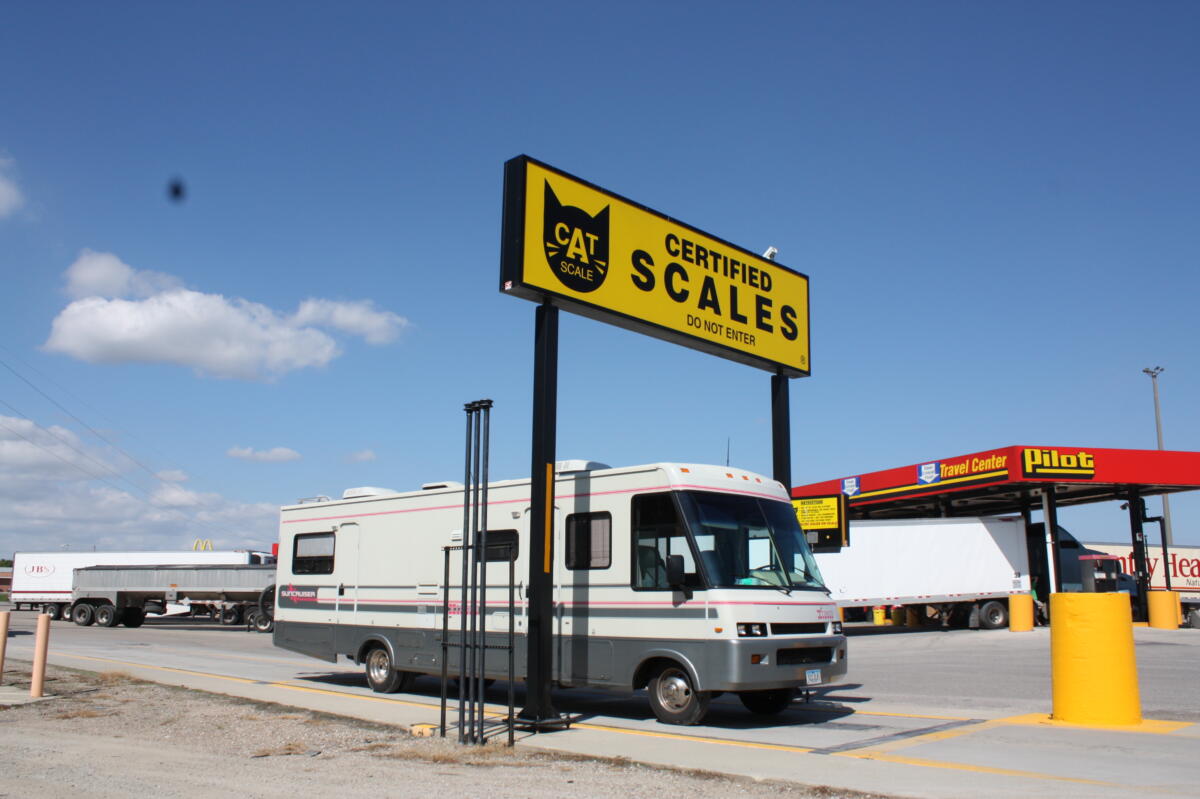
Once you find the weight on the tires, go to RVSEF and visit the tire inflation tables here.
Check tire pressure every day you’re on the road
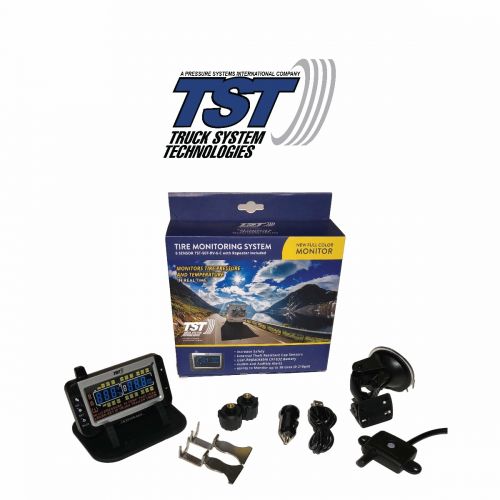
Check your tire pressure every day you hit the road and not just with a visual inspection or a “trucker’s bat”! You cannot see or hear a 10 percent difference in pressure in a tire. Tire Pressure Monitoring Systems (TPMS) are required by law in trucks and newer automobiles, but are not required on most trailers and not all motorized. Class C units such as Mercedes, Ford Transit, and Ford E-450 are also used in commercial applications, and most do have a TPMS, but not the Class A gas units.
My favorite is TST Systems as I installed it on two different commercial trailers and “tested” them both for more than 200,000 miles. They saved a lot of headaches down the road. You can find them here.
Tire basics starts with maintenance
Proper inflation, checking pressure every time you hit the road, and making sure there is not too much weight on the tires are all things you can do to reduce tire failure.
When storing your rig for more than a day, it is important to protect the tires from harmful UV rays and the blistering heat of the sun. Cover them with a vinyl tire cover or even cheap cardboard.
Sudden loss of pressure
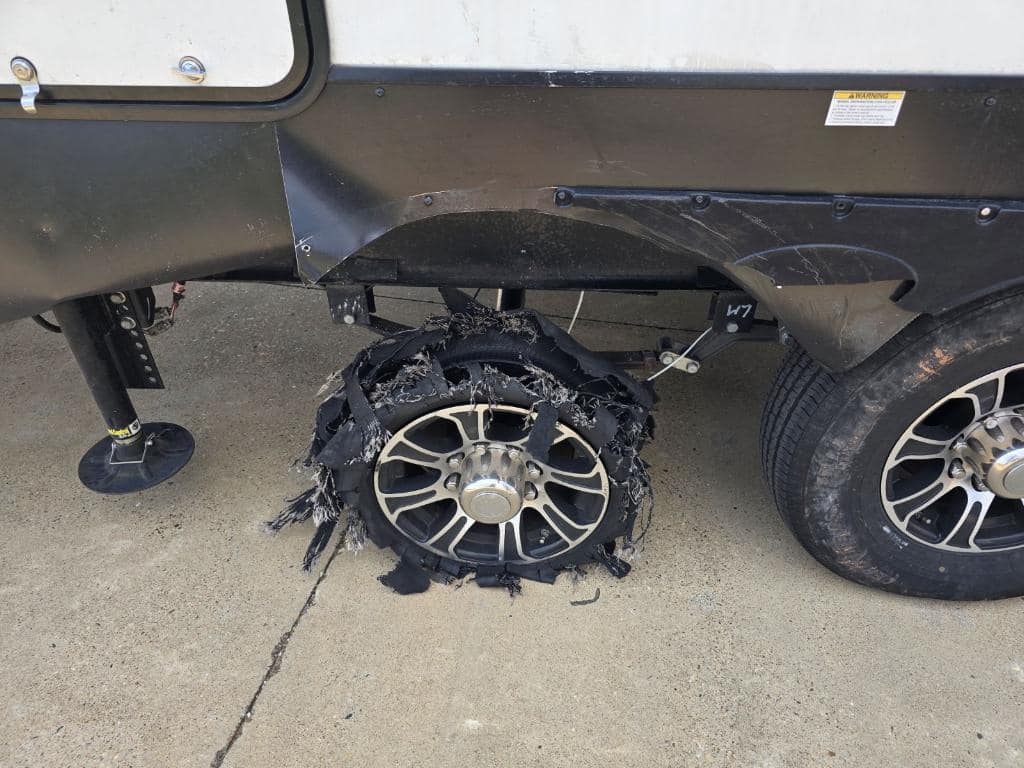
Knowing what to do in case of a tire failure or sudden loss of pressure is critical to maintaining control of your vehicle. Michelin has developed an excellent video that all RV owners should watch called The Critical Factor. Watch it here.
I hope you’ve learned some RV tire basics from the above information. Make sure you read tire expert Roger Marble’s articles weekly in the Sunday RVtravel.com newsletter.
Did you miss the first 7 installments of this series? Here they are.
- Part 1: Tips to make your first RV trip more enjoyable: Pre-trip preparation
- Part 2: The ABCs of RV terminology: Every word and term you should know as an RVer
- Part 3: Powering your RV: Essential 120-volt electricity tips and gadgets for every RVer
- Part 4: Understanding everything about 12-volt house batteries
- Part 5: Your RV’s fresh water system: What you should know
- Part 6: Understanding your RV’s sewage system: Proper black and gray tank upkeep and maintenance
- Part 7: The ultimate guide to liquid propane (LP) systems
Dave Solberg is a leading expert in the RV industry and author of the “RV Handbook” as well as the Managing Editor of the RV Repair Club.
Read more from Dave here.
##RVT1168
Seeing that 90% of people don’t know the weight of their rv trailer or driven loaded its simple to put max air psi in tire and go. Why second guess the weight of rig and guess the psi
required in tires when “under loaded”? For the last 50 yrs and a couple million miles of hauling all different types of trailers and Comercial rigs I have always inflated tires to max psi. I do not recall the last time I had a blow out and not because I’m old.🙂 seeing that it’s proven that under inflated tires are the leading cause of blowouts why chance it. The worst thing that will happen is the center of the tire tread will wear but you can easily see that and it will take a long time to see that happenin
Thanks. Good info.
Nobody will probably follow this advice of mine, but…
One of the best ways to avoid tire failures is to simply slow down on hot days. Speed creates heat. Heat destroys tires. It’s that simple.
This is especially true for older tires. Try it, you’ll like it.
One more item to consider when replacing tires: Check the code on the inside of the steel wheel. The Wheel and Rim Assn has established a maximum pressure for the wheel regardless of the tire used. For example my Class A wheel maximum pressure is 95 lbs. Factory tires were load rated “D”. I replaced them with LR “F”. F tires are rated at 110 psi max. load carrying pressure. The Rv is 16,500 GVW. Since it is pressure which carries the load – check the weight/pressure tables for your appl. and the wheel code too! May not be tire max. pressure!
Thank you, Dave! 🙂 Really important stuff! Possibly more important than all that preceded this. 🤔😯 Thanks again, have a great week, safe travels, and safe stays! 🙂