

By Dustin Simpson
Join me today as I talk about factors that cause RV window seals to shrink and discolor. The most important are UV rays, heat, soaps, cleaners, constant movement, age, salt, snow, and normal wear.
RV window glass seals play a crucial role in maintaining the integrity of your RV’s windows, preventing leaks, and ensuring a comfortable interior. However, over time, you may encounter issues like shrinkage, where the seals seem to contract or pull away.
In this post, I explore the common causes of shrinkage in RV window glass seals and how to address and prevent this issue.

Age and exposure to elements
Cause
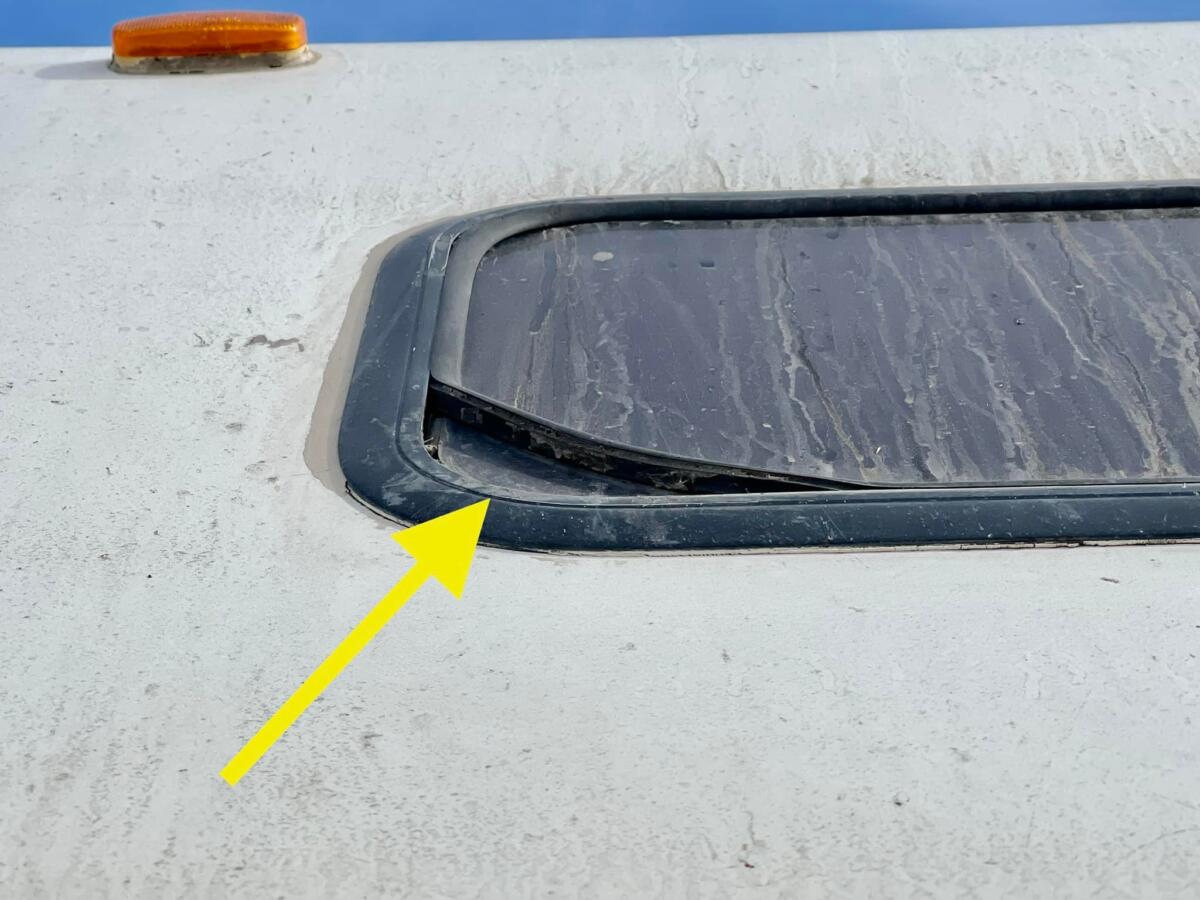
RV window seals are often made of rubber or other flexible materials. Over time, prolonged exposure to sunlight, extreme temperatures, and the elements can cause these materials to age and lose their elasticity.
Solution
Regularly inspect and maintain your RV’s window seals. Clean them with a mild detergent, and apply a UV-resistant seal conditioner to keep the material flexible. Consider using window covers or shades when your RV is not in use to protect the seals from harsh weather conditions.
Poor quality materials
Cause
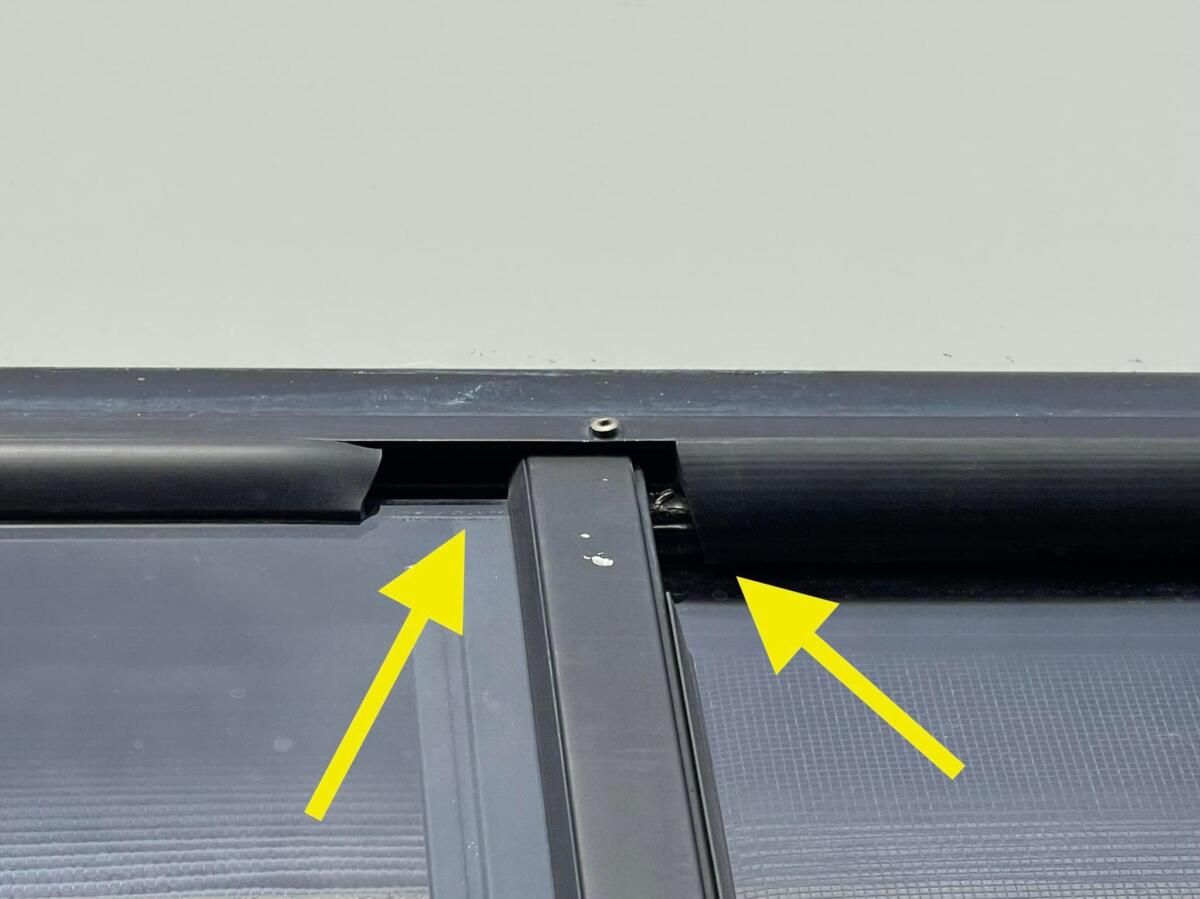
Some RVs may come with window seals made from low-quality materials that are more prone to shrinking and deterioration.
Solution
If you notice premature shrinkage, consider replacing the seals with higher-quality, UV-resistant materials. Upgrading to better materials can enhance the longevity of the seals and provide better protection against the elements. (Upgrade material if available.)
Improper installation
Cause
Incorrect installation or poor workmanship during the manufacturing process can contribute to shrinkage issues. If the seals are not installed properly, they may not adhere correctly or withstand the stress of movement during travel.

Solution
When replacing or installing new window seals, ensure that the job is done by professionals or follow the manufacturer’s guidelines meticulously. Proper installation is key to preventing shrinkage and ensuring the seals’ effectiveness.
Chemical exposure
Cause
Exposure to harsh chemicals or cleaning agents can accelerate the breakdown of rubber or other seal materials, leading to shrinkage.
Solution
Use mild, RV-friendly cleaning products when maintaining your windows. Avoid using harsh chemicals or abrasives that can compromise the integrity of the seals. Regularly clean and condition the seals to protect them from environmental factors.
Overextension or compression
Cause
Excessive force or pressure on the seals, whether from overextension or compression during travel or when the windows are closed tightly, can contribute to shrinkage.
Solution
Be gentle when opening and closing windows to avoid unnecessary stress on the seals. Ensure that windows are properly aligned and that the seals are not excessively compressed or stretched during operation.
Final thoughts
Understanding the causes of shrinkage in RV window glass seals is essential for effective maintenance. By addressing these issues promptly and incorporating preventive measures, such as regular inspections and proper cleaning, you can extend the lifespan of your window seals and enjoy a well-sealed and comfortable RV interior.
Let this serve as your reminder to inspect your RV window seals regularly: My suggestion is once a month and, at minimum, once a season. You can also increase the life of the window seal by applying 303 rubber seal protectant to the seals regularly.
Hopefully these tips help you. Don’t forget to go out and inspect the windows. In future articles I will cover replacement, installation, and tools that you need to make repairs.
More from Dustin
Make sure you check out my website, California RV Specialists, and our YouTube channel for more helpful information, and see our published articles on RVtravel.com and other social media pages.
RELATED
- How to fix sticky RV windows
- Clean your RV window screens without water
- How to hide a stealth window in your campervan or RV build
- How to properly inspect RV windows and clearance lights
RVDT2755

I’ve also had the happen on the radius corners of the window seals on my truck cap.
The seal was still soft and flexible.
I put a couple of dots of RTV in the channel and pushed the seal back in place.
Some blue painters tape to hold it in place until the silicone cured.
Thanks, Bob. For those that don’t know (like me), RTV stands for room temperature vulcanizing. It refers to a type of silicone sealant that hardens at room temperature, without having to apply extra heat. Have a great day! 😀 –Diane at RVtravel.com
Hey Dustin- Have you tried the 3inOne rubber conditioner? If so, can you give some reason(s) you recommend the 303 rubber product? I’m not criticizing your choice, but looking to learn from your experience.
Not Dustin, but 303 has been used for years in marine and aircraft as a rubber conditioner and protectant.
It contains no petroleum products which can degrade rubber.
Works on almost everything without harm. Even painted surfaces.
Works really well on tires. Restores the black and not shiny.
Great for rubber roofs, plastic trim, and door and window seals to stop them from sticking.
Thanks Bob