

Spring is a beautiful time to RV, hike, and wander. However, it’s also birthing season for big game animals. So, watch out, RVers!
Elk
The National Park Service says cow elk are especially protective when their calves are young. These protective mommas can run people down, kick, or violently trample folks who venture too close.
In Yellowstone, the Park Service says cow elk are just as dangerous as bulls when guarding calves. It warns visitors to stay back and turn around if an elk comes too close. Rocky Mountain National Park also notes that elk calves are born in late May or early June, and cows are extremely protective at that time.
Deer
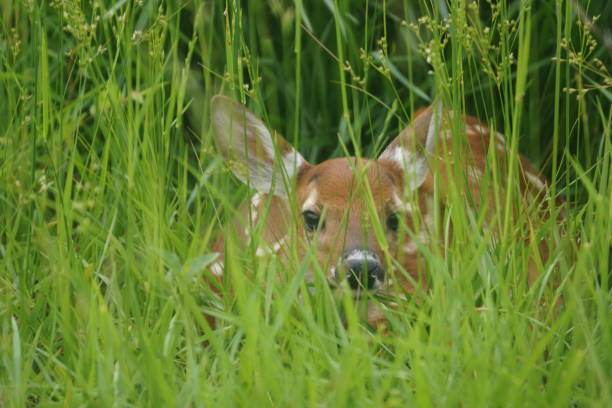
Deer deserve the same caution. The Park Service explains that female deer often leave fawns hidden in grass or underbrush, which helps keep the young out of sight. That means a baby deer beside a trail is not usually abandoned, even if no mother is visible. NPS guidance also says deer mothers may become aggressive or stay away longer if people crowd the area, which can put the fawn at risk.
My husband and I recently stumbled upon a mule deer in a local park, and she was NOT happy to see us!
Pay attention!
For RVers, the safest plan is simple. Learn and follow these safety rules:
• Read and follow the signs. Many parks post warning signs to remind hikers about potential dangers during spring birthing times. Some park trails may even close in order to protect animals and hikers. Do not attempt to circumvent closed trails. Obey all signs and postings.
• Stay alert on designated trails. Spring is an especially dangerous time for RVers who enjoy hiking. It’s too easy to round a bend and unexpectedly come face to face with a protective cow or bull elk. (Been there. Done that. Lived to tell the tale. It was a very scary experience!)
• Give wildlife space. The Park Service says to avoid approaching any wild animal. Rocky Mountain National Park advises that elk should be kept at least 75 feet away. Yellowstone also uses a 25-yard distance for elk and says to back away if an animal changes its behavior because of your presence. The common-sense takeaway is that if an animal notices you, you are probably already too close.
Learn from others’ mistakes
Colorado Parks and Wildlife reported several elk incidents in early June 2024. This prompted closing the playground indefinitely. Parts of the Lake Estes Loop trail were also closed, with warning signs posted in the area. News reports at the time described multiple people, including children, being injured by cow elk during calving season.
Don’t be the next headline!
If you are hiking near an RV park, trailhead, town path, or campground in elk or deer country, keep your head up and your pace calm. Watch for hidden calves in tall grass, and slow down near corners and brushy areas. Keep pets close and never try to get a better photo by moving in on a mother animal.
The Park Service reminds all of us that wildlife is unpredictable. This includes elk, moose, and mule deer that may defend their young without warning. A few extra seconds of caution is a small price to pay for a safe trip and a peaceful encounter with the wild.
Have you ever encountered a protective deer or elk during birthing season? Tell us about it in the comments below.
RELATED
- Bison safety: If a bison does this… RUN!
- Another Yellowstone tourist gored by bison
- Humorous public safety video laughs at ‘tourons’
- Strange wildlife sightings happening across national parks
- Don’t approach these cute little fellows. They’d like to eat you!
RVT1263b

Thank you for the discussion and admonitions, Gail. No, never encountered any apart from hitting a female moose in the RV while in Alaska last summer. Have watched moose, also in Alaska, but at a great distance. Have a great day and safe travels!
Good advisories and warnings Gail, thanks for the report.