

One of our “most-read” stories ever was this one: Setting some misinformation straight: Can you live in an RV on your own property? In it, we gave some direction on finding out for sure if you really could legally set up shop in your RV. What states allow full-time RVing? Here’s a list of states that don’t rule out living in your rig.
The list comes from a blog that many RVers have probably never heard of—Africa Wanderlust. Normally, the two bloggers focus on touristy doings in Africa, but the pair recently posted on states that allow RVers to live in their rigs. For some states, we’ve included information that RVtravel.com readers have given us, rounding out “real-world” experiences.
As you peruse the list, keep in mind this big disclaimer: The bloggers are not legal experts. And while a given state may not have an issue with RVers living full-time in their rig, local jurisdictions may have restrictions. Before plunking down money on a property and figuring you’re a shoo-in, check with local authorities—like county or municipal officials.
What states allow full-time RVing? Here are two in the “south” end
Arizona
Arizona permits full-time RV living on private land under state law. Watch out for metro areas, like Phoenix and Tucson, so check before settling in. Rural areas are more flexible. Towns like Quartzsite are RV-friendly year-round. Your RVtravel.com writers can testify to that, firsthand.
Florida
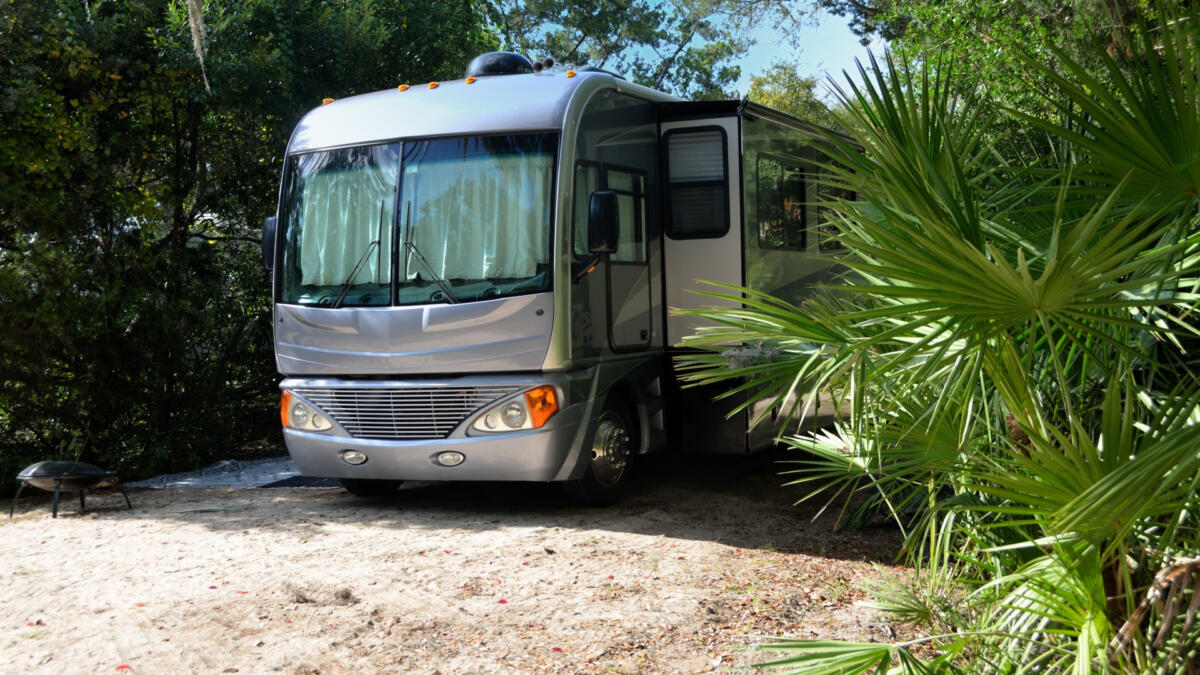 Add warm weather, subtract state income tax, the Sunshine State may be just your ticket. Full-time RV living is allowed on private property with proper hookups and compliance with local health standards. Rules vary by county, especially in coastal areas.
Reader Carl C. advises, “It varies by county, but Florida is generally RV-friendly. Here in Taylor County in the Big Bend area of the Panhandle, you can have up to four RV sites on a lot and no restrictions on living in it (them), and no requirement to build a house at some point. To rent spaces long-term (more than six months), no state or county license is required. Short-term rentals of less than six months get a bit more complicated, but still not bad.”
M states stand out
Maine
Maine allows RV living on private land, especially in rural counties. You may need a permit or face stay limits depending on the town. Proper waste and utility systems are required.
Missouri
Missouri law allows RV living on private or leased land, provided the RV is out of view from public roads and has proper sanitation. Rural areas are more relaxed, and the state has a growing network of RV services.
Montana
 Montana lets you live in an RV on private property as long as you meet county requirements for sanitation and utilities. Small towns and rural areas are typically more relaxed than cities.
From Nevada to Ohio—and a few more
Nevada
Not included in the blog post list, the Silver State permits full-time RV living, particularly in rural or unincorporated areas outside city or town limits. However, the RV must be equipped with essential amenities like a bathroom and shower and may need to pass safety inspections.
Your fellow reader Ali F. told us, “When our kids moved to Henderson, Nevada, we considered purchasing a private lot for our RV to escape the cold Reno/Tahoe winters. Thankfully, we found a deeded lot in an RV community in Boulder City, Nevada. We have all of the amenities with none of the headache of dealing with any government bureaucracy.”
Ohio
Ohio permits RV living on private land if zoning allows it and proper hookups are in place. Rural counties often enforce the rules more loosely than urban ones.
Oklahoma’s OK—and so’s Oregon
Oklahoma
 You can live full-time in an RV on private property in Oklahoma if the RV is registered and you follow local zoning rules. Urban areas may have stricter sanitation and appearance standards, but rural counties are more flexible.
Oregon
Under ORS 197.493, state agencies and local governments cannot prohibit the placement or occupancy of an RV as a residential dwelling solely because it is an RV, provided that the RV is allowed under ORS 215.490, which pertains to recreational vehicles on occupied residential properties. Another law, ORS 446.125, permits a person to occupy a manufactured dwelling or a camping vehicle on private land with the landowner’s consent, as long as the property has adequate area for safe, approved water supply and sewage disposal facilities.
From the Quaker State to Mount Rushmore
Pennsylvania
RV living is allowed on private property in Pennsylvania if the owner consents and local ordinances are followed—especially regarding sanitation and length of stay. Rural areas tend to be less strict. Be careful! Some local jurisdictions limit time stays or rule them out altogether.
South Carolina
You can live in your RV on private property in South Carolina if the landowner agrees and you follow zoning rules. Rural areas are more lenient, while cities and beach towns have tighter restrictions.
South Dakota
South Dakota is a favorite among RVers for its simple rules, no state income tax, low fees, and easy mail-forwarding. You can live in your RV on private land if you follow waste and registration regulations. Rural areas offer more freedom.
Waltz along from Tennessee to Utah
Tennessee
Again missed in the blog post, Tennessee does not have a statewide prohibition against residing in an RV on private property. Living full-time in an RV is permitted as long as you adhere to local zoning laws and regulations. Some counties, like Sevier County, allow the purchase of private land zoned specifically for RVs, where full-time RV living is permitted.
Texas
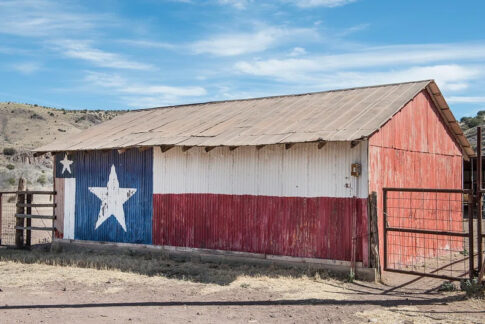 Texas is a top pick for full-time RVers. You can live in your RV on private land if it’s registered, inspected, and you pay property taxes. Rural areas tend to be relaxed about enforcement, but cities may have stricter codes for utilities and zoning.
Utah
Utah is RV-friendly, especially in rural counties. Cities like Salt Lake City and Provo enforce stricter rules. Check with local officials about waste and utility requirements before settling in.
Any more?
So, what states allow full-time RVing? It seems there’s been a loosening of the hardline attitude against RVing in many states. This may not be a complete list. Please let us know of other states with more open arms.
RELATED
- Boise, Idaho, pilot program allows city living in RVs
- Live in an RV on your own property? Readers tell us where—or not
- Setting some misinformation straight: Can you live in an RV on your own property?
- Property owner fined $1,000 a day for employee living in an RV
- Couple could face jail time for living in RV in their driveway
RVT1210


Be careful out there folks. Just because a state doesn’t disallow living in an RV, a local ordinance might.
Kentucky is fulltime RV friendly as well.
alaska can be added to the list, although it’s not the easiest state weather/climate wise.
Thank you for this information, Russ and Tina! Living in ones RV on ones property certainly varies across Tennessee counties. We live in Hamilton (Chattanooga) and one CANNOT. Your earlier article prompted me to call the county offices and I eventually reached the correct office. They said, “no,” but they also said if no one complains then they were unlikely to come and stop it. We unknowingly violated the law by living in our RV for 8 months. We were well off the road; no one complained. One can legally do so in adjacent counties. Have a great week and safe travels!
It depends on the county in CO. Some allow full-time RV living if you are building a home on the property and some counties allow it full-time no matter what you’re doing, like a summer home.
Local ordinances in Jacksonville, Florida do not allow you to live or sleep in your RV on private property.
I know of people living FT in travel trailers in Michigan. However, I think it is more a matter of lack of enforcement than legal. You aren’t supposed to live in a cabin FT either unless it has heat, potable water source and public sewer or authorized septic.
There are only two counties in Fl that allow FT rv living, this article is very misleading.