

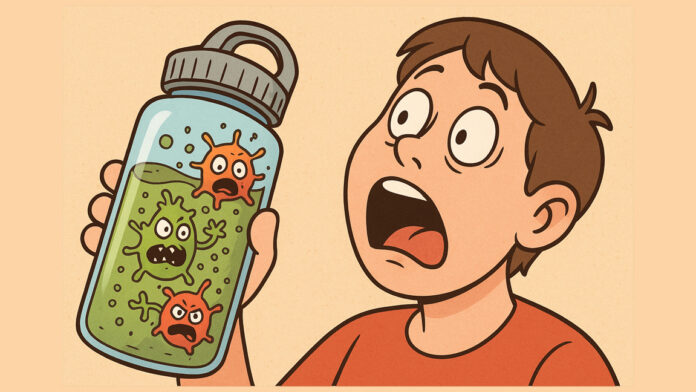
Your reusable water bottle might look harmless—just a trusty sidekick for RV road trips, workouts, and around the house. But according to a recent Purdue University study, it could actually be moonlighting as a five-star resort for bacteria. Cozy, damp, and often ignored when it comes to cleaning, bottles can host a whole lineup of unwanted “guests.”
Reusable water bottle bacteria: A science experiment no one asked for
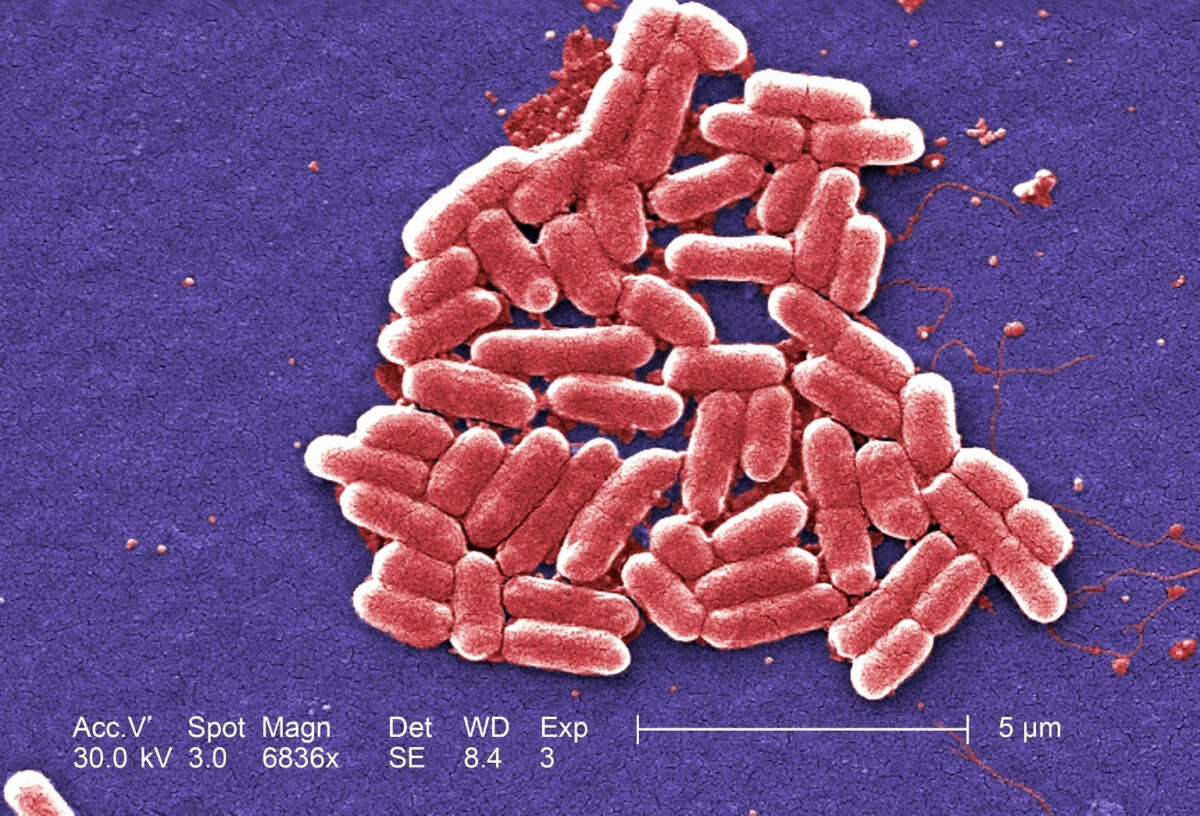
Researchers grabbed 90 bottles from college students and tested how clean they really were. They swabbed the outside for residue, rinsed the inside to see how many bacteria were living there, and checked for coliforms—those bacteria linked to fecal matter. The results? Let’s just say you won’t look at your favorite sipper the same way ever again.
The outside is a handshake gone wrong
Even brand-new bottles failed the surface test. Why? Because we touch them right after handling phones, doorknobs, or gym equipment. The bottle exterior is basically playing “tag” with germs all day long. And, of course, those germs end up on the very rim you press to your lips. Yum.
The inside story is worse
When it comes to bacteria inside, most bottles were way past the “safe” mark. Drinking water usually should have fewer than 100–500 colony-forming units (CFU) per milliliter. But nearly 70% of bottles tested broke 100, two-thirds topped 200, and 60% blew past 500 CFU/mL. That means your average bottle has way more bacteria than what’s considered clean drinking water. Oh, and about one in four bottles contained coliform bacteria—translation: traces of fecal contamination.
How does this happen?
Bacteria thrive with three things: water, food, and time. Your bottle gives them all three. If you only fill it with water, you’re a little safer. But if you pour in sports drinks, soda, or coffee with cream? Congratulations—You just handed bacteria a buffet. Sugars and proteins help them stick around and even form biofilms, those slimy layers that are hard to scrub off.
Material doesn’t save you
Glass looks fancy. Stainless steel feels tough. Plastic is everywhere. But no matter what your bottle is made of, it’s not immune. Designs with straws, flip lids, or silicone seals add even more places for bacteria to hide out. Rinsing alone won’t evict them—you’ve got to scrub.
What’s the risk?
Doctors warn that bottles can carry bacteria like staph and strep. And the fact that fecal-related coliforms showed up in more than 20% of samples? That’s a red flag. For people with weaker immune systems, the risks are even higher. Think of your bottle as a “fomite”—an object that happily ferries germs from your hands to your mouth.
How to keep your bottle from becoming a petri dish
Don’t panic—No one’s saying ditch your reusable bottle. Just treat it less like a magic talisman and more like what it really is: a dish you drink from every day. Here’s how:
• Wash it like a plate: Use hot, soapy water and a bottle brush.
• Take it apart: Lids, straws, bite valves, and silicone rings need their own scrub-down. For threads and crevices, use a skewer or toothpick.
• Dry it out: Leave the cap off so it can air dry. Bacteria love moisture, so don’t give them a spa.
• Don’t let residue linger: Finished your sports drink? Wash it out that day—don’t give bacteria a dessert.
• Go simple: If you hate scrubbing parts, switch to a wide-mouth bottle that’s easier to clean.
• Keep it personal: No sharing. Your saliva is basically an invitation for bacteria to start a new colony.
• Wipe the outside, too: A quick clean of the cap and rim keeps the “fomite factor” down.
Water bottle bottom line
Reusable bottles are still great—they cut down on plastic waste and help keep you hydrated wherever you are. But without regular cleaning, they turn into germ factories. A little soap, some scrubbing, and proper drying make all the difference. Think of it as evicting the freeloaders, so the only thing your bottle serves is fresh, clean water.
Sources include earth.com.
RELATED
- How to disinfect water bottles—Deep cleaning water jugs
- WaterStorageCube collapsible water storage containers
- Making potable water portable with Dometic jugs
- Chivenido UBS rechargeable water bottle pump
- A reminder to clean your RV’s fresh water tank every six months
RVT1226b

The sky is falling, the sky is falling. Must be an awful lot of sick and dying of bacterial people in these US! Best check on the source of study – anti-plastic group? pro plastic group? Read between the lines. Wash your reusable like most normal persons would do. Not rocket science!
I perked up when I read “College Students”. That is the rub. (40 yrs of dormitory facilities) I am sure the study is correct for a college campus. Been thru the very same thing time and time and time again. Never taught to wash dishes, wash clothes, etc. I’ve said this many times, even of my own daughter, “College is the stupidest time of anyone’s life, while at college to get smart.” I could write a book of stupid college things, many funny, now that I am not having to deal with it.
This report headline makes the toilet water drinking dog demo smile.
🤤
Remember when it was ok to drink water from the irrigation hose in the backyard! How did we ever survive???
…this study group would go ballistic if they cultured my coffee cup. I wash it when the white interior turns brown! On the other hand, the bacteria are all mine – they just change places 4 or 5 times a day!
Studies! Getting to be a joke. They study, to death, everything on the planet – “coffee is hard on your heart” – 5 yrs later: “coffee is great for your heart”! If you like coffee – drink it! In moderation of course. Food coloring is the latest study – which has and hasn’t been studied to death! It was red dye, now it is all dye – turning into a black and white world; – are black or white colors? Hmmm?
As to your first paragraph, students would blame the college’s water source for the actual mold growing in their water bottles and blame the poor air-conditioning for the mold on their wet sneakers that they threw in the bottom of the closet a month ago, not just their own germs/bacteria. Studies do come up with new things, but I must agree that some studies are just laughable. College students do make a good petri dish
Yes it sounds bad, but rarely are any of these bacteria going to harm you. These are in tap water and food we all eat.
Normal flora in mouth, nose, and hands and skin.
Thank you for sharing the study results and particulars, Russ and Tina! I will order a bottle brush. Our last one died somewhere along the way and has not been replaced. Thank you for delivering the necessary incentive! Have a great weekend and safe travels!
Another in depth report brought to you by Chicken Little Media I’m going outside and get a drink from the garden hose.
Yep, it’s amazing how any of us “old timers” managed to get to adulthood!!! 🤣
We were initiated with germs and built up a healthy immune system.
Reminds me of the study showing people were getting sick from their reusable grocery bags because they weren’t washing them. I don’t need to be a nurse to know that reusables should be washed. Yes, normal people won’t get sick MOST OF THE TIME from their own germs-but what happens when your resistance to infection is low? I drink from my mug all day long, but wash it when the day ends. COVID has permanently changed the way we handle our communal water glass, instead of using it for a week between washings, we get a new glass daily. Been swapping spit since 1970-not gonna worry about it now!!