

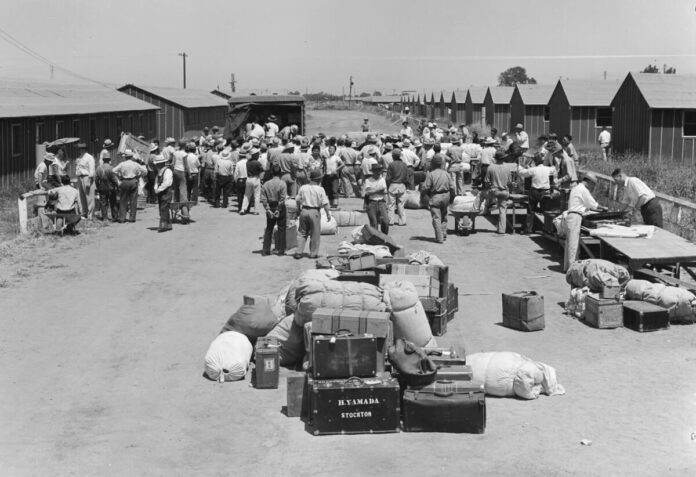
In a significant effort to preserve an essential yet often overlooked chapter of American history, the National Park Service (NPS) has awarded $3.2 million in grants aimed at preserving WWII Japanese American incarceration sites. These grants will fund projects that honor the history and experiences of the Japanese Americans who were forcibly removed from their homes and incarcerated during the war.
Japanese American incarceration during WWII
Following the attack on Pearl Harbor on December 7, 1941, President Franklin D. Roosevelt signed Executive Order 9066 in February 1942. This order authorized the forced relocation and incarceration of around 120,000 Japanese Americans, most of whom were U.S. citizens. They were sent to one of ten War Relocation Authority (WRA) camps scattered mainly across remote areas of the Western United States.
Importance of preservation
Preserving these sites ensures that future generations can learn about this dark chapter in American history and the importance of civil liberties. These sites also stand as a memorial to those who suffered unjustly. They hope to help honor the Japanese people’s resilience and contributions to American society despite the hardships they faced.
Details of the grant program
The $3.2 million in grants is part of the Japanese American Confinement Sites (JACS) program. The program aims to identify, evaluate, and protect historic confinement sites where Japanese Americans were detained during WWII. The grants support a variety of projects, including restoration, preservation, research, and education efforts related to these sites.
Funded projects for WWII Japanese American incarceration sites
Several projects have been funded through this round of grants:
- Restoration and preservation. Grants will support the physical preservation of structures and landscapes at various incarceration sites, such as the barracks, watchtowers, and other buildings that remain from the original camps.
- Educational initiatives. Funding will also go toward developing educational programs and materials that inform the public about the history of Japanese American incarceration. This includes the creation of exhibits, documentaries, and online resources that make the history accessible to a broader audience.
- Oral histories and research. Some grants are dedicated to collecting and preserving oral histories from those formerly incarcerated and their descendants. These personal accounts provide invaluable insights into the experiences of those who lived through this period of time.
- Community engagement. Several projects focus on engaging with local communities, especially those where the incarceration sites are located. The goal is to ensure that the history is preserved, respected, and passed on to future generations.
Recipients
A variety of organizations and institutions have been awarded grants. These include historical societies, educational institutions, and non-profit organizations dedicated to preserving the history of WWII Japanese American incarceration. Among the notable recipients are:
- The Heart Mountain Wyoming Foundation. This organization works to preserve the Heart Mountain Relocation Center and educate the public about the history of Japanese American incarceration. The grant will help fund the restoration of key structures and the development of new educational programs.
- The Japanese American National Museum. Located in Los Angeles, this museum is dedicated to sharing the experiences of Japanese Americans. The grant will support a new exhibit focusing on the impact of Executive Order 9066 and the experiences of those incarcerated.
- The Minidoka Pilgrimage Planning Committee. This group organizes annual pilgrimages to the Minidoka National Historic Site in Idaho. The grant will help support these pilgrimages and enhance educational programming for participants.
Investment for the future
The National Park Service’s $3.2 million in grants represents a significant investment in preserving the history of Japanese American incarceration during World War II. By supporting restoration, education, research, and community engagement, these grants ensure that the stories of those who endured this dark chapter in American history are remembered and honored.
Check out this video produced by the War Relocation Authority and now part of the U.S. National Archives.
##RVT1167b


Thank you, Gail! 🙂 Given the way things played out in the early months of the U. S. involvement of WWII, I can explain to myself why this hapoened initially, but not why there, seemingly (correct me if I am wrong), was no attempt to interview those imprisoned to determine if they truly were a threat. At least some (many, all?) could have returned to their homes and contributed to the war effort. Further, why was their property not returned to them when they were freed (or was it)? It isn’t pretty, but I agree this is an historic chapter that must not be lost. Thanks again, have a great day, safe travels, and safe stays! 🙂
I am always amazed at what fear can make you do.