

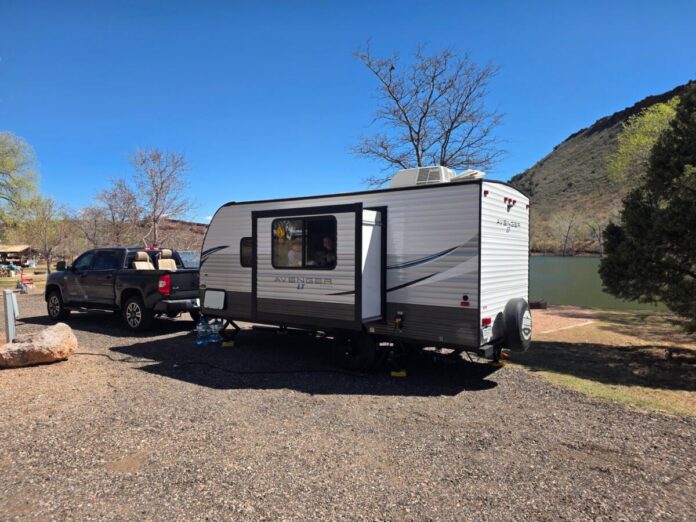
I remember seeing an RV slide for the very first time. I thought, “Wow!”
Few RV features make as much of a difference in day-to-day comfort as slide-outs. With the push of a button, a slide can transform a cramped RV interior into a much more comfortable living area.
That extra space comes at a price, though. Slide systems add mechanical and electrical components that require regular maintenance and can occasionally fail at the worst possible time.
Understanding how your slide works can make troubleshooting easier and may help you avoid expensive repairs. In a recent video, Emily, the RV Repair Woman, explains the most common RV slide mechanisms, how they operate, and the strengths and weaknesses of each design. Here’s a brief summary of the information she shares.
Different slide mechanisms
Not every RV uses the same type of slide mechanism. Manufacturers select systems based on factors like weight, available space, cost, and intended use. Because each design operates differently, maintenance procedures and repair methods vary, too.
Learning which system is installed on your RV can help you recognize potential problems before they become major breakdowns. It also makes it easier to understand what a repair technician is talking about if your slide begins acting up.
Schwintek slide systems
Schwintek slides are among the most common systems found on lightweight travel trailers and fifth wheels. According to Emily, these slides have earned a reputation among technicians for developing synchronization and alignment issues. If one side moves slightly faster than the other, the slide can bind or become uneven. Motor failures and damaged wiring can also prevent proper operation.
Routine inspection and following the manufacturer’s operating procedures can help reduce wear. However, these systems generally require careful adjustment when problems develop.
Through-frame electric slides
Through-frame electric slides use a motor connected to a drive shaft that extends through the RV’s frame. This design provides solid support and is commonly found on larger, heavier slide rooms.
One advantage highlighted in the video is reliability. These systems are generally quite durable. They often include relatively simple manual override options that allow owners to retract the slide if electrical power is lost.
The trade-off is that the mechanism occupies valuable storage space underneath the RV. Even so, many technicians consider through-frame electric slides to be among the more dependable designs currently in use.
Cable-driven slides
Cable-operated slide systems rely on steel cables positioned at each corner of the slide room. As the motor turns, the cables pull the room smoothly in and out.
Emily notes that cable systems are surprisingly robust despite their simple appearance. When problems occur, they’re often easier to diagnose and repair than some other slide mechanisms. Motor replacement is generally straightforward, and damaged cables can usually be serviced without dismantling major structural components.
Like any cable-operated system, periodic inspection for proper tension and wear helps keep everything operating smoothly.
Hydraulic slide systems
Hydraulic slides are typically reserved for larger motorhomes and luxury fifth wheels because they can move heavy slide rooms with impressive power.
While these systems offer smooth operation, they introduce additional components that require maintenance. Hydraulic pumps, hoses, fittings, and cylinders all present potential failure points. Even a small leak can affect performance, and damaged hydraulic lines may leave a slide stuck in place.
The video also points out an often-overlooked problem: Rodents can chew through hydraulic lines, creating unexpected repairs that are both messy and time-consuming.
Wire slide systems
Wire-driven slide systems use cables and pulleys arranged differently from traditional cable slides. Although they require adequate space to accommodate the pulley arrangement, they have relatively few complicated components.
According to Emily, these systems are known for their durability and straightforward design. As with other cable-based mechanisms, routine inspection helps ensure proper operation over the long term.
Common problems in all slide systems
Although each mechanism has unique characteristics, several issues appear repeatedly regardless of slide type.
- Electrical failures remain one of the most common causes of slide problems. Broken wires, loose connections, damaged switches, and failed motors can all prevent a slide from operating correctly.
- Mechanical alignment is another frequent concern. A slide that moves unevenly can place extra stress on gears, rollers, cables, or tracks, leading to additional damage if the problem isn’t corrected promptly.
- Many systems also include manual override features that allow owners to retract a slide during an emergency. Knowing where these access points are before something goes wrong can save considerable frustration during a trip.
- Another repair challenge involves weather seals. Removing a slide for major repairs often means disturbing the seals. Reinstalling them correctly requires patience to maintain proper weather protection.
Trade-off
For me, the biggest takeaway from the RV Repair Woman’s presentation is that every slide mechanism involves compromise. Some systems are easier to repair, while others provide greater lifting power or smoother operation. None are completely maintenance-free.
Emily also makes an observation many experienced RV owners eventually reach: The most reliable RV is one without slide-outs. Eliminating slides removes an entire category of mechanical systems that can potentially fail.
Of course, many travelers consider the additional living space well worth the extra maintenance. The key is understanding the system your RV uses, performing regular inspections, and addressing small issues before they grow into major repairs.
Watch the video
This overview highlights the main points from the RV Repair Woman’s video. The complete video includes visual demonstrations of the different mechanisms and explains how each system operates, which I found really informative and helpful.
If your RV has slide-outs—or you’re shopping for an RV with them—it’s well worth taking the time to watch Emily’s video before your next trip.
RELATED
- Sagging, loose cables are a silent threat to your RV’s slide-outs
- Save thousands on RV slide-out maintenance with this
- Preventing a leaking slide out motor from causing roof damage
- Slide-out resealing: A guide for long-lasting protection
- When do I release my RV slide-out button?
RVT1270
