

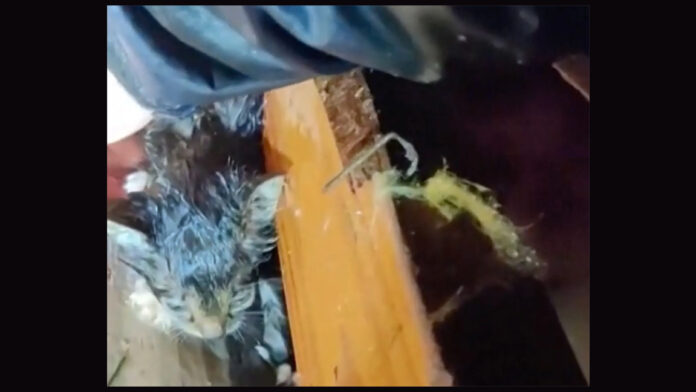
A tornado kitten rescue in Mississippi is drawing attention to what can happen to pets after RV park disasters. Rescuers searching through the wreckage of a tornado-damaged trailer park recently heard something unexpected coming from the debris: faint meows.
Beneath broken boards and twisted storm rubble, they found a tiny orange-and-white kitten alive.
The rescue happened after powerful tornadoes swept through parts of Mississippi, destroying homes and heavily damaging a trailer park where multiple residents were injured. Video from the scene showed storm chasers and volunteers carefully digging through debris after hearing the kitten crying beneath the wreckage.
The tiny survivor quickly became an emotional bright spot amid the devastation
According to national reports, storm chaser and rescuer Ashton Lemley was among those involved in the rescue effort. After the kitten was pulled from the debris, volunteers cleaned it up, fed it, and made sure it received care. News coverage later reported that the kitten, which was nicknamed “Tornado”—and another rescued cat nicknamed “Twister”—appeared headed toward new homes after their story spread online.
For many RVers, though, the story may hit a little differently.
Thousands of RV owners travel with pets full-time or seasonally. And when storms strike RV parks, trailer parks, campgrounds, or mobile-home communities, pets often become some of the most vulnerable victims.
Why pets often become separated during disasters
In many emergencies, owners evacuate with only seconds to spare. Frightened cats bolt under furniture or into brush. Dogs panic at sirens, wind, or flying debris. Some pets break loose during hurried evacuations. Others hide inside damaged RVs or structures after storms pass.
Animal rescue groups say reunification becomes especially difficult when owners are displaced, cell service is disrupted, or pets were never microchipped.
That reality is one reason emergency planners often encourage RV owners to think beyond food, flashlights, and weather radios when preparing for severe weather season.
How RVers can better prepare pets for severe weather
A sturdy pet carrier positioned near the RV door can save valuable seconds during an evacuation. Many RVers also keep a leash clipped near the entrance and store copies of vaccination records in waterproof bags or phone apps. Microchips remain one of the most effective ways to reconnect displaced animals with owners after disasters.
Weather experts also warn that RV parks can become especially dangerous during tornado outbreaks because many structures offer little protection from high winds or flying debris. In unfamiliar travel areas, RVers may not always know where the nearest storm shelter is located until an emergency is already underway.
That combination of fast-moving storms, unfamiliar surroundings, and frightened animals can create chaos quickly.
The Mississippi kitten apparently survived because rescuers heard its cries while searching through the wreckage. Not every displaced pet is found so quickly.
What rescue groups often see after storms
Animal shelters and rescue groups frequently report spikes in lost or abandoned pets after hurricanes, tornadoes, floods, and wildfires. In some cases, owners never return because they themselves were injured or displaced, or were unable to locate their animals after the storm.
Stories involving pets after RV park disasters often reveal how quickly animals can become separated from their owners during evacuations.
Many rescuers say frightened cats can remain hidden for days after severe weather events, especially around damaged RVs, mobile homes, and debris piles. Dogs may travel surprisingly long distances after becoming separated during evacuations.
For RVers traveling with pets, the story may serve as more than just a feel-good viral rescue.
It is also a reminder that emergency planning on the road should include every member of the family—even the four-legged ones.
RELATED
- RVing with pets: 10 campground hazards to be aware of
- 5 essential tips and gadgets for RVing with pets
- 5 quick tips for RVing with pets
RVT1261b

Part of preps for our upcoming trip is purchasing halters and leads for our two cats. Not that we intend to take them for a walk, but so we can hang tags on them with cat name and our phone number. One is quite an escape artist, we hope that being encumbered with a harness & leash should he escape will make him easier to catch & obviate the need for a trip to read his chip