


According to the latest RV Industry Association (RVIA) study, more than 50% of RVers travel with pets. After conducting RVing with Pets seminars at RV shows across the country, I suspect the number may actually be even higher.
In many cases, pets are the very reason some people purchase an RV in the first place. Traveling by RV eliminates airline restrictions, hotel limitations, and the worry of leaving pets behind at home.
However, there is one thing many RVers overlook when they bring their pets along on the road.
At home, we spend years establishing routines for our pets—when and where they eat, when they go outside for potty breaks, and when they get their daily exercise. We also spend considerable time making our homes pet-friendly, both indoors and outdoors.
Then we suddenly place our pets in an RV, move them to unfamiliar campgrounds, and expect them to adjust quickly to a new environment, new surroundings, and a completely different routine.
Campgrounds can present hazards that many pet owners might not immediately recognize. Taking a few minutes to inspect your campsite when you arrive can prevent potential problems. Here are ten things every RVer traveling with pets should watch for.
Rodent bait, poison, or traps
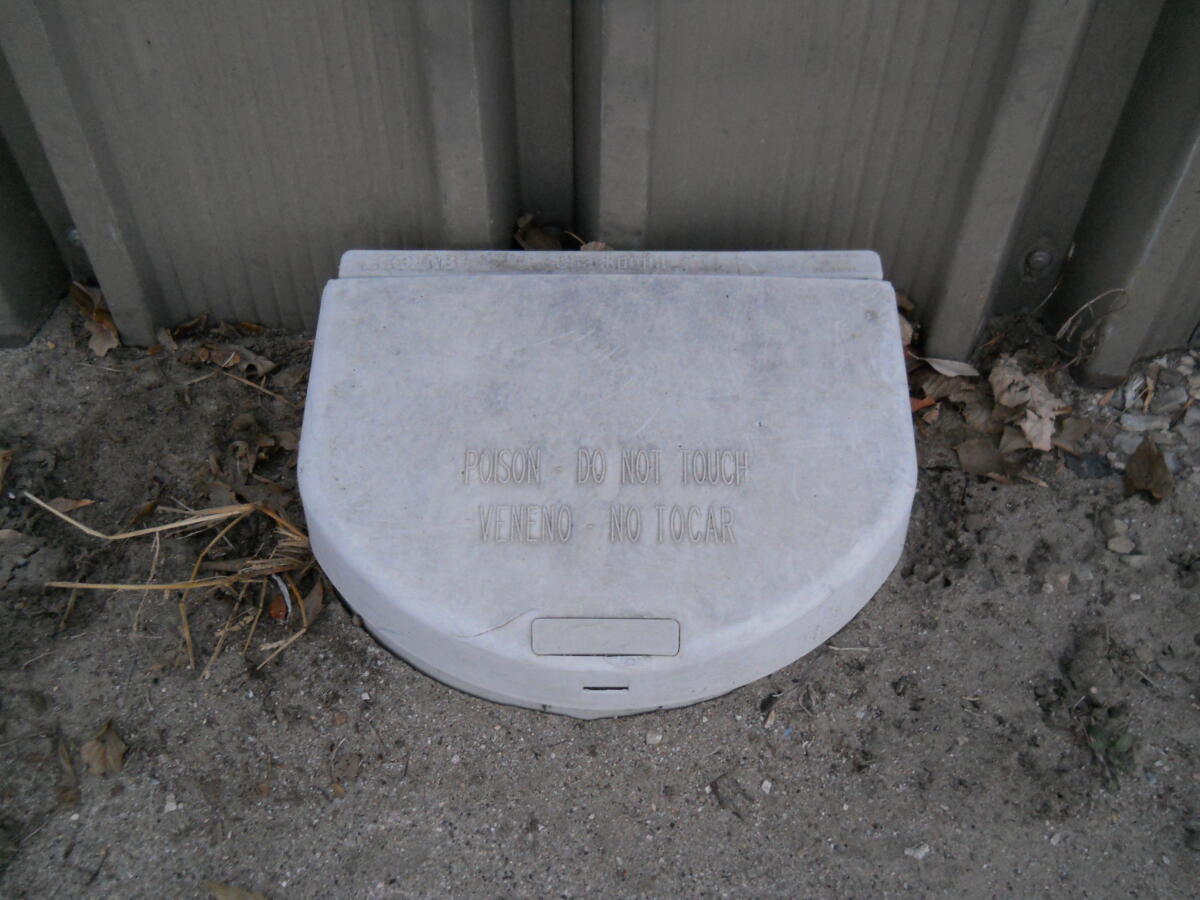
Many campgrounds contract pest-control companies to manage rodent populations. These companies often place traps around buildings such as offices, shower houses, and storage facilities. However, open bait blocks or poison may also be placed near dumpsters, dump stations, or maintenance areas.
Ask campground staff where pest-control products are located and keep your pets away from these areas.
Wildlife threats
Most campers think about large predators like bears or mountain lions, but smaller wildlife can also pose risks, particularly in areas where rabies has been reported. In addition, birds of prey such as eagles or large hawks may attempt to grab very small pets if they are left unattended.
Keeping pets supervised and on a leash can help prevent unexpected encounters.
Noisy or disruptive campsites
When checking in, I often ask the campground office or host if there are any particularly noisy areas or “party sites” in the campground. While you may not always have a choice, finding a quieter location can make a big difference.
Excessive noise, unfamiliar pets, and constant activity can increase anxiety for animals that are already adjusting to a new environment.
Poisonous or irritating plants
Plants such as poison ivy, poison oak, and poison sumac grow in many regions of the country. It’s a good idea to take a walk around your campsite and look for plants that could be irritating or harmful to pets.
Also watch for thistles, milkweed, cockleburs, and other plants that pets should avoid.
Engine fluids on the campsite pad
Campsite pads sometimes contain residue from previous RVs. Antifreeze, transmission fluid, brake fluid, or other automotive fluids can be extremely dangerous if ingested by pets.
A quick visual inspection of the campsite pad and surrounding area can help you spot any suspicious stains or puddles.
Check water quality and sanitize the water supply and dump station area
The water supplied by the campground source typically is untreated well water. This can contain calcium, lime, rust, and other minerals. It is a good idea to use a quality filter or bring enough bottled drinking water for you and your pets.
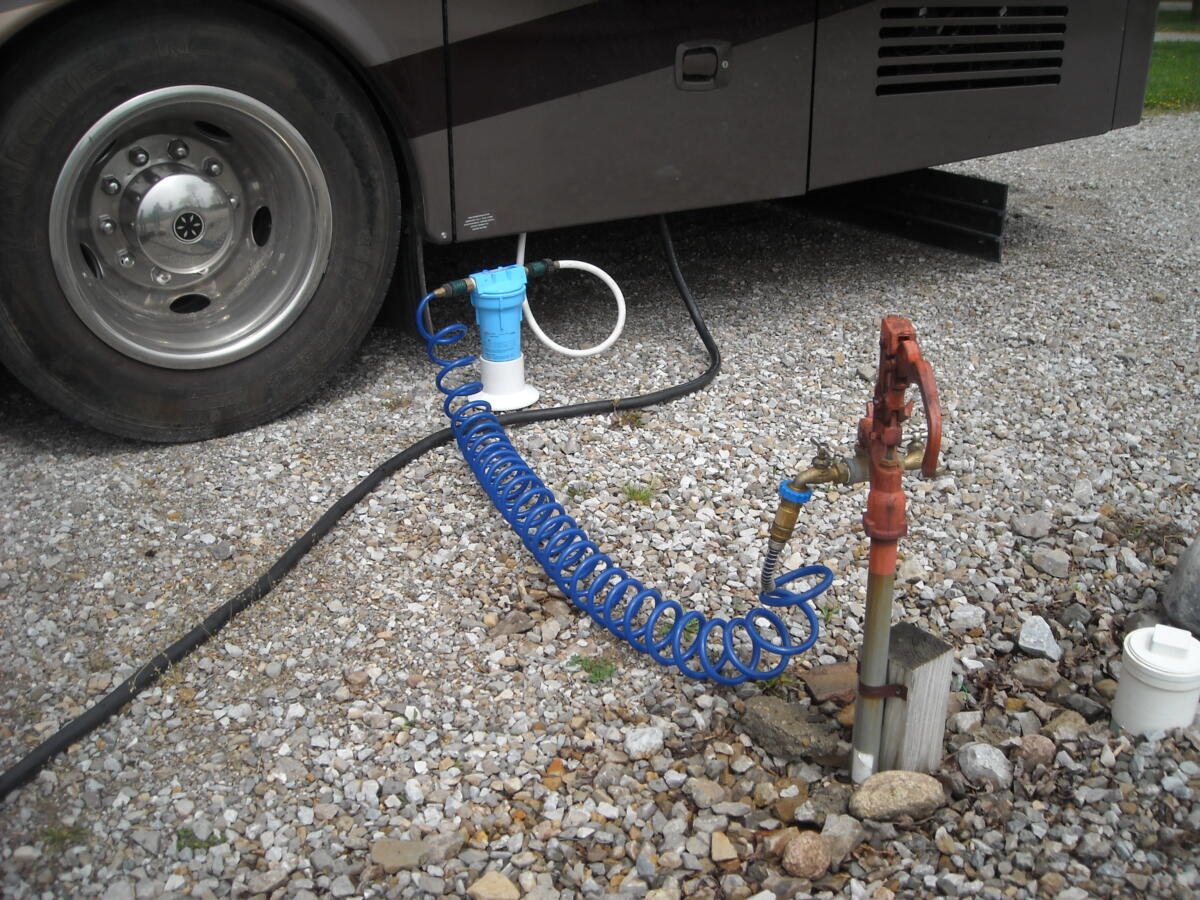
Campground water faucets are used frequently and rarely sanitized. Bacteria such as E. coli and other pathogens can accumulate on the faucet handle or hose connection.
Some campgrounds also have individual dump stations at each site that may not be regularly cleaned.
A simple solution is to mix 1/4 cup of bleach with one gallon of water and use a spray bottle to sanitize the faucet and surrounding area. As an added bonus, most pets dislike the smell of bleach, which discourages them from getting too close.
Ant hills and ground insects
Depending on the region, campgrounds may have red ant hills, scorpions, or other ground-dwelling insects that can harm pets.
Taking a few minutes to walk around your campsite allows you to identify these hazards before your pet finds them.
Snakes
In the upper Midwest, snakes are usually limited to garter snakes, which are more of a nuisance than a serious threat. However, other parts of the country may have venomous species.
Before traveling, consult your veterinarian about the areas you plan to visit and ask about potential snake risks and treatment options. Campground hosts can also provide helpful local information.
Lawn treatments
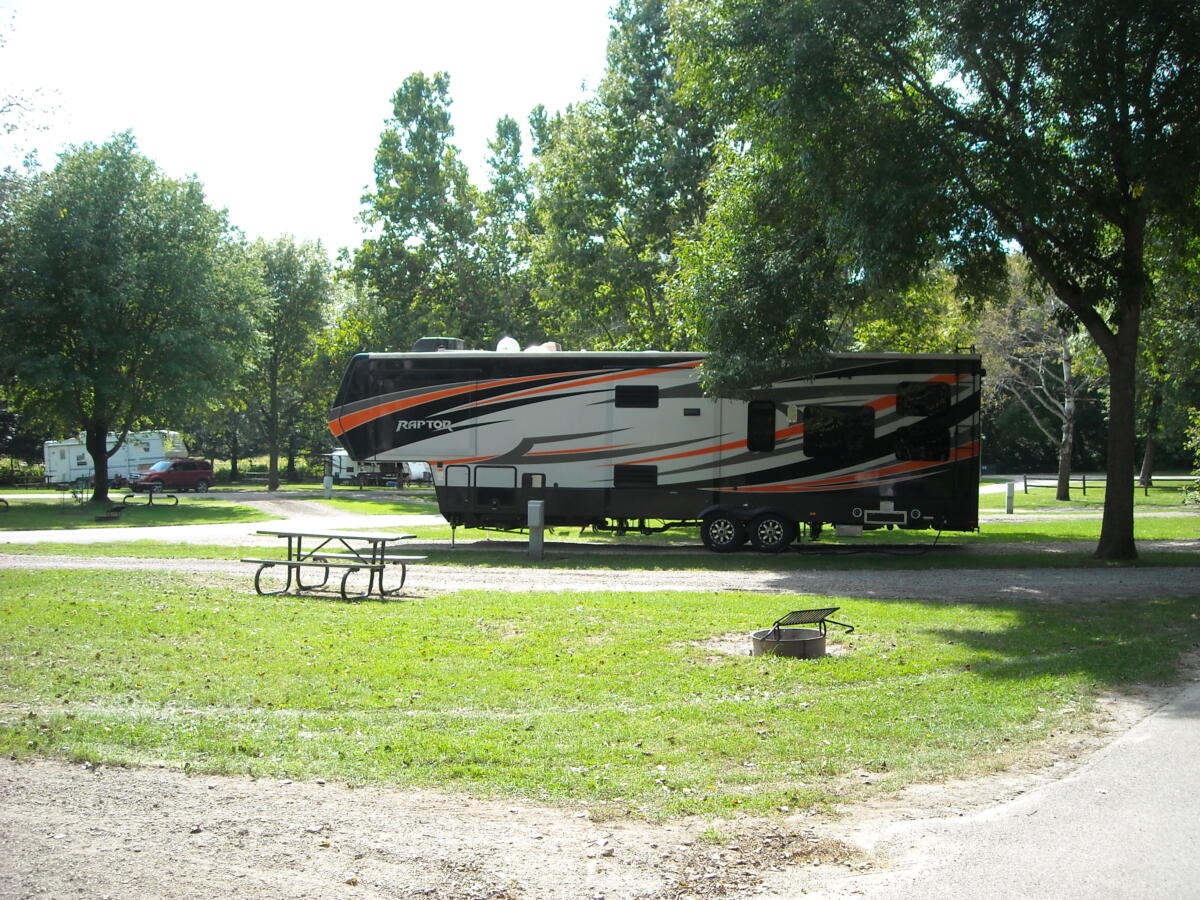
Many homeowners treat their lawns with fertilization and weed-control programs and place warning flags advising pet owners to stay off the grass temporarily.
Campgrounds sometimes apply similar treatments but may not post warning signs. Even products labeled as non-toxic can irritate a pet’s paws or skin, so it’s worth asking campground staff if the grass has been treated recently.
Generators and exhaust
If the RV parked next to you has an onboard generator, pay attention to where the exhaust exits. It may not face their patio—it could be directed toward yours.
If the generator runs for extended periods during hot weather to power air conditioners, exhaust fumes and carbon monoxide could drift toward your outdoor sitting area or a pet enclosure.
Fire pits
Campground fire pits often collect debris left by previous campers. I’ve personally found broken glass, spoiled food, and even batteries thrown into fire pits.
Campsites are not always thoroughly inspected between guests, so take a moment to check the fire pit and surrounding area before allowing pets near it.
Final thoughts
One of the greatest advantages of RV travel is the ability to bring our pets along for the adventure. They become part of the journey rather than something we leave behind.
However, pets rely on us to recognize dangers they may not understand. A quick walk around your campsite when you arrive—looking for potential hazards before your pet explores—can make all the difference.
A few minutes of awareness can prevent injuries, illness, or worse, ensuring that both you and your traveling companions enjoy a safe and relaxing stay at the campground.
MORE ON RVING WITH PETS
- As expenses rise, owners continue to put pets’ needs first
- The best RV layouts for pets
- The best dog car seat and dog booster seat for RVers
- How to train dogs to stop barking at everything
- Is your dog breaking the law?
- Cat-astrophic problem: Where to put the litter box in an RV?
- Add a pet door to your RV. It’s easy!
DAVE HAS ANSWERED MORE THAN 1,000 readers’ maintenance and repair questions. Read a directory here. There is so much to learn!
Dave Solberg is a leading expert in the RV industry and the author of the “RV Handbook.”
HAVE A QUESTION FOR DAVE?
Send your inquiries to him using the form below.
RVDT2863


Have a water-loving dog breed? There can be significant danger if you just let your dog ‘go for it’. Much of the south has poisonous water snakes. Unlike rattlers, there is no warning. Fortunately, you have to darn near step on one to be attacked. Water dogs love to run through the shoreline brush. Gators & crocs are a more localized hazard. In the north, tiger muskies have been known to take smaller dogs. Unless the water is readily flowing it can become toxic as the weather warms. On the flip side, water flowing too fast can overwhelm your 4-legged friend no matter how well he or she can swim.
We had a stick-centric dog who followed a stick into the campfire when someone absently threw a stick on it.
I would definitely add cactus as a major danger for pets, especially their eyes!!!
The biggest threat I have encountered are owners not following the leash law and their dogs darting out attacking my dog as I walk by.