


By Gail Marsh
Sleeping in an RV during the summer can be a sweaty challenge, especially if you’re what I call a “hot sleeper.”
So… for you RVers who struggle to sleep because you’re too hot, perhaps a few tips will help.
Why do you sleep hot?
Our son has always been a hot sleeper. Snuggling him when he was a baby was like hugging a heater! He required a much cooler bedroom than our other children. Even now, he sleeps better in lower temperatures.
That said, it’s important to rule out any medical issues that may cause you to sleep hot. Talk to your doctor, especially if sleeping hot is unusual for you.
There are several factors that can contribute to feeling excessively warm during sleep:
• Body temperature regulation: Your body naturally cools down during sleep. If your environment is too warm, it can disrupt this process.
• Hormonal changes: Conditions like menopause can cause night sweats and increased body temperature.
• Medical conditions: Certain illnesses and/or medications can lead to increased sweating at night. As mentioned previously, talk to your doctor about this.
• Bedding and mattress materials: Some materials trap heat, making you feel hotter during the night.
Understanding these factors can help you take targeted steps to cool down. Obviously, if your RV has an air conditioner, use it. Set it for a cooler temperature if you or your RV partner sleeps hot.
Tips to stay cool
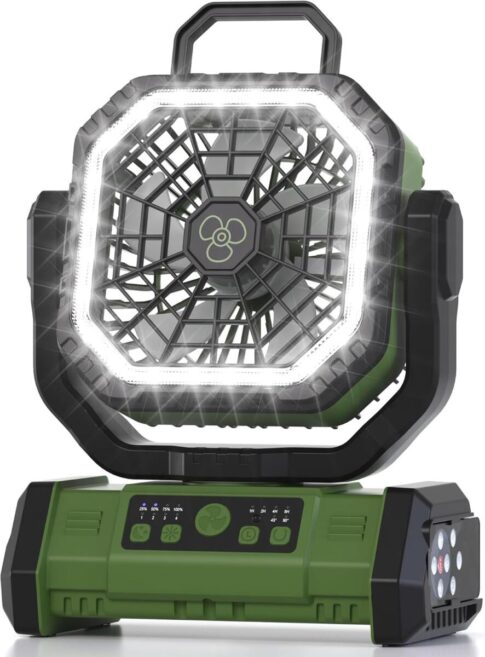
1. Optimize ventilation. Good airflow is essential. Use roof vents, window fans, or portable fans to circulate air. Position fans to create a cross-breeze, drawing in cooler air and pushing out warm air.
2. Avoid sleeping with pets. A pet that snuggles next to you will make you feel warmer. Consider crating her overnight.
3. Choose breathable bedding. Opt for sheets and blankets made from natural fibers like cotton or linen. These are more breathable and wick away moisture better than synthetic materials. There are also cooling bed sheets available.
4. Cool down before bed. Take a lukewarm shower before sleeping to lower your core body temperature. Avoid hot showers, as they can raise your body temperature.
5. Stay hydrated. Drink plenty of water throughout the day. Dehydration can impair your body’s ability to regulate temperature.

6. Consider a bFan™. This innovative product is made in the U.S. It’s a special fan that is designed to blow air from the bottom of the bed through the sheets over the body. Warm body air is replaced by cooler air throughout the night. Bonus: You may save money on air conditioning if you pay extra for electricity at the campsite.
7. Sleep in lightweight clothing. Wear light, loose-fitting pajamas made from breathable and/or moisture-wicking materials. Avoid synthetic fabrics.
8. Use cooling accessories. Cooling pillows and cooling mattress toppers or pads can help dissipate heat. Some products use gel or phase-change materials to absorb and release heat effectively. (Personal note: Our foam mattress is so comfortable I wasn’t ready to give it up, even though the foam seemed to trap body heat and make sleep difficult. A cooling gel topper solved the problem!)
9. Restrict vigorous activity. Schedule intense workout routines for earlier in the day. (Note: Sex can tire your body, but it can also raise your body’s temperature. Use yoga or gentle stretching exercises to cool down and relax.)
10. Use a dehumidifier. Excess humidity can make you feel warmer. If possible, run a dehumidifier to dry the damp summer air and help you sleep.
11. Consider ice packs. Right before bed apply ice packs to areas of the body where blood vessels are close to the surface of your skin. This includes the back of your knees, inside of elbows, wrists, top of feet, neck, and inner thigh. Wrap a towel or cloth around the ice pack to protect your skin.
12. Food and drink choices. Avoid heavy meals before bedtime. Restrict caffeine and alcohol consumption at least four hours before bed. Caffeine can raise core body temperature. Also, depending on how well your body metabolizes caffeine, it can negatively affect sleep. Alcohol, when it’s metabolized, increases your cortisol levels. It also causes blood to rush to the surface of your skin causing a feeling of warmth—not something a hot sleeper needs!
Your turn
Are you a hot sleeper? What additional tips do you find helpful? Tell us in the comments below.
RELATED
RVDT2931
Thank you for these many suggestions, Gail, especially the bed fan. DW tends to be a hotter sleeper than I am, so these will help me avoid freezing when trying to sleep. Have a great week and safe travels!