

When was the last time you inspected your RV’s refrigerator vent cover? If you had to pause and think about it, you’re not alone. While most RV owners stay on top of tire pressure, battery levels, and sealant checks, the fridge vent cover often gets overlooked. But ignoring this small component can lead to big, expensive problems.
Why the fridge vent cover matters
Your RV refrigerator relies on proper airflow to stay cool and operate efficiently. The vent cover—typically located on the sidewall or roof—helps facilitate that airflow while also acting as a barrier to keep out pests and debris. When this area becomes compromised, the refrigerator can’t “breathe” properly, leading to poor cooling performance, higher energy use, and even total system failure.
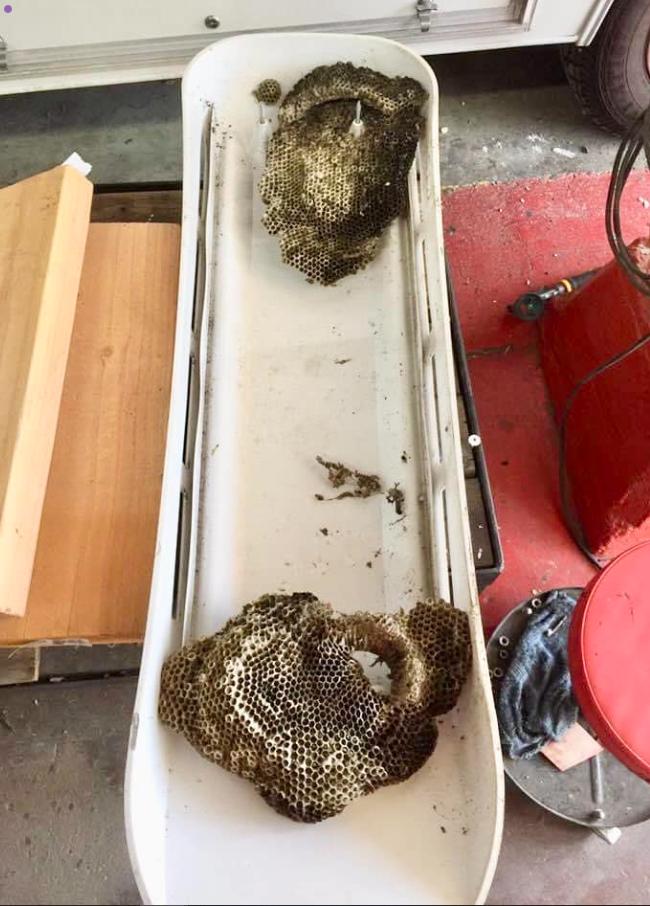
At our shop, we regularly find vent cavities filled with wasp nests, mud dauber tunnels, bird debris, and even rodent nesting materials. Insects and critters are drawn to the warmth behind your fridge, especially when the RV is parked for extended periods. Once inside, they block airflow, chew wires, and wreak havoc.

What can go wrong?
• Blocked airflow leads to overheating and decreased cooling efficiency.
• Rodents may chew electrical wires, causing shorts or system failure.
• Nests can become a fire hazard if they’re near heating elements.
• Trapped moisture from clogged vents can contribute to rust and corrosion.
Any one of these issues can result in costly repairs—or even the need to replace the entire refrigerator unit, which could run well into the thousands.
Simple preventive measures
1. Inspect regularly: Make it a habit to check your refrigerator vent cover at least every few months, especially before and after trips.
2. Clean out debris: Look for nests, droppings, or insects, and gently clean out anything that may be blocking ventilation.
3. Install a protective screen: Affordable vent screens (like those from Camco or Valterra) are available for most fridge vent models. These help prevent future infestations while maintaining airflow.
4. Check for cracks or damage: A cracked or missing vent cover is an open invitation to pests. Replace it immediately if it’s compromised.
Final thoughts
Just like a home, an RV has its hidden spaces that demand attention, and your refrigerator vent is one of them. A quick five-minute inspection could mean the difference between a smooth trip and an expensive repair.
For full-timers, weekend warriors, and seasonal travelers alike, adding this to your routine is a simple step toward long-term reliability.
Stay safe out there, and remember: Even the smallest vents can cause the biggest problems—if left unchecked.
More from Dustin
Make sure you check out my website, California RV Specialists, and our YouTube channel for more helpful information, and see our published articles on RVtravel.com and other social media pages.
RELATED
- Protect your RV appliances with RV vent screens
- How, and why, to install insect screens on your RV vents
- Reminder: Check that fridge drip tray before it floods into your RV
RVT1233

