


Dear Dave,
I’m wondering if I need to apply sealant to the top of my RV. I haven’t had any leaking on the top but I was told I need to reapply sealant. I’m aware of the seams needing it, but is it something that needs to be done yearly? —Catherine, 2018 Forest River Rainier
Dear Catherine,
There are several different materials used for RV roofs today, and there are even more opinions on how they should be cleaned and maintained.
Just because something has been done a certain way for years does not necessarily mean it is the best approach. Several factors play a role, including how much sun exposure the roof receives, environmental conditions, and whether the RV is stored indoors for part of the year.
Aluminum roofs
For many years, RV manufacturers used aluminum sheets to cover roofs. Over time, aluminum would oxidize and create black streaks that ran down the sides of the RV.
In the late 1980s, aluminum prices increased significantly, prompting some manufacturers to switch to ethylene propylene diene monomer (EPDM) rubber roofing. EPDM was easier to install and came in wide sheets that allowed for a mostly seamless membrane. However, some lower-priced units used smaller sections that were vulcanized or seamed together.
EPDM starts as black rubber, and the white color is added to the exterior surface. It expands and contracts with temperature changes and can deteriorate over time with prolonged sun exposure.
Most EPDM manufacturers recommend cleaning the roof at least once a year, or more often if needed. Mold and mildew spores can embed in the textured surface of EPDM, which not only looks unsightly but can also contribute to deterioration.
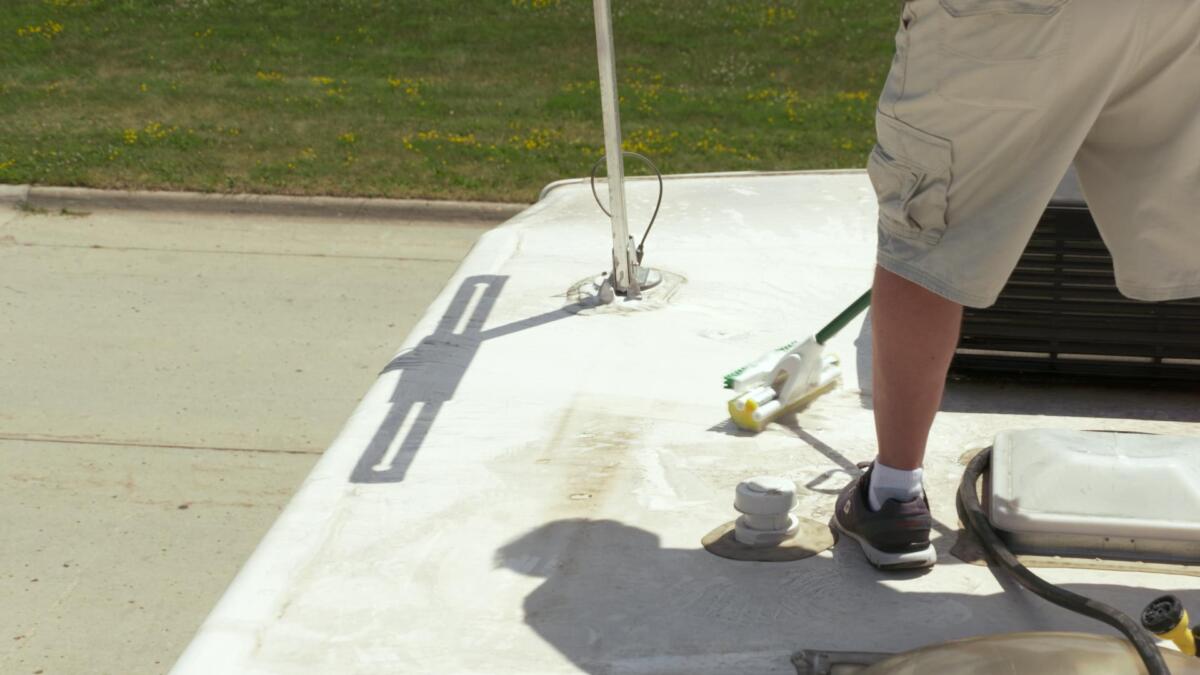
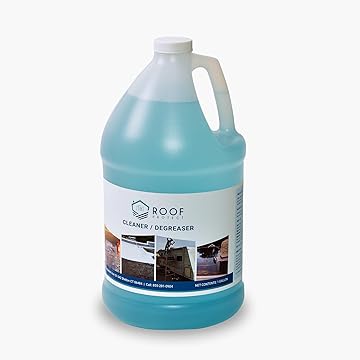
For years, I used Dawn dish soap. However, I found that Dawn can strip ceramic coatings, high-gloss finishes, and wax. Because of that, I switched to RV Roof Magic. I recommend using RV Roof Magic Cleaner because it also acts as a fungicide, addressing mold and mildew concerns. (It is available on Amazon.)
Should you condition EPDM?
This is where debate begins. I have spoken with several EPDM manufacturers, and most recommend using some type of protectant or conditioner. Many lean toward 303 Protectant. There are numerous products available, including versions from Dicor, but I have personally used 303 Protectant for more than 30 years and believe it is one of the best options available. I know several local RV owners who have used it for more than 20 years, and their roofs still look like new.
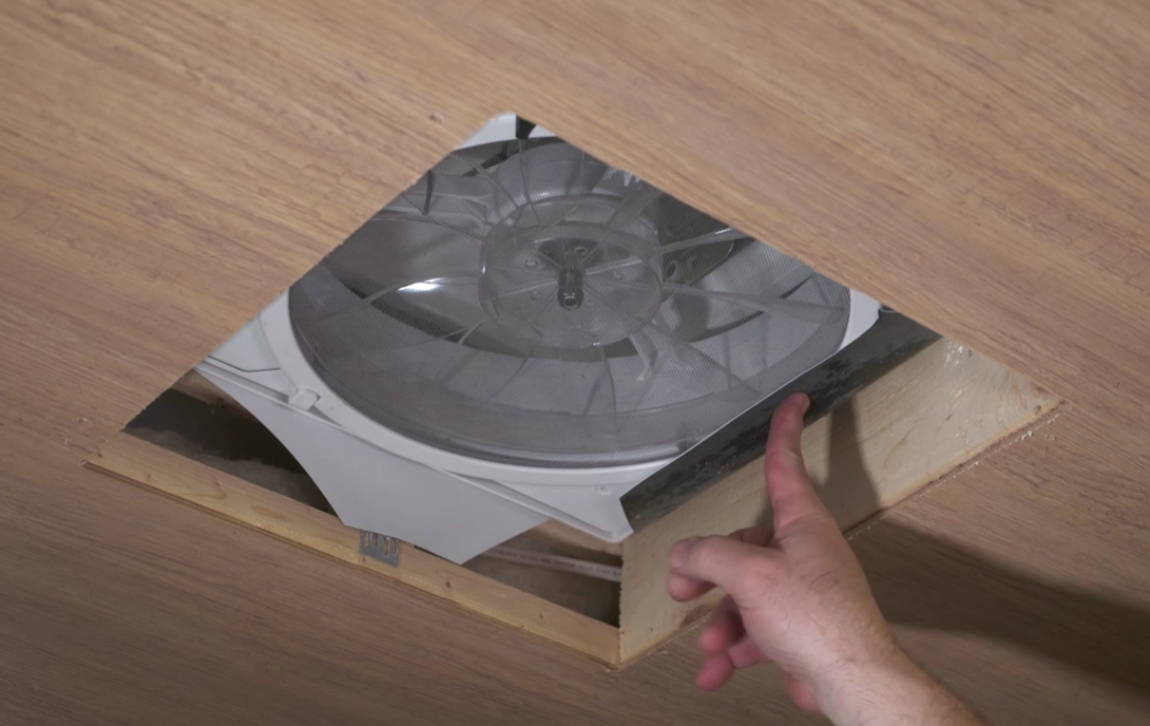
If you are unsure whether your roof is EPDM, remove the interior roof vent shroud and look at the underside of the roofing material tucked into the opening. If it is black underneath, it is EPDM.
TPO roofing
As rubber roofs began receiving negative attention, manufacturers introduced a newer material called thermoplastic polyolefin (TPO).
Unlike EPDM, TPO has consistent color throughout the material, meaning it looks the same on both the top and bottom surfaces.
TPO roofs should be cleaned in a similar manner to EPDM roofs. RV Roof Magic Cleaner is appropriate for this material as well.
However, conditioning TPO is more controversial. Recommendations vary depending on the roofing material manufacturer, the RV manufacturer, and even advice found on social media.
For example, Alpha Systems, a popular TPO manufacturer, recommends cleaning with Murphy Oil Soap and states that their TPO material does not require conditioning.
Most TPO manufacturers recommend:
- Thorough cleaning at least once per year.
- Careful visual inspection of the roof membrane.
- Inspection of all sealants.
- Resealing versus inspecting.
This is where some confusion occurs. Many people refer to “resealing the roof,” but what they often mean is inspecting and maintaining the sealant.
The sealant covers:
- Roof-to-sidewall seams
- Front and rear caps
- Roof vents
- Plumbing vent pipes
- Antennas and other roof-mounted accessories
If you notice sealant cracking, separating, or deteriorating, it is important to remove the old sealant and apply a new self-leveling sealant designed specifically for your roof material.
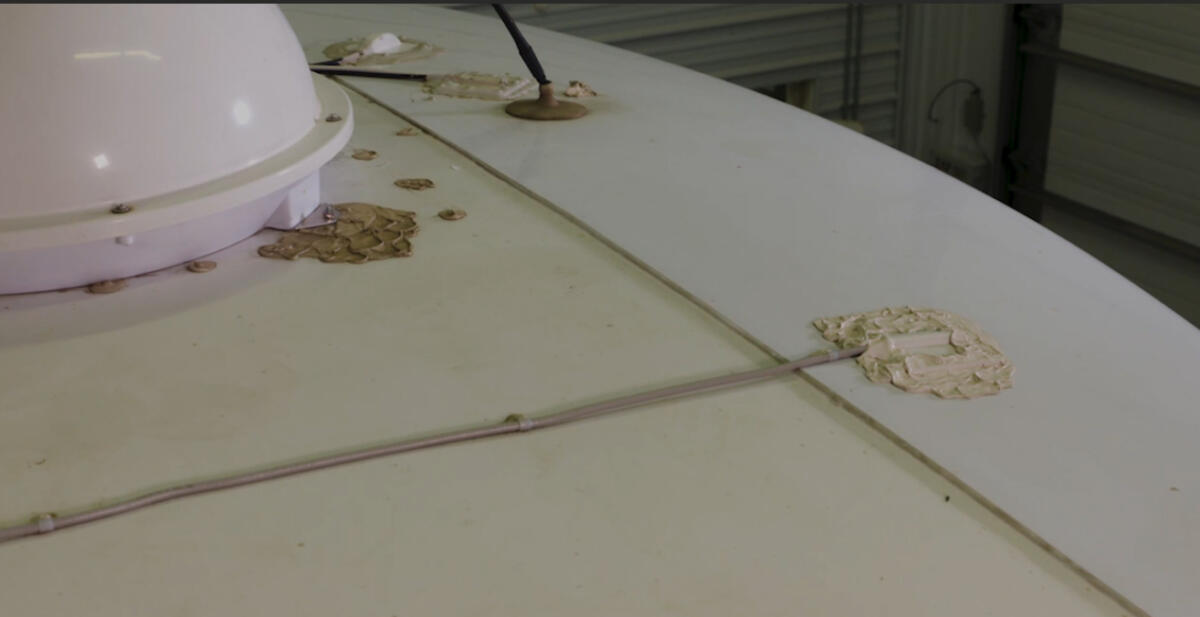
For example, you may see excessive or deteriorated sealant around a satellite dish coax cable, radio antenna, or other roof penetrations. Old, dirty, or improperly applied sealant should be removed and replaced with a compatible self-leveling sealant appropriate for the roof surface (such as fiberglass or TPO).
Final thoughts
Regardless of the roofing material, the key points remain the same:
- Clean the roof regularly.
- Inspect it at least annually.
- Maintain sealants around all penetrations.
- Follow the recommendations of your specific roof manufacturer.
- Patch any holes, gouges, or scratches in the material with an appropriate patch and seal kit.
Proper maintenance not only improves appearance but also extends the life of your RV roof and helps prevent costly water damage.
You might also enjoy these posts from Dave
- Follow-up to RV roof ‘chalking’ question — It’s fiberglass. Now what?
- What are white streaks running down side of RV; how do I prevent them?
- My RV’s rubber roof has ‘gooey’ spots. Can I fix it with RV Roof Magic?
- What is your opinion of RV Roof Magic? Does it work?
- Should I put a coating on the roof of my brand-new 5th wheel?
- DIY resealing an EPDM roof on your RV. If I can do it, so can you!
- How to protect and maintain newly replaced RV roof. Plus, why new roof was needed
DAVE HAS ANSWERED MORE THAN 1,000 readers’ maintenance and repair questions. Read a directory here. There is so much to learn!
Dave Solberg is a leading expert in the RV industry and the author of the “RV Handbook.”
HAVE A QUESTION FOR DAVE?
Send your inquiries to him using the form below.
RVDT2844


That RV Roof Magic Cleaner is expensive.
Ya so is your roof?😊