


Dear Dave,
I am confused. My lead acid battery terminals have corrosion. So, I had read that I should clean and put dielectric grease on them. Then I just read NOT to put grease on them. What to do? Thank you. —Linda, 1989 Scotty 13′
Dear Linda,
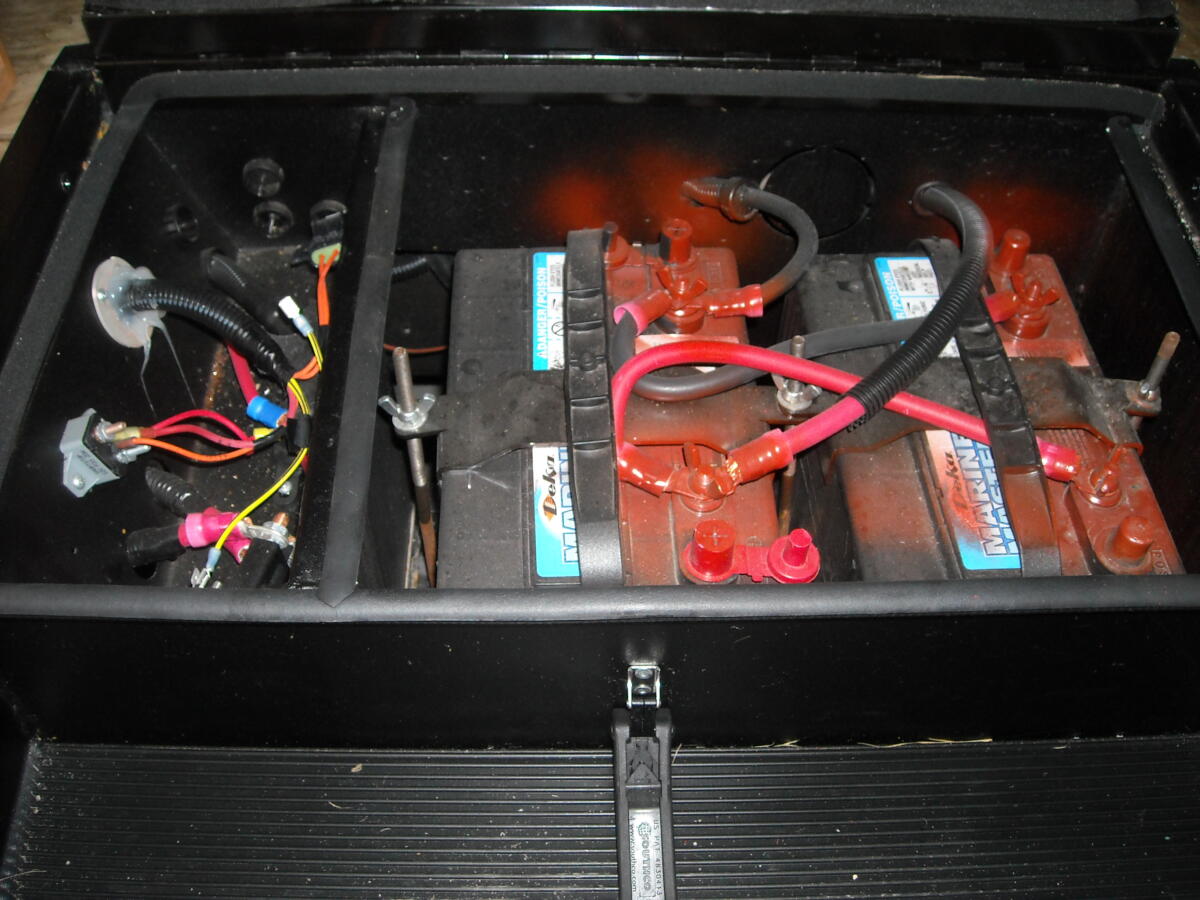
There are several types of corrosion that can appear on the terminals of flooded lead-acid (FLA) batteries. The most common is a white or bluish-green, chalky buildup. This residue is caused by battery acid (sulfuric acid) that escapes during gassing and then reacts with hydrogen and moisture in the air.
Causes of battery corrosion
Corrosion can result from several factors, including overcharging, undercharging, battery age, and high temperatures.
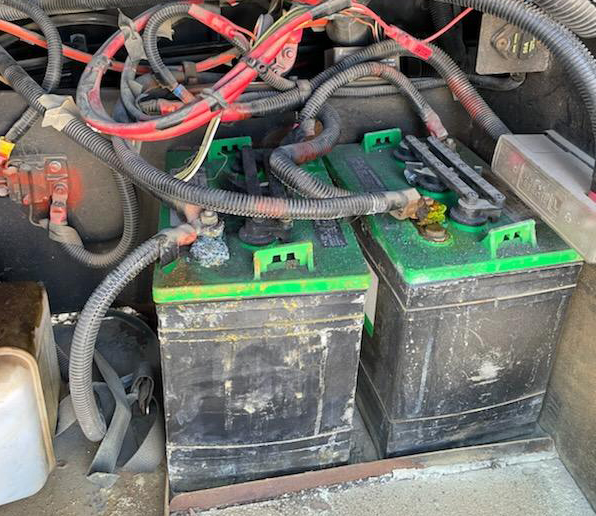
Overcharging typically causes crystallization on the positive terminal, while undercharging is more often seen on the negative terminal.
Given the age of your 1989 Scotty, it likely has a traditional converter/charger that supplies approximately 13.6 volts when connected to shoreline power and then drops to about 13.2 volts for maintenance charging. If the converter is faulty and fails to drop to the maintenance voltage, it can overcharge the battery and accelerate corrosion.
You can verify this using a multimeter. A fully charged FLA battery should read 12.6 volts at rest, and the converter should supply approximately 13.6 volts until the battery reaches 12.6 volts, then drop to 13.2 volts during maintenance mode. If the battery is fully charged and the converter continues to supply 13.6 volts, the converter is likely defective.
Overfilling the battery cells can also cause excessive gassing and corrosion. Cells should be filled only with distilled water, just above the lead plates and below the vent line.
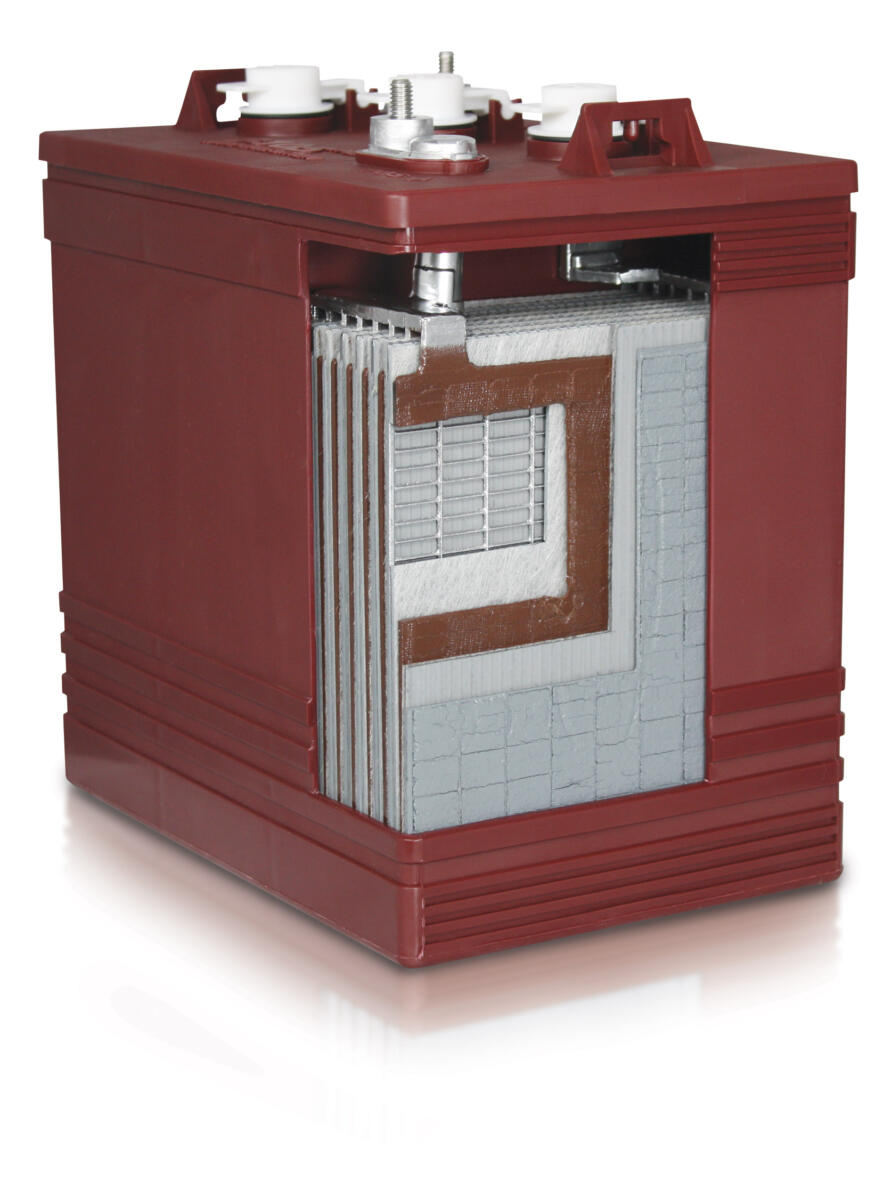
As batteries age, sulfur buildup on the plates generates excess heat, which increases gassing.
Additional contributors to corrosion include humid conditions, condensation, dirt, dust, and loose or poor cable connections.
Corrosion increases electrical resistance, reducing current flow and overall battery performance.
Proper maintenance
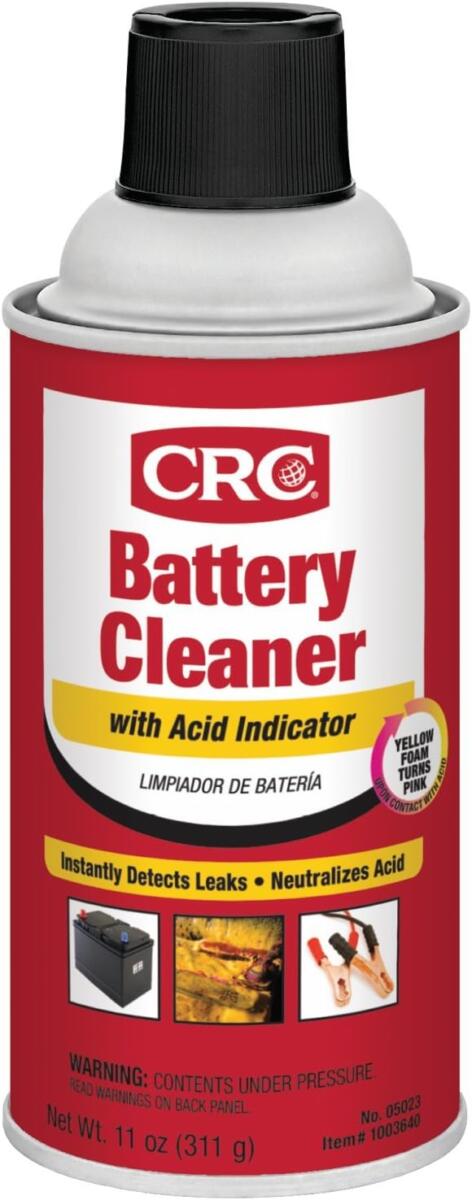
Battery terminals and cable ends should be cleaned using a mixture of baking soda and distilled water with a wire brush. A commercial battery cleaner, such as CRC Battery Cleaner with Acid Indicator, can also be used. This product changes color from yellow to pink when acid is present outside the cells, helping identify problem areas. You can find it on Amazon here.
Applying a protective coating
There are several traditional methods for protecting battery terminals from moisture, including dielectric grease and bearing grease. I have even known “old school” mechanics that have used petroleum jelly.
If grease is used, it should be applied only to the top of the terminal and cable clamp—never between the electrical connection—since grease can interfere with conductivity. This distinction is often the source of conflicting advice on whether grease should be used.
Personally, I avoid grease because it can be messy and attract dirt. Instead, I use CRC Battery Terminal Protector. You can find it on Amazon here.
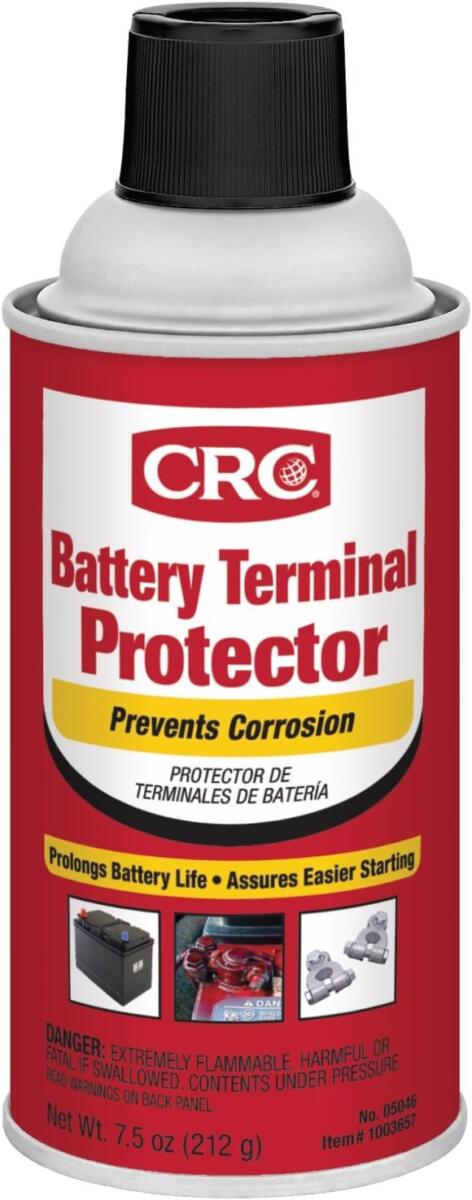
It provides a lead-free, soft protective coating that helps reduce corrosion and protects battery terminals, cable clamps, and other connections.
You might also enjoy these posts from Dave
- What is the solution to battery corrosion?
- ‘Busting’ 12-volt battery myths
- What does 50% State Of Charge (SOC) of a 12-volt battery mean?
- My RV’s “larger” batteries are dead. Can I replace them with lithium?
- Can different type and age RV batteries be mixed? Can I add a lithium battery?
- Will RV’s house batteries ‘play nice together’ if I replace chassis battery with lithium?
- Can different type and age RV batteries be mixed? Can I add a lithium battery?
- Understanding everything about 12-volt house batteries
DAVE HAS ANSWERED MORE THAN 1,000 readers’ maintenance and repair questions. Read a directory here. There is so much to learn!
Dave Solberg is a leading expert in the RV industry and the author of the “RV Handbook.”
HAVE A QUESTION FOR DAVE?
Send your inquiries to him using the form below.
RVDT2830

Dave, thanks for this! You answered my questions and confusions regarding battery terminal protection, as well as how to tell if under or over-charged.