

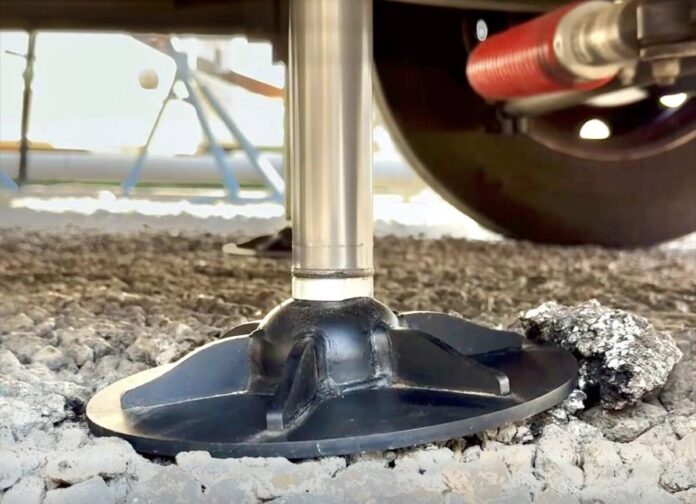
Are you tired of seeing your leveling jack foot pads bent, warped, or, worse, completely ruined after just a few trips? You’re not alone. This is one of the most common complaints we hear from RV owners, especially those with larger fifth wheels.
At California RV Specialists, we’ve repaired plenty of landing gear and leveling systems that were damaged simply because the stock jack foot pads couldn’t handle the pressure. But there’s a solution—and it’s one we’re excited to share: RVpaws.
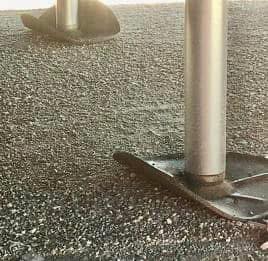 Why RV leveling pads fail
Leveling systems are supposed to provide stability and support, but the standard foot pads found on many fifth wheels just aren’t built for long-term durability. Here’s why they often fail:
1. Thin, weak construction
Many OEM foot pads are made from thin stamped metal that can bend or warp under the weight of the rig—especially on soft or uneven terrain.
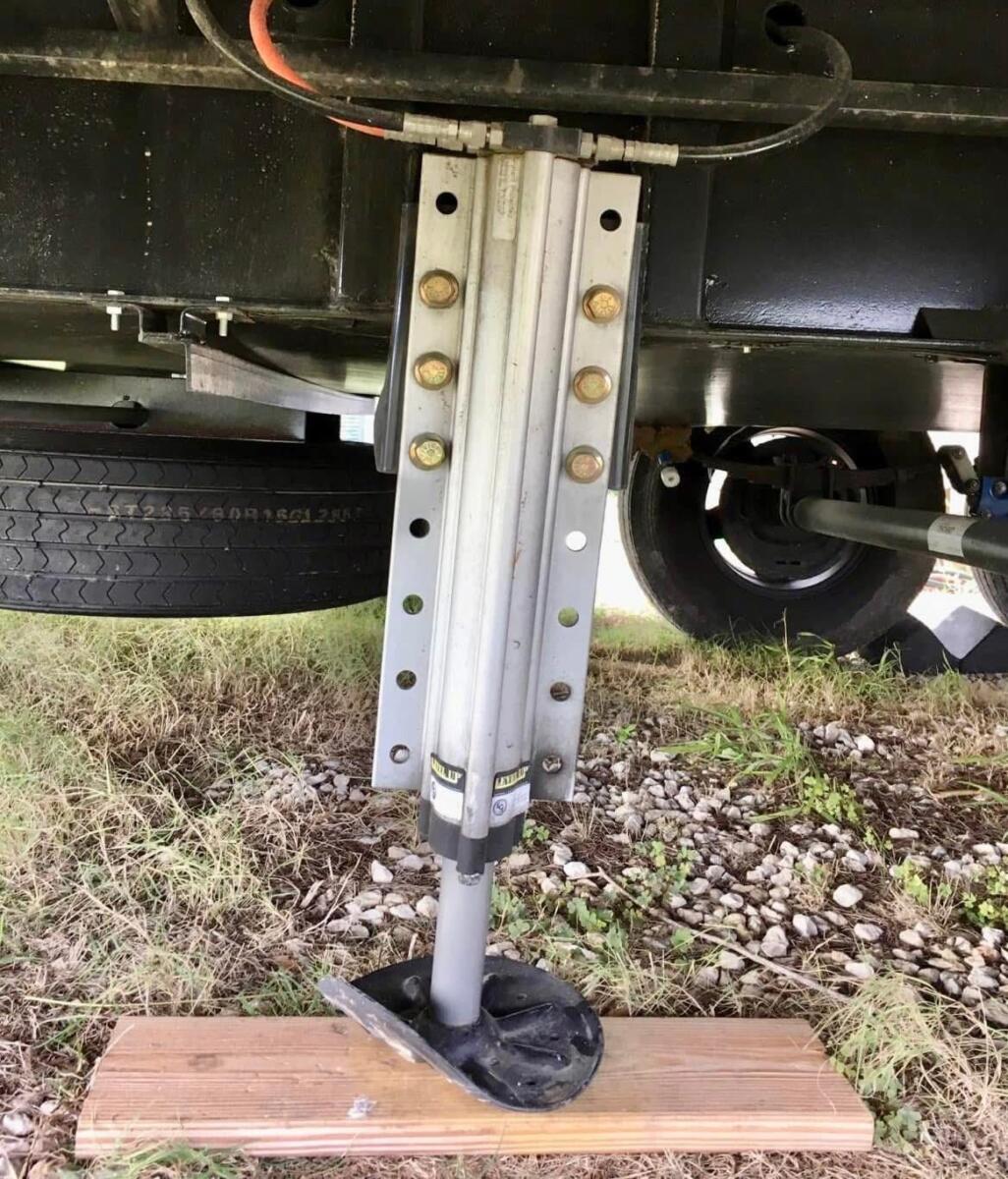
2. Limited ground contact
Standard pads don’t conform to uneven ground. This leads to tipping, digging, or leaning, which transfers uneven loads back to the jacks and frame.
3. No flexibility
When your RV is parked on a slight slope or angled surface, most pads stay rigid. That inflexibility can strain hydraulic rams and cause long-term damage.
Meet RVpaws: A better way to stay grounded
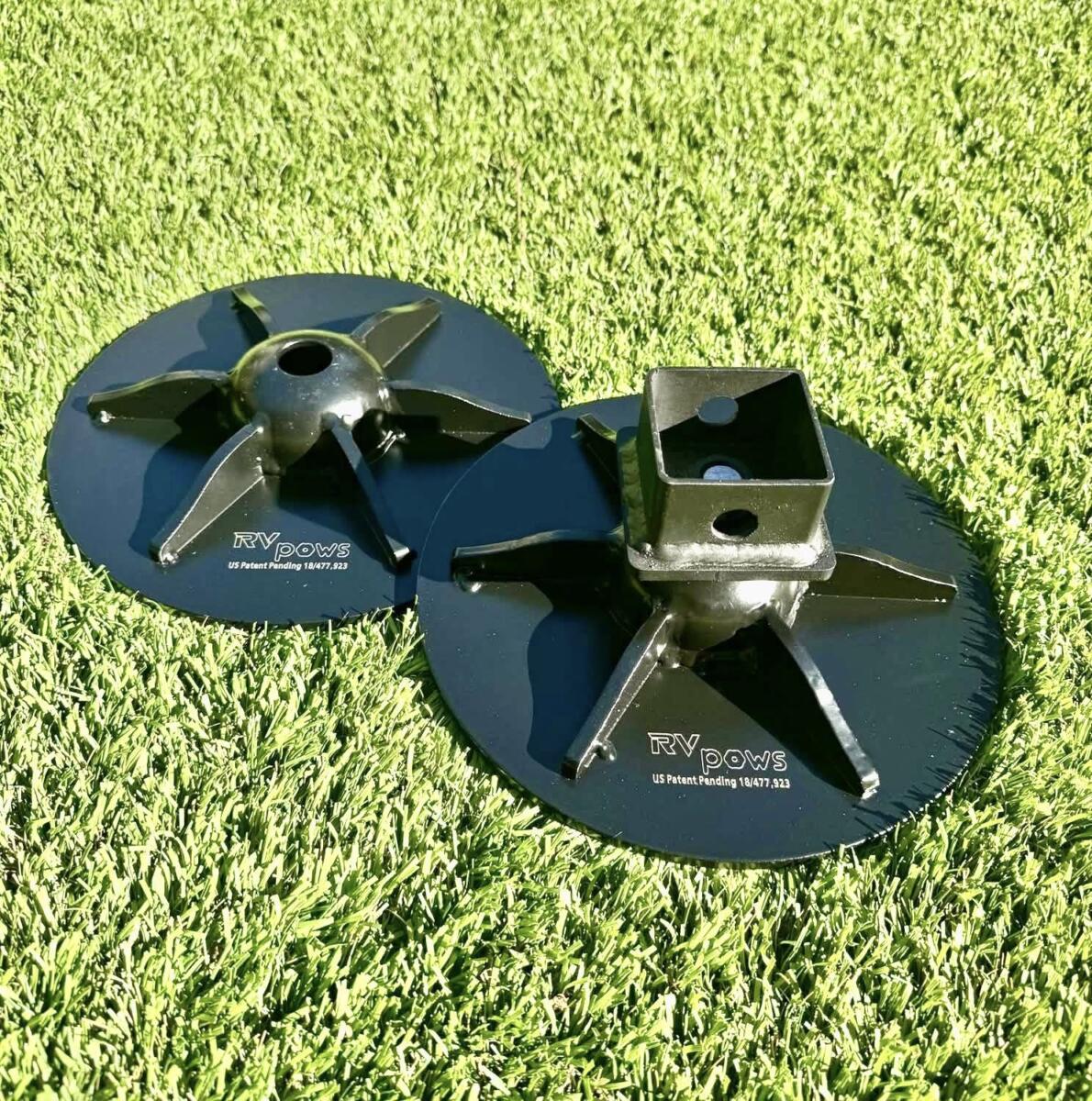
RVpaws is a revolutionary new foot pad designed to replace weak, failure-prone pads with something stronger, smarter, and more reliable.
Built for fifth wheels with standard 2” square or round landing legs, RVpaws features an oversized support base and is engineered to withstand tough terrain and heavy loads. But what really sets it apart?
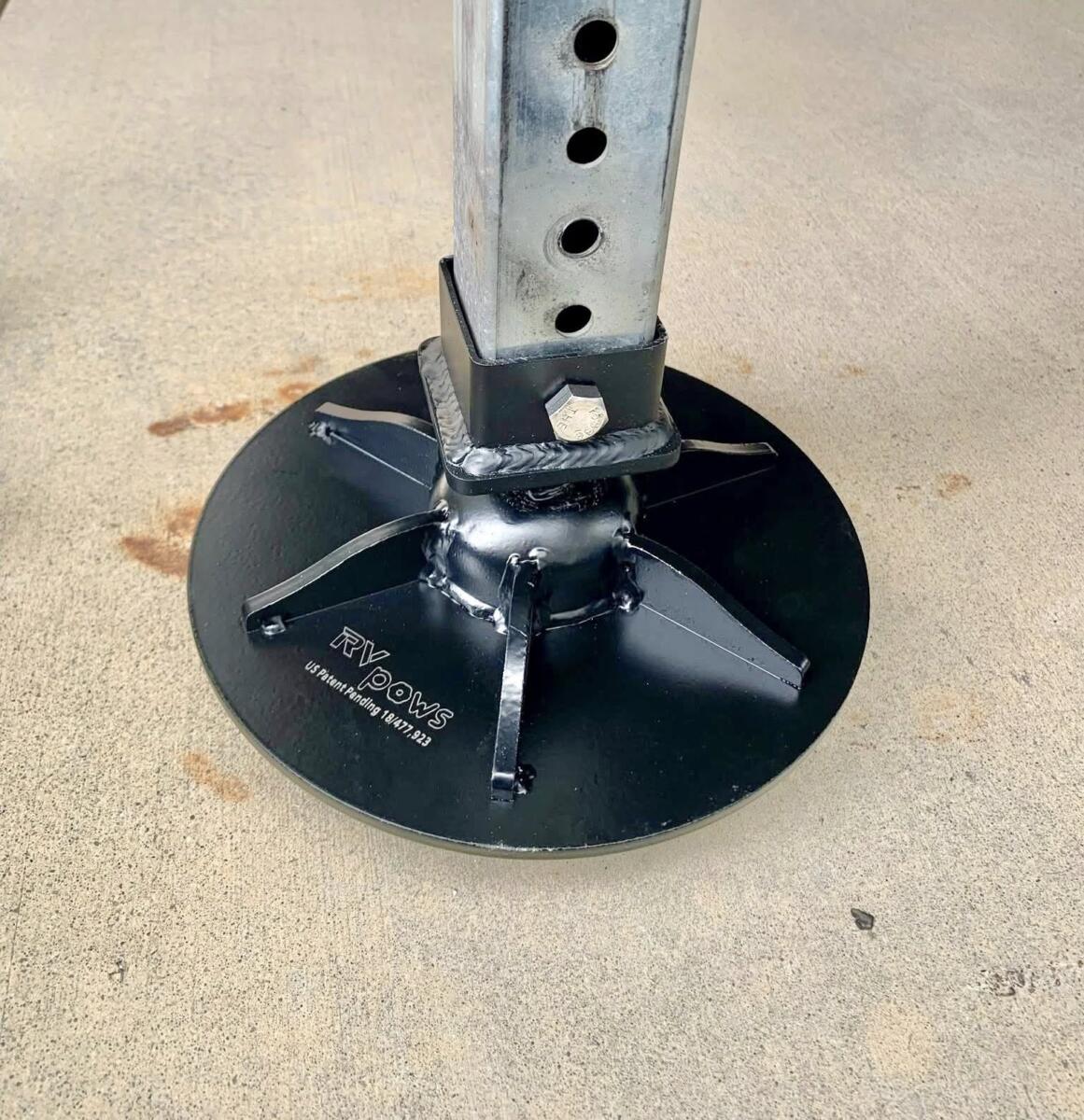
The “ankle” advantage
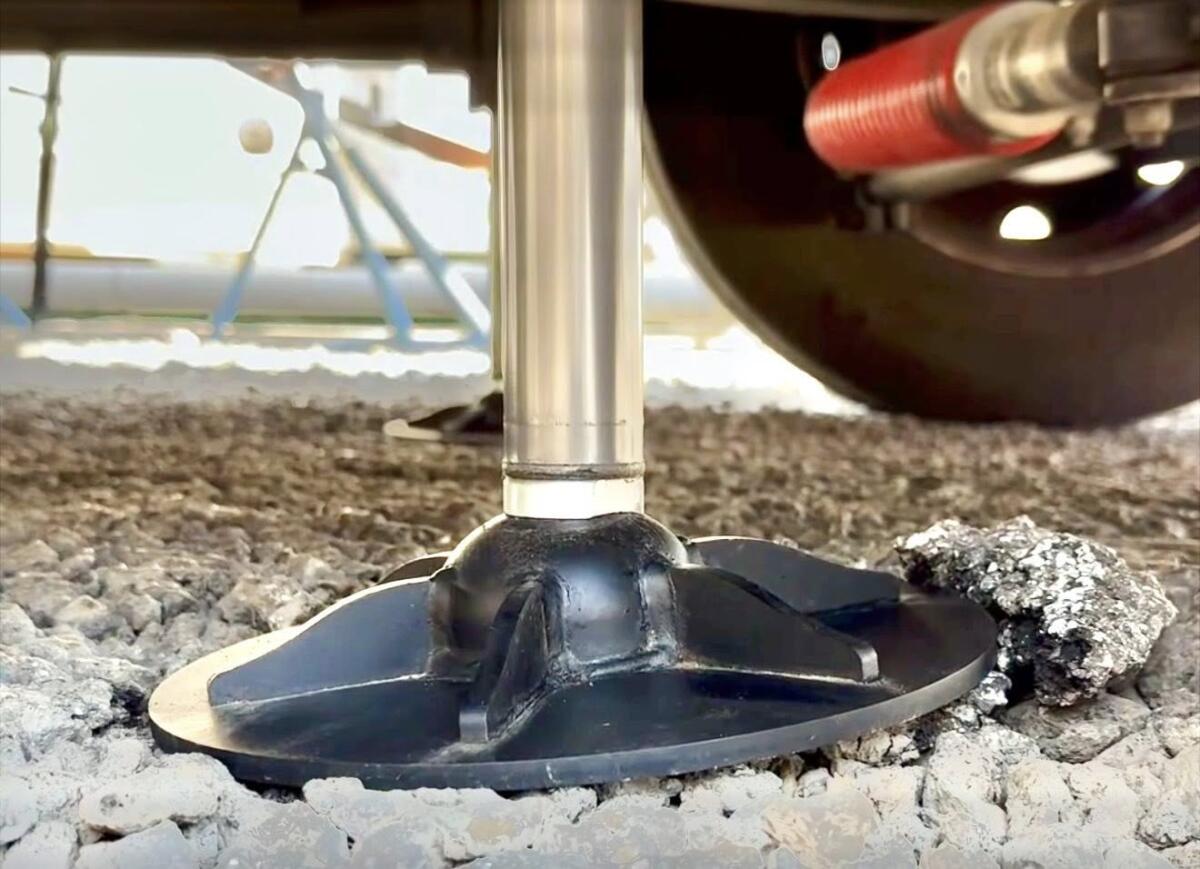
One of the biggest innovations is the articulating ankle design, which allows the pad to flex up to 10 degrees in any direction. That means it automatically adjusts to uneven surfaces, distributing the load more evenly and reducing the risk of:
• Jack twisting or leaning
• Pad warping
• Hydraulic stress
• Sinking into soft ground
This design offers a level of shock absorption and terrain adaptation you simply won’t find in standard pads.
Built for the systems you already have
RVpaws is compatible with most major leveling systems, including:
• Lippert Ground Control 3.0
• Lippert Venture
• Atwood
• Stromberg Carlson Landing Gear Systems
• And, yes, even the new Lippert Titan system has a solution available.
Protection meets peace of mind
RVpaws doesn’t just protect your leveling system—it also enhances your entire RV experience. Whether you’re parked on a gravel pull-out, a grassy campsite, or a concrete pad, RVpaws helps your rig sit more securely and level out faster.
Better footing means less stress on your jacks, fewer repairs, and more time enjoying your trip.
Now’s the time to upgrade
Ready to protect your fifth wheel with confidence? Visit www.rv-paws.com to explore their lineup and order today. Also available on Amazon.
Don’t let flimsy foot pads hold your RV back. Strengthen your foundation with RVpaws and hit the road with confidence.
More from Dustin
Make sure you check out my website, California RV Specialists, and our YouTube channel for more helpful information, and see our published articles on RVtravel.com and other social media pages.
RELATED
- Avoid accidents: Is your RV jack stand right for your rig?
- Don’t use a jack to change your tire; do this instead
- Don’t ignore the danger—A slipping trailer jack foot could ruin your trip
- Know Your RV: Take care of your stabilizer jacks
RVDT2735


The pads in the pictures look like snags or collision damage a lot more than they look bent by mere leveling weight.
Admittedly, the thinner foot plates might yield to uneven surfaces but I don’t think bolting on thicker plates is the answer.
The thing that keeps the piston and rod inside the leveler from scraping the non-moving parts are the seals. These pliable o-rings maintain alignment and they do not like to be side-loaded. That said, if the foot pad doesn’t yield to the contour or the RV is jacked up on a slope, it could put side load on the seals which will create internal or external leakage.
TLDR: Stack pads – The less rod extended, the better stability and seal life.
Agreed. I clear the spot where contact will be made with the ground, then use interlocking stackable pads with a fitted smooth top pad to eliminate hydraulic extension as much as possible. This minimizes both the lift necessary to reach level and the stress on the jacks themselves.
Pay attention. If you have hydraulics like the first photo above, then, what I found, the foot pad is held on by one bolt through the bottom of the foot pad. I lost a foot pad somewhere along a highway this summer. I surely hope it slid off to the ditch and didn’t hurt anyone. So, when your foot pads are raised, get a socket and make sure the bolts are tight. You can put Thread Locker on the threads for just $6.00. See https://amzn.to/4nvbhXT
I park in meadows in the mountains with a 30k lbs rig – soft ground kept taco’ing my foot pads. Added the RV-Paws (12″ replacing my 9″ Equilizers) and no more taco’d feet.
Thank you for the product information, Dustin! Have a great week and safe travels!
Thank you SIr!