

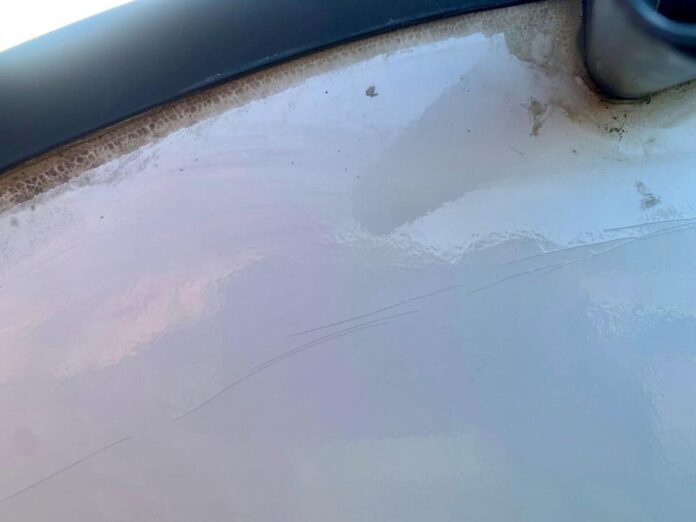
As an RV owner, few things are more unsettling than discovering cracks in your side wall—especially near the front cap of your unit. These cracks may appear small at first, but they often point to much bigger structural issues hiding beneath the surface.
At California RV Specialists, we’ve seen this issue time and time again, and we’re here to help you understand why it happens and what you can do about it.
Why do side wall cracks happen?
Cracks near the front cap aren’t just cosmetic—they’re usually the result of structural stress and fatigue over time. Here’s what typically causes them:
1. Structural stress and flexing
Your RV isn’t a solid block of steel—it’s a flexible body mounted on a moving frame. That means certain driving situations can apply enormous stress to the walls and framing.
• Tight maneuvering
Navigating through cramped RV parks or making tight turns in gas stations and parking lots can twist your frame and flex your side walls. That constant movement, especially at the front corners, puts stress right where the side wall meets the front cap.
• Unlevel terrain
Driving off curbs, across ditches, or on uneven surfaces can torque the frame. This off-balance movement forces the wall and cap to shift unnaturally, often leading to small cracks that grow over time.
• Hard jack-knifing
A sharp jack-knife movement while towing can deliver a sudden jolt of pressure on the side wall near the front cap—one of the most common causes we see for structural cracks.
2. Material fatigue
Even if you’re careful, repeated stress over time can weaken the structural materials. The fiberglass, adhesives, and framing elements begin to lose strength, making them more prone to cracking. It’s not always a single event—sometimes it’s years of little movements that lead to that first visible fracture.
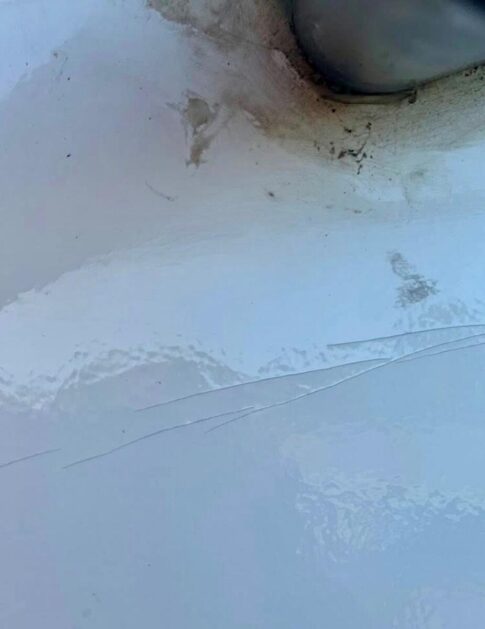
What you should do
1. Schedule a professional inspection
Before attempting any repair, take your RV to a qualified technician. A trained eye can determine whether the cracking is just surface-level or if there’s deeper frame separation or hidden structural damage involved. Early detection can prevent the problem from becoming more expensive down the line.
2. Consider filing an insurance claim
If the cracking happened due to a specific incident—like a hard turn, sharp dip, or sudden jack-knife—you may be eligible for insurance coverage. Document everything, take photos of the damage, note any roads or maneuvers that may have caused the issue, and call your provider. This kind of damage could fall under collision or comprehensive coverage, depending on your policy.
3. Take preventive measures going forward
• Drive defensively: Avoid tight turns, uneven terrain, and fast transitions that could stress the frame.
• Keep it level: When parking or setting up, use your leveling system properly to avoid unwanted torque on the body.
• Inspect regularly: Keep an eye on front cap seams, corner moldings, and joint lines during every trip. Catching cracks early is key.
Don’t ignore the signs
A crack near the front cap might seem minor, but it can be the first clue of a more serious structural concern. The good news? With a bit of attention and the right professional help, most issues can be repaired—and are often covered by insurance.
At California RV Specialists, we help RVers just like you assess and repair structural cracking every day. Whether it’s caused by flex, fatigue, or frame issues, we’re here to get you safely back on the road.
More from Dustin
Make sure you check out my website, California RV Specialists, and our YouTube channel for more helpful information, and see our published articles on RVtravel.com and other social media pages.
RELATED
- Warning: Cracked I-beams significantly affect RV safety
- Ways you can prevent RV fender skirt cracks
- Why fifth wheel frames crack, and how to prevent it
- Foam gap filler is a quick fix for cracks and holes in the RV
RVDT2710

Thanks Dustin for the education on flexing and things to look out for. I’ve had some problems with vibration in my Cl A; the tire co. says it isn’t the tires. I suspect they twisted something when exiting the parking lot to a lower street, accelerated and turned it sharply at the same time – flexing something! (They drove it to an alignment shop).