


Dear Dave,
On the side next to the genset in my RV, a cubby always fills with water after a rain. I have looked and looked, but am not having any luck finding it. Thanks for any suggestions. —Pete, Lake Placid, FL, 2016 Coachmen Freelander
Dear Pete,
You did not give the model number or floorplan, so there are several variables as your Freelander was available in sizes ranging from 21’ to 29’. Most of the photos I could find on RV Trader showed the generator on the driver side directly behind the cab door, so I will assume that is the location. It also looks like the compartments are all made of a rotocast plastic, rather than a square bin. So there don’t seem to be any seams or corners that could leak from the compartment itself. This has been an issue with square compartments that are made of folded metal that is spot welded or the ones made of a sidewall material. The seams loosen and driving in the rain can force moisture inside the compartment.
Where to look for water leak
It does look like the compartment door is cut out of the sidewall rather than beltline doors. So the first thing I would look at is the bulb seal that surrounds the lip inside the opening. Make sure it is all secure and not torn anywhere. If there is a driving rain on the sidewall, it will run down and seep into the upper hinges and then into the compartment.
Also check the latches to make sure they are adjusted to get a good tight seal. The Z-shaped latches can bend over time and not create a tight seal, which would allow moisture to penetrate. They can be easily bent back to adjust them. I have also placed an additional piece of rubber molding at the top of the compartment inside along the hinge, which helped.
How to look inside the compartment
The challenge in finding the leak is not being able to be inside the compartment to leak test. You can get an endoscope and light like this one on Amazon.
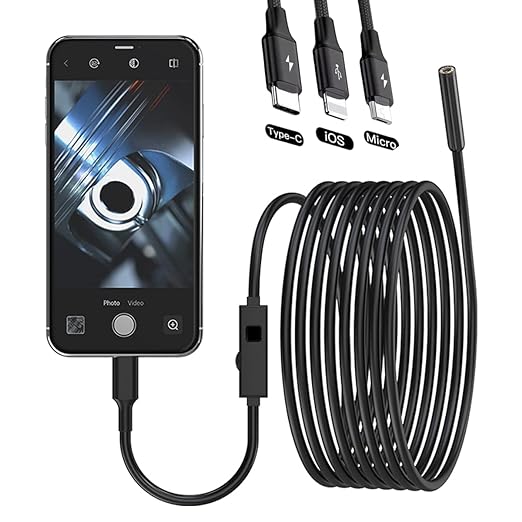
It comes with three different plugs so it fits most phones. This has a built-in light so you can place the camera inside the compartment and shut the door. It also has a semi-rigid cable so you can position it wherever you see moisture. Identify the spot that is getting wet, place the camera far enough back to see most of the area, shut the door with the cable coming out to your phone, and start watering the side of the rig with a garden hose.
Check the window
Another spot that might be an issue is a window, if there is one located directly above the compartment. A window leak can flow down the inside of the wall and come into the compartment. If the compartment does not leak when watering down the sidewall, move the hose up to the window and see if water comes in from the top of the compartment.
Some of the larger models I found on the internet have a slide room directly above the compartment, which can also be an issue.
If you cannot find a leak with these methods, inspect the entire perimeter of the rotocast plastic bin. If it is fastened around the perimeter of the outriggers, driving in the rain can force moisture up through any opening in that.
You might also enjoy this from Dave
My RV’s window leaks. Can I fix it with silicone?
Dear Dave,
My RV’s window is leaking rain water. Can I fix it with silicone? The gasket is not that old. I bought the RV two years ago, used, and I think they put it on. —Debbie, 2005 Coachmen Freelander Class C
Dave Solberg is a leading expert in the RV industry and the author of the “RV Handbook.”
Read more from Dave here.
HAVE A QUESTION FOR DAVE?
Send your inquiries to him using the form below.
##RVDTxxxx

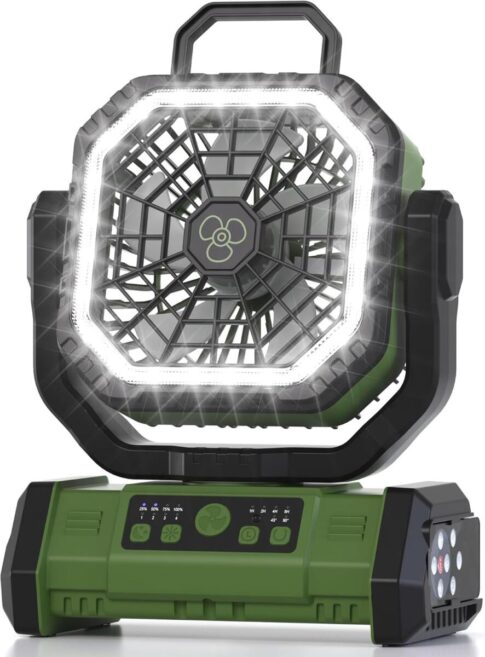
If you have a bin type compartment, add a plastic platform to elevate the contents out of the possible water intrusion. Place everything in there in waterproof containers.
Need more articles like this.
Thank you, Dave! So many things, so much to know! 🤔😯 Thank you for sharing your knowledge so freely! 🙂
Set a smoke bomb off inside, close door and look for smoke.
We had the same problem. We found the leak was at the hinges at the top of the storage compartment door. We solved the issue using a stick on drip rail through Amazon.
Trim-Lok Drip Rail, Black – 1/2” Height, 25’ Length – PVC Plastic Rain Gutter for Cars, Vans, and RVs, Easy to Install Flexible Drip Rail Molding to Control Water Runoff, Durable 3M Tape Included
Just be sure to clean the area well before trying to stick it on and take your time. You get one shot as it didn’t stick well if we tried to pull it up and stick it down again. But the storage compartment is now dry.
I found my plastic roto cast compartments pulling away from the outside wall where attached allowing some water entry kicked up by the rear tires. The pulling or deflection appeared to be due to the plastic its self, tending to curl inward, possibly due to the manufacturing process not keeping the outside edge straight when cooling and the load carried in the compartment also supported by the fasteners holding the plastic box to the outside wall. I tightened the existing screws as all were holding and added more to create a closer seal to the outside wall and resealed over the existing RTV silicone that appeared to be applied during manufacture.