

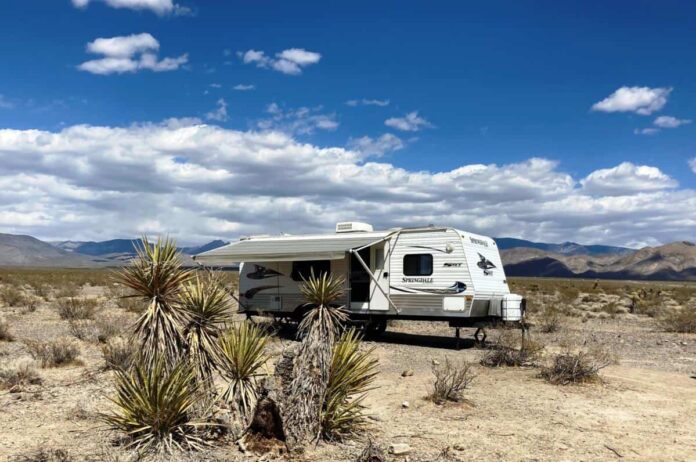
For many RVers, especially boondockers and snowbirds who depend on public land across the West, the latest fight over Bureau of Land Management policy may sound like inside-the-Beltway political noise. But this one could eventually touch something much more personal: where people camp, how public land gets managed, and who gets priority when competing interests collide.
The Department of the Interior has rescinded a controversial Biden-era BLM rule that formally elevated conservation and restoration as recognized “uses” of federal public lands. Supporters of the rollback say it restores the agency’s traditional “multiple use” mission. Critics warn it could weaken protections for habitat and fragile landscapes.
For RVers, though, the practical question is much simpler: Could this eventually affect camping access, dispersed camping rules, road closures, or how public lands are managed?
The answer is complicated—and probably won’t become clear overnight.
What the rule tried to do
The Biden administration’s Public Lands Rule tried to give conservation and land restoration a stronger seat at the table alongside other traditional uses of BLM land, including grazing, mining, drilling, recreation, and energy development. Supporters argued that many public lands were already under growing strain from wildfire damage, drought, heavy visitor use, and years of environmental wear and tear. In their view, the BLM needed stronger authority to restore damaged areas before the problems got worse.
Critics, however, argued the rule created uncertainty and could gradually shift federal lands away from public access and traditional uses. Western lawmakers, grazing groups, mining interests, and some recreation advocates claimed the policy gave conservation groups too much influence over land management decisions.
The Trump administration says rescinding the rule restores the BLM’s original multiple-use mission.
Why RVers are paying attention
Many RVers have mixed feelings about this debate, and that may be why the issue is drawing so much attention in camping circles.
On one hand, public lands are the backbone of dispersed camping throughout much of the West. Millions of RVers depend on BLM land for affordable camping, especially in places like Quartzsite, southern Utah, Nevada, New Mexico, and large sections of Arizona.
On the other hand, longtime public land users have watched increasing restrictions appear in some popular camping areas over the past decade. Seasonal closures, stay limits, hardened campsites, permit systems, fire restrictions, and camping bans have all expanded in certain high-pressure recreation areas.
Some RVers worry conservation-based policies could eventually lead to more camping restrictions, additional road closures, fewer dispersed camping opportunities, expanded permit systems, and larger habitat protection zones in areas that already feel increasingly regulated.
Others argue the opposite problem already exists: too much damage from overuse.
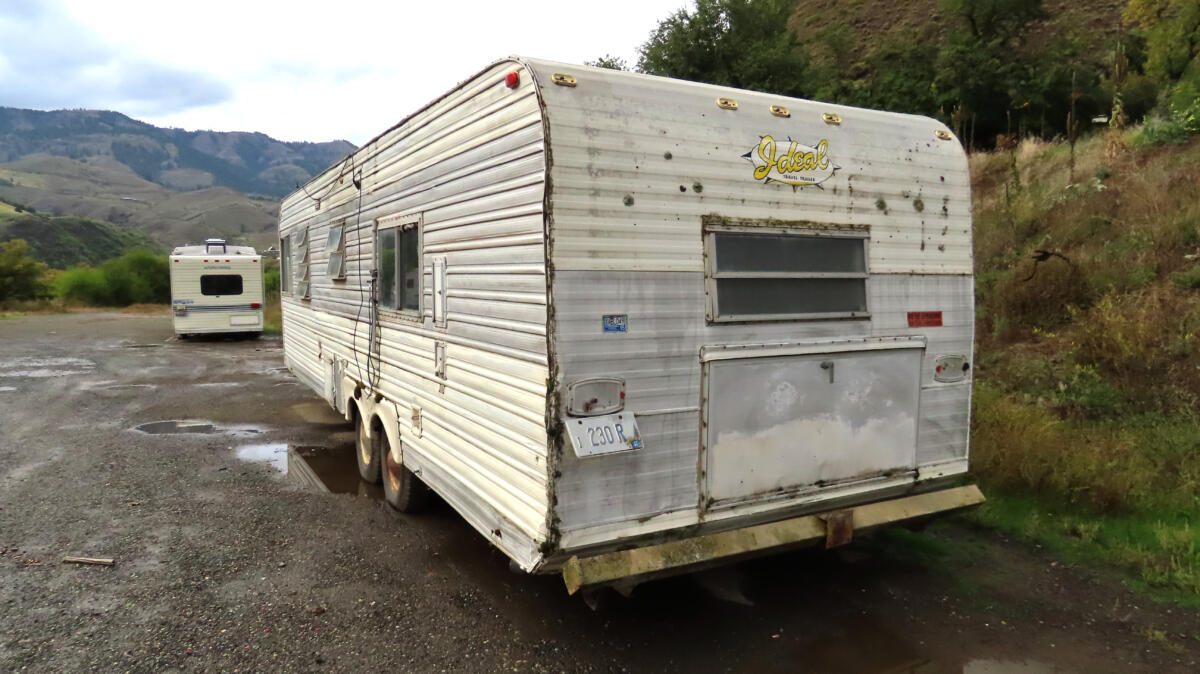
Illegal dumping, abandoned RVs, human waste problems, wildfire concerns, and uncontrolled off-road travel have all created growing headaches in some heavily used camping areas. Even many RVers who dislike new restrictions admit certain public lands are starting to show the strain. Supporters of the old rule argued the BLM needed more flexibility to restore damaged areas before conditions got worse.
That tension has become increasingly visible in popular snowbird regions across the Southwest, where explosive growth in dispersed camping has sometimes collided with environmental concerns and local frustration.
The bigger issue may still be overcrowding
Even supporters and critics of the old rule agree on one thing: Public lands are under growing strain.
The pandemic camping boom changed the feel of a lot of Western public lands almost overnight. Some dispersed camping areas that used to have plenty of elbow room now look more like temporary RV towns during busy parts of the season.
That’s put local managers in a tough spot. They’re trying to keep areas open and usable without letting them get overwhelmed. In many cases, the restrictions RVers see today have less to do with politics in Washington and more to do with overcrowding, wildfire worries, trash problems, sanitation complaints, and damaged land.
In other words, rescinding this rule doesn’t automatically mean more places to camp tomorrow. Nor does it necessarily mean fewer restrictions.
Any changes RVers actually notice would probably happen gradually through things like road closures, camping limits, seasonal restrictions, or updated local management plans. In the real world, those on-the-ground decisions usually shape the camping experience a lot more than whatever politicians in Washington happen to be arguing about that week.
Why “multiple use” matters
At the center of the fight is a deceptively simple phrase: multiple use.
Under federal law, BLM lands are supposed to serve many competing purposes simultaneously. That includes recreation, grazing, mining, conservation, wildlife habitat, energy production, timber, and public access.
The disagreement is really about balance.
Supporters of the rollback argue conservation should remain one consideration among many—not elevated above the others. Supporters of the original rule argued conservation had historically been treated as secondary, despite worsening wildfire conditions, drought, invasive species problems, and habitat degradation.
In the end, what RVers actually see out on public land will probably depend on who’s in charge down the road and how local managers handle the growing pressure on popular camping areas.
What RVers should watch next
The rollback itself probably won’t create any immediate changes for most RVers this camping season. But folks who rely heavily on public lands should still pay attention to road closures, camping restrictions, wildfire projects, seasonal shutdowns, and other local changes that can subtly reshape popular camping areas over time.
Those decisions often shape the actual camping experience far more than the political headlines do.
And regardless of which administration is in power, one reality is becoming harder to ignore: America’s public lands are seeing more visitors, more competing demands, and more pressure than they did even a decade ago.
For RVers who value the freedom of public land camping, that larger trend may matter more than any single policy reversal.
Sources:
Deseret News coverage of the rollback
BLM information on multiple use management
The Wilderness Society reaction to the rollback
RELATED
- BLM camping: Good news now, but massive fee hike looms
- BLM identifies 6 million acres that could be sold—map shows where
- Public lands sales overruled — for now
- RV industry says hands off public lands. RVers camp here, not in condos
- Public lands spared from sale in last-minute budget deal
- Want to RV on BLM lands? Download free maps for your device today
RVT1261b

Go figure! One bad apple spoils it for everyone.
Many bad apples!
Whether it’s squatters, miners, ranchers or environmentalists, they all think their right to exclusive access to the land supersedes above all others. This debate has been raging for decades and for decades, the land has been exploited by those with the best lobbyists. It’s always fun when someone tries to tell you you’re trespassing on “their” public land.
Russ,
what the critics will rarely mention is what the “conservation” would achieve by leasing the land to conservation groups who would then have control over OUR public land. Glad to see this get rescinded.
I agree public land covers a lot of different things and groups not just one group
Personally I like having small dispersed campgrounds because too many people cannot police their own behaviors(dumping trash etc. of course campers sometimes get the blame when it’s locals of the area).
It’s called strict laws and law enforcement. As it is, there is little to nothing done to police these areas when we have the means and the technology to do so. But no one wants to pay for it. They’d rather have their money given to homeless crack addicts than to law abiding citizens. Homeless encampments on public land are treated as a protected class who gets a pass. Vagrants, drug users, and other criminals get passes from Left wing judges because of nebulous “systemic injustices”. The problem the weak society no longer has the balls to enforce the laws that we should all live by. Instead, those of us who do the right thing are punished by those who don’t.
We have camped on dispersed camping a few times in AZ. Kaibab NF & Quartzsite LTVA.
Kaibab was sublime, with clean spots and great campers in the mid 90s. Quartzsite, in 2024 was okay, but the trash piled up by the dumpsters was shameful.
I surely wish more modern campers would have more respect for the land, that us older folks generally have. Yikes! I sound like my parents now!
What do you expect from people who’ve grown up with an entitlementality? You think EBT recipients are breeding thoughtful citizens? The very “conservationist” mindset is the very same one that allows this festering in our society that abuses everything they touch because they believe they are owed something, and self-responsibility is out the window.
If people would follow leave no trace camping we would not have this issue. Greed and corporate control are other issues. Everyone be safe and leave no trace.