

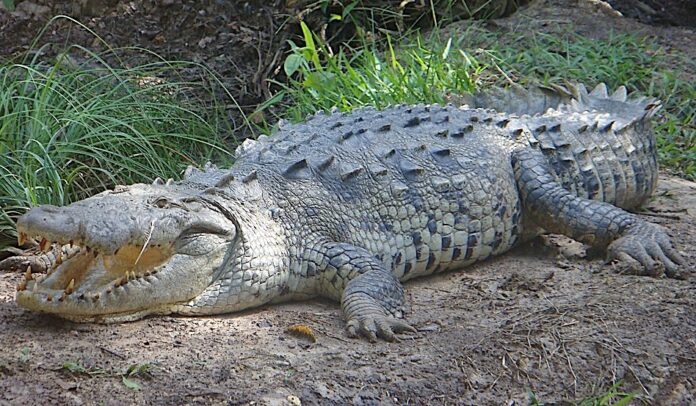
If you live or have traveled in the American Southeast, you have likely come upon a wild alligator. For anyone not familiar with the reptiles, seeing one in the wild can be startling, even scary. Most people, we suspect, think the prehistoric-looking creatures are dumb as a rock. But, surprise? It’s not so.
Alligators are surprisingly smart and highly adaptable with intelligence comparable to a bright dog or small puppy. Despite their primitive brain structure, they are capable of complex social behavior, tool use and long-term memory.
The vast majority of wild American alligators live in the Southeastern United States, about 1.3 million in Florida alone. Their range extends from Eastern Texas across the Gulf Coast and up the Atlantic Coast to Southeastern North Carolina.
After nearly disappearing because of unregulated hunting, the American alligator was protected in the 1960s and 1970s. Today, it is one of North America’s greatest wildlife recovery success stories with an estimated 5 million or more alligators living in the Southeastern United States.
Learning and trainability: Once underestimated, alligators have shown they can learn through training. They can recognize their names, come when called by familiar handlers, and respond to visual cues, hand signals and specific sounds, such as a triple clap, to enter a kennel or move into the water.
Hunting tactics and tool use: Alligators are patient, strategic hunters. They are among the few reptiles known to use tools, balancing sticks on their snouts during nesting season to lure birds gathering nesting material. Alligators also cooperate to herd fish into shallow water and remember food sources, migration routes and seasonal changes. They even anticipate freezing conditions, positioning their noses above the ice while brumating (state of dormancy).
Communication: Alligators use a wide range of vocalizations, from booming mating calls to distress calls from hatchlings. These sounds help them communicate, respond to their surroundings and warn other alligators.
And, as far as a human becoming lunch for a hungry alligator, don’t worry. In the United States it’s estimated that only about one person a year is killed by an alligator. As far as being eaten by a gator, it almost never happens. Maybe we don’t taste good!
RELATED
- Spring encounters turn dangerous as wildlife moms protect young
- Get ready to smile! The 2025 Comedy Wildlife Awards are here
- Bison safety: If a bison does this… RUN!
- Another Yellowstone tourist gored by bison
- Humorous public safety video laughs at ‘tourons’
- Strange wildlife sightings happening across national parks
- Don’t approach these cute little fellows. They’d like to eat you!
