


By Dave Solberg
Dear Dave,
My RV has a “central air”-type system with only one 15000 BTU Coleman Mach unit doing the cooling for the entire RV. It appears that the unit is nowhere near big enough to cool the RV. Where I live is in way south Texas, where the temp is already pushing 100 degrees with a heat index of 115 plus. In the afternoon the temp in the RV gets well above 80 degrees. Very little air is coming out of the ducts. I had the unit cleaned this spring. Is there a way to increase air flowing out? Would changing it from a central unit to a single air outlet help? Can I increase the airflow by adding a larger fan? —Chris, 1996 38-foot Travel Supreme
Dear Chris,
This is a common issue with older roof air conditioners and a topic that we have discussed earlier. However, there are a couple of additional things you can check and do to make your roof air conditioner run more efficiently.
How an air conditioner works
As always, we first need to realize what the air conditioner is designed to do and what it cannot do. When the thermostat calls for cooler air, the fan motor starts and the compressors compress the coolant. The interior air is drawn up through the air return in the ceiling of your rig, pulled through the evaporator coils which have the hot compressed coolant running through copper tubes which pulls out moisture and heat, then the “conditioned” air is blown back down the main interior vent, or in your case, through the ductwork.

Each “cycle” of air takes about 30 minutes and can only condition the air down about 16-20 degrees. So you need to determine what the ambient temperature is going into the return air. This can be done with an anemometer, that you can get on Amazon here.
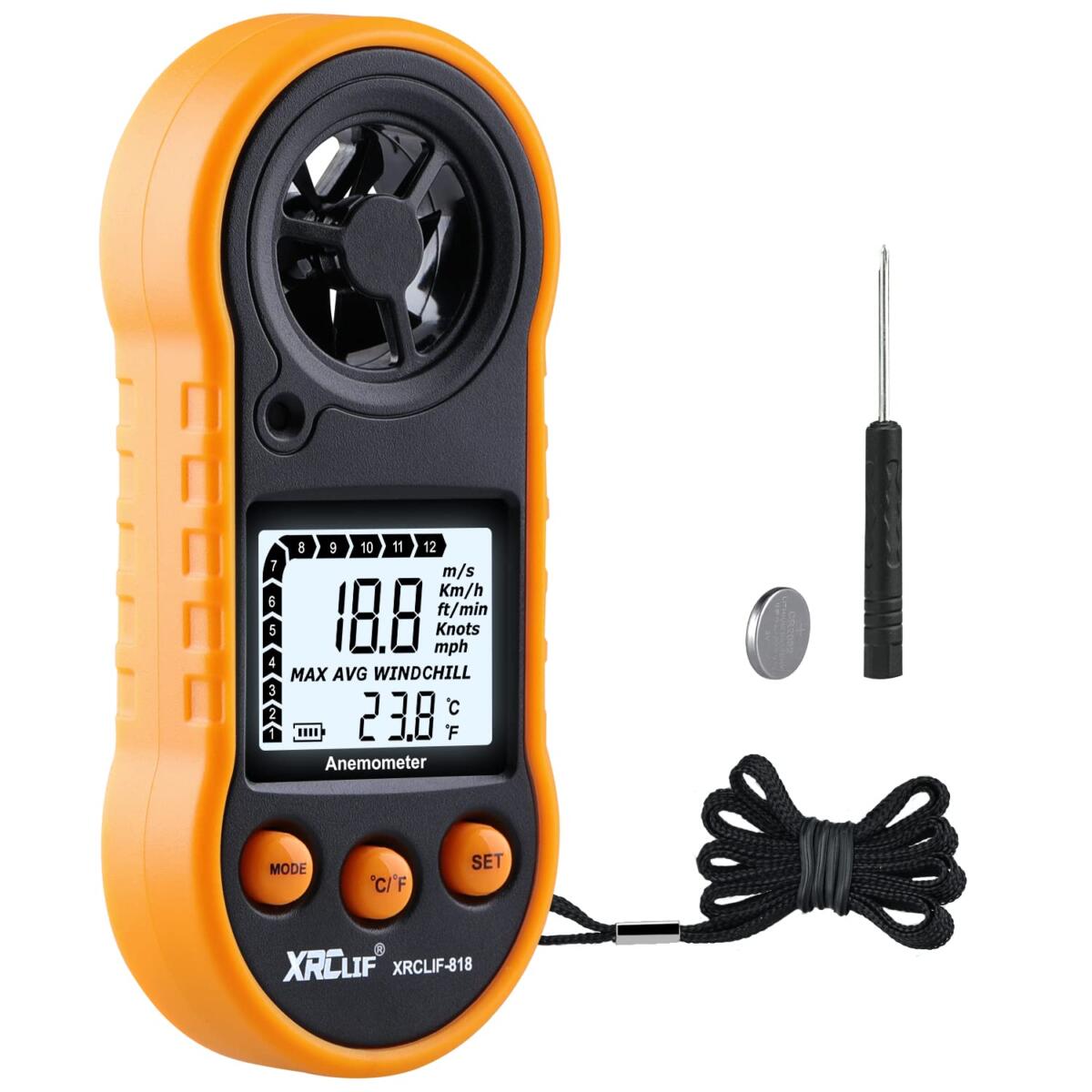
This will help identify what temperature is going into the return air and what temperature is going out. This will tell you if the air conditioner is actually working as designed and cooling at least 16 degrees. If not, we need to look at other issues.
Measure the air flow
The next step is to measure the air flow coming out of the closest vent, which should be somewhere around 300-350 CFM. If it is lower than that, you may have low voltage at the air conditioner. You would need to measure that with a multimeter. It could also mean the return air filter is dirty and restricting air flow coming in, which can usually be cleaned or replaced. Another issue could be the evaporator coil could be bent or clogged, again restricting airflow. Or it may be a weak motor or broken squirrel cage.
One of the biggest issues I have found with older units is the poor design of the conditioned air cavity, where the air comes out of the evaporator coil and directed either down or back to the ductwork. Typically this is a square, boxed area with “pockets” that trap air and just basically recirculate it inside the air conditioner. Also, if you have a diverter and it is not installed properly, it will actually allow the conditioned air to go back to the return air side. Then it just keeps recirculating and not actually drawing any warm, moist air in from the inside and little conditioned air to the ductwork.
Take off the return air cover and look at the cavity. If you see gaps, exposed metal, and a thin piece of duct tape on the diverter, you can do some customizing to improve the airflow.

This is the return air of a 2016 Thor we worked on. Notice all the exposed metal, some even starting to rust from condensation. The diverter has gaps on the sides, which means conditioned air can escape back to the return air, and the entrance to the ductwork has several sharp edges and side metal. This was all improved with some HVAC foil tape and a little curved foam on the sharp edges.
RV Airflow System
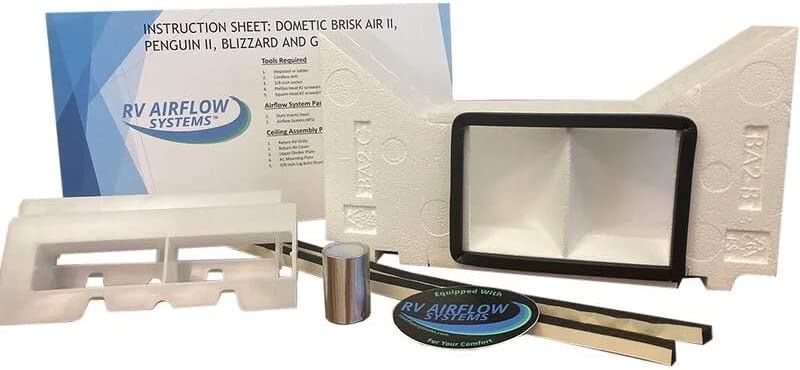
Another product that has been very effective is RV Airflow System™, which is a customized insert that improves airflow and reduces air pockets. You can find the one for a Coleman Mach here, or for other brands of air conditioners here.
More tips to help keep RV cooler
There are a few other things you can do to help keep the unit cooler.
Get the air inside your rig circulating with roof vents and portable fans. Hot air rises and the return air will take in the hottest air if you don’t circulate it.
Limit the amount of moisture you put in the air with cooking, washing, and wet clothes.
Insulate windows with heavy curtains or Reflectix.
Add a roof coating that will help insulate the roof. Some claim to reduce temperatures by more than 10%.
You might also enjoy this from Dave
It’s 89 out and my RV’s air conditioner only “cools” it to 86. Help!
Dear Dave,
My air conditioner is working and blowing cold air but can’t keep up with outside temperatures. Both compressors seem to be working. I just had the Freon checked and that’s good. We are camping now, and the outside temperature got to 89 and the thermostat in the camper said 86. The unit didn’t turn off all day until about 10:00 at night, when the outside temperature dropped. I’ve also changed filters and cleaned the condenser. Any suggestions? —Tim, 2006 Winnebago Adventurer 37
MORE FROM DAVE REGARDING RV AIR CONDITIONERS
- Help! My RV air conditioner sounds like a ‘dying cow’
- What to use to power RV roof air conditioner when dry camping
- Why does air conditioner ‘cycle’ several times before staying on?
- When using generator, why does RV roof air conditioner drain house batteries?
- Can we test RV roof air conditioner with 110-volt outlet?
Dave Solberg is a leading expert in the RV industry and the author of the “RV Handbook.”
Read more from Dave here.
HAVE A QUESTION FOR DAVE?
Send your inquiries to him using the form below.
##RVDT2661

Also be sure to periodically clean the condenser coils on top of the unit. You can buy single purpose foams (spray can) to spray on the coils, wait a few minutes, and rinse. You will probably have to remove the top fiberglass cover of the unit to get to the coils. Keeping the coils clean will make a big difference on how well the unit performs.
Thank you for the information and illustration, Dave! Have a great week and safe travels!
All well and good but in addition….