

By Nanci Dixon
We stopped for the night at an RV park without a water hookup, and when I went to turn on the water heater I noticed that our fresh water tank was empty. My husband then commented that water was dripping from our fresh water hose. Seems that our water pump had pumped all 100 gallons out of the fresh water tank while we were driving. I can only imagine what other drivers thought was coming out of the RV!
I immediately went on an RV Facebook group and mentioned our dilemma. At least 50 people responded that the water check valve went bad. I had no idea what or where that was. I do now—and I have a spare!
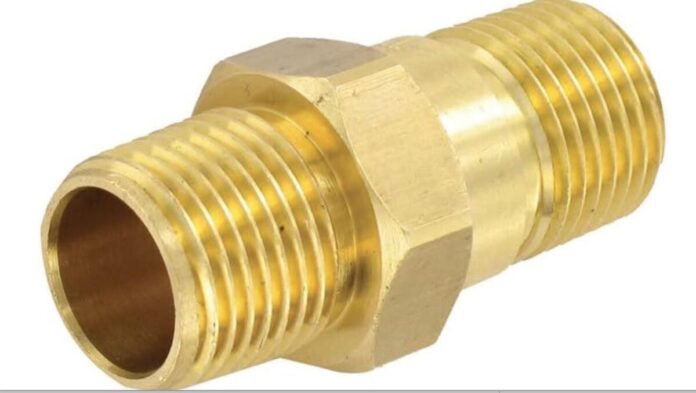
What is a water check valve?
A water check valve prevents backflow. Apparently, when ours went bad it wasn’t closing properly, either, so I was glad I had turned the electric water heater off when we packed up and hadn’t burned out the elements.
Now it is standard practice when leaving. We also only turn on the water pump when using it instead of leaving it on when traveling.
We thought there was also a water leak somewhere as the water bay kept getting wet. Turns out the bad water check valve was just letting the remaining water out of the system even without the pump on as we bounced down the road.
So, until we hooked up to city water, we camped for the night with no available water in the tank, and we began using our gallons of bottled, purified spring water. I had a new appreciation for the old saying, “Flushing money down the toilet.”
Have a water check valve in your RV and want a spare? They are available at camping supply stores, local hardware stores, or, of course, on Amazon.
RELATED
- Using a flush valve prop makes cleaning your tanks easy
- In defense of the RV shut-off valve: A $15 plumbing mod you shouldn’t live without
- Leaking water heater pressure relief valve? This tool will help
- What is a vacuum breaker check valve and why do I need it?
##RVDT2623
Where is it located? Would be a great help.
That’s what I was wondering. 🤔
Assuming it is on the city water fill line. Location would vary depending on the type of city fill on the RV.
On most TT’s it is at the fill port on the side.
If it has a retractable hose, it would be where hose feeds the RV water system, normally right after the pump.
BTW, this should not drain the water heater since the heater is down line from the source water.
Never leave the water heater on while driving.
You didn’t tell us where the water check valve is located?
It’s built into the water pump itself. A Valtera check valve can be placed after the pump and inline with what the pump supplies. This only prevents city water back fill into the fresh water tank. To prevent fresh water tank drain, you would need a valve on the overflow hose under the fresh water tank if the siphon effect is draining your freshwater tank. Also not leaving the water pump on if there is some sort of leak in your system and/or the pump draining the fresh water into you holding tanks (seems unlikely).
You are correct Alan except for the comment “To prevent fresh water tank drain, you would need a valve on the overflow hose under the fresh water tank if the siphon effect is draining your freshwater tank.”. This is a story I have heard before and is not possible. An overflow vent is located at the very top of the tank and if a siphon was to start somehow it would stop as soon as the water level went below the top of the tank, so it could never empty the tank.
Well, it would drain some of it off for sure. I’ve had it happen. I didn’t wait to see how far it would go though.
Given RV quality, the overflow could extend well down into the tank and allow quite a lot of water to siphon out.
There is something very wrong with this conclusion. The check valve in the water pump only prevents flow into the tank and they do fail often. On my coach there are two other check valves and they are both on the city water/tank fill selector valve. One prevents flow from the tank out the city water connection (unlikely) and the other prevents flow out this connection from the pressurized side of the system and is the only place that water could be pumped out of the system. So I believe this is where this problem check valve was located.
My check valve also malfunctioned at the city water inlet/fill connection which allowed my fresh water tank to drain as I traveled down the road. I just bought a short brass elbow with a built in ball valve and screwed it onto the water inlet. Anytime I’m not connected or use the water pump, I manually close the ball valve and never have to worry about a backflow leak. No more bend in the hose when connected too.
Thank you for relating your story, Nanci! I bought a replacement several months ago after reading a similar story. Unfortunately, so much time passed that I forgot what it was. 🙁 Now I know, and I will label it for future reference. Have a great week and safe travels.
I don’t understand why the failure of the check valve caused the problem. They left the pump on so if the check valve wasn’t working, wouldn’t the water wind up in the gray tank? What is the fresh water hose? My RV has a fitting to input fresh water, not a hose!
You will also generally find a check valve on the back of your water heater. Ours recently went bad and it all but shut down the hot water. A cheap part but a real booger to get to and change out on our 2014 Tiffin Phaeton motorhome.
Check valves usually don’t fail easily, some sort of debris traveling through it or build up of materials would cause it to fail. The mineral deposits from the water can and will build up over time and clog the entry way and also inhibit the spring action within the valve not allowing the ball or sealing mechanism to seat properly closing off the flow. Use of a filter ahead of the water fill port would help…