


Some U.S. cities couldn’t be less friendly to RVers if they posted “No Motorhomes Allowed” signs at the city limits. In fact, several places routinely show up on lists of the least RV-friendly cities in America. Tight streets, parking bans, and sky-high campground fees make some destinations nearly impossible for RVers to enjoy—or even visit without a headache. You can thank Paul Stadden in Jalopnik for his take on these “must-not-see” locales.
When RVs aren’t welcome: Least-friendly RV cities
RVers face plenty of roadblocks in these spots. Local laws may limit how long you can park. Weather can swing from miserable to downright dangerous. Roads might twist, narrow, or drop off at angles that make your tires sweat. Some destinations overcharge for every inch of space, while others leave you wondering if your rig will still be there in the morning.
Add to that the joy of finding an “RV park” with no working hookups, a dump station that looks condemned, or a fuel stop 100 miles away. Now you have the recipe for a rough trip.
This list isn’t complete—far from it. You may have your own “never again” stories. But these cities and states have earned a reputation for being some of the least-RV-friendly places in the country.
New York City: Tight spaces, tall tolls
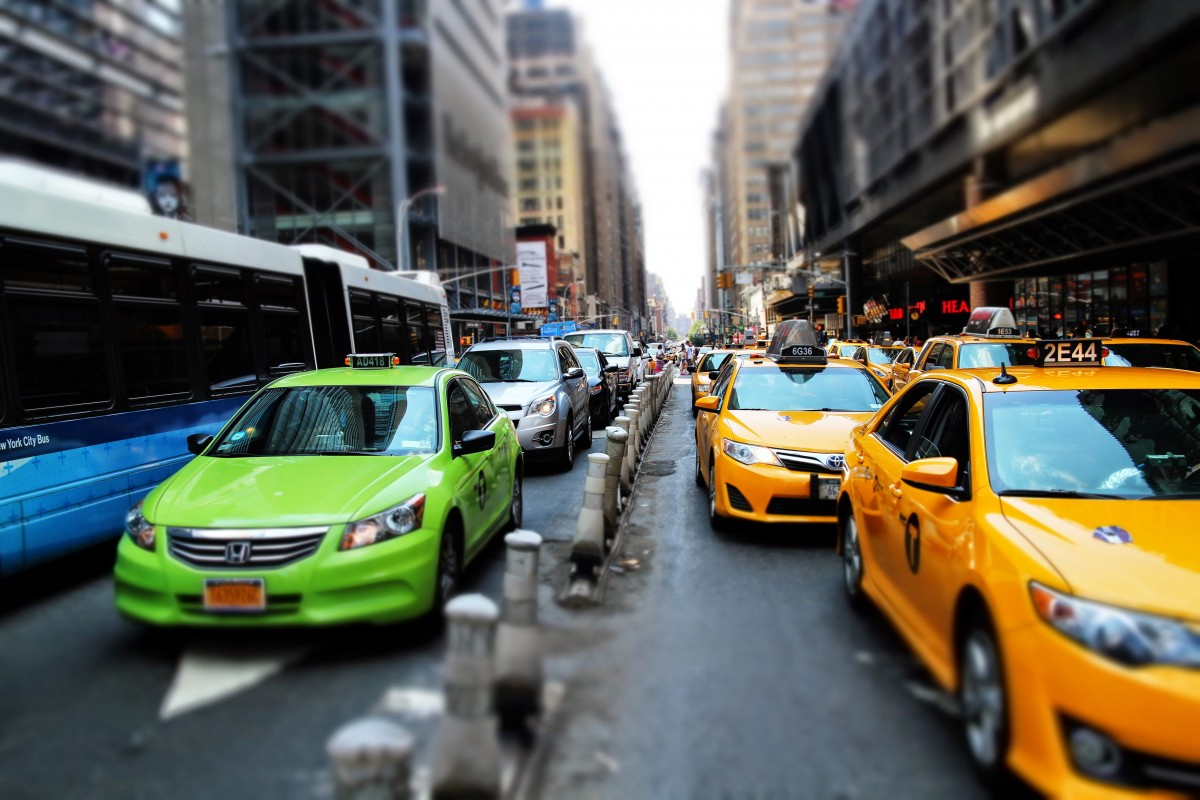 New York tops nearly every list of least-RV-friendly cities—and for good reason. Between clogged streets, low-clearance bridges, and tolls that’ll make your wallet cry, you’ll spend more time watching your mirrors than seeing the sights.
A YouTube couple from Wandering Routes once filmed their 12-foot 8-inch rig threading under a 12-foot 10-inch bridge. That’s cutting it too close for comfort. And, yes, New York police really can ticket you for honking unnecessarily. Although some may tell you the urge to honk in the Big Apple is seedy, to say the least.
If you manage to park, you have 24 hours before the city tells you to move along. Skyline RV Camp in Brooklyn charges about $85 a night—without water hookups or a dump station. You’ll find cheaper, better-equipped sites across the Hudson at Liberty Harbor RV Park in Jersey City. The fact that it’s packed with people trying to avoid New York says it all.
New Jersey: No parking, no propane, no rest
Cross into New Jersey and you’ll quickly find out it’s no picnic either. The state’s crammed with tolls, cranky traffic, and winter storms that’ll have snowbirds longing for Florida.
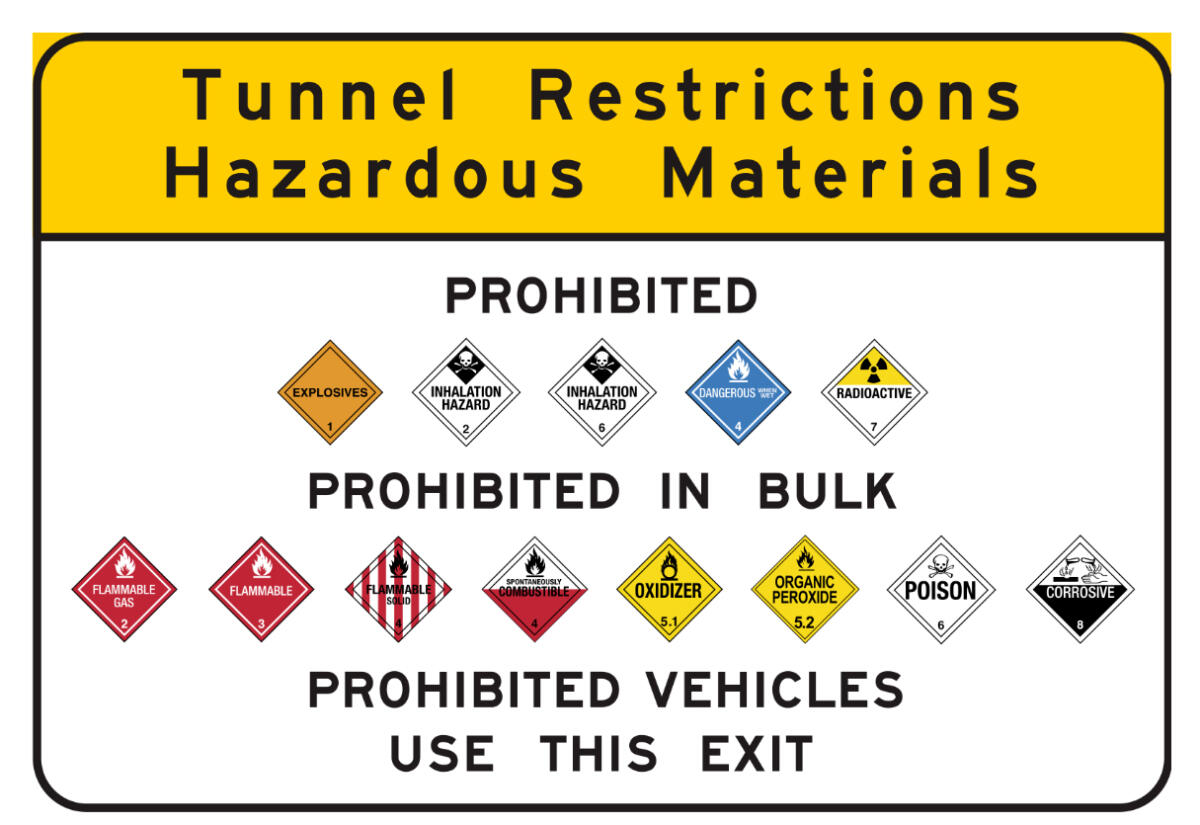 Propane-powered rigs need to pay attention—LP gas is banned in several tunnels and bridge routes, including the Holland Tunnel and parts of the George Washington Bridge. Miss those signs, and you’ll have a long, cold detour.
Even when you reach your destination, don’t plan on parking long. Many towns forbid overnight RV parking, and some—like Ewing Township—won’t even let you sit more than four hours. Top it off with high fuel taxes, and you’ll find the “Garden State” a tough place to put down stabilizers.
San Francisco: Hills, thieves, and a two-hour timer
Watch “Bullitt” again and you’ll see the problem—San Francisco is all hills. Now picture trying that with a 33-foot fifth wheel.
Overnight parking is rare and, when you do find a spot, theft is a real concern. The city recently limited large-vehicle parking to just two hours—part of an attempt to curb homelessness that sparked a political firestorm.
If you’re brave enough to try it, San Francisco RV Resort in nearby Pacifica offers the closest full-service camping. Just be ready for steep grades, tight turns, and big-city prices.
Utah’s “unholy three”: Roads that test your courage
Utah is an RVer’s dream for scenery—and a nightmare for certain roads. The Moki Dugway, Zion–Mt. Carmel Highway, and the Hogsback stretch of Scenic Byway 12 are all breathtaking, but in a white-knuckle way.

The Moki Dugway drops 1,200 feet in a series of unpaved switchbacks. Zion–Mt. Carmel requires height limits and sometimes even traffic escorts for RVs. And the Hogsback? Four miles of narrow ridges with no guardrails between you and a long look at the canyon floor. Believe it—your two intrepid writers have “done” the Hogsback, and the distaff side was almost ready to walk those four miles. Beautiful, yes—but not for the faint of clutch.
Key West, Florida: Paradise with a price tag
Drive to the end of the line—literally—and you’ll find Key West. But bring patience, deep pockets, and maybe a second mortgage.
From Pensacola, you’re looking at a 14-hour haul to reach the Keys. Once you arrive, space is tight. Boyd’s Key West Campground runs $105 a night off-season, $165 in peak season—and that’s before you’ve even bought dinner.
Still, some RVers will shrug off the cost and the crowds. After all, paradise isn’t supposed to be easy—or cheap.
Bottom line
RVers are a resilient bunch. We’ve all wrestled tight turns, sketchy hookups, and “no overnight parking” signs. But some places just make it harder than others. These are among the least-RV-friendly cities in America—the ones RVers say they’ll never visit again. Got your own nominee for the list? Drop us a line and tell us where not to go next.
RELATED
- South Rim of Black Canyon of the Gunnison reopens for full scenic drive
- The top 10 scenic drives in the United States
- Loveland, Colorado: Why it’s an RVer’s must-see
- Why the smartest RVers don’t always take the scenic route
- Driving New Mexico’s 84-mile Enchanted Circle Scenic Byway
- The best interstate routes for cross-country road trips rated
RVT1234b


Key West was featured in Nickled and Dimed by Barbara Ehrlichman (spelling?) People working minimum wage jobs had to have their own transportation-and even the seedy hotels a couple of keys north that rent efficiency apartments charge an arm and a leg. Finding parking at their jobs is difficult – customer parking is always prioritized over staff parking. RVers getting reservations at state parks have to call 6 months to a year in advance
Utah state highway 12 is one of my favorite roads in that state! I have taken both our former 5th wheel and our current motorhome over it. The views are definitely worth the drive–they go on forever in that beautiful Capitol Reef-Bryce Canyon portion of the canyon country. Compared to US 550 from Ouray to Silverton, it’s just another mountain road with switchbacks.
Is it my imagination or does the picture or drawing (i.e. NO PROPANE in TEXAS) have nothing to do with the details in the story? Or the ILLEGAL TO LIVE IN YOUR RV in Montana & Wyoming? Why doesnt the story fit the drawing… it would have been real easy to make it match… wouldn’t it???
Hi, John. I think it’s pretty obvious that it’s an AI-produced “cartoony-type” illustration and not intended to be accurate. But after reading your comment, I’ve added “Not intended to be an accurate illustration” as the caption under it so there’s no confusion. Yes, someone could have probably spent the time to produce an “accurate” image, but that doesn’t seem necessary since it’s spelled out in the article. Not to mention the fact that there are several items listed for several states, so it would have required very fine print to get it all on the map.🙄 Have a good night. 🙂 –Diane at RVtravel.com
True, there are some specific places that may not be RV perfect. Who in their right mind thinks taking an RV of any size into Manhatten is a good idea? But if an RVer wants to visit such an urban place, camp the RV outside the area and drive your toad or take alternative transportation there. New Jersey as a whole as not to visit? Come on. It has rural country to see and camp.
One of our favorite series is Aerial America from Smithsonian Channel. We get many travel ideas from this series. One episode per state. The link doesn’t incude all of them, but gives you a taste:
https://m.youtube.com/playlist?list=PLRDFylt_wfz12gQSekzVvkleBcuIk7AlA
Subscribe at their site if you like it.
I avoid metropolitan areas like the plague. None are RV friendly. When we plan a trip, we look for roads that bypass these cities.
But, I live near Pittsburgh and there are no bypass roads. You either have to fight the traffic or drive miles out of the way to get around the congestion.
This summer we spent a month traveling PA…a week near Pittsburgh with several trips into the city. There was traffic, but it was a cake walk compared to Philly…and that was going into Philly around 10am and getting out by 3pm! Even the historical areas from Harrisburg to York and Lancaster were crazy with high speed aggressive drivers in the majority.
We live in the land of Pa. I don’t even go into Philly anymore. Used to go in 2 times a week for work.
I’d add LA and San Diego as well. Cramped parking lots and stop and go traffic make it a nightmare.
I love to visit Utah’s National and State parks especially driving the scenic routes. I’ve found the drives considerably more enjoyable if MH is left parked in campground.
I think the definition of “RV Friendly” can be pretty subjective.
There’s some great state parks whose overgrowth or tight turns make navigating in New York City feel like a breeze. Getting fuel, propane, water, a dump or even cell reception in the Mojave desert can be far more difficult than finding a place to park in Trenton, New Jersey.
Some of my best camping spots would be called unfriendly by many which is what makes them so great. But yes, there’s some roads an RV shouldn’t be on….
Other than the Hogback, these are pretty Capt. Obvious places.
We have a short 30′ class-a, and get a lot of practice driving in our rig through the. SF Bay Area. For the last eight years we have driven our rig to dozens of travel baseball tournaments. We have employed google maps, helps to plan the route and scope out parking spots.
Not saying we have not braved Los Angeles or Las Vegas traffic, with less than patient drivers, but it is manageable. However, when it came to visiting a baseball showcase in San Francisco, we drew the line. Not that driving through SF would be impossible, its more finding the space to park.