

By Cheri Sicard
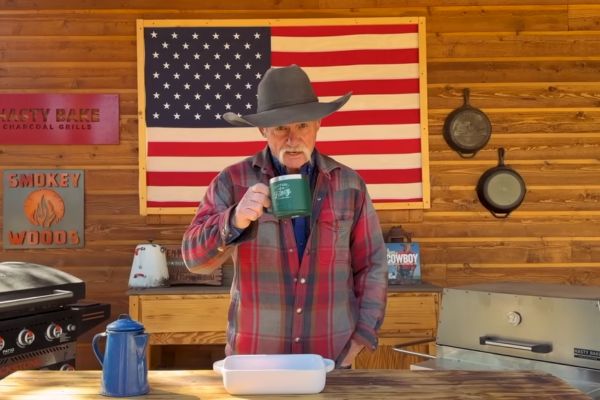
A cheap steak doesn’t have to eat like one. In the video at the end of this post, Cowboy Kent Rollins [3.52M subscribers, 425.7M views] takes a thick sirloin, one of the leaner and tougher cuts at the meat counter, and turns it into something far closer to a steakhouse plate with one simple move, a cold coffee marinade.
The trick isn’t fancy, but the details matter. Once the coffee, seasoning, and fire all line up, that budget cut gets tender, smoky, and full of beef flavor.
Start with the right cut
Rollins compares New York strips to sirloin for a reason. Strips usually have better marbling, so they start out more tender. Sirloin costs less, though, and that makes it the better test for this method.
Sirloin comes from the hind quarter, so it works harder and has more chew. It also shows more streaks of gristle and less fat. Still, with the right prep, it can cook up far better than its price suggests.
Rollins also calls out a few other smart buys at the meat counter:
• Chuck eye, often called the poor man’s ribeye
• Top round, lean but flavorful when sliced against the grain
• Denver steak, well-marbled and often cheaper than strip
• Skirt steak, big beef flavor when cooked hot and sliced thin
The coffee marinade does the heavy lifting
Coffee sounds odd until the steak hits the board. Rollins brews it extra stout, chills it fully, then pours about 4 cups over the steaks so they’re submerged in a sealed bag.
The acid in dark roast coffee helps break down the meat fibers. He says the steak won’t taste like a mug of coffee, either. Instead, it picks up a faint roasted aroma that sits behind the beef. A minimum soak is 4 hours, while 8 to 12 hours is better. Bigger cuts can go overnight.
Warning: Flavored coffee has no place here!
Dry, season, and build a two-zone fire
Once the steaks come out, Rollins pats them dry well. The meat looks darker after the soak, and it even seems to swell a little from the extra moisture. Then he seasons both sides with his proprietary low-sodium seasoning, though salt, pepper, and garlic work too.
Meanwhile, the grill gets a two-zone setup, hot on one side and cooler on the other. Cowboy Kent uses a Hasty Bake Legacy 131, Smokey Woods hardwood lump charcoal, and mesquite wood for steak. He even rubs the grate with an onion before cooking.
Cook on the cool side first, then sear
 The steaks start on the cooler side for a smoke bath. Rollins flips them once and keeps them there until they hit about 105 to 110 degrees. After that, they move to the hot side to finish over flame.
For doneness, he uses a meat thermometer, but in the video, Kent also shares the hand test: thumb pad for rare, thumb to middle finger for medium-rare, thumb to ring finger for medium. He pulls the steaks around 124 degrees, rests them, then slices. The result cuts with a plain knife like butter.
Final thoughts
Cowboy Kent proves that steak quality isn’t only about the sticker price. A lean sirloin, dark coffee, and a smart fire can turn a budget cut into something tender, smoky, and rich.
The best part is how simple the method is. Coffee isn’t only for the cup anymore.
RELATED
- How to make the best steak ever in a cast iron skillet
- 5 steak recipes to elevate your next meal
- RV Grilling: How to save more than $80 on ribeye steaks
- Use a Ford Taurus (and other things) to tenderize steaks (really!)
RVDT2911
Man, now I’m hungry!
Me too !!🤤
What a great article!! Thank you!