

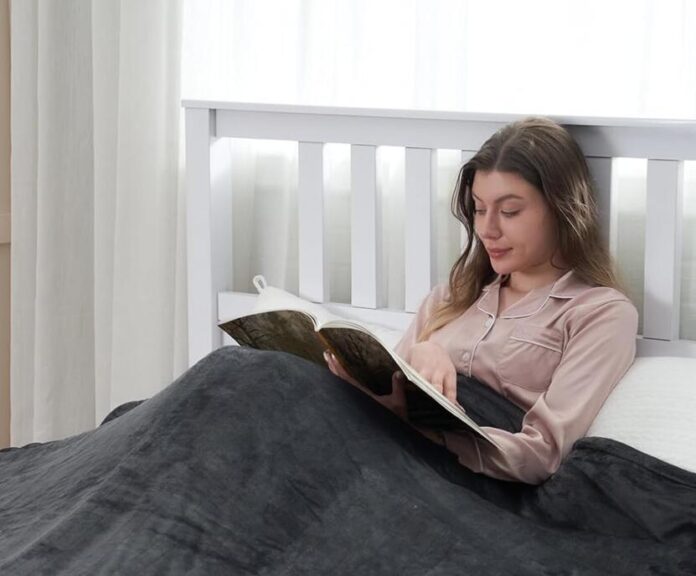
When temperatures drop during RV adventures, staying warm and cozy is a top priority. Electric blankets and mattress pads are two popular solutions that can make chilly nights much more comfortable.
Which one is right for you? Let’s dive into the pros and cons, voltage requirements, and tips for using these heating solutions effectively in your RV.
Why choose an electric blanket for your RV?
Electric blankets are a quick and versatile way to stay warm on the road. Here’s what you need to know:
Pros of electric blankets
• Fast heating: Electric blankets warm up quickly, providing immediate comfort on cold nights.
• Portability: Lightweight and easy to use anywhere, they’re ideal for both inside your RV and outdoor lounging (with an appropriate outlet).
• Customizable options: Available in various sizes and materials, allowing you to choose the perfect fit for your needs.
Cons of electric blankets
• Heat dissipation: Since heat rises, some warmth may escape into the air rather than staying close to your body.
• Power usage: While efficient, prolonged use can drain your RV’s battery if you’re not plugged into shore power.
Tips for using electric blankets in your RV
• Preheat before use: Turn on the blanket 15-30 minutes before bedtime to ensure a cozy start to your night.
• Layer for efficiency: Use the electric blanket under a heavier comforter to trap heat.
• Monitor energy: If running on battery power, limit usage or invest in a low-voltage model (12-24V) for RV compatibility.
Here are many electric blanket options, and these are the ones specifically designed for car and RV use.
Why choose an electric mattress pad for your RV?
Electric mattress pads provide steady heat from below, making them a favorite for consistent warmth throughout the night.
Pros of electric mattress pads
• Even heating: Placed directly on the mattress, they offer consistent warmth where it’s needed most.
• Energy efficiency: Designed for overnight use, mattress pads typically consume less power than blankets.
• Improved comfort: Many users find the bottom-up warmth more relaxing and conducive to sleep.
Cons of electric mattress pads
• Less portable: Once installed, they’re not as easy to move compared to blankets.
• Longer heating time: It may take more time to reach the desired temperature.
Tips for using electric mattress pads in your RV
• Set up correctly: Ensure the pad fits snugly on your mattress and doesn’t bunch up.
• Combine with insulation: Use a mattress topper or comforter to retain heat.
• Choose low-voltage models: Opt for a pad that runs on 12V or has low energy consumption to prevent battery drain.
Voltage requirements for RV use
Most electric blankets and mattress pads operate on standard household voltage (110-120V). For RVers, it’s essential to:
• Check compatibility: Look for models designed for 12V or those that can be used with an inverter.
• Monitor power consumption: Ensure your RV’s electrical system can handle the load, especially if relying on battery power.
• Shore power considerations: When plugged into shore power, you’ll have more flexibility with standard voltage models.
Here are many electric mattress pad options.
Choosing between an electric blanket and mattress pad
Your decision comes down to personal preferences and how you use your RV. If you value portability and quick heating, an electric blanket may be your best bet. For those who want consistent, overnight warmth, an electric mattress pad is a great choice.
FAQ
Here are some frequently asked questions about using electric blankets and mattress pads while RVing:
1. Can I use a standard electric blanket in my RV? Yes, but ensure your RV’s power system can support it. Low-voltage models are better for boondocking.
2. Which is more energy-efficient: a blanket or a mattress pad? Electric mattress pads generally consume less power for overnight use.
3. How do I prevent overheating? Always follow the manufacturer’s instructions and use built-in temperature controls or timers to stay safe.
Final thoughts
Both electric blankets and mattress pads can transform cold RV nights into warm, restful experiences. Consider your specific needs, RV’s power setup, and how you plan to use the heating device. By choosing the right option and using it wisely, you can stay toasty and enjoy your RV adventures, no matter the weather!
Do you use (or have you ever used) an electric blanket or mattress pad while RVing? Tell us in the comments below.
RELATED
- Tiny space heater comes in handy in an RV
- Two fast and easy winter RV mods to help you stay warmer
- Keep warm while winter RVing with these 17 cold weather tips
- How to stay warm: Wool vs. down vs. fleece
RVT1229

We once had a trailer with a factory-installed electric mattress, not matress pad. We often camped in cold weather because we live in Colorado, where a campground at 10,600′ once got to 23 degrees overnight . . . in AUGUST! Running the electric mattress saved on propane when we had electric hookups since we didn’t have to run the furnace. But the bathroom was freezing for our “required” 3:00 am visit (yes, we are at THAT age!).
My problem with heating the bed from below is the same as my problem with hotel beds with impermeable mattress pads–I sweat too much in them. We use an electric blanket at home in winter and I don’t sweat in it, but still stay warm.
I have never used either, but think I would choose the mattress heater. My reasoning is all the truckers I know use these in the winter months.
We like our heated mattress pad on cool/cold camping nights. It’s nice to warm it up ahead of time and to have separate controls. It also saves on propane as we use the furnace less.
Rarely do we have a problem staying warm in bed. The bigger problem is staying just cool enough to not sweat. Because once you start to sweat, that bed can get downright cold and clammy.
As a person who freezes easily and likes to sleep warm, I have been known to use both a pad and blanket simultaneously when we lived in the frigid north. Now that we live and RV in mainly warmer climes, we have only the electric mattress pads. A comforter on top and you can stay toasty warm all night. And just as a side note, those sore muscle days, even in mid summer, that pad on low goes a long way to easing and relaxing those muscles so you feel better in the morning.
We have used an electric blanket on top of our mattress for years. Works well for us.
On cold nights we use an electric blanket with our separate controllers. I find to heat from under the body still leaves cold air to come in from above. The article above says “Use the electric blanket under a heavier comforter to trap heat.” I do that as well even though the manufacturer’s instructions say to put nothing on top of the electric blanket. I find if it’s not covered it loses too much heat on a cold night.
I used to winter camp in a popup in New England. Your bed is hanging out over an open freezer! I used a heated mattress pad, and stayed warm and toasty all night.
It seems to me when we bought our mattress it came with a warning not to use an electric blanket or pad due to mold formation.
We have been using pads for over40 years when they had mechanical controls and could be controlled by an external timer, on at 10, off at 12, on at 6, off at 8! We now have to remember to preheat the mattress but it’s the best, especially on the early fall evenings when you’re still acclimating to the colder temps.
I’m too much of a nervous Nellie to use either. I fear that if I am nice and toasty, I might not realize my pets aren’t and the water pipes are freezing. Will keep the inside at 55 for sleep and bundle up.
We use a heated mattress pad. We left Minnesota 2 days after Christmas last year. Our first stop was near Sioux City, Iowa. 20° that night. Started the pad 3 hrs before bedtime and mattress was warmed up. We have separate controls for each side. Wife keeps hers warmer and on longer than I do. Timers have settings for 1, 2, 3 or 8 hrs. 3 is right for me. By then, the whole travel trailer is getting warmed up from the days travel. We also have insulation under the mattress part that is over the front pass-through storage to prevent condensation/mold issues.
Thank you for the information and discussion, Gail! I used one of the electric blanket links to find a blanket for my mother to use with her power station if her power goes out in cold weather. Have a great day and safe travels!
I use both every night to fall asleep. Both are on timers, so they turn off after I am asleep. I feel like an extra melty grilled cheese sandwich between the two!
Thank you for the comparison, Gail! DW and I find very different temperatures comfortable for sleeping, so neither of these is practical for us unless the one wanting more warmth (me) kept it away from the other side of the bed. I did buy a low-power-draw electric blanket for my 94-years-of-age mother that sips 12-volt power (https://a.co/d/bekDFrs) from the power station I bought her (https://a.co/d/2fNYkHI) to use in case her power goes out. Have a great week and safe travels!