

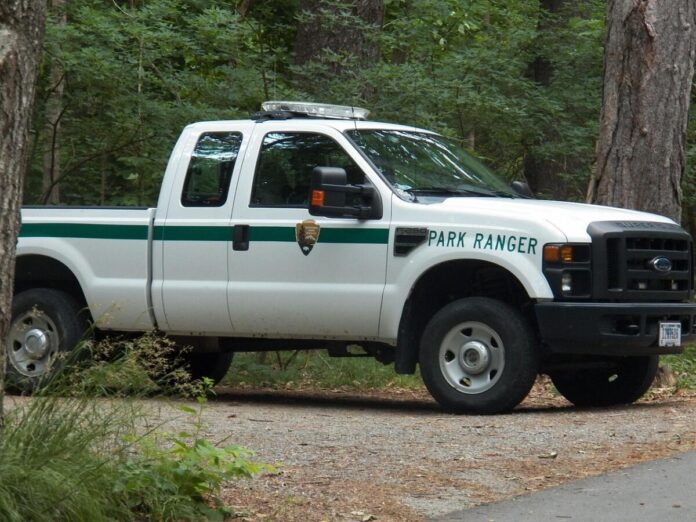
A new bill currently moving through Congress could make a real difference to national park visitors. The proposed legislation would push the National Park Service to bring park-based 911 centers up to the most modern standards.
The bill
Senator John Barrasso introduced the Making Parks Safer Act with hopes that the upgrades will improve park communications in emergency situations. The bill would update national parks emergency systems to the Next Generation 911, or NG911.
The measure, if passed, directs the Department of the Interior (DOI) to assess existing emergency communications centers inside units of the National Park System. In addition, the DOI would estimate what NG911 upgrades would cost and then write a plan to install NG911 where needed.
The timeline in the bill calls for an assessment within a year of enactment and for a follow-up plan shortly after the assessment is delivered to Congress. The text also requires the Interior to consult state and local emergency partners while developing the plan. You can read the bill for yourself here.
What is NG911?
Next Generation 911 is more than a buzzword. NG911 upgrades let call centers receive text messages, photos, and video clips. NG911 can also pass location data more precisely than current systems. It also enables automatic rerouting or forwarding of 911 traffic to alternate centers if a park’s dispatch center is down because of a natural disaster, power outage, or equipment failure.
For field responders, receiving a photo or a short video from a stranded or injured visitor can shave crucial minutes from the response time by showing conditions and precisely where help is needed.
Emergency response
Upgrading to NG911 helps emergency teams in three practical ways:
• First, by giving dispatchers more accurate location data and better situational information.
• Second, by improving coordination efforts with state, county, and tribal 911 systems when multiple agencies are involved.
• Third, by creating flexibility through call-forwarding and redundant routing during outages.
The bill explicitly asks the Interior to identify jurisdictional and technical hurdles so those items can be addressed in the implementation plan. That kind of structured analysis makes it likelier the upgrades will work smoothly across the patchwork of agencies that operate inside and around many parks.
Practical limits
NG911 improves the tools available to dispatchers, but it doesn’t make cell towers appear out of nowhere. Texts and photos still depend on carrier coverage, and in the most remote parts of parks, you may still be out of service.
The bill recognizes technical and jurisdictional challenges and charges the Interior with identifying them before implementation. This is good, but full coverage will still be a mix of carrier investment, infrastructure work, and on-the-ground deployments.
For RVers, that means NG911 is a valuable safety layer, not a replacement for carrying basic emergency gear and backup communications like a satellite phone if you’re in remote areas.
RELATED
- National Park Service announces 2026 fee-free entry days, changes who qualifies
- No cash? No problem, says judge in national park fee case
- National parks to require photo ID for visitors 16 and up
- National Parks update fees, hike those for nonresidents
RVT1239b


I’m all for it. Move these people out of the DC area and into the real world.
It would be a great improvement. What would make it even better, is getting WiFi in all these locations as well!
Requiring cell phone companies to put cell phone towers in national, state parks and other government campgrounds would also help being able to call 911. Some parks I camped in the person would be dead by the time you made it to a land line phone.