


Dear Dave,
What is the best thing to use for the sulfur in the water at campgrounds? I am at a campground where the sulfur smell is bad. Thanks. —George, 2018 Jayco Jay Flight 24RBS
Dear George,
Typically the rotten egg or sulfur smell is caused by hydrogen sulfide gas and is usually safe to shower and even cook with. This is caused by a chemical reaction with the soil, especially rocks, and is fairly common in desert locations such as Sam’s Town. However, it could also be caused by a sewage leak nearby.
Test the water
The first thing I would do is test the water using a digital water purity tester that you can find on Amazon here.
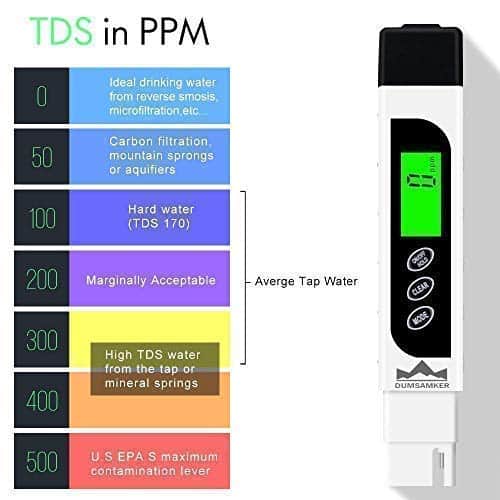
This will tell you the acceptable parts per million in the water. You can go one step further and purchase a well water test kit here.
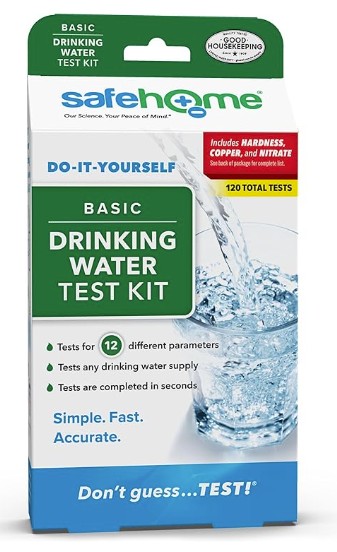
Either way, share your concerns with the main office as the issue could be with their well system or the ground water going to the well. It may need to be disinfected or “shocked” with a chlorine bleach procedure.
Get a filter
If the water tests OK, then I would get a whole house filter that has a cartridge filter that can be customized for smell and taste.

Here is a setup that not only has the filter, but a water softener as well. I like the residential style filter as I can replace the cartridge for less money than an inline filter.
Or get a filtration system
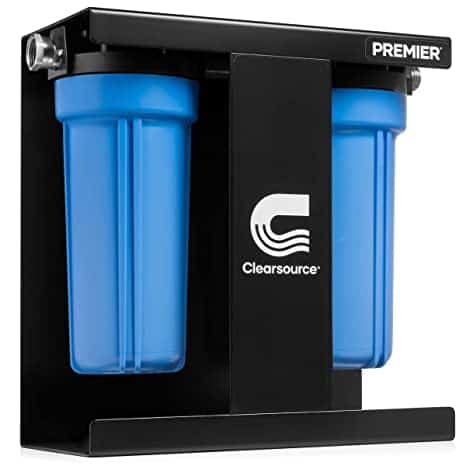
If you want to go even further with filtering, I suggest looking at a Clearsource filtration system which has hospital-grade micron filtering that captures more contaminates than any other filter on the market. The coconut shell carbon block filter also improves taste and smell, and comes in various sizes depending on the volume you need. You can find them on Amazon here.
You might also enjoy these from Dave
- Why does the RV’s fresh water smell even with a filter?
- Best way to clean and sanitize RV fresh water tank
- Your RV’s fresh water system: What you should know
- How to fix RV’s leaky black tank dump valve
- Where is RV fresh water tank’s low-point drain? I can’t find it
- How to get excessive mold out of RV’s freshwater tank
- How long can fresh water be stored in the RV’s tank?
DAVE HAS ANSWERED MORE THAN 1,000 readers’ maintenance and repair questions. Read a directory here. There is so much to learn!
Dave Solberg is a leading expert in the RV industry and the author of the “RV Handbook.”
##RVDT2722

I believe I would express my concerns with the campground office…….on my way out. Yech.
Dave, a TDS meter works very well at what it does – give you total dissolved solids. What it doesn’t do is give you any indication as to what those solids are; benign or dangerous. As such, a TDS meter in my opinion is a waste of money.
Our seasonal park has (regularly analyzed under contract) hard water. The park posts its last analysis. A TDS meter gives a high reading – but here is the trick – it gives a high reading regardless if before or after filter & softener as you show in your photo.
I think a TDS meter is a good way to do a fast check on what one is about to run through their RV’s pipes. Sure, it can’t replace a full blown water analysis but if the value is higher than 300, it’ll explain why your water crunches when you chew it.
Thank you for the suggestion, Dave! Have a great day and safe travels!