


Buying a used RV or other vehicle can be fraught with trouble. You can’t be too careful when inspecting a used rig for hidden trouble—from tires to rooftop sealants, everything needs to be looked at. But making sure there’s a clear—and legitimate—title should also be on the list. After all, that used RV could be stolen. But now there’s a new worry: stolen new vehicles being sold to unsuspecting buyers. A new vehicle sale scam is a real worry for customers in many states.
New vehicle sale scam involves phony documents
Picture yourself responding to an internet advertisement for a 2025 motorhome. The price is good, maybe too good, but it’s worth a look, right? So you drive a few miles to an RV dealership and look the rig over. You hand over your money, in return you get the keys and the necessary paperwork to present to the DMV. Once at the DMV office you hand over the MCO—or Manufacturer Certificate of Origin—and find out that certificate is a phony. You just bought a brand-new, stolen RV. And you probably shouldn’t be surprised that when you hightail it back to the “dealership” the place is empty.
Oregon is one of the latest states to warn consumers that crooks are continuing to get cagey, and using phony MCOs to scam people in a big way. But let’s start at the top—what’s an MCO? An MCO is a document that certifies the original ownership of a vehicle. It’s issued by the manufacturer when a vehicle is produced and contains information like the make, model, year, and vehicle identification number (VIN).
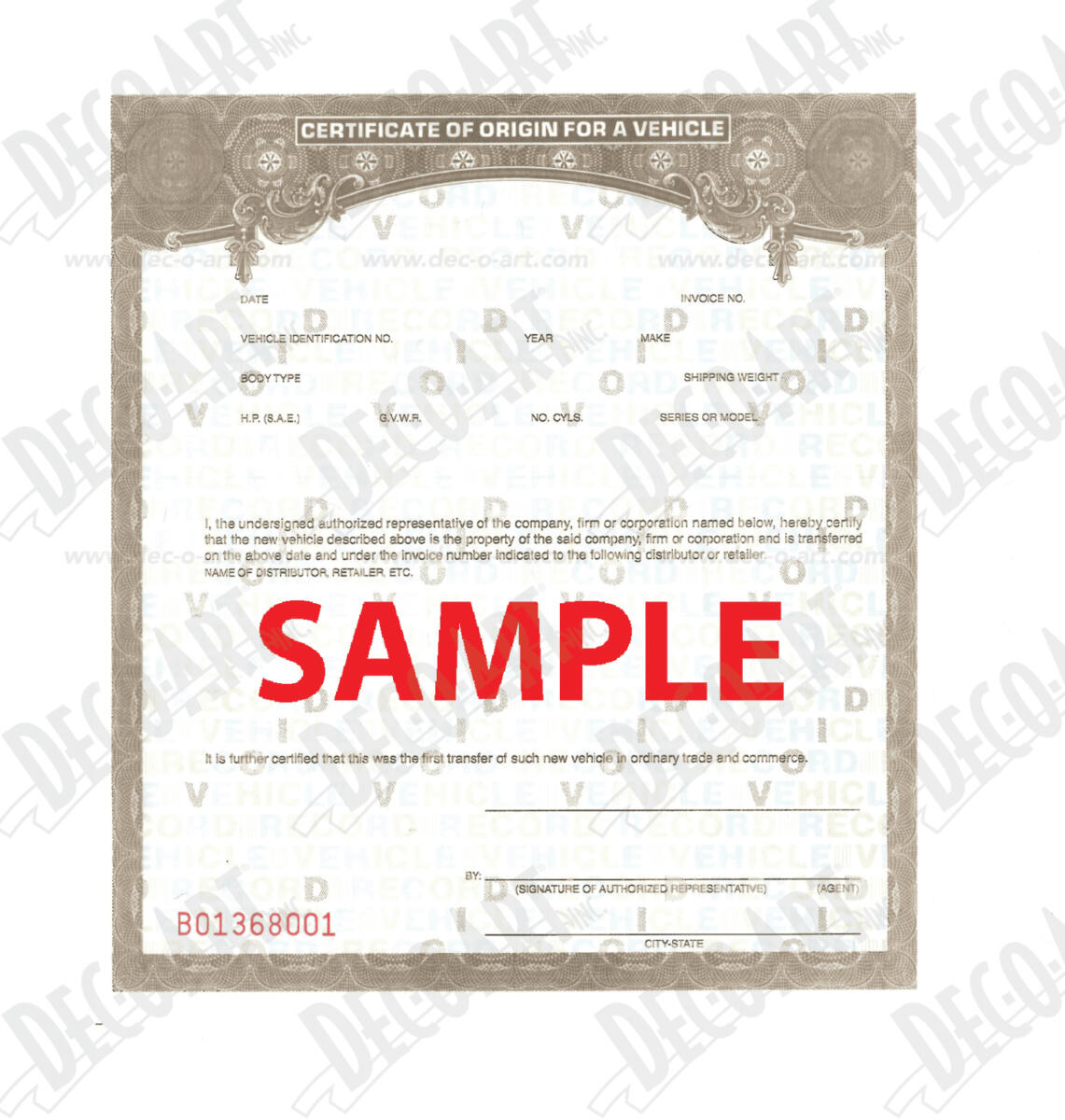
Crooks are creating fake VINs that appear to be legitimate and adding them to counterfeit Manufacturer Certificates of Origin. These fake MCOs are created by either altering printed information on a genuine certificate or by creating a completely fake version downloaded from the internet. A fake certificate often lists the manufacturer’s name and an out-of-state dealer or distributor as the first buyer.
Protect yourself from this vehicle sale scam
To protect yourself, you need to make sure the VIN is legitimate—before you sign off on a deal. There are a couple of different ways to do this.
- Run the VIN through the National Highway Traffic Safety Administration recall site. This will show if the VIN on the certificate is one issued by the manufacturer. If no VIN is found, you will get an error message, meaning the VIN was not issued by that manufacturer. This search is free.
- Research the vehicle history through the National Motor Vehicle Title Information System, a consumer protection database that provides title information from states across the country. Only use an approved National Motor Vehicle Title Information System data provider. These sites will generally charge a nominal fee.
Look (at the rig’s VIN) before you leap
Comparing the VIN on the vehicle to that on the MCO (or title, if the seller shows you one) could also be a big tipoff to trouble. If the vehicle’s VIN doesn’t match the MCO or title, there’s trouble. But, sadly, crooks are working around that, too. In some cases they’re installing counterfeit VINs on stolen vehicles to match the equally counterfeit paperwork. How would you know?

On motorhomes and other motor vehicles, the VIN tag on the driver-side dashboard is visible through the windshield. Without popping the windshield it’s difficult to get at—and swap—that plate. The VIN will also be found on the manufacturer’s VIN plate, found on cars and trucks on the driver’s door jamb. If any of these look like they’ve been altered—watch out. Towable rigs are a bit more difficult. VINs—or parts of them—may be stamped on the frame, typically near the front of the rig. Look for VINs on the same sheet that shows rig weight specifications, inside the RV. If it looks like someone may have changed out the sheet, again, be suspicious.
VIN check doesn’t check out?
Of course, doing the VIN checks explained above should ferret out a phony number. Suppose you suspect the certificate or VIN is fraudulent. In that case, Oregon DMV recommends you contact the dealer that originally purchased the vehicle from the manufacturer (listed as the buyer on the back or distributor on the front of the certificate) to determine if the vehicle transaction, certificate, and VIN are genuine. If the dealer or distributor cannot confirm they purchased the vehicle from the manufacturer, the certificate is probably fake.
Buying a vehicle from someone other than a certified dealer, always take a photo of the seller’s identification and get their contact information. If they have another vehicle, write down or take a photo of the plate on that vehicle.
Phony dealerships?
Oregon DMV is also warning of fraudulent dealerships being set up, giving the appearance of being a legitimate certified dealer. The DMV website provides a look-up tool to verify if the business is a certified dealer. DMV strongly urges you to check the website before doing any business with a vehicle dealer in Oregon. You should also verify the person you are dealing with is an employee of the dealership.
These same principles apply in any other state. All states require dealerships to be licensed and registered. If you’re not sure how to find out, call the DMV headquarters in the seller’s state to find out.
##RVT1191b


Again, great heads ups and warnings. Thanks for providing this important information Russ and Tina!
Thank you, Russ and Tina! Wow! What crooks!?! I cannot thank you enough for this informative warning! Happy new year and safe travels! 🙂
OK, grammar policeman has arrived.
VIN = Vehicle Identification Number.
“VIN Number” = Vehicle Identification Number Number.
Thanks, Dry Creek. I was too lazy to fix them before, but fixed them now. Have a great day. 😀 –Diane at RVtravel.com
Thank goodness I is outa you are jurisdiction, copper!
You take your chances when buying from an unknown private seller.