

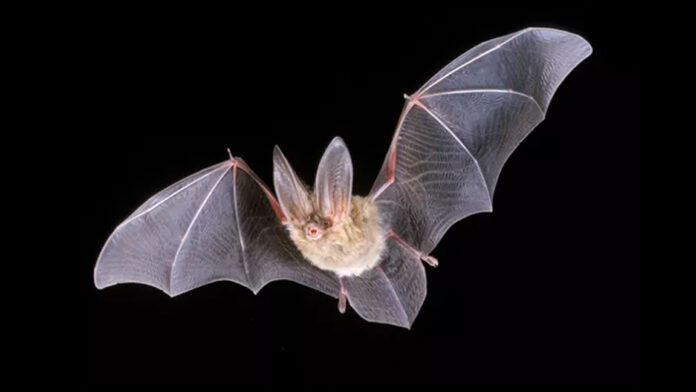
Wyoming health officials are checking for rabies risks after a bat colony was found in a lodge at Grand Teton National Park. The colony was discovered in the attic above eight guest rooms at Jackson Lake Lodge, a historic hotel and restaurant with views of the Teton Range.
Since early June, there have been eight reports of guests coming into contact with bats, and the affected rooms have been closed. While the Grand Teton National Park bat exposure is tied to lodge guests, even camping visitors should heed the tips listed below.
230 bookings related to Grand Teton National Park bat exposure

Most visitors to Grand Teton National Park are RVers or campers, and few if any stay overnight in the lodge. Still, Wyoming’s public health department says more than 230 bookings were made for the affected rooms between May 15 and July 27. Each booking likely included at least two people, coming from 38 states and seven countries. This, according to Wyoming state public health veterinarian Emily Curren.
All bats that were captured tested negative for rabies, Curren said. However, the risk is not completely gone.
“The whole reason we’re doing this outreach investigation is because we can’t rule out rabies with 100% confidence,” Curren said. “We are reaching out to people to assess them individually under the sort of governing principle that rabies would be the worst-case scenario.”
Guests get questionnaire to rate their risk
The Wyoming Department of Health is using a questionnaire to evaluate the risk of rabies for each potentially affected guest. Based on their answers, guests are placed in different risk categories. Some may be advised to get the rabies vaccine. However, treatment decisions are ultimately up to the individuals and their health care providers where they live.
Rabies can be spread through bites or scratches from infected animals, like bats and skunks. It is deadly if untreated, according to the CDC.
Curren said the Park Service and the Wyoming Health Department are working together to reduce the chances of this happening again.
“I think it’s impossible to basically prevent something like this from ever happening again,” Curren said. “You’re talking about a national park where bats are wild animals and are allowed to do their normal wild animal thing. But we’re working with the park so that they feel like they’ve got a better way to help mitigate stuff like this from happening in the future, and communicating to guests potentially more comprehensively going forward.”
Guests who stayed at Jackson Lake Lodge this season and are worried about exposure should contact the Grand Teton Lodge Company at RoomsGTLC@vailresorts.com or 307-543-3044.
Bat safety tips for outdoor visitors
Grand Teton National Park isn’t the only place where RVers might encounter bats. Most of the continental U.S. is home to bat populations, from forests and deserts to urban areas. They are especially common in regions with lots of caves, old buildings, or forests. Here are tips to avoid issues with these nocturnal flyers.
- Avoid direct contact – Never handle bats, even if they appear injured or sick. Bats can carry rabies and other diseases.
- Keep your campsite secure – Make sure tents, RVs, and cabins are zipped or closed at night to prevent bats from entering.
- Store food properly – While bats mainly eat insects or fruit, keeping food sealed reduces the chance of attracting wildlife to your campsite.
- Use lights carefully – Bats are nocturnal. Bright lights at night may help you spot them without disturbing their natural activity.
- Teach children safety – Explain that bats are wild animals and should never be touched, even if they look harmless.
- Wear gloves if cleanup is necessary – If you must handle bat droppings (guano) or materials that bats have touched, use disposable gloves and wash your hands afterward.
- Report unusual bat behavior – If you see a bat acting erratically, contact park rangers or local authorities. Erratic behavior can indicate disease. This CDC website provides information on what to watch out for.
- Check pets – Keep dogs and cats away from bats. Ensure pets are up-to-date on rabies vaccinations before visiting national parks.
- Avoid sleeping outdoors unprotected – When camping, always use tents with zipped doors or mesh screens.
- Learn local guidelines – Some parks provide guidance or warnings if bat activity is high. Follow all posted advice.
Sources include: sfgate.com
RELATED
- New Utah law requires license for hiking and biking in wildlife areas
- Park Service gets real with photo guide to wildlife poop
- Instagram photo filter warns tourists when they’re too close to wildlife
- You don’t have to be dumb for a park wildlife mishap
- North Carolina coyote attack reminds us: Don’t feed the wildlife
RVT1222b


Thanks for passing along the tips and warnings Russ and Tina!
What Bill said! 🙂 Have a great day and safe travels, Russ and Tina!