


Dear Dave,
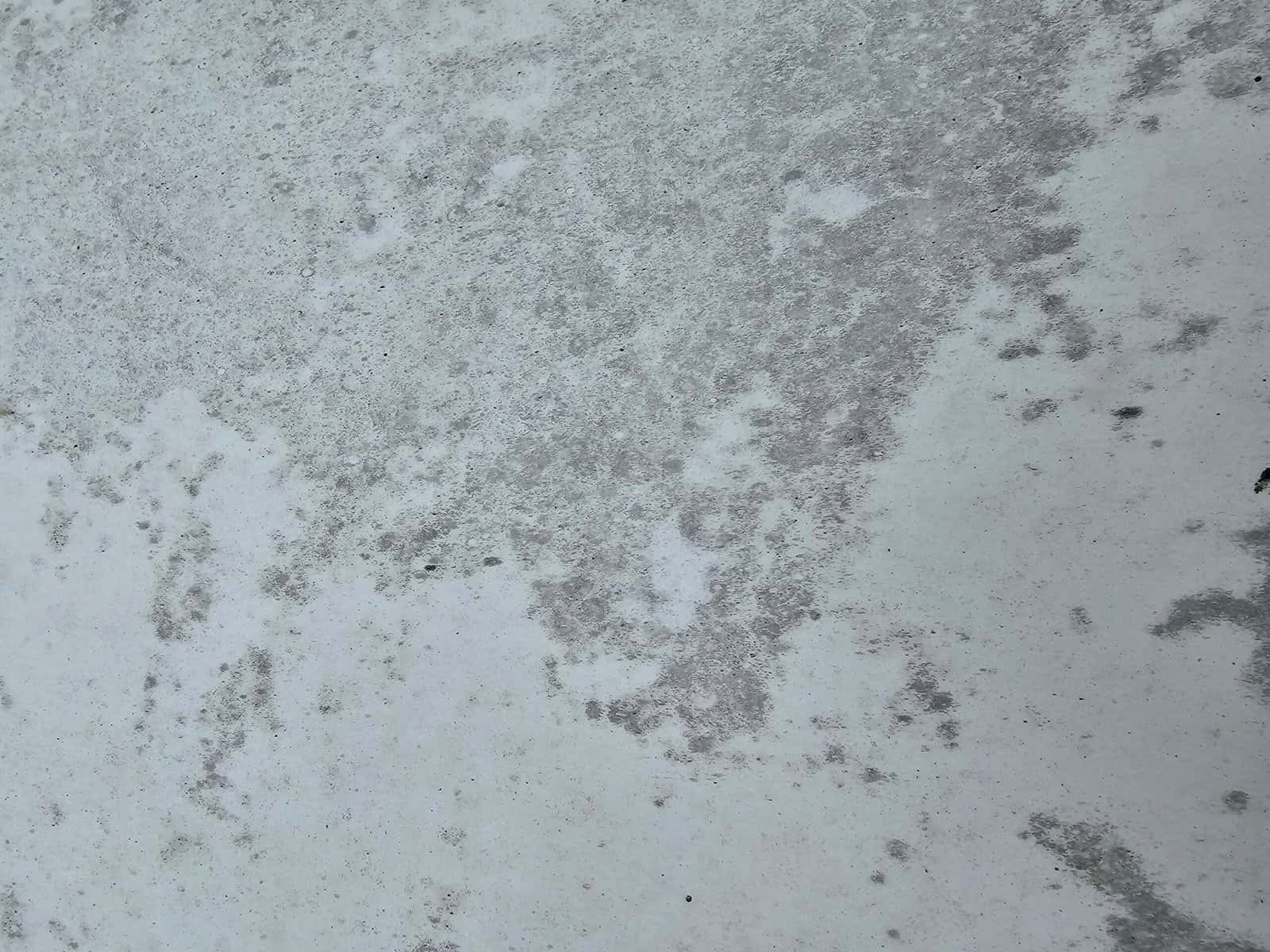
Our Class A has a TPO roof, and we live in the great Pacific NW. When we first bought it in 2015, and for the next several years, the roof was in pristine condition. However, in the last couple/few years, it has developed that gray moss/lichen on it that is smooth to the touch as though it is embedded in the roof membrane. I have tried pretty much everything outside of any harsh chemicals, of course, and I cannot get it up/off of the roof. I even thought about trying a Magic Eraser, but as this does have some “grit” to it, I’ve shied away from this as well. Any help/suggestions are greatly appreciated. —Grant, 2008 Four Winds Windsport 35B
Dear Grant,
Thermoplastic polyolefin (TPO) is a material made from mostly recycled rubber. Although it is not porous, it is also not completely smooth like a fiberglass roof material. There is nothing in the actual TPO material that will enhance mold growth. However, those little crevices or “pockets” collect dust and dirt as well as moisture and it becomes a feeding ground for mold and mildew. But the mold cannot actually penetrate the material.
It’s important to clean and condition a rubber membrane
Mold is a fungal growth that attaches to a surface and when it gets to the black stage, it can be very difficult to remove. It can even permanently stain the roof material. That is why it is important to not only clean a rubber membrane such as TPO and EPDM periodically but to condition it, as well. A thorough cleaning with a soft brush and mild detergent such as Dawn dish soap (blue) removes the dirt that the mold spores cling to and grow on. Do not use a power washer as it can damage the material and get moisture between the roof layers. That could provide a path for moisture in the future and ultimately a roof leak.
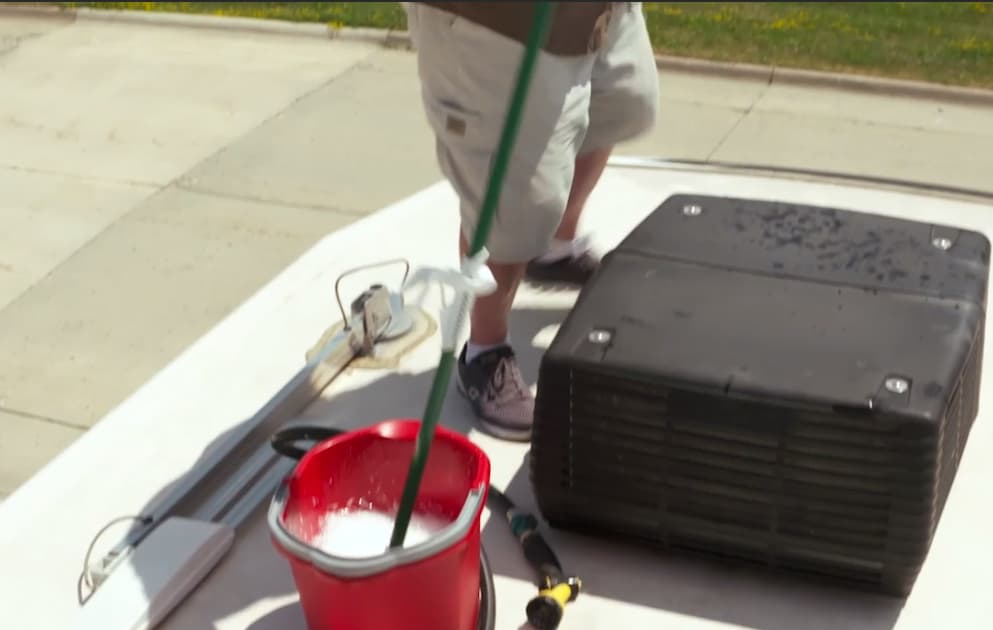
How to clean the RV’s roof
Park the unit on a slanted driveway, if possible, with the ladder end at the top. Rinse the unit with a garden hose first and have someone rinse the sides, front, and back while you are cleaning to keep them wet. That way the soap and conditioner don’t run down the sides and dry, creating a hard to remove chalking!
Then squirt a few ounces of cleaner in a bucket and keep wetting it down and scrubbing. Start in the front left corner and do a 4’ section, then move to the right and just keep doing 4’ sections moving back. I occasionally rinse the scrubbed area so it doesn’t dry.
Since your RV’s roof condition has gotten worse, I would suggest going with something a little stronger like black streak remover or mold cleaner. In an earlier post we had a reader with mold growing in and around the toilet. One of the products I recommended was Concrobium, which is an industrial strength mold control product that comes in a gallon size or smaller spray bottle. The main ingredient is Trisodium Phosphate (TSP) that I have used for years precleaning walls and concrete floors prior to painting. However, a few of the comments stated it was banned in some states, but I see there are TSP alternative products at home improvement stores.
Mold removal products
There are several mold removal products available with bleach being the most popular. I have used bleach for at least three decades and if it is at a dilute state of 1 cup to 5 gallons of water or less, I have not found it to damage any rubber or seals. However, you will find several posts from “influencers” that claim it does. So, I would recommend using a diluted solution and testing on a small area to see what happens.
Dicor posted a cleaning suggestion recently recommending Tilex Bathroom Cleaner/Mold And Mildew. I have not tried it, but I found it interesting. Again, test it in a small area as with any residential mold remover and inhibitor.
You might also enjoy this from Dave
My RV’s rubber roof has a few bubbles. Should I be concerned?
Dear Dave,
Our RV’s roof is by Alpha TPO. We clean it as recommended 4 times a year with Dawn mixed in a bucket of water and a medium brush. Before I get to the issue, I will say the roof is discolored from leaves. We have a bubble bigger than a nickel but slightly smaller than a quarter on the driver’s side (kitchen) and three barely noticeable ones on the passenger side (dining table and theater seats). I brush off any dirt or debris on the inside (part still inside) where the bubble is at. I pull the sides in partially to clean the part under the chain and motor. Should we be worried about these? We live full time in the RV, moving every 2-4 months doing volunteer work. —Liz, 2022 Dutchmen Astoria 3173RLP
Dave Solberg is a leading expert in the RV industry and the author of the “RV Handbook.”
Read more from Dave here.
HAVE A QUESTION FOR DAVE?
We have a popular forum for Ask Dave. Please be as brief as possible. Attach a photo or two if it might help Dave with his response. Click to visit Dave’s forum. Or send your inquiries to him using the form below.
##RVDT2148

Dave,
I have found Simple Green to be a highly effective cleaner for TPO roofing. Dilute 8/1 and give it a good rinse when done. The major TPO manufactures for commercial TPO roofing materials have no issues with it. My best guess is that DICOR private labels one if the big 5 manufacturer products. This may limit the chance of a bad day having bleach running down the exterior paint job if excess is used or a spill were to happen.