

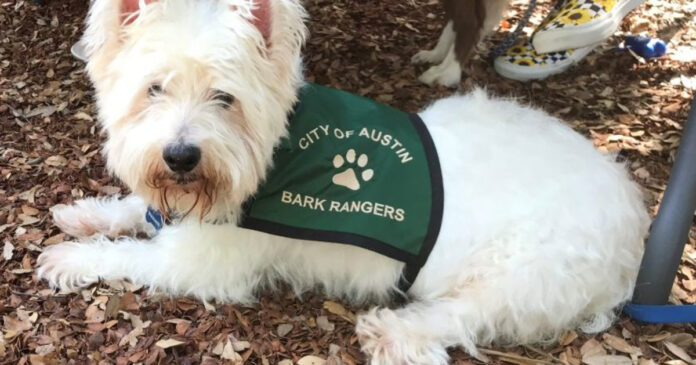
Exploring the outdoors with your dog adds an extra dimension of joy and excitement. Recognizing the bond between campers and pets, the National Park Service crafted an innovative initiative known as the B.A.R.K. Ranger program.
Since 2015, this program has celebrated the companionship between humans and dogs while also promoting responsible pet ownership and a deeper appreciation for our natural landscapes.
What is the B.A.R.K. Ranger program?
B.A.R.K. is an acronym for:
- Bag your pet’s waste
- Always leash your pet
- Respect wildlife
- Know where you can go
The B.A.R.K. Ranger program emphasizes responsible behavior from both dogs and their owners, to ensure that the adventures shared within the national parks leave minimal impact on the environment and wildlife.
The program’s foundation is rooted in education. By providing resources and information to dog owners, the National Park Service aims to grow a community of responsible adventurers who prioritize the preservation of our natural wonders.
From proper waste disposal to understanding wildlife behavior and respecting park regulations, B.A.R.K. Rangers learn how to navigate and enjoy the wilderness responsibly.
Safe and sustainable adventures
One of the primary concerns when introducing dogs into natural environments is the potential disruption to wildlife and ecosystems. Through the B.A.R.K. Ranger program, dogs and their owners undergo training to minimize their impact on the delicate balance of nature.
Dogs learn to remain on designated trails, reducing the risk of trampling vegetation or disturbing wildlife habitats. In addition, by adhering to leash regulations, owners can ensure the safety of their pets while also respecting the natural inhabitants of the parks.
Community outreach
Beyond its practical objectives, the B.A.R.K. Ranger program fosters a sense of community among outdoor enthusiasts. Regular events and gatherings provide opportunities for dog owners to connect, share experiences, and learn from one another. These opportunities strengthen bonds between participants and also help spread awareness about responsible pet ownership and environmental stewardship.
Through social media campaigns, educational materials, and partnerships with local organizations, the National Park Service’s B.A.R.K. Ranger program also spreads the message of responsible outdoor recreation to a broader audience.
How it works
When you arrive at a pet-friendly National Park site, go to a park office. Request a B.A.R.K. checklist and start exploring. When you’ve completed the checklist return to the park office for your award.
Participants can collect B.A.R.K. tags as they visit various parks. Each B.A.R.K. tag is unique and encourages park visitors to explore responsibly with their pets. Some parks offer certificates, bandanas, and other pet perks, as well.
Are you a B.A.R.K. Ranger participant? Tell me in the comments below.
##RVT1159


Thank you, Gail! 🙂 No, we aren’t “members,” but we did not know of it until now. 🙂 Thanks for the information! I am reasonably sure that DW will want to participate in this with dog #3. He’s already been through 3 courses, totaling 17 weeks (we missed one week) and about to go through a 3-week course. So, more training is always good for this one. Thanks again and safe travels! 🙂
Dogs stay on the trail. Uh huh. More like pet parents staying on the trail and the dog will get it. I guess those who have never been a pet parent know that male dogs pee on bushes and trees and the girls squat. The BARK program is a great idea but fails when those who have pets fail to follow the rules. Can’t wait to see the percentage of those who do follow the rules. Will check out the national park I am next to to see if they have a program like this and who knows this and do not. Plus the percentage of those who do do this.
I had not heard of it, but I don’t need a program to pick up my dog’s poop, etc. He goes with me or I don’t go. I thought it interesting considering how many parks do not allow dogs in so many places. Dogs save lives, take care of people and do many useful things but aren’t allowed on many trails. I rather resent that. He is better behaved than most children and probably cleaner than some people.