


By Dustin Simpson
Water heater explosions are rare, but when they do happen, they can be devastating. Do not wait for a catastrophe. Here are a few signs your water heater will give before bursting.
Warning signs of potential water heater explosions
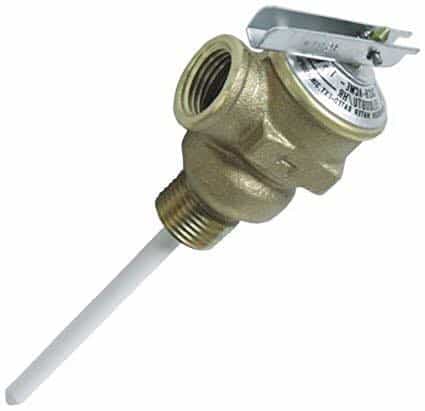
A leaking pressure relief valve

The pressure relief valve is usually located at the top of the heater, on the side. It opens when the pressure inside the tank reaches extremely high levels, letting out water and lowering the pressure inside. If the valve is leaking, it means there is too much heat or pressure inside the tank. Either is dangerous as it could lead to an explosion.

In addition, if the valve is worn out or repeatedly being replaced, it means it cannot handle the pressure or heat in the tank and could possibly fail, trapping extremely high pressure in the tank.
A rotten egg smell
If you detect a sulfur, rotten egg-type smell near the water heater, it could be because there is a gas leak inside that could ignite when the light is on. If you smell gas around your heater, turn the gas off immediately and call a licensed RV repair shop to check the water heater.
A popping and knocking noise
If your heater keeps making a popping or knocking noise, similar to that made by a popcorn machine, it could fail.
Over time, sediment from water builds up at the bottom of the heating tank, insulating water from the burner. This forces the burner to run longer to heat water, increasing the heat inside the tank. The popping noise is water trapped under the sediment heating and bubbling as it escapes the sediment layer.

Faulty installations
Poorly installed heaters, heater controls and gas connections can cause explosions. If the heater is electric, water corrosion can cause an electrical short.
Regularly keep up on your RV water heater maintenance for both your Suburban and Dometic units. Please see your owner’s manuals for additional information.
DIY product links to prevent water heater explosions
Common replacement parts
- Anode Rod for RV Water Heater Suburban
- Suburban 520900 Replacement Electric Water Heater Element Kit
- Suburban 232306 Water Heater Thermostat Switch
- Pressure Relief Valve 1/2 inch
- Pressure Relief Valve 3/4 inch
- Water Heater Cam Lock
- Suburban 070874 Grommet, Black
- Pilot Assembly 161156 For Suburban SW
Water heater tools
- All Metal RV Water Heater Tank Rinser
- Pressure Valve Remover
- Heating Element Socket
- Screw-in Element Wrench
Please follow us on YouTube, and see our published articles on RVtravel.com and other social media pages.
Thank you,
Dustin
More from Dustin
Read more of Dustin’s articles here.
RELATED
- How to rinse sediment from an RV water heater
- Water heater drain plug and wrench kit makes Dometic water heater repairs easy
- All about RV water heater anode rods
RVDT2723
The water heater does not heat the water from the bottom like a conventional residential gas water heater so sediment on the bottom does not affect the heating.
The flame is channeled through the heat exchanger tube located near the center of the tank.
Bob, I can’t disagree but here’s the A.I. answer:
Yes, an RV water heater heats water from the bottom of the tank because hot water rises, and the heat source (either a propane burner or an electric element) is located at the tank’s bottom to efficiently warm the water at the lowest point. Cold water enters the tank at the top through a dip tube, sinks, and is then heated by the element or burner at the tank’s base, causing it to rise to the top where it is drawn out when you turn on the hot water faucet.
Another AI error.
The cold water cold comes in from the bottom, no DIP tube, forces the hot water out the top.
BTW, in a standard water heater the dip tube extends to the bottom of the tank. It doesn’t sink!
Dustin….. Thank you for posting this safety reminder! It is one of those things you don’t think about much. Good pics to back- up the article too!
We learned to keep two spare parts for our Dometic (formerly Atwood) water heater. First is a spare thermal fuse – the link will prevent your heater from getting too hot, but a combination of the heater running in direct desert sun can do it also. And a spare drain cap. The newer Dometic water heaters use a cap rather than a plug and may be hard to find a replacement in the middle of nowhere.
The cap is just a 1/2″ one that can be found in many hardware stores. The original plastic ones are the harder ones to be found.
Thank you for the warning, the discussion, and links to replacement parts, Dustin! Have a great day and safe travels!