


Dear Dave,
My RV’s heater turns on for about 20 seconds and then shuts off. No heat comes out, and the heater does not turn back on. —Rich, 2023 Grand Design Imagine 22ft
Dear Rich,
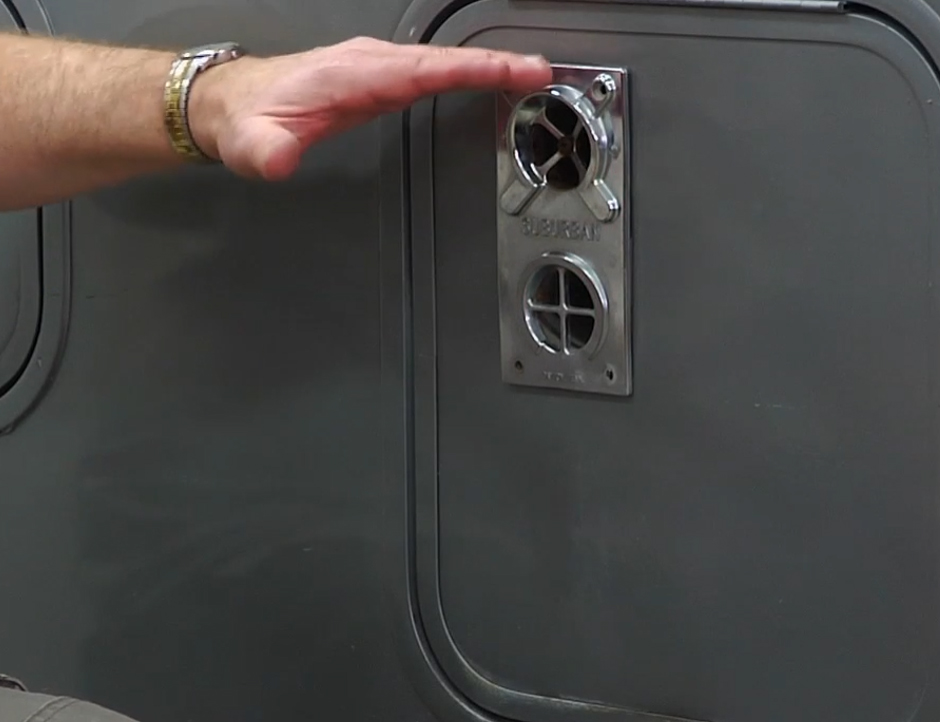
According to the video walkaround I found, the heater is located in the rear of the rig with a vent located underneath the kitchen cabinet and another in the bathroom. The owner’s manual states it is a 25,000 BTU Dometic furnace.
To troubleshoot the unit, it is important to understand the steps the furnace takes to light and ensure there is proper airflow, flame, and temperature.
How an RV furnace works
When the thermostat is set to the desired temperature and the ambient temperature inside the rig comes to +/- 2 degrees of that temperature, the thermostat creates a closed circuit and sends 12-volt power to the module board of the furnace. The module board then sends 12-volt power to the fan motor, which starts and draws in air from the inside through the air return. That looks to be in the bathroom of your model, under the shower pan.
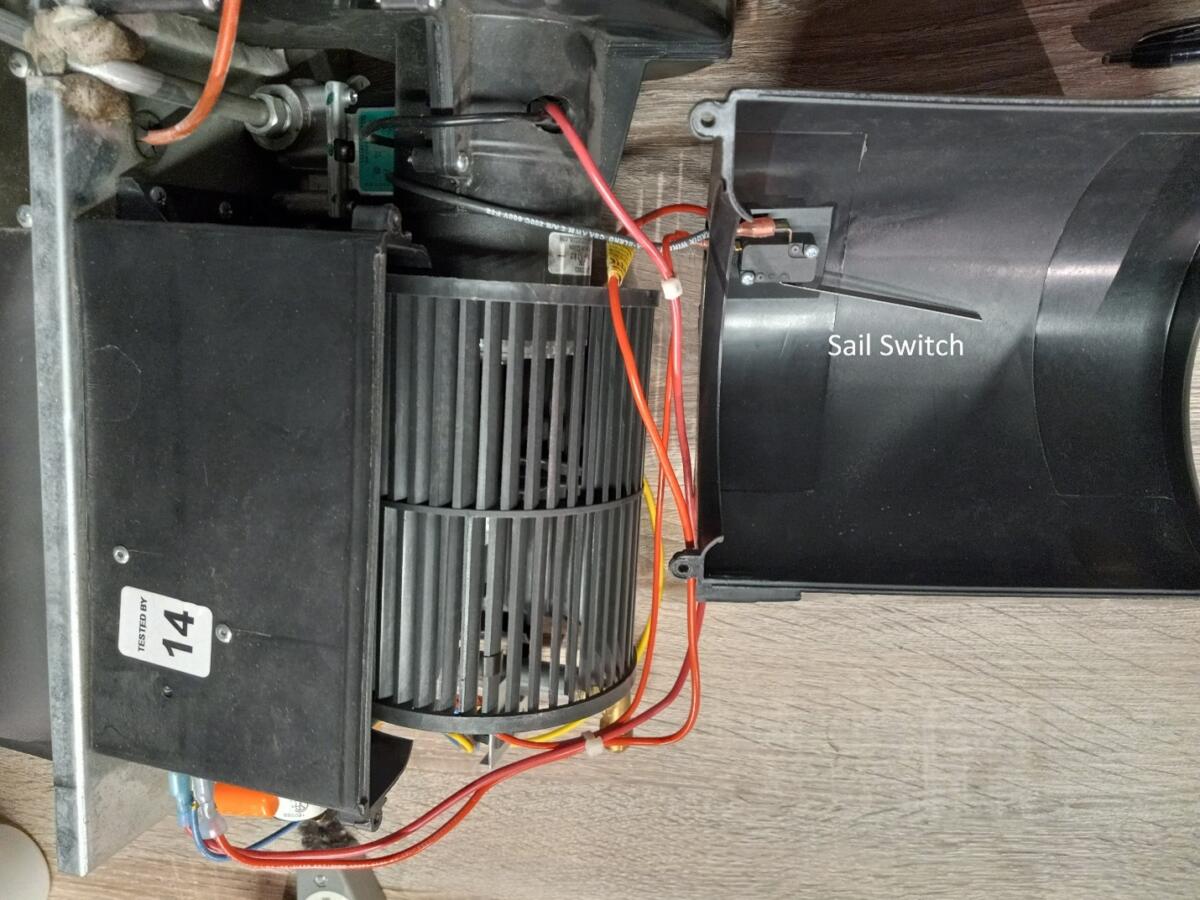
The fan draws the air in and blows it over the burner assembly which passes the sail switch. The airflow needs to be good enough to lift the switch, which then creates another closed circuit and sends 12-volt power back to the module board, at which time it opens the gas valve and attempts to light.
The fan also draws outside air through the vent passing through the burner assembly, purging it of any lingering fumes and out the exhaust port.
What to check first
The first thing to verify is that the fan motor starts and then there is a click of the gas valve opening and an attempted spark sequence.
Oftentimes owners think the furnace is actually working for a short time when in reality only the fan is blowing. If the airflow is not sufficient to raise the sail switch, it will not open the gas valve and will shut off. This could be due to low 12-volt power, a dirty or weak sail switch, or a blockage of the vents not allowing the air out.
How I troubleshoot an RV furnace
The first thing I always do when troubleshooting is to plug the unit into shoreline power to verify it is getting good DC power from the converter. Do not trust the house batteries even if you THINK they are good.
If the fan runs, the gas valve opens, and you hear a spark sequence, then the next step is the spark will attempt three different times and shut off if the burner assembly does not light. There is a thermocouple that senses a flame.
If the burner assembly does not light, it could be low LP pressure, a crack in the ignitor (piezo) that sends the spark to a ground rather than the burner, or misaligned spark probe.
If the burner assembly starts but then goes out, it could be low 12-volt power as it may have been enough to start but drops fast.
Could be temperature sensor
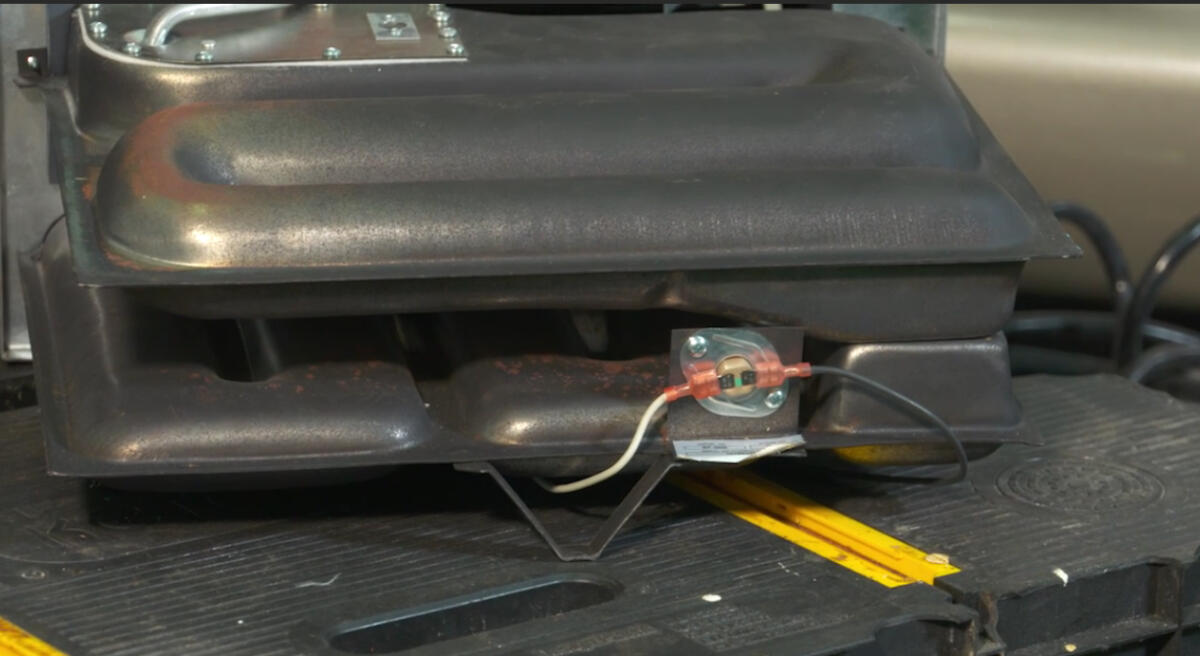
It could also be the temperature sensor, called the high limit switch, located on the back of the burner assembly which senses high temperature and shuts the unit down. If it is bad, it will mistakenly think the temperature is too high and shut the unit down.
Make sure the unit is plugged in and there is sufficient LP, and verify the steps of operation, and you should be able to pinpoint the function that is causing the issue.
You might also enjoy these posts from Dave
- Why do metal shavings appear under RV’s furnace after traveling?
- RV furnace smells like rodent urine. Is there a filter to change?
- RV’s furnace blows warm air only. What should I check?
- No-heat furnace fixed!
- Does my RV’s furnace have an air filter? Should it?
- What’s causing the RV furnace to run a short time and then show airflow-limit fault?
- Furnace airflow issue follow-up with photos
DAVE HAS ANSWERED MORE THAN 1,000 readers’ maintenance and repair questions. Read a directory here. There is so much to learn!
Dave Solberg is a leading expert in the RV industry and the author of the “RV Handbook.”
RVDT2707

Thank you for the trouble-shooting steps, Dave! Have a great day and safe travels!