

By Gail Marsh
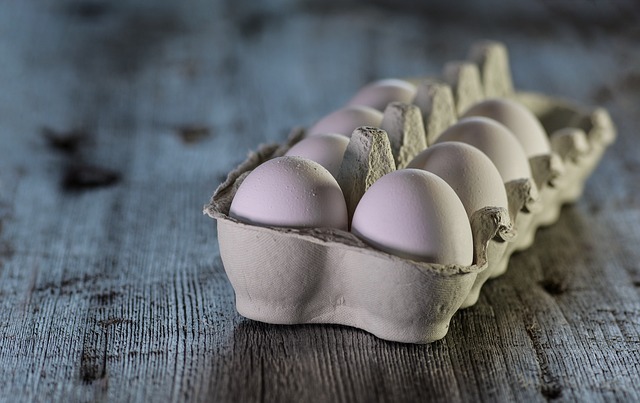
I’m not a big fan of chickens. An ill-mannered rooster chased and pecked my ankles when I was 6, but I still love eggs! Here are some egg-cellent tips for RVers.
Fresh or not?
You can conduct a float test to determine the freshness of your eggs. Fill a clear glass with water until it’s 3/4 full. Carefully place an uncooked egg into the glass. If the egg sinks and comes to rest on its side at the bottom of the glass, it’s fresh. If the egg sinks on end or at a slant, it’s not as fresh but it’s perfect for hard boiling. If the egg floats, it is no longer fresh, and you need to toss it out.
No cracks
Hiking, biking, swimming, and other activities add to the RVing experience. Hard-boiled eggs are a quick and easy way to increase your protein intake while camping. To keep eggs from cracking while you boil them, use a push pin or thumbtack to make a hole in the bottom (rounded) part of each egg. The hole will relieve the pressure that builds as the egg cooks and the trick should prevent the shell from cracking. Hint: Eggs also peel easier.
Chop eggs quickly
When making egg salad, use a hinged potato ricer like this one. Put several hard-boiled eggs inside the ricer at once and with one quick squeeze, the eggs are ready.
Peel with ease
Here’s a tip for peeling a hard-boiled egg. Put the hard-boiled egg into a container that has a tightly fitting lid. Add water to the container so that it covers the egg. Then securely fasten the lid, and shake. That’s right, shake the egg and soon the shell will become loose. Remove the egg from the container and easily remove the shell.
Separate yolk from egg white
I didn’t think this would work until I tried it myself. Crack an egg into a bowl. Touch your fingers and thumb to a piece of bread. Then use those same fingers/thumb to pick the egg yolk right out of the bowl, sans egg white. Magic!
Bottled breakfast
Before you head out on your camping trip, crack eggs into a container that has a tight-fitting lid, like a coffee creamer bottle. Put the container into your cooler. This method will save space in the cooler and prevent the risk of contamination because the melted ice water will not have direct contact with the eggs. Be sure to keep the eggs cool (below 40 degrees) until you cook them.
Freeze ‘em
That’s right, you can freeze eggs. Crack each egg into an individual section of a large size ice cube tray. Then freeze. Once frozen, remove the egg cubes and store them in a plastic zipper freezer bag for later use.
Eggs for a week
Cook scrambled eggs on a baking sheet pan. Eat what you want for today’s camp breakfast and then cut the leftover eggs into portion sizes and store in an airtight container in your RV’s fridge for later. Here’s a recipe, along with other ways to use the sheet pan eggs.
Cast-iron fried eggs
Stuck, ripped apart, burned eggs. That’s what I used to get when cooking fried eggs in our cast-iron skillet. But not anymore! That’s because Cowboy Kent Rollins shared his secret ingredient with me. Well, he didn’t share with me personally, but with anyone who watches his YouTube video. Hint: His secret ingredient is water. Watch the video here.
Wrap ‘em up
Wrap beaten eggs, veggies, cheese, and seasoning in foil packets and cook them over the campfire or grill. This no-fuss method results in delicious, customizable egg scrambles with minimal cleanup.
Breakfast egg cup
Grease a muffin tin and crack an egg into each cup. Add toppings like cheese, cooked bacon, or spinach, then cook the eggs on the campfire grill or in the oven. These individual egg cups make for a convenient and portable breakfast option. The best part? Each person can use their preferred omelet ingredients. Store leftovers in the fridge for tomorrow’s breakfast.
Your turn
Can you share an egg-cellent tip or two with us? Use the comments to do so.
RELATED
- 36 crazy ways to cook eggs
- How to cook a perfect fried egg in a cast iron skillet
- Quiche recipes that are worth the price of eggs!
- Why RV egg cartons are worth having in your RV
- Delicious deviled egg recipes for game days, holidays, and more
RVDT2916
Put a cracked egg in a baggie, add some cream, mush and shake the baggie, add whatever you want, (except cheese) and drop in a pot of boiling water. When it is cooked dump on a plate and add cheese if you like
I like to put a layer of paper towels on a paper plate, and cook 2 slices of bacon in the microwave. When it’s finished, I throw the paper towel away, crack 2 eggs on the paper plate and scramble them. Cook for a short time, then scramble the uncooked portion a little bit more and cook until done. The eggs pick up some of the taste of bacon. I wouldn’t recommend this for anyone who is on a restricted diet, but what my doctor doesn’t know doesn’t bother him.
Best revenge for an aggressive rooster – eat eggs!
Poking a hole in the egg risks bacterial contamination and cracked shells while cooking.
The secret to perfectly peeling hard cooked eggs is heat. A lot of heat fast. Steaming your eggs for 12 – 13 minutes followed by an ice bath results in eggs that peel perfectly. A pressure cooker works also but steaming is easier.
The fast application of heat causes the whites to shrink back from the membrane lining the shell which makes the eggs peel perfectly.
Gail, I must tell you when you use the word “egg” in RV Travel articles it is somewhat of a double entendre (though not suggestive) in that small fiberglass trailers such as Scamps and Casitas are often referred to by their owners as “eggs.” Needless to say, none of those owners want to crack or scramble their eggs! I did pass your tip about using a potato ricer to my spouse and she stated “that makes a lot of sense,” rather than chopping the hard boiled eggs into small pieces.
Thank you for these many ways to cook eggs while traveling, Gail. DW bought me a small unit that holds several eggs and will cook them however desired. My preference is hard boiled. I made several before our last trip. However, my habitual breakfast excludes eggs. So, I ate all but two after we returned home. Have a great day and safe travels!
We love pickled eggs! They are a high protein snack for us and we also put them in salads. The recipe I use has cider vinegar, bay leaf, whole allspice, garlic, mustard seed, dill seed, and peppercorns. Recipe makes two quarts—eight to ten pickled eggs per quart depending on the size of eggs used. Usually takes about twelve days to pickle them in the fridge. These pickled eggs are great to take camping.
We also love deviled eggs! I make mine with curry, garlic, and horseradish and sweet pickle relish.