


Dear Dave,
Love your website! I have set up a ladder and used a tape measure to check for the maximum height on my RV to the highest point (A/C cover top). What amount of the measurement would you or the trucking industry recommend adding to this as a safety margin? If the measured height (on level ground) is 10’11” (131″), what should I consider using as the safety height for low clearance markings?
Thanks so much. —John, 2024 Rockwood 2518S trailer
Dear John,
According to the Rockwood brochure, the average height is 10’11”, so your rig is spot on. However, I have found that rigs vary in dimensions, especially height, due to suspension and what is loaded inside the rig.
Some factors that could affect your overall height are the contents you load in the rig, the suspension and how it might “squat” with that load, and what type of bounce or “highway hop” you might experience. Running under a bridge at 60 mph, or more, might create a much taller overall unit and land you on YouTube!
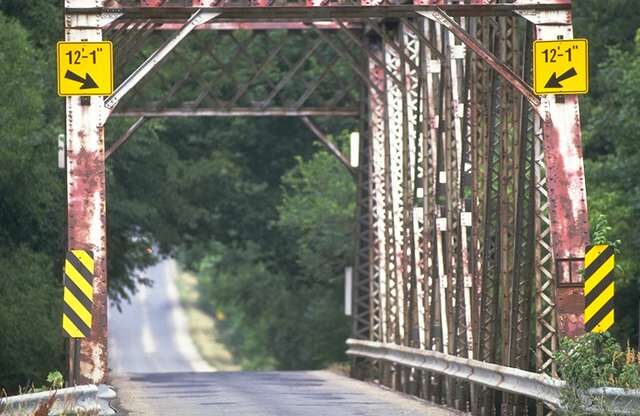
State bridge and overhead clearance safety margins
States are required to post the clearance of any bridge or overhead lower than 16.5’, However, most have a safety margin of 3″-6” added on, according to my local Iowa Highway Patrol friend. But he also indicated that the sign is not changed or altered when a road gets repaved with an additional layer of blacktop!
We did some research and could not find any listing of what states use what safety margin. Therefore, I would consider creating your own, as you have indicated.
Most states have a maximum vehicle height of 13’6” on interstates, so they have a minimum requirement of 14’6” at the crest of the middle of the road. You will find low clearances when you get off the beaten path. So, I would recommend setting a safety margin of at least 6”. If your rig has a soft suspension and likes to see how tall it can get, maybe even more.
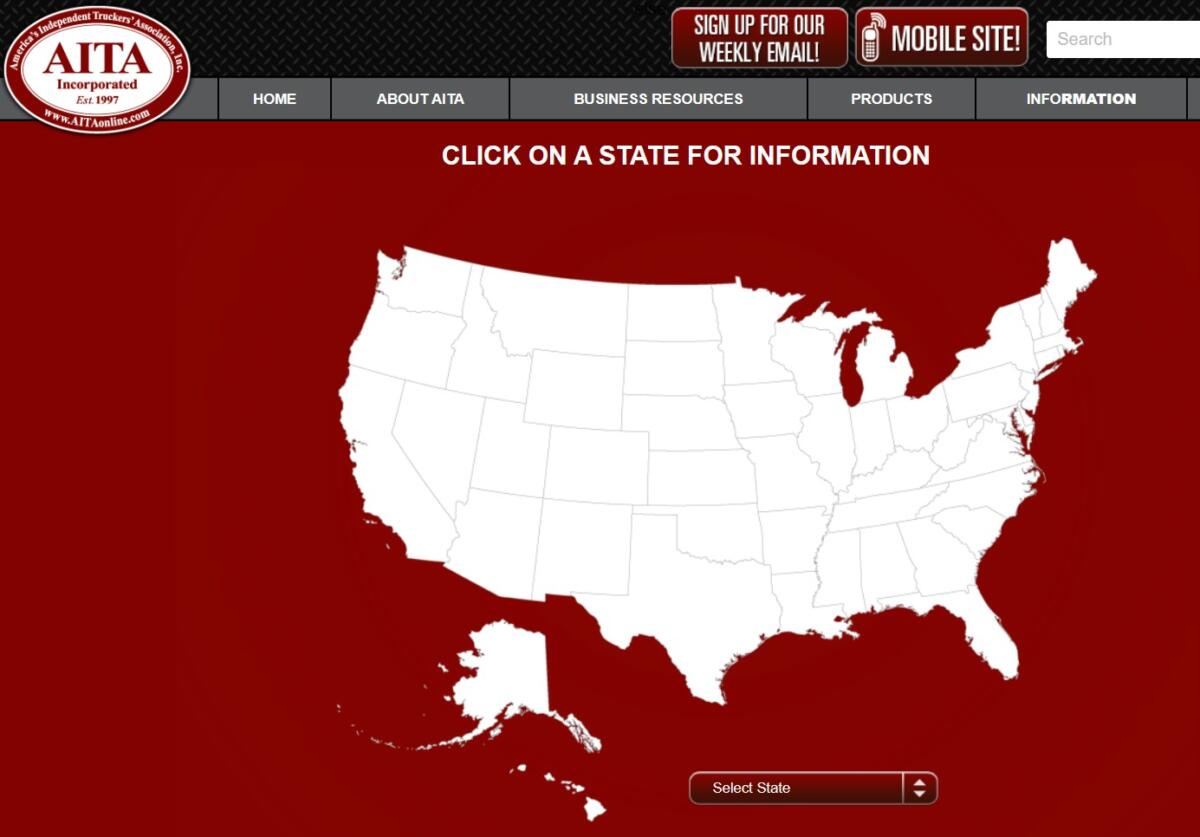
For clearance information on each state, and much more information about highways, including truck stops, weigh scales, rest areas, etc., check out the America’s Independent Truckers’ Association website here. Click on a state, then scroll down for a long list of available information for that state.
You might also enjoy these posts
- My RV height is shorter than the brochure states. Did I miss something?
- RV height clearance: QUICK! What’s the height of your RV?
- Have you measured to learn the exact height of your RV?
- RVer miscalculates bridge height. Oh, not a pretty result!
- Know your RV’s height. What can happen if you don’t!
- The many useful RV applications of Google Earth – Part 2: Height clearances
DAVE HAS ANSWERED MORE THAN 1,200 readers’ maintenance and repair questions. Read a directory here. There is so much to learn!
Dave Solberg is a leading expert in the RV industry and the author of the “RV Handbook.”
HAVE A QUESTION FOR DAVE?
Send your inquiries to him using the form below.
RVDT2951

I use a Rand McNally truckers edition GPS. I can set my height, width, weight, avoid tolls, and a few other settings, to avoid problems. It also avoids sending through residential areas, where there are low branches and low wires. Standard GPS doesn’t do that.
The link in the article just took me to an unusable picture of that map. Here’s the actual website that functions.
https://www.aitaonline.com/information/
Thanks, Mikal. That’s the exact same link as the one in the last paragraph, under the image, which does work. The image itself is not linked. Have a great day. 😀 –Diane at RVtravel.com
I’m just under 11′, I won’t try less than 12′. Usually pretty comfortable passing under at speed if at least 13′. In addition to Dave’s mention of added pavement, rough spots causing bounce, and road crowns, I’ll add entrance and exit slopes. If there are slopes, your rig may straddle the spot where the measurements were taken and as a result clearance may be less than indicated.
If you have air suspension, be sure to check your clearance at the “road” or “travel” height which can vary, especially in the aft section of the Rv (Motorhome?).
Another thing to be aware of is the placement of the sign. It may be above only one lane of the road. A sloping over pass will be higher on one side than the other. If it’s in the center, you may be OK.
We have one here in Western PA that shows the height and a downward facing arrow above one lane.