


Camping with your furry friends can be a delightful experience, but it also comes with its own set of challenges and risks. One of the lesser-known dangers is the threat posed by large birds of prey, such as eagles, hawks, and owls. These powerful birds have been known to swoop down and snatch small animals, including dogs and cats. Here’s how you can ensure your pets stay safe and secure during your outdoor adventures.
Understanding the threat
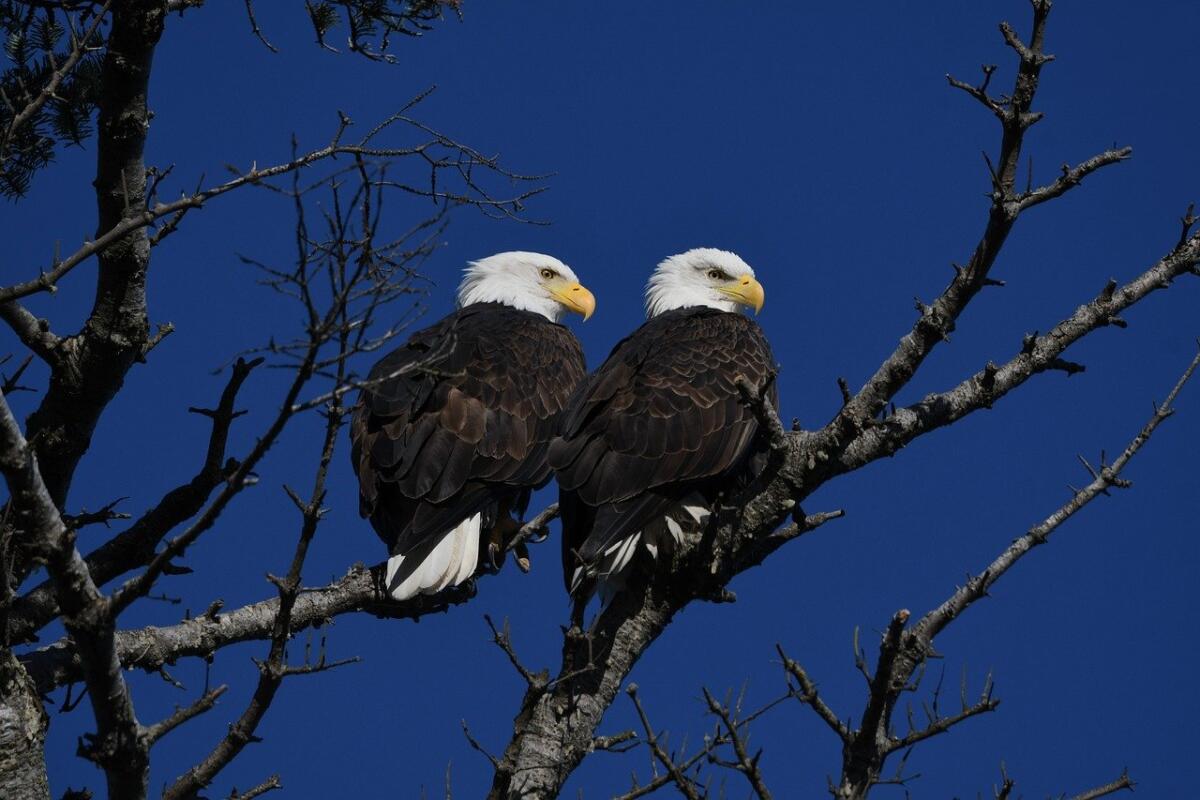
Birds of prey, or raptors, are equipped with keen eyesight, sharp talons, and strong beaks. They can spot small animals from a great distance and strike with incredible speed and precision. This video was posted recently on Instagram. And this YouTube video captured a January 2024 eagle attack. Here’s another video where a dog was taken by a raptor.
Common raptors that might pose a threat to your pets include:
- Eagles. Known for their impressive size and strength, eagles can carry off animals weighing more than itself.
- Hawks. These birds are agile and have been known to prey on small animals, especially in open areas.
- Owls. Often active at dusk and during the night, owls can silently swoop down on unsuspecting prey.
Tips to protect pets
- Supervise your pets. Always keep a close eye on your pets when they are outside. Supervision is key, especially during dawn and dusk when birds of prey are most active.
- Use a leash or harness. Keep your dog fenced in or on a leash or harness to keep them from wandering away from your RV. For cats, consider using a cat-specific harness and leash. This not only keeps them close but also makes them less vulnerable to attacks.
- Stay in covered areas. Set up your campsite in areas with plenty of tree cover. Birds of prey prefer open spaces where they have a clear line of sight to their prey. Trees and shrubs can provide a natural protection.
- Create a safe zone. Use portable pet tents or crates to provide a secure place for your pets when you are not able to supervise them directly. Ensure these enclosures have roofs to prevent aerial attacks.
- Avoid attracting raptors. Keep food and food scraps securely stored to avoid attracting birds. Raptors are more likely to be in the area if there is an abundant food supply.
- Use reflective gear. Equip your pets with reflective collars or vests. Or fasten reflective items on your portable fencing. The reflective material can disorient birds of prey and make your pets less appealing as targets.
- Be aware of local wildlife. Before beginning your RV trip, research the local wildlife in the areas where you plan to camp. Knowing the types of birds of prey in the region can help you take appropriate precautions.
- Stay vigilant at night. If you have to let your pets out at night, use a flashlight to scan the area. Owls, which hunt at night, can be deterred by bright lights and noise.
What to do if an attack occurs
Despite your best efforts, if a raptor does attack your pet, try to make yourself appear larger and more intimidating. Shout, wave your arms, and use any nearby objects to scare the bird away. After ensuring your pet’s safety, check them for injuries and seek veterinary care if necessary.
Protect pets
Camping with your pets can be a rewarding experience, but it’s important to be aware of the risks posed by birds of prey. If you take these precautions and remain vigilant, you can enjoy your outdoor adventures and keep your pets safe. Remember, the great outdoors is home to many wild animals, and being prepared is the best way to ensure a fun and safe trip for everyone.
RELATED
- Do these things in case of a dog attack
- Nine most dog-friendly campgrounds
- How about an inflatable dog fence for the campsite?
##RVT1170


I know of someone who had one of those bird watching apps on their iPad that could also make the sound of the bird. They knew there were owls in the area so they played the sound the owls make. Sure enough they saw one and so did their snack-sized dog because the owl took that dog and flew off with it.
WOW! Just WOW! We have several owls in our neighborhood who return from time to time to clean out the area of rabbits, squirrels, and other small vermin. These guys are huge, and I Iove ’em.
Our area has plenty of bald eagles. A family just down the road dresses their small dog in a ‘punk’ vest with plenty of long colorful nylon spikes over its back. And the dog is never outdoors by itself.
Gail, I have to take exception with some of the details in your article. Having worked for over six years for a raptor rescue organization. I am quite familiar with bald eagles, as well as various species of hawks and owls.
While there are exceptions, raptors can’t fly and carry more than half their own body weight. The largest hawks and owls in the US weigh a little more three pounds. They can’t carry much and they don’t eat people food.
Here’s an article about eagles. Half way through the topic of “Can an Eagle Pick Up a Dog” is discussed. Eagles feed primarily on fish. If fish aren’t available they will look for carrion. The live food option is last.
Sorry to disagree.
Largely agree, there is quite a bit of pearl clutching in this article.
We should distinguish between Bald Eagles, which largely survive on a fish diet, and Golden Eagles which hunt small mammals such as Chihuahuas. Carrying off prey is less common than it is portrayed in movies and documentaries. It’s dramatic but many raptors that luck into larger prey will feed on the ground with their catch. One thing I would note is that Great Horned Owls will take larger prey such as rabbits. Because they can’t carry the carcass off, they decapitate the prey and take the head.
If you want to worry about a predator taking your pet, then worry about coyotes.
One big problem with trying to watch the dog and scare off the predator.
By the time the bird grabs the dog, the damage is done. It only takes seconds for the bird to dive and grab the dog.
A fence or leash will not stop the attack. My daughter has 5 chickens. She has ‘bird netting’ hanging from the trees around the pen.
Thank you, Gail! 🙂 We will keep a keen eye on dog #3 when traveling, and especially when we go to Alaska. Thanks again, have a great week, safe travels, and safe stays! 🙂
I can’t imagine letting something get my dog. Mine is over 50 pounds, and I have to be careful of cougars among other things. In June, where we camped, we were walking away from a tree with two bald eagles. Suddenly, one glided past me, going to the creek and lit on a log. My dog is always attached to me, and he was on my other side, but I was certainly wondering what would have happened if he was small. Another was perched in a tree alongside our camp space most of our stay, but he did not seem interested in my dog.