


By Gail Marsh
When you’re out on the road and enjoying a cozy campfire, safety sometimes means more than just keeping a bucket of water nearby.
A recent incident at a campground serves as an important reminder: Burning fresh-cut wood can have unexpected—and dangerous—consequences.
A cautionary (and true) tale
Recently, a group of RVers settled in for an evening campfire. Adjacent to their campground, workers were busy clearing trees from the property line. The workers generously offered campers some freshly cut wood. The wood looked perfect for a fire, and the campfire turned out beautifully.
However, the next morning, a 10-year-old camper awoke with red blotches across her face, swollen eyes, and puffy cheeks. What initially seemed like an allergic reaction turned out to be a severe case of contact dermatitis.
After the family consulted with a pediatrician, photos of the rash led to a critical question: Had anyone burned fresh-cut wood?
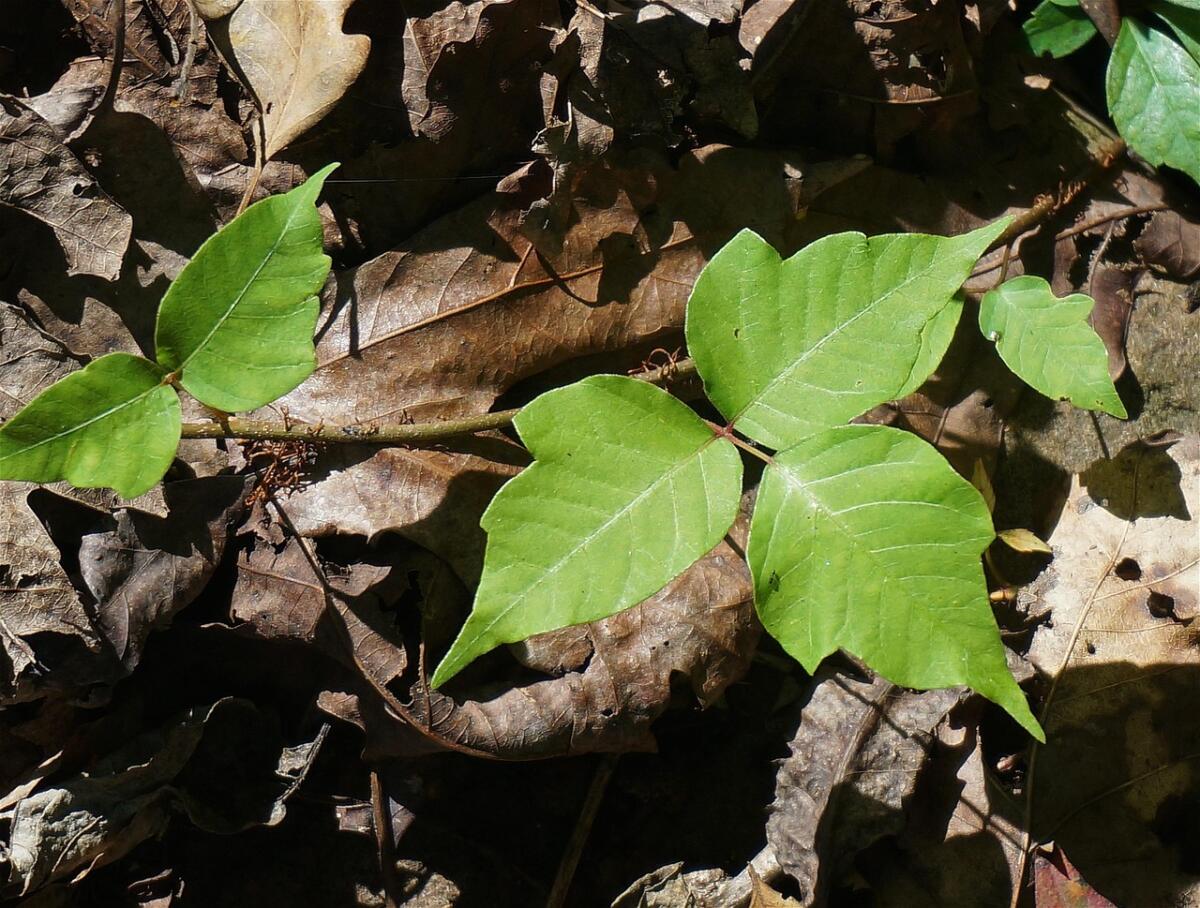
The doctor explained that the wood likely carried remnants of poison ivy or poison oak—plants known to harbor urushiol, the toxic oil responsible for severe allergic reactions. In some cases, anaphylaxis can result. A round of steroids helped reduce the swelling, but the horrible incident was a stark warning about the hidden dangers of burning fresh wood.
Hidden dangers
Freshly cut wood, especially when sourced from areas with overgrown vegetation, can harbor poison ivy, poison oak, or even poison sumac.
When burned, the heat releases urushiol into the smoke—a process that can turn a simple campfire into a dangerous health hazard. Even if you’re not directly allergic to these plants, inhaling the toxic smoke can lead to respiratory issues and, in some cases, trigger widespread skin reactions or worse.
Choosing the right wood
For RVers who love the traditional charm of a campfire, the type of wood you burn matters. It really matters!
• Use seasoned hardwood: Opt for dry, well-seasoned hardwoods such as oak, maple, hickory, or cherry. These woods not only burn more efficiently but are less likely to carry contaminants that could harm your health. Freshly cut wood tends to have high moisture content and may not have been exposed to the elements long enough to let off any potentially harmful substances.
• Avoid fresh-cut wood: As tempting as it might be to use wood that’s readily available nearby, freshly cut wood might be contaminated with toxic plants like poison ivy or poison oak. Even if the wood seems clean, it could still harbor urushiol, which becomes airborne when burned.
• Inspect the wood: If you’re gathering wood on your own, carefully inspect it for any signs of unwanted vegetation. When in doubt, it’s best to err on the side of caution. Reputable camping and outdoor safety guides consistently recommend using dry, seasoned wood to ensure both a cleaner burn and a safer campfire experience.
Propane alternatives
For those who want the ambiance of a campfire without the potential risks of burning wood, propane alternatives are an excellent option.
Propane fire pits offer a controlled flame, reduce smoke production, and eliminate the risk of toxic plant residues in the fuel source. These devices provide an easy-to-use, cleaner-burning alternative that can be especially appealing in RV settings where convenience and safety are top priorities.
Final thoughts
Campfires are a beloved part of the RV lifestyle, but safety should always come first. Avoid burning any kind of fresh-cut wood, especially if there’s any chance it might contain poison ivy, poison oak, or similar plants.
By choosing seasoned hardwood or even considering propane alternatives, you can enjoy your campfire with peace of mind, knowing you’re not risking a serious allergic reaction or dangerous respiratory issues.
Keep these tips in mind the next time you plan a campfire. A little extra caution can ensure that your RV adventures remain enjoyable and safe for everyone around you.
RELATED
- How to identify poison ivy, poison oak, and poison sumac
- Why you should NEVER put wet rocks in a campfire
- Campfire cooking isn’t just for summer; try one of these recipes now
- RVing and campfires: Connecting, adapting, and embracing life’s simple pleasures
- Take care with campfires
RVDT2881

We were staying at a campground where one of the workers was using a large propane vegetation torch to remove weeds along the edge of a small pond.
Two days later he was taken by ambulance to the emergency room. His mouth, face and throat were severely swollen. Seems some of the weeds were poison ivy.
He was still in the hospital when we left 4 days later.
OMG ! I had no idea this could be such a health hazard. Thank you for bringing this to our attention.
I’m more of a desert rat so I’m a bit confused. Are we talking about literally fresh cut wood or in actuality, “green” wood?
Also if you’re cutting up trees that have fallen watch out for vines! We were cutting up a tree and stacking on a trailer to split later and I realized half way through there was a dried out vine of poison ivy. I didn’t wait, I went back to the house and showered. Only a small area got a rash.
We use a FireCan propane fire pit because smoke and I don’t get along well.
Another desert rat here. I’d gathered wood from back-of-the-beach area in Baja one time, beat it up, kicked it around, then beat it against the ground again. And when I put a new piece, I STILL had scorpions crawling out of it to get away from the fire. 🫣
If in a campground, I scout recently occupied sites for firewood, or charred firewood. I often give it away as my wife no longer likes campfires. They were fine when we backpacked.
There have been at least 2 known deaths caused by inhaling poison ivy smoke. One was several years ago in Tennessee, where a man clearing brush from his property inhaled large amounts of smoke from the wood as he worked. I don’t remember where the other case happened.
I can attest from personal experience that for the severely allergic, 👋, one only has to be downwind of a patch of poison ivy/oak/sumac to breakout. Side note: cashews, aka the blister nut, can also be an issue.
Great point! Though I usually get struck by poison ivy while I am crawling around looking for fresh wood.
Firewood bundles reflect local forests: in the Midwest and East (including Missouri/Kansas), they’re usually dense hardwoods like oak and hickory; in the Southeast, hardwoods are often mixed with faster-burning species; in the West and mountains, expect mostly softwoods like pine and fir; and in arid regions, bundles tend to be lighter, mixed, and lower-density due to limited supply.