


Dear Dave,
My RV has no driver side rear brake or turn signal lights. I suspect a bad ground, but where is it? Also the over-cab marker lights don’t work at all, and only worked intermittently previously. —Mike, 2021 Jayco Greyhawk 29MV
Dear Mike,
The ground on any RV lights can be a real “gremlin,” as there seems to be no consistency in wiring schematics.
The 12V power for your Class C marker lights is provided by the chassis battery, with both positive and negative feeds. I believe your Greyhawk uses the same Ford E450 cutaway chassis as this Winnebago Minnie.
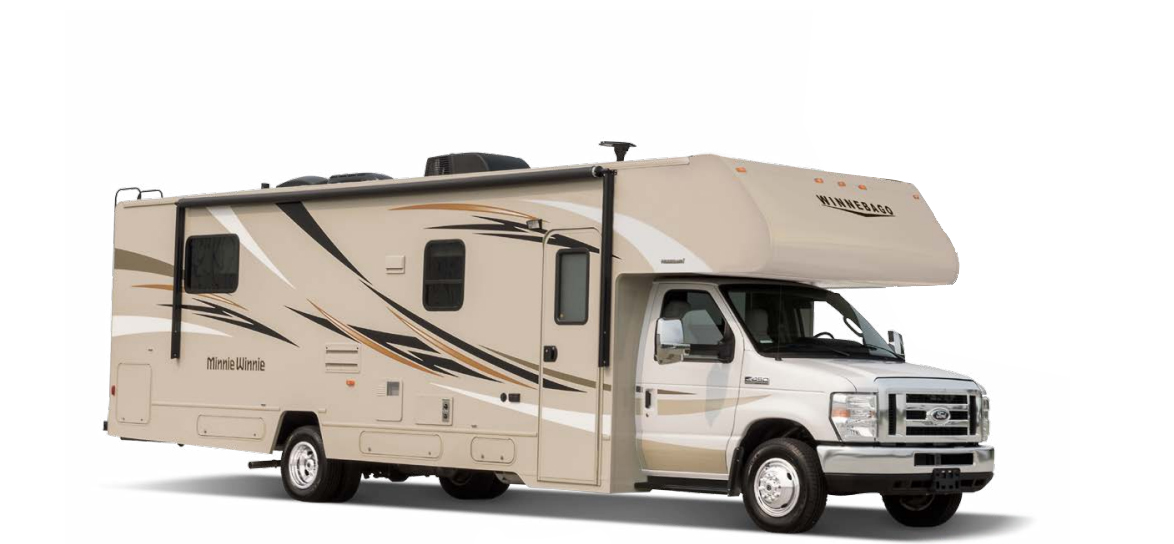
Class C wiring
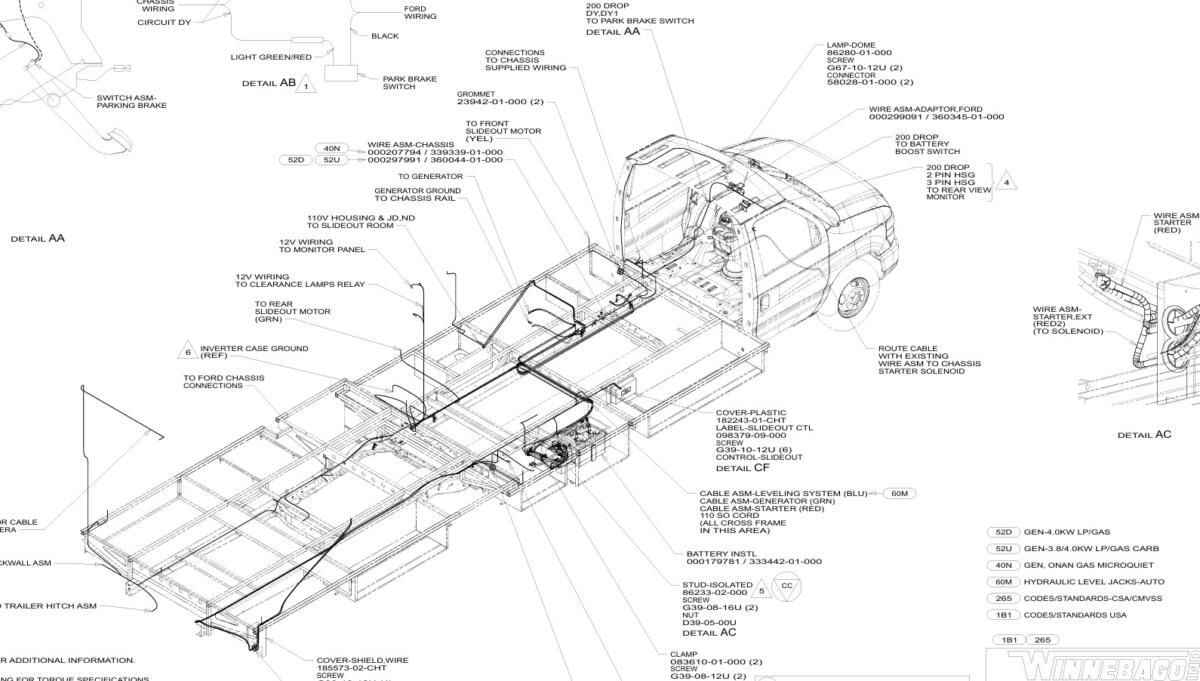
The wiring harness runs between the chassis rails in this model, and I would assume yours is very similar. I would suggest contacting Thor to see if you can get a wiring diagram, although it may be very simple.
Here is the schematic from the 2021 Winnebago that may be of some help.
Here is the wiring diagram of the back wall with tail lights and markers.
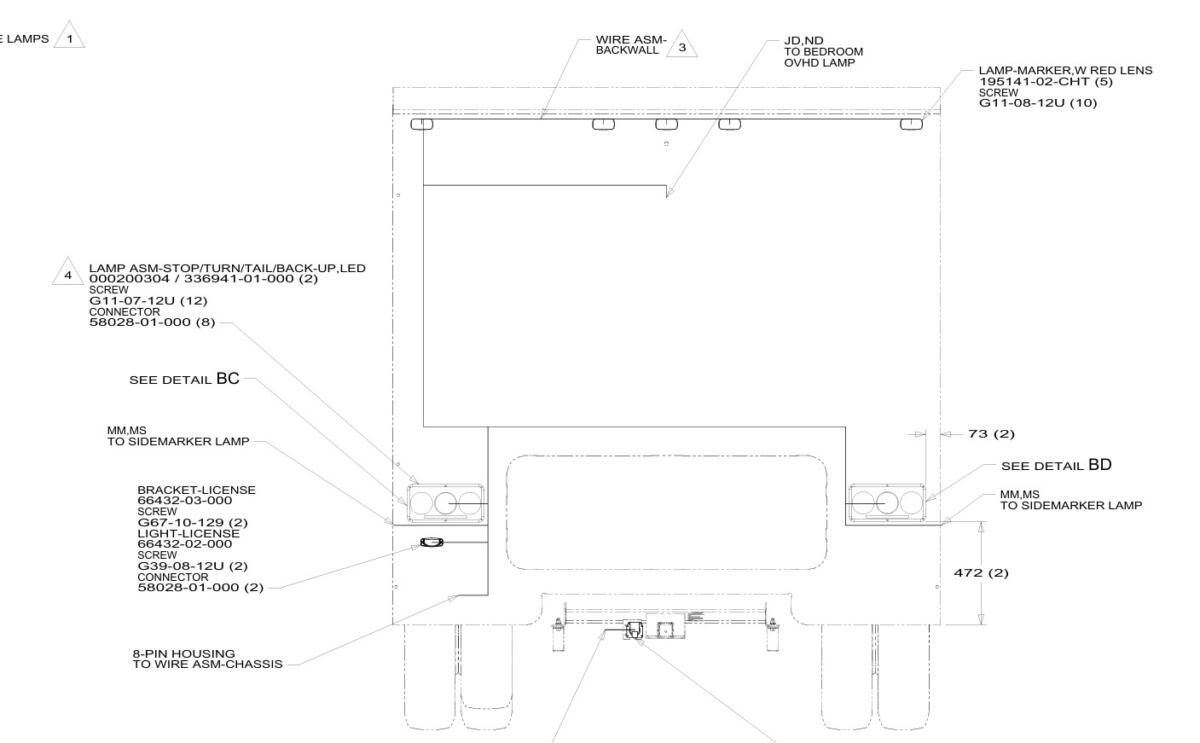
I realize it might be hard to see; however, the wiring assembly comes to the back and is routed into the back wall and “ganged” to the other fixtures. If the right or passenger side tail light is working as well as the upper marker lights, it would indicate the issue is at the left or driver side fixture.
What to test first
I would start with a multimeter or simple 12V test light. Remove the tail light lens and then the fixture and test the metal outlet of the tail light as well as the wiring coming in. Also, verify the front driver side turn signal is working, which will verify it’s not up in the cab area.
Tail lights are notorious for getting corroded and fail due to moisture flying up the back while driving in wet conditions. Add the constant vibration while driving on the always-bumpy roads across the country and it’s easy for a wire to become compromised and create an open circuit.
The challenge you will have here is tracing the wiring that is embedded into the back wall; however, it is a little more isolated with one fixture.
One other question: Does the fixture light up when the lights are turned on, such as the marker lights? This will help isolate it even more.
Front clearance lights
Next is the front clearance lights. Since they are working intermittently, I would suspect a loose connection. These are also ganged. Here is a diagram of the Winnebago model.
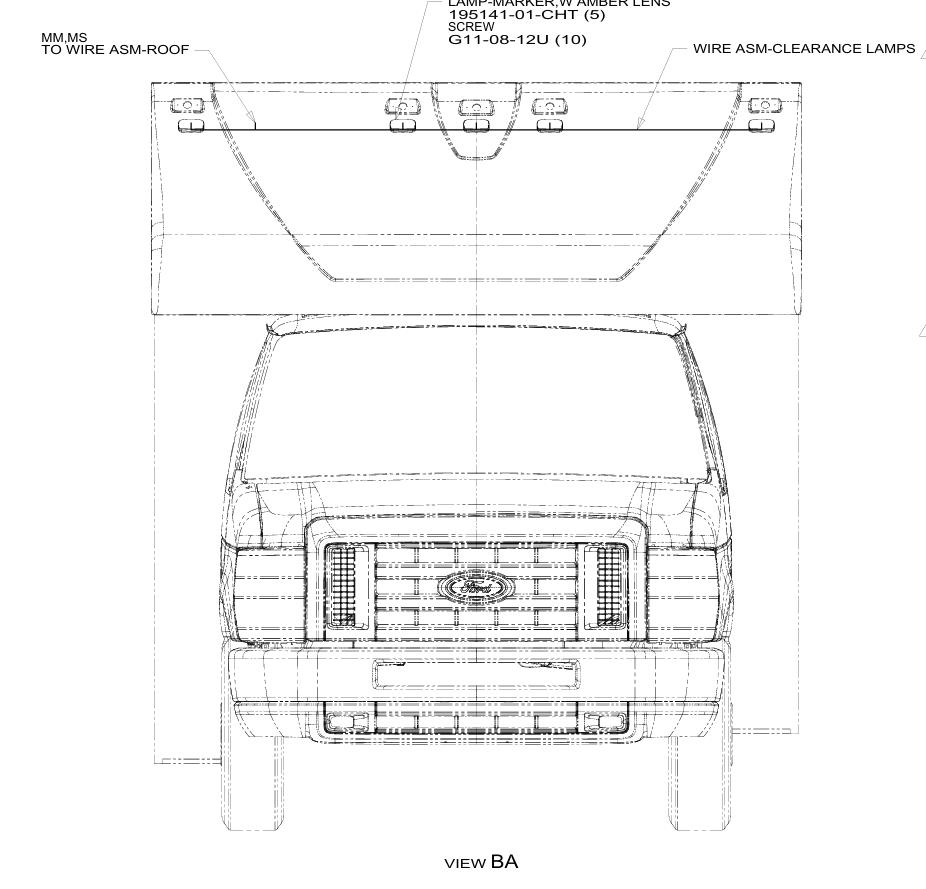
Again, there is one supply line to all the overhead fixtures, so you should be able to pull them out and verify the connections.
These are also notorious for wicking moisture during driving rains. A cracked lens will allow moisture to get inside and can corrode the terminals. Since it is intermittent, it might be getting wet and then work again once it dries out.
Keep in mind, there is a dedicated positive and negative wire going to them. They do not ground to a nearby metal component like the older house 12-volt system did.
You might also enjoy these posts from Dave
- Why does one trailer taillight work but no other lights, whether hooked up or not?
- None of my trailer’s marker lights work. What should I look for?
- Why are RV’s taillights different brightness, and no brake lights?
- Why do my RV’s lights only work for a few minutes when unplugged or with generator off?
DAVE HAS ANSWERED MORE THAN 1,000 readers’ maintenance and repair questions. Read a directory here. There is so much to learn!
Dave Solberg is a leading expert in the RV industry and the author of the “RV Handbook.”
RVDT2732


Always fun to chase intermittent electrical problems. I like the way that you approach the problem. One short at a time.
I’m appalled at how cavalier RV manufacturers are about grounding, using carbon-steel screws that rust away, simple crimp connections that corrode, and leaving wires loose so they flop around until they eventually break. I hope Mike is successful in finding the gremilins in his rig.
Thank you for the discussion, Dave! Seems that electrical problems must be the hardest RV problem to identify the cause(s), given how little documentation typically exists unless an owner creates it through trial-and-error. A similar problem can occur if one uses an umbilical cord to connect a drivable RV and a towed vehicle. That is, the towed vehicle’s receptacle may often be comparatively unprotected from road grit and moisture. Ultimately, one or more wires connected to the backside of the receptacle can come loose resulting in the loss of some of the towed vehicle’s tail lights when towing it. Have a great day and safe travels!