

By Cheri Sicard
Rolling down the open highway is one of the big draws of RV life, but each region brings its own set of weather risks. From dust storms in the Southwest to hurricanes along the Eastern Coast and tornadoes in the Midwest, knowing what could hit is key to staying safe on the road. In the video at the end of this post, Jason Epperson from RV Miles shares practical, real-world tips that help RV travelers get ahead of the weather, not just react to it.
Understanding regional RV weather hazards
RVers often know their hometown weather, but stepping into new territory means new hazards that can catch even seasoned travelers off guard. Rig safety depends on recognizing these dangers early. The advice here isn’t about fear, but learning the practical ways to keep a trip fun and safe—no matter the forecast. Knowledge is power when your home has wheels.
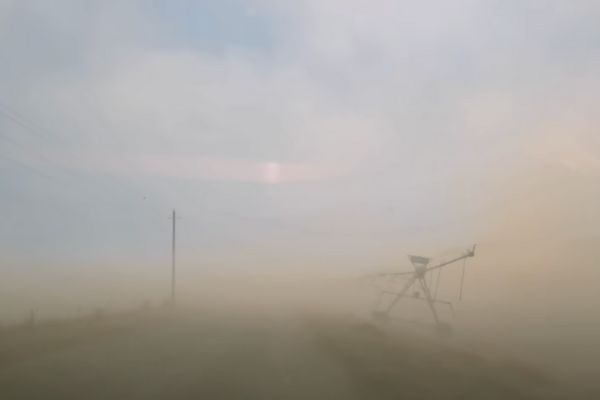
Dust storms in the Southwest: sudden and dangerous
The Southwest can throw dust storms at you with no warning. High-profile vehicles, like RVs, are especially at risk. For those used to rain and snow, dust storms can shock with how fast they wipe out visibility. If a wall of brown dust swallows the road, take these steps every time:
- Never drive into a dust storm.
- Pull completely off the pavement, not just to the shoulder.
- Turn off all your lights, including flashers. This keeps other drivers from drifting toward your parked rig.
- Wait it out until the storm passes.
Ignoring these steps can make a tough road downright perilous.
Flash flood risks and safety precautions
Desert washes and dry arroyos can turn into rivers without warning—sometimes when rain falls miles away. That means a dry campsite can become a trap if the weather shifts. Always avoid camping in low spots like riverbeds or washes.
Never drive through floodwaters. Water that looks shallow can hide potholes or washed-out pavement. Six inches of fast water can knock an adult down, and two feet can float an SUV. If a flash flood watch is issued, grab a go-bag and be ready to leave, even if you have to come back for your RV.
Preparing for hurricanes on the East Coast
Hurricane season on the East Coast is no time to gamble with a schedule. When a hurricane watch gets issued:
- Fill up fuel and propane tanks early.
- Stock up on water and food.
- Monitor local advisories, watching for updates on the “cone of uncertainty.”
When an evacuation order drops, move out early. RVs aren’t built to be storm shelters so it pays to stay one step ahead.
How high winds affect RV safety
Even moderate wind can turn a safe drive into a disaster for RVers. Here’s a quick view of how high winds affect RVs:
| Wind Speed (mph) | Effect on RVs |
| 35 | Can push high-profile vehicles sideways |
| 53 | Can overturn a stationary travel trailer |
| 65 | Can overturn a large motorhome |
When wind gusts hit 15-25 mph, slow down. When sustained winds reach 30-40 mph, it’s time to pull over. Ditch cruise control and keep both hands on the wheel. Don’t wait for tornado sirens—RVs can tip before winds reach those levels.
Delaying a trip isn’t fun, but it beats seeing rigs flipped on the side of the interstate. Experienced RVers pick parking spots where the rig faces nose-first into the wind. Be flexible and prioritize safety. A schedule isn’t worth the risk.
Snow and chains: mountain pass challenges
Mountain passes can go from clear to snow-covered fast. In states like Colorado and Oregon, chain laws might require you to use tire chains or traction devices, even if snow isn’t falling that day. Saving money means picking up chains before hitting mountain passes. For snow preparedness, here’s a quick checklist:
- Carry tire chains suited for your RV.
- Watch local law signs for chain requirements.
- Learn how to install chains before hitting the road.
Tornado awareness and safety for RVers
The Midwest and the South can bring tornadoes out of nowhere. RVs offer little shelter from twisters. Smart travelers look for nearby sturdy buildings or shelters, even before warnings are issued.
Practice tornado drills with family. Keep a weather app handy. Have a plan to leave your RV the second a warning comes in.
Wildfire awareness and response strategies
Wildfires move unpredictably and fast. Always have more than one way out of your campground or boondocking spot. If smoke drifts into your area, close windows, shut vents, and run the A/C on recirculate. Fires miles away can still affect air quality fast—don’t risk getting trapped or caught off guard.
Leveraging local weather sources
Local TV news and antennas can still offer the best real-time weather info. NOAA radios and good weather apps fill in gaps when the internet lags. Experienced RVers mix tech tools and gut instincts to stay safe wherever they’re camped.
Having a go-bag ready means you can leave at a moment’s notice, whether for flash floods or tornadoes. Essentials to pack include:
- Photo ID and important documents
- Prescription medications
- Basic toiletries and spare clothes
- Phone charger and emergency cash
Do you have other RV weather hazard tips? Be sure to share in the comments below.
RELATED
- RV tornado safety tips: How to survive a tornado when RVing
- It’s dust storm season: How to stay safe if you drive into one
- Are you ready for an emergency? Sure?
- Every RVer should keep this emergency safety item handy at all times
RVDT2714

Weather alert radio.
Always fill up, before parking.
Backup charging system for cell phone.
I see a similar Go Bag recommendations other places. How do people do it with the IDs? Place your wallet in the go bag every time it’s out of your pocket? I’m pretty sure anyone who needs to see an ID isn’t taking a photocopy.
Living in fire prone country, I have a plastic tub in the closet, but it’s empty with a list attached of what to grab. There’s water in the RV all summer too.
Know your current county! Almost all weather alerts include the affected county, and while cities might be mentioned, not all affected cities are listed.
We got really lucky in the 1990’s. Our weather radio warning (yes, they are still extremely valuable) listed the affected county but did not name the city in the mailing address for our campground. The campground was outside the city in the mailing address. Little did we know we were in the listed county and the tornado was only 10 miles away.
I live in Oregon so I carry chains (auto socks) for our car and for our motorhome. The auto socks qualify as a traction device and are a lot lighter and easier than chains to put on. I have always carried a set of chains in our cars just in case. Now I carry auto socks as they don’t take up any space so to speak. I figure if I have them I’ll never need them.
Along with other good suggestions, I always fill up with fuel before parking for the night. One never knows what might happen in the middle of the night or the next morning.
Thank you for sharing and summarizing Jason’s video, Cheri! Have a great day and safe travels!