

By Cheri Sicard
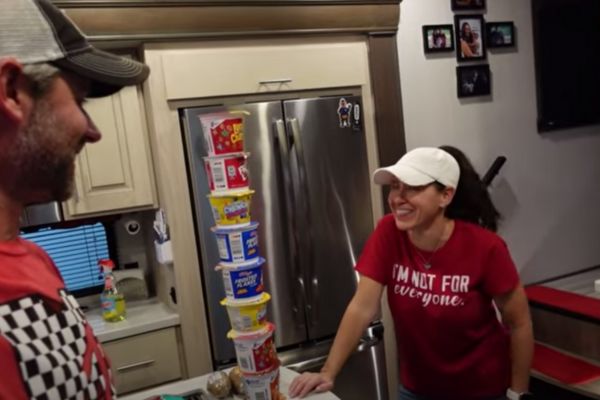
In the video below we join Dustin and Leslie, aka the Wayward Waggs, as they are prepping for boondocking off-grid for two weeks in Florida.
After moderating RV Travel’s Facebook groups, I know that prepping for boondocking is a hot topic and one that seems to especially confound RV newbies and even seasoned RVers who are only used to camping with hookups. The video below can help.
It all begins with a chore list in which you need to try to think of everything you might need while off-grid. Lists are good because there are a lot of moving parts to keep track of.
Prepping for boondocking steps
Below are the things the Waggs did to prepare for boondocking for two weeks. Every step may or may not apply to you, but it makes a good boondocking prep checklist.
• As weather in their Florida destinations covered a wide range of temperatures, the Waggs were going to have to carry along extra clothing and blankets. Pack according to where you are going, but these days uncommon weather fluctuations have become common.
• Meal planning is another important chore and it is best to do this before shopping so you will have everything you will need.
• Go shopping (the Waggs practically cleared out Walmart).
• Don’t forget to stock up on pet provisions, should you need them.
• Fill the propane tanks.
• Fill the freshwater tank.
• Start with empty gray and black water tanks.
• Make sure all batteries and devices are fully charged before leaving.
• Clean the solar panels to optimize their rooftop solar setup.
• Dustin changed the oil in their generator to ensure they would be able to seamlessly generate power while boondocking. In theory, they won’t need it, but you never know when a string of cloudy or rainy days will put a damper on solar charging capabilities.
• Since the Waggs planned to cook several frozen meals in their microwave while off-grid, they did a test before leaving to see just how much power they would need to cook two meals. This way they knew what to expect and how to better manage their electrical consumption when not plugged into shore power. Surprise: For their rig it only took 1% of power, even with other devices and appliances running, so this proved an efficient and convenient way for them to cook. Of course, your results may vary.
Useful items to have when boondocking
After they go shopping, the Waggs share some of the items they bought and why they consider them boondocking essentials:
• Buckets: The Waggs conserve water by keeping a bucket under faucets that collects water while they are waiting for it to get hot. You never want to waste water or gray tank space while boondocking. So, the collected water will be used to flush toilets or to rinse or wash things.
• Small loofah-type scrubbers: Well, they call these loofahs, but what they actually have are small plastic shower scrubbers. The Waggs like these because they are easy to rinse free of soap.
• When it comes to food they stocked the pantry with lots of canned goods, canned chili, ramen noodles, frozen foods, breakfast cereals, and other easy-to-make meals. (Personally, I say yuck to most of this. There are better, tastier, and healthier ways to eat while boondocking, but to each their own.)
• Hand sanitizer: Using hand sanitizer instead of washing hands with soap and water reduces water use and increases available gray water tank space.
• Paper plates and plastic utensils. I don’t personally do this and still successfully boondock for weeks at a time. But, again, to each their own.
RELATED
- Off-grid kitchen tips to extend boondocking time
- Boondocking bathroom tips: Stay another day (or week) off-grid
- Top 10 states for free camping and boondocking
- How to save power when boondocking
##RVDT2600
Don’t fill your fresh tank until you get there (unless you live close). Cook using the stove rather than electricity. Also, we use a drip coffee maker when boondocking too (to be used on the stove).
use the outdoor shower, if you have one, to wash hands and wash dishes. Saves gray water tank space.
Thaw out frozen food on the countertop or in the sink, then you do need to run the microwave.
Thank you for calling attention to this video and summarizing it, Cheri! We plan to go for a few days in a couple of weeks and will not have utilities, so this is a timely article for me; thank you! Have a great week and safe travels!