

Ex-fireman and Certified RV Technician Chris Dougherty points out some features of an RV’s carbon monoxide detector that many RVers do not know about.
##RVT814; ##RV123 ##RVDT1368
Ex-fireman and Certified RV Technician Chris Dougherty points out some features of an RV’s carbon monoxide detector that many RVers do not know about.
##RVT814; ##RV123 ##RVDT1368

The FREE RVtravel.com newsletter is filled with great RV information, advice, and news written by RV experts, delivered right to your inbox. Never any SPAM and we will NEVER sell your information! When you subscribe, you'll get three checklists that every RVer should have as a thank you!
Our most popular articles this week:
 GOOD DEAL!
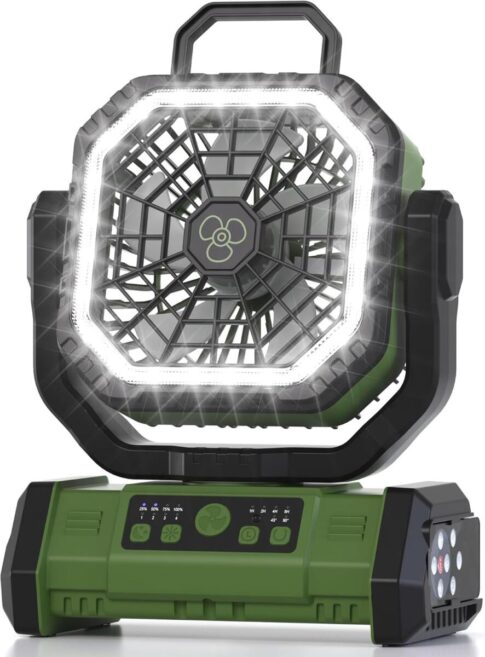
Remote control, portable camping fan with light. 20000mAh rechargeable battery and dual USB ports. 40% off at Amazon. Now $30. (It’s Amazon’s Choice in this category.)
HEY! COULD YOU DO US A FAVOR? Would you mind forwarding this newsletter or article to another RVer? If you enjoy it (and if you learn from it), chances are they will too! Thanks so much, we really appreciate it!
Please follow our rules for commenting.
I was told that the co detector should be mounted low on the wall or near the floor because co is heavier than air and will fill the coach from the floor up. Was this bad info?
Hi, Jim. Thanks for asking about CO detectors. Here’s a paragraph from a recent post (Don’t be a carbon monoxide victim) from Russ and Tina De Maris which should help clarify this for you:
“Where should CO detectors be located? CO is slightly lighter than air, hence it rises. So putting the detector above the floor is right. You might even place it on the ceiling, but generally about five feet above floor level is best. If you have a big rig, make sure you install it close to your sleeping area so you’ll be able to hear the alarm when you’re asleep. Of course, follow the manufacturer’s instructions on ‘siting’ the unit.”
BTW — LP is heavier than air, so an LP leak detector should be located near the floor. Here’s a great (and short) video from RVtravel.com and Chris Dougherty, Certified RV Technician, about RV propane leak detectors: https://youtu.be/Ev1pK80_aYQ
Stay safe. 😀 —Diane at RVtravel.com
unlike smoke (heated air) or propane, CO is about the same weight as air so mounting high or low is irrelevant. it should be mounted where the air will move past it – not in a corner or dead air area.
The instructions with mine said mount on a wall 8 inches below the ceiling.
it should be lower in the unit not on ceiling in my opinion, it is not a smoke alarm
I need a new CO detector in my Motorhome and in my research for buying one I found that the type that is sold in Home Depot and other big box stores are designed for use in stationary homes only and that RV’s require special detectors, which of course are about 4 times as expensive. Is that, in fact true, as Chris is demonstrating one of those home units?
I have a Safe Alert propane detector in my 2002 Glendale Titanium. Is that the same as a CO detector? Mine is showing a green light and the alarm still tests good. I know if I place something with a smell on the floor next to it, It goes off.
a propane detector is just that. a CO detector is something different. a smoke detector is different still. that’s why you have three different detectors.