

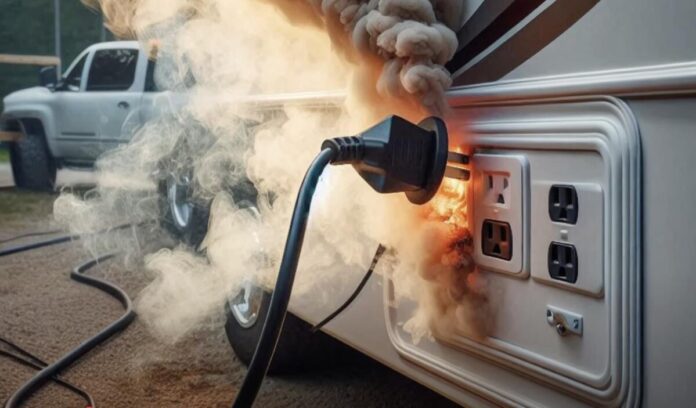
Are you making deadly electrical mistakes in your RV without even realizing it? As an RV owner, understanding and managing electrical systems is not just about convenience; it’s about safety and avoiding catastrophic failures.
Let’s dive into some essential tips to keep your RV adventures safe and your electrical system in top condition.
Essential safety checks before plugging in
One of the most common mistakes is skipping essential safety checks before connecting your RV to a power source. Before plugging into a campground power pedestal, always inspect for voltage, polarity, and outlet condition. Unchecked connections could lead to severe electrical damage or even fires. Always use a surge protector with voltage monitoring to safeguard your RV. Remember, campground pedestals might not deliver the standard 120 volts and can fluctuate, leading to overheating and damage.
Understanding RV power capacity
RVs aren’t built like houses when it comes to power. A 30-amp system is capped at 3,600 watts, while a 50-amp system handles up to 12,000 watts. It’s crucial to understand your power limits and manage your appliance use accordingly. Using a Kill-A-Watt meter can help you track each device’s usage, ensuring you don’t exceed your RV’s capacity, which could lead to overheated wiring or even fires.
The dangers of using improper cords
Using incorrect extension cords with your RV can be a significant safety hazard. Household extension cords aren’t designed to handle the high current demands of an RV, leading to dangerous overheating. Always use RV-rated extension cords appropriate for your amperage needs. Ensure that the wire gauge is suitable for 30 or 50 amps, and avoid daisy-chaining cords, which increases the risk of arcing and voltage drops.
GFCI outlets: A lifesaver
Ground Fault Circuit Interrupter (GFCI) outlets are essential safety devices in RVs, especially given the potential for wet conditions. They prevent electrocution by cutting power quickly if an imbalance is detected. It’s important to regularly test GFCI outlets and replace them if they don’t function properly. Frequent trips could indicate underlying issues like moisture or faulty wiring, which need immediate attention.
Battery maintenance is a must
Neglecting battery maintenance can lead to failures, overheating, or even explosions. For flooded lead-acid batteries, check water levels monthly, ensuring lead plates are submerged without overfilling. Cleaning battery terminal corrosion with a baking soda solution can improve electrical flow, enhancing safety and efficiency. Proper ventilation during charging is crucial to avoid the buildup of hydrogen gas.
Inverters and converters: Know the difference
Understanding the difference between inverters and converters is vital. Inverters convert DC to AC, while converters do the opposite. Using the wrong equipment or exceeding their limits can damage electronics. Always opt for pure sine wave inverters for sensitive devices, as modified ones can create power issues.
Preventing arcing and overheating
Arcing is another significant hazard if the power is connected with live breakers. Always turn off the main breaker before connecting or disconnecting your RV. Watch for signs of overheating, like warm outlets or burning smells, as these signal dangerous electrical problems that demand immediate action.
Regular inspections and maintenance
RVs endure constant vibration and environmental stress, making regular electrical inspections crucial. A certified technician can identify loose connections, damaged insulation, and other issues before they become serious hazards. Monthly DIY checks of cords, outlets, and connections are also beneficial.
Watch the video below from Rollin With Rver to see these tips in action.
Final thoughts
Staying on top of RV electrical safety is not optional. It protects your investment and keeps you and your loved ones safe on the road. Regular maintenance, using proper equipment, and adhering to safety checks can prevent dangerous incidents.
Have you faced any electrical issues in your RV? Share your experiences with us in the comments below. Stay safe, folks!
More RV electricity articles:
- Always unplug your RV while working on wiring
- Electric power: Learn to read the meter at your campsite
- Know your plugs: 50A vs. 30A RV hookups—When 50–30 doesn’t equal 20!
- Life-saving tips for power strips and surge protectors
- Don’t trip the breaker. Colored sticker dots save the day
##RVT1196

Make sure your power center labels are correct. The factory installer forgot when making connections from the back that left to right is inverted when viewed from the front. Luckily the breaker amperage are correct but the pre-printed labels are a mirror image of what is controlled by each breaker.
After a year of trips to service for a GFCI tripping and15 + trips to service 100 miles one way. The issue was still not resolved and we still have not been able to enjoy our toyhauler. Our 2023 new Keystone Fuzion 428 had multiple issues, slide gearbox, fuel station recall, stove recall, tank guages improperly wired plus other issues which caused the unit to be unsafe for use. GFCI was replaced and wires were not properly secured. I fixed that myself and it did not fix the problem! So I started tracing wires down and discovered after removing the refrigerator from the slide that the outlet was totally fubared. I removed the outlet box cover only to have the feed wire fall out.
We were in Central Florida Fairgrounds last week. Ganged power outlets without any reasonable separation. A friend plugged into the same power pole had his inverter destroyed. We had no trouble.
Be careful at Central Florida Fairgrounds. They do not do any repairs or troubleshooting. Worst fairgrounds that I’ve been to for a rally. Their bath facilities are rough.
One of the most important take-aways is the electric pedestal breaker! I’ve lost count of how many times I’ve had to turn the breaker off before plugging in. In almost every instance, evidence of arcing damage to the 50 amp receptacle is evident.
Excellent article-video and timely as we get into spring and coming out of winter storage. Thanks for posting!
We found out the hard way; our Watchdog surge protector is not designed to shut down on a voltage loss. Due to a voltage drop on the 30 amp pedestal (likely due to summer demand), The coach and surge protector plugs melted together ruining both the male RV plug and the female plug on the $180.00 surge protector which, contrary to advertising, could not be repaired.
You may want to consider the Progressive Industries brand. Their EMS-PT30X and older EMS-PT30C have over and under voltage protection and a lot more. Watchdog has over/under voltage “detection”. That is different from “protection” as you discovered. You can find them used on ebay at good prices. I hope this helps.
Thank you for the review, RV Travel! Our solitary electrical problem so far is the compressor for the dash air conditioning malfunctioned. It could only (per Coach Net’s tech) be replaced in the shop, so a tow followed. Have a great week and safe travels!
We have had 1 burnt pin on our 30-amp connector due to a loose plug on the junction box. ,I have had numerous voltage problems on pedestals. I have installed Progressive surge protectors in all my coaches both 30-amp and 50-amp circuits. I recommend installing them internally in the coaches for security and automatic connection (can’t forget). I also installed the included meters where I could monitor them without any real effort. Thanks for the lecture.