

For anyone who gets queasy just thinking about winding mountain roads or reading in the passenger seat, you’re not alone. In one of our recent polls, 12% of readers said they often get carsick, and another 19% admitted it happens to them sometimes. That’s nearly a third of all respondents who battle motion sickness while riding in a vehicle.
And based on your stories, the struggle is very, very real.
“I have gotten carsick my entire life,” wrote Cyndy. “I am so jealous of people who can read while riding in a car! I can do short stints of looking at maps or reading, but never for a long time. GPS has been a lifesaver for someone who is supposed to be the navigator.”
Others say it’s a problem that’s crept in with age. “It never used to bother me, but now that I’m older, I’m bothered by lots of turns and curves when riding—never when driving,” shared Pat. “I would never get seasick when sailing, although it would take a while to get my land legs back, also as I got older. I guess the trick is not to get older, but I don’t like the alternative!”
We hear you, Pat.
For some, it was a childhood challenge that stuck around for decades. “YES,” said Marsha. “As a young kid, I was always the one to get carsick. One bonus: I got to sit in the front seat more often. Over the years, I learned to manage it. Now, later in life, I just usually get behind the wheel and drive instead of riding with anyone else.”
And a few of you shared some vividly, um, unforgettable memories…
“When I was a kid, our entire extended family would go ‘up north’ for a two-week vacation,” remembered Cindy B. “Many afternoons, the adults would bar-hop to out-of-the-way places. My dad loved to drive on old logging roads to go from place to place. Back in the fifties, there was no A/C in cars, and temperatures were often in the 90s. First, one kid would spew their lunch of cheese popcorn and grape soda, then the next, and the next. I still can’t stand the smell of either one!”
A new way to beat the queasy?
Motion sickness is no joke, but there’s a strange-looking pair of glasses that might actually help. These lensless “motion sickness glasses” use something called artificial horizon technology to bring your body back into sync.
Instead of using medication or awkward pressure-point bracelets, these glasses rely on clear, liquid-filled rings around the eyes. The moving liquid adjusts as your vehicle turns or shifts, mimicking the horizon line and tricking your brain into reconciling what your eyes see with what your inner ears feel.

That’s the core of motion sickness: your body gets confused when your eyes and balance system (your vestibular system) don’t match up. These glasses help fix that.
And while, yes, they do look a bit goofy, the science behind them is surprisingly solid.
They’re made from soft, flexible TPE material that’s lightweight, foldable, and travel-friendly. They’re designed to work for just about anyone, with a secure fit and no lenses to smudge or scratch. Just pop them on when you start feeling dizzy or nauseous, focus on a fixed object like your phone or a book for 10–14 minutes, and they’re supposed to do the rest.
They’re especially useful for:
• Riding in the passenger seat
• Boat trips
• Airplane travel
• Theme park rides
• Kids who get carsick
And the best part? They’re drug-free and don’t come with side effects like drowsiness or dry mouth, which can happen with over-the-counter remedies.
Want to check them out for yourself? Here’s a link to one of the top-rated pairs on Amazon. And they’re under $10!
Whether you’re a lifelong sufferer like Cyndy or just starting to feel the effects as you age, a simple pair of glasses might be worth a try. At the very least, it might help prevent a few cheese popcorn incidents along the way. Yikes…
MORE GADGETS YOU MIGHT LIKE:
- 22 tips and gadgets for a small RV kitchen
- Homemade DIY RV accessories that save you $$$
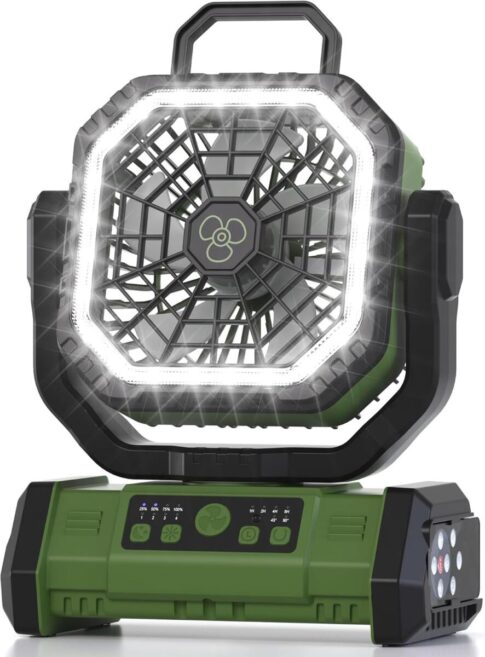
- Camping fan clips or hangs on; works great!
- iPhone users: Meet the tracker that helps you stop losing things
- You need a jump starter. Seriously.
RVT1219

AND, they are great looking too!
🤣 Yep, very stylish! Have a great day, Drew! –Diane
Most of the problem is caused by your eyes and brain seeing things zipping by from the side, whether reading or sitting in the back seat.
I had that problem when I was young. I still do, but not as bad.
Thank you for the suggestion, Emily! I do often become seasick, and I will order a pair of tbese ahead of our next sea-faring adventure. Hopefully they work. Have a great week and safe travels!
I have these and they really do work!!