

By Cheri Sicard
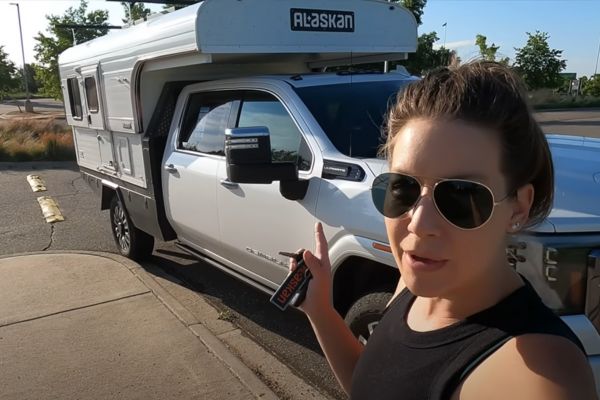
Three weeks on the road, hundreds of miles, and a flatbed Alaskan truck camper—this is firsthand feedback, not a brochure’s highlight reel. After living with the Alaskan Camper 850 flatbed camper, crossing terrain from New Mexico to Colorado, it’s clear which features hit the mark and where there’s room for improvement.
In the video at the end of this post from Tails of Wanderlust, get a genuine look at the five best things about the Alaskan truck camper, and five changes that could make it even better.
After spending three weeks exploring New Mexico and Colorado with the Alaskan, it became a rolling home base. It’s easy to see both what works and what could use a tweak after so many miles, campsites, and types of weather.
The Alaskan stands out as a hard-sided pop-up truck camper. This means the camper’s walls are solid, not fabric, but it still collapses down for travel. The result is solid protection and peace of mind, while keeping a low profile for the road.
Key weather conditions it handled
- High winds
- Heavy rain
- Hail
- Strong sunshine
Rain gutters built into the design funnel water away, so bedding doesn’t get wet. The sturdy walls help keep out harsh weather and unwanted noise, while the lower profile improves both gas mileage and drivability—especially on forest roads where taller campers might get clipped by branches.
Converting the dinette into a bed is simple. After eight years of RVing, this dinette was by far the most user-friendly. The table is light, the leg tucks away easily, and switching from seating to sleeping feels effortless.
How to convert the dinette
- Remove the tabletop and stash the lightweight leg in a cupboard.
- Slide and lock the tabletop into the new position.
- Drop the cushions in place.
- Done—a bed in under a minute.
It’s so seamless, you wonder why every camper doesn’t copy this design.
One smart feature is the flat, consistent countertop height shared by the kitchen, the bathroom cabinet, and the table. This creates plenty of space for cooking, prepping, and even dual-laptop multitasking. Whether prepping a meal or editing videos, the level surfaces let everything spread out without clutter.
Alaskan’s interior
The Alaskan’s interior feels open, thanks to well-placed windows and a handy half-door. Windows open halfway for steady airflow, but dropping side panels or opening the half-door really boosts ventilation. On warm New Mexico evenings, the cabin cooled fast once those panels came down. Campers in buggy areas will want to keep screens handy, but for most Southwestern boondocking, the open panels bring huge comfort.
Moving camp every day was no hassle, thanks to the electric roof system. The roof and sides come down with a button press—just make sure counters are clear and windows shut. Set up and teardown became part of the routine, never a big chore.
Tear down checklist
- Lower all hard panels and secure metal tabs.
- Double-check that all windows are closed.
- Clear the counters.
- Open the front door.
- Hold the button to lower the roof completely.
The built-in mattress runs pretty firm with plywood underneath. There is no underbed storage—by design. Some people won’t mind the firm mattress, but if a plush sleep is a must, consider memory foam or a Froli system. Double-pane windows around the bed add insulation but take up some extra space, further limiting customization.
Stairs can be a hassle
Stepping in and out isn’t as smooth as it should be. The stock stairs require perfect alignment and fiddly little pins to lock them, easy to drop or lose. When it’s wet, they stick and become a chore. For quick stops, it was often easier to climb in using a rear tire—less hassle than fighting stubborn stairs.
Indoor shower and toilet
The indoor shower is a plus, but the curtain’s loose fit is a common annoyance on chilly nights. Air pressure pulls the curtain in, making showers a bit too cozy. A couple of extra hooks would tighten things up for a more comfortable clean-up. Once that’s fixed, the indoor shower is a real asset.
Using the bathroom when the roof is down isn’t ideal. The lid only opens a few inches because of cabinet placement, so it’s possible but awkward. Using toilet paper rolls as supports, or just raising the roof a little, worked out in a pinch. The cassette toilet itself is handy, if a bit small on capacity, and can be swapped for other models.
External storage
Anyone who camps often knows external gear storage is key. The Alaskan is missing MOLLE panels, a ladder, or solid spots to secure bags and tools outside. With no rear ladder, extra trash and camp mats had to ride inside, which used more garbage bags and took up interior storage. Alaskan has said they’re working on exterior upgrades.
Roof down living
With the roof collapsed, headroom is tight, but pulling over for a meal or short break is possible—just pop up the roof up a few inches and comfort returns. For road trippers who like to stop fast, that convenience is hard to beat.
Final verdict on the Alaskan truck camper
The hard-sided pop-up Alaskan Camper design got high marks for comfort and ease. Over three weeks, it proved warm, solid, and versatile. Still, as our host recently bought a Hallmark canvas pop-up (at a steal), the comparison continues.
RELATED
- RV tech shares the pros and cons of truck campers
- RV review: These are Far-Out Campers—a truck camper for adventurers
- Tour Optimized Overlanding’s unusual gull wing pop-up truck camper
- Amazing and inexpensive DIY wooden truck camper
- You won’t believe this tiny Geo Tracker micro truck camper!
RVDT2712
Might have more mattress space if the side panels folded up and clipped to the ceiling like the table storage.
I agree the stairs would be a hassle, and may not be deploy-able if parked on a slope or near a curb or wall or another vehicle.
The lid over the toilet could be made removeable to just slide it out and set it elsewhere when you needed the access.
Obviously this would not work well for someone with mobility issues.
But over all an interesting concept.
Thank you for sharing and summarizing the video, Cheri! Truck campers are THE thing in Alaska. Such a setup is nimble and can go so many more places than even a class B. We have seen about as many truck campers in Alaska and Canada as class C rentals (and that is a lot). Have a great day and safe travels!