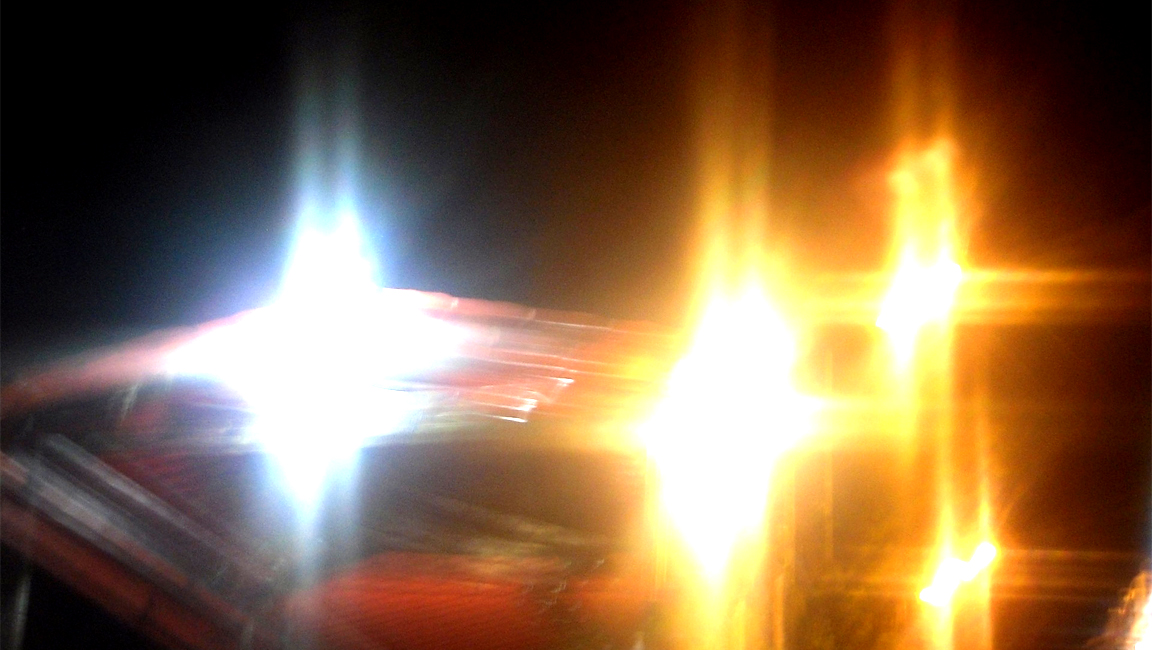
You’re rolling along after dark, minding your own business, and then it hits—an oncoming set of headlights so bright it feels like someone flipped a spotlight straight into your eyes. For a moment, the road disappears. You squint, ease off the gas, and wait for it to pass.
If that feels more common than it used to, you’re not imagining it. A new survey from AAA (American Automobile Association) finds that about six in ten drivers say headlight glare is a real problem, and many say it’s getting worse.
For RVers, headlight glare isn’t just what’s coming at you—it can also be what you’re putting out.
Why it feels worse now
There are a couple of reasons those headlights seem harsher than they used to.
Modern vehicles increasingly use LED headlights. They’re brighter, whiter, and more focused than the old halogen bulbs many of us grew up with. Add in the fact that more drivers are behind the wheel of taller trucks and SUVs, and those beams are more likely to hit you straight in the eyes—especially if you’re in a lower vehicle.
Even if nothing has changed on your end, the environment around you has.
Don’t stare into the glare
This is the big one—and it goes against instinct. When bright headlights hit you, your eyes want to lock onto them. It’s a natural response. It’s also the worst thing you can do. Instead, shift your focus down and to the right—toward the fog line or the edge of the roadway. That gives your eyes a reference point to hold your lane without taking the full blast of the light.
There’s a simple truth here: Your hands follow your eyes. If you stare at the glare, you’re more likely to drift toward it.
Give yourself more time than you think you need
Glare doesn’t just annoy you—it steals time.
For a second or two, your vision is compromised. At highway speed, that’s a lot of road covered without a clear view of what’s ahead. The fix is simple, but it requires discipline: Ease off the throttle and open up your following distance.
Don’t wait until you’re uncomfortable. The moment glare starts to interfere, back off a bit and give yourself room to react.
Clean glass makes a bigger difference than you expect
If your windshield has a film on it—and most do—it turns bright light into a haze. That thin layer of dust, smoke residue, or off-gassing from interior plastics scatters light and amplifies glare. The same goes for bug splatter and road grime on the outside.
A good cleaning inside and out can noticeably cut glare. Not just a quick wipe, but a proper clean with the right cloth and cleaner. And if your wiper blades streak, they’re part of the problem. For RVers, this matters even more. Big windshields collect more grime, and once that film builds up, glare can get downright brutal.
Use your mirrors the way they were designed
That little tab on your rearview mirror isn’t decorative. Flip it to the night setting when headlights from behind start to bother you. It dims the reflected light without losing the image entirely. If your vehicle has an auto-dimming mirror, make sure it’s actually working and not turned off somewhere in the settings.
Side mirrors matter too—but for RVers, there’s a balancing act.
Standard advice says to angle mirrors outward to reduce glare. That works fine in a car. But when you’re towing a trailer or running a wide rig, you still need to see down the sides and keep track of traffic coming up behind you.
If you have split mirrors, use them intentionally. Keep the flat mirror set for distance—watching traffic approach—and let the convex mirror handle the wider field, including the trailer edge. That can cut down how much direct glare hits your main mirror.
If you’re running extended towing mirrors, small adjustments help. Even a slight outward tweak can take the edge off glare without losing your view down the side of the trailer.
And when someone’s riding close behind you with bright lights, sometimes the simplest move is the best one: Ease off a bit, let them pass, and get them out of your mirrors.
When your own rig is part of the glare problem
If you’re towing a trailer or carrying a truck camper, there’s a good chance your headlights aren’t pointing where you think they are. Add weight to the rear of a pickup or SUV and the front end lifts—sometimes just a little, sometimes more than you’d expect. When that happens, your low beams tilt upward and start shining directly into oncoming drivers’ eyes. You may not notice it from the driver’s seat. The road still looks lit. But to the driver coming toward you, it can feel like you’ve got your brights on.
With a tow setup, this is where a properly adjusted weight-distribution hitch makes a difference. If the bars aren’t set right, the rear sags and the nose lifts. Get it dialed in so the rig rides level, and your headlights usually come back down where they belong.
With a truck camper, you don’t have that same adjustment—but you do have options. Air bags, helper springs, or simply making sure the load is balanced can help bring the front end back down and the beams back into proper aim.
And no matter what you’re driving, it’s worth checking your headlight aim when you’re loaded. Many trucks have a manual adjustment, and some newer ones include leveling systems—but they only help if they’re set correctly.
If your rear end drops, your headlights go up. Make sure you’re not part of the problem.
It’s easy to blame the other driver. Sometimes that’s fair. But not always. Headlights that are aimed too high can shine directly into oncoming traffic. That can happen after a suspension change, carrying extra weight, or even just normal wear. A quick alignment check can fix it.
Aftermarket LED bulbs are another issue. Drop-in replacements in housings designed for halogen bulbs often scatter light in ways they weren’t meant to. That can make them look brighter—and more blinding—to everyone else on the road.
Half the glare problem is the other guy. The other half might be you.
If your eyes are working harder, pay attention
Glare tends to bother some drivers more than others, especially those who wear glasses or have aging eyes. If night driving has become more stressful, it may be worth looking into updated prescriptions or lenses with anti-reflective coatings. They won’t eliminate glare, but they can take the edge off.
What this means for RVers
If you’re driving a motorhome or tow vehicle, you’ve got a slightly different perspective—literally.
Sitting higher up can reduce how much glare hits you from oncoming traffic. But your headlights may be landing squarely in the windshield of the car coming the other way.
That’s another reason to make sure your lights are aimed correctly and your rig is riding level when loaded.
The bottom line
Headlight glare isn’t just an annoyance. It’s one of those everyday driving realities that can catch you off guard if you’re not ready for it.
You can’t control the lights coming at you. But you can control where you look, how fast you’re going, and how much space you leave yourself when things get bright.
And sometimes, that’s enough to turn a blinding moment into one you simply drive through.
RELATED
RVDT2883