Dear Dave,
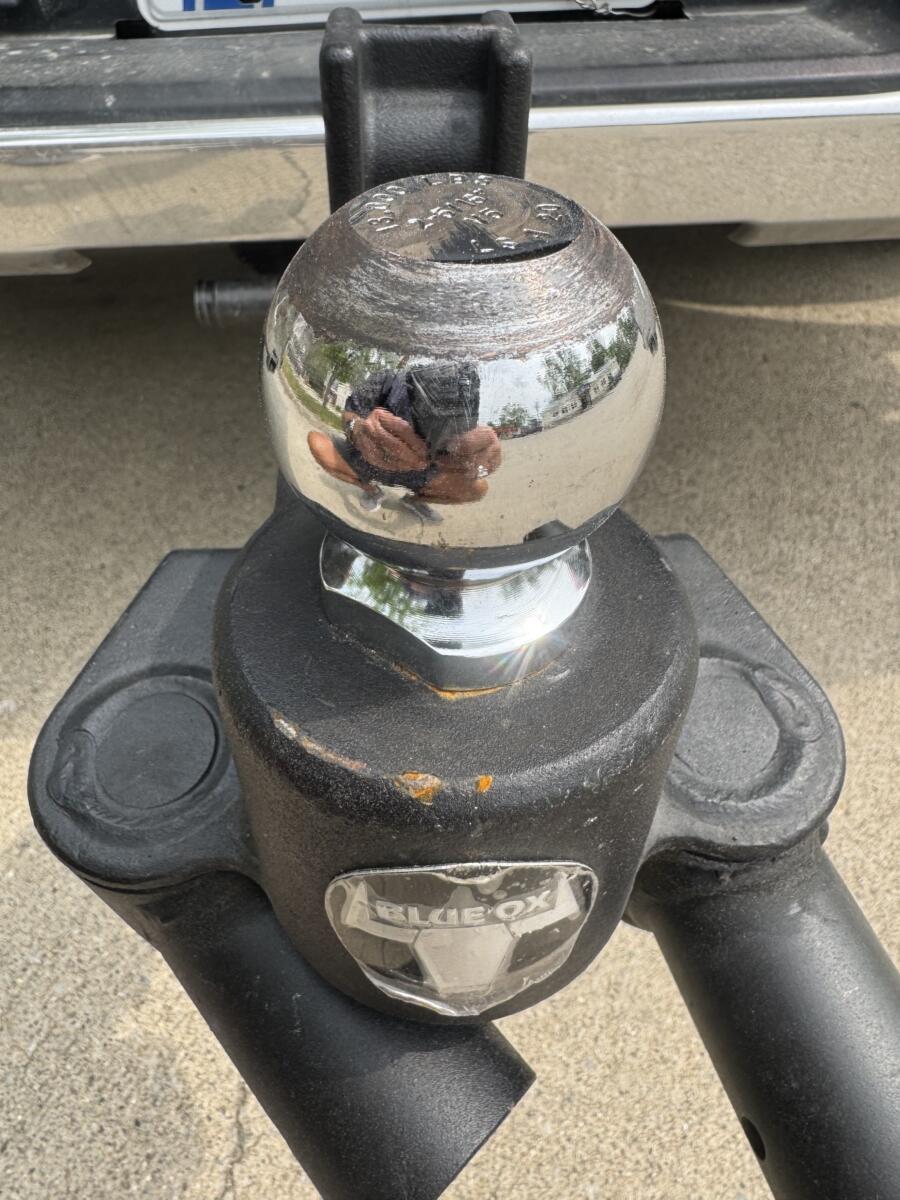
I have about 3000 miles on this little TT. The ball is scarring on the new Blue Ox anti-sway hitch installed at the dealer. I’ve not had a hitch ball scar before. Thoughts? Regards,Kevin, 2025 Geo Pro 15FBS
Hitch ball scarring
Dear Kevin, Almost every travel trailer that I have pulled or worked on had some type of scratching or scarring. I’ve used several different types of grease and lubricants over the years. Some have helped quiet the squeaks and stop rust, but nothing has stopped the scratches.
However, just to make sure I was not missing something in the setup of your Blue Ox hitch, I sent your question to my technical contact at Blue Ox. Here is what he replied:
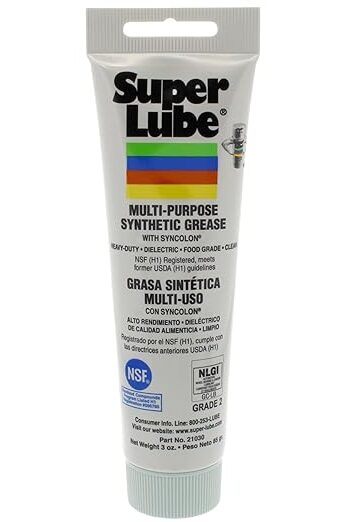
It’s normal to have scarring on the hitch ball. Two dry surfaces rubbing when turning or maneuvering causes this. It isn’t compromising the integrity of the hitch ball. One way to prevent the scarring is to lubricate the top of the hitch ball and the top of the inside of the coupler. I use Super Lube Multipurpose grease on my own equipment.
However, since the scratches or scarring is on the very top, I would recommend checking your tongue weight to make sure you don’t have too much weight on the hitch.
Verb. The act of staying in your RV in a friend’s driveway or on their property. May or may not include electrical and/or water hookups.
Moochdocking can be a wonderful way to not only save money on campgrounds but also to connect or reconnect with friends and family for memorable and meaningful interactions. When on the road, I always try to intersperse moochdocking with other camping options along the way.
Moochdocking can provide unique experiences
My mountain-top Kern County moochdocking spot included a natural swimming pond
For me, my RV season started with moochdocking in my family’s driveway in Orange County, CA, for a week, followed by two fabulous weeks in nature moochdocking at the top of a mountain at a friend’s Kern County estate. As I write this I am at a Harvest Hosts winery in Merced, CA. Tomorrow I will be moochdocking at a friend’s farm in Lodi for a couple of nights before heading to a national forest campground for a week. Then, more moochdocking with more friends in Northern CA.
I did a fair amount of moochdocking on my long, long RV trip too. Depending on your friends’ list, moochdocking can offer a lot of diverse experiences.
I have been blessed with an interesting life with lots of different friends from different parts of it who have remained in touch. My moochdocking experiences on that trip included:
• Suburban settings in Kansas City and Chicago with easy access to the cities
There were friendships and bonds renewed and bread broken at each of these stops.
I discovered how lucky I am and that I have a lot of “bookmark friends.” Some of these people I had not physically seen in decades, yet the friendships picked up right where they left off. Like a bookmark!
What if you don’t have friends with moochdocking space?
My Civil War battlefield moochdocking spot in Virginia
You might have more than you think.
Put out the word to your social media friends and acquaintances and you might be surprised at the offers you get. Let them know where and when you are traveling and mention how you would love to get together. And, of course, mention if anyone has RV parking that would make it much easier. If you are involved in any clubs or communities, they may also produce worthwhile moochdocking leads via social media.
Lastly, you can join Boondockers Welcome. For a low annual fee, this company, owned by the same folks that bring you Harvest Hosts, gives you access to thousands of private residences around the country that allow RVers to stay. Most of these hosts are RVers themselves. Some offer electrical or water hookups for a nominal fee. Others offer dry camping (free with BW membership). The length of stay varies from host to host but, unlike Harvest Hosts, it’s usually more than a single day.
How to be a good moochdocker
The view from my Colorado moochdocking spot
Guests, like fish, start to smell after three days. —Benjamin Franklin
The secret of being a good moochdocker is to not really mooch.
Never leave your hosts feeling taken advantage of.
Therefore, goal number one is to interfere as little as possible in your host’s day-to-day life and obligations. And with an RV it’s a lot easier to do this than when staying in someone’s house. You need never really invade their space.
Your second goal is to enhance your hosts’ experience where and when you can.
If you can combine these two factors, you will have standing moochdocking invitations with friends and they won’t care how long you want to stay.
For instance, when I stayed at my friend’s Colorado home in the shadow of Pikes Peak, I knew she had a busy work schedule. She went into the office daily while I hiked and had fun, but she came home to dinner on the table for her and the kids nearly every night. I got an amazing free place to stay. She had some of her workload removed. And we all had tons of fun together in the off time, like on this visit to Bishop Castle and this trip on the Royal Gorge Route railroad.
Moochdocking do’s
• Pitch in and buy some groceries.
• Cook dinner (or breakfast or lunch, etc.).
• Buy lunch, dinner, drinks, activity tickets, etc.
• Do the dishes or otherwise tidy up.
• If your host has been doing all the local driving, fill up, or at a minimum contribute to filling up, their gas tank.
• Keep your rig clean and respectable looking (see comment below about Cousin Eddie).
• Keep your outdoor space neat and tidy.
• Clean up after your pet(s) and don’t allow them to bark unnecessarily.
• Be respectful of your host’s spouse, friends, kids, pets, etc.
Moochdocking don’ts
There may be places where your friend is perfectly willing to let you park in his or her driveway but a local ordinance or homeowners association has rules against it. Sometimes, not always, but sometimes, they will just look the other way. Being a good neighborhood guest can help.
As I mentioned, I did a lot of moochdocking during my long, long RV trip, including two weeks at a friend’s near Kansas City, and six collective weeks with a friend in the Chicago suburbs. Both had HOAs that did not allow RV parking. Both allowed it, nonetheless, because nobody complained. At one point my friend in Chicago was asked, “How long is she staying?” At that point, I planned to leave in about a week. They said, “OK, no problem.”
I am not saying it will always turn out like this, but it can. Increase your chances by paying attention to these moochdocking don’ts:
• Don’t do anything to attract undue attention from the neighbors and always be polite to neighbors. Remember Cousin Eddie from National Lampoon’s Christmas Vacation? Yeah. Don’t be that guy.
• If you are in an urban or suburban setting in close proximity to neighbors, even on private land, keep signs of living in the RV to a minimum. In this situation, I would not set up full camp.
• If you are plugged in, have respect and be conservative in your use. For instance, don’t leave unnecessary lights or appliances on.
• Don’t overpower your host’s electrical grid. If you are plugged in and are blowing the power, turn things off and use less.
• Never run power cords or hoses across sidewalks or other public thoroughfares.
How you act, or don’t act, can have a big effect on your moochdocking experience.
I spent four weeks moochdocking with friends near Chicago. They all INSISTED I stop again on my way back through, and I ended up staying two more weeks. And I have a standing invitation to come back anytime I want. I also have that with everyone I have ever moochdocked with.
This is what you should be aiming for with every moochdocking experience. Be a good guest, and it’s a win/win for everyone.
By Cheri Sicard
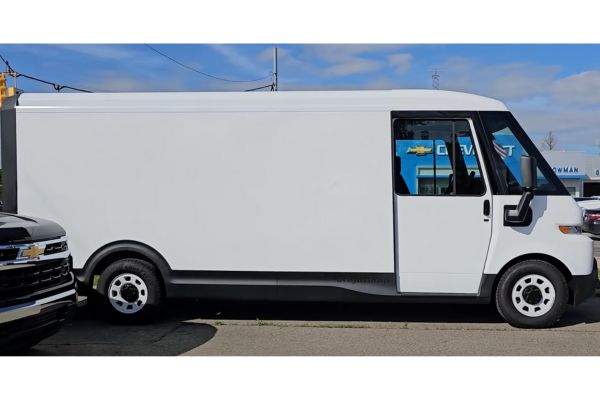
Dreaming of the perfect off-grid camper but tired of the same old gas work trucks or pricey custom builds? One creator from Power of Light thinks the answer starts with an affordable electric van that packs serious muscle, with the numbers and features to prove it.
Why the GM BrightDrop EV van stands out
When most people picture a work truck, a big bed and rugged looks come to mind. The GM BrightDrop EV van might not fit the classic image, but it’s built to outperform. Priced just over $46,000 before incentives, it delivers value that’s hard to match.
Key specs include:
• Dual Hummer EV motors: Front and rear for all-wheel drive confidence
• 20-module Ultium battery pack: Shared DNA with GM’s top EVs
• 300-mile city range: Go all day without searching for a charger
This van quietly outpaces most gas options, with the hardware to back up long workdays or big adventures.
The BrightDrop EV isn’t just for hauling—its commercial-grade hardware makes life easier. Wide doors, a low step-in height, and a spacious cab provide quick access, whether loading cargo or climbing in with gear. Inside, high-quality controls and the same digital displays found in the Hummer EV deliver plenty of modern tech for daily work or conversion plans.
Behind those sliding side doors sits a vast cargo bed that opens up new possibilities.
Features include:
• 14-foot-long bed, fully enclosed
• Enough headroom to stand up and work
• Roomy enough for big jobs or home-away-from-home builds
Haul tools, pile in building materials, or fit everything needed for camping off-grid.
Turnkey mobile power station
Imagine showing up at a campsite and powering everything you need—no diesel generators or extension cords required. Or a job site in the case of the video below. That was the plan for their van build:
Install a 15,000-watt inverter
Add 25 kWh of onboard battery storage
Use as a:
Mobile welding and fabrication bay
Complete job site power hub
Source for powering an entire home’s needs
With power capacity like this, tradespeople and hobbyists aren’t limited by location or standard outlets.
Smart camper van conversion: Comfort meets technology
Want more than a rolling workshop? The BrightDrop van is ideal for a comfortable, self-sufficient camper.
The vision includes:
• Up to 6,000 watts of solar panels on the roof (minimum 2,000 watts)
• Queen-size bed that raises and lowers for more room
• Desk or office under the bed platform
• Kitchen with sink and prep area
• Bathroom with shower
• Tech corner for electronics and controls
• Couch that turns into bunks for four adults
With this setup, true off-grid living gets comfortable—nothing left behind.
With its blend of affordability, performance, and adaptability, the $46K BrightDrop EV van could set a new standard for both work trucks and off-grid van life.
Ready to hit the road through Teton Pass in your RV? Big changes are on the horizon. Wyoming State Highway 22 will be fully closed for a crucial repair project. The repair is now rescheduled for the weekend of June 27 at 6 p.m. to June 30 at 6 a.m.
The Wyoming Department of Transportation (WYDOT) and Ames Construction originally planned the closure for the weekend of June 21–23. However, recent rains slowed down progress, making it impossible to stick to that schedule.
WYDOT engineers decided it was best to push the closure back by a week so crews could finish the final paving and barrier work over one weekend. WYDOT Resident Engineer Bob Hammond emphasized the reasoning: A single, well‑timed closure would be less disruptive than prolonged lane restrictions.
Closure details
• Dates: Friday, June 27, 2025, at 6 p.m., to Monday, June 30, 2025, at 6 a.m.
• Location: From Coal Creek Campground on the west side to the mile marker 7 gate on the east. RVs and all vehicles will be prohibited.
Drivers can sign up for 511 Notify alerts here. See the Wyoming Department of Transportation’s Teton Pass webcam for conditions, and the travel map for additional details.
What if you could save 35 to 50 cents a gallon every time you filled your RV with diesel? That’s the promise buzzing around the Open Roads Fuel Program, a discount card that lets RVers tap into trucker-level fuel pricing. It sounds like a too-good-to-be-true internet rumor—but after putting it to the test on real world road trips, we found the savings can be very real. There’s some fine print, a few quirks, and a diesel-scented learning curve—but for many RVers, it might just be worth the hassle. This RV fleet fuel card is real.
RV fleet fuel card brainchild of trucking fleet owners
The program is legit. It’s run by Texas-based trucking company TSD Logistics. The company originally negotiated discounted diesel prices for its fleet. Then someone had a bright idea: let RVers join in. RVers fuel up using their card, the company draws funds straight from their bank account, and keeps 10% of whatever discount the RVer gets. Open Roads says you’ll soon be able to have your charges billed to your credit card, but it will hit you with a 3% surcharge.
To see what the fuss was about, we signed up. The application is quick but turnaround time can be slow, if you’re ready to jump on the road. You can pay a fee to rush the process—$20 for 48-hour processing and mailing, or $75 total for overnight delivery. Right now, Open Roads is taking about 15 to 20 days from receipt of request to getting your card out. We chose the free route. A verification call came a few days later, and about two weeks after applying, our card arrived. We applied before our planned road trip, so waiting for our RV fleet fuel card at no charge was good for us.
Our first real-world test convinced us
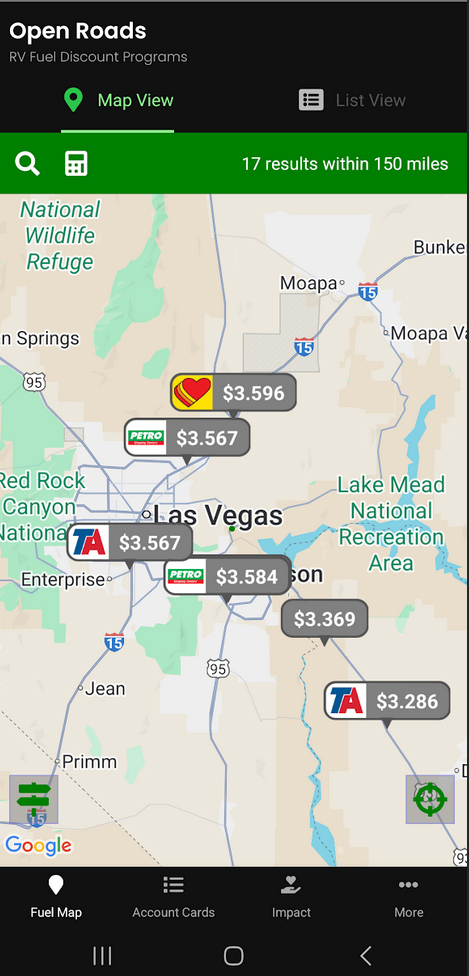
Here’s a look at the Open Roads app screen.
We waited to test it on a trip from Quartzsite to Los Angeles. Our first fill-up was at the local Love’s truck stop—18.72 gallons. At that time the posted cash price was $3.09, but our transaction summary showed we paid $2.521 a gallon. After Open Roads took its 10% cut, we still saved 57 cents per gallon—nearly 23%. Mind you, the truck stop will tack on a “transaction fee” of 40 cents per fueling.
On the road, we filled up again in Coachella, California. Savings were smaller—an average of 36.5 cents per gallon across two fill-ups, or about 11%. Not quite as good, but still worthwhile.
Curious how this stacked up across a longer haul, we ran a paper test. We mapped a route from Quartzsite to Olympia, Washington—1,376 miles. Our truck averages 10.5 mpg, so we estimated 131.1 gallons of fuel. Using Open Roads prices, we’d spend $325.90. Shopping around without the card (avoiding cash-only pumps), we’d pay $391.12. That’s a savings of $65.22—or about 20%. Round trip savings? $130.
Worth noting: In Oregon, those attractive “big truck” prices don’t apply to pickups and RVs because of fuel tax rules. We factored the 36-cent-per-gallon difference into our numbers. Since that time, that fuel tax has jumped to 40 cents per gallon.
Diesel pumping at truck stop learning curve
Now for the real-world part: Using the card can be a little clunky. You must fuel up at the truck lanes—not the RV or auto lanes—or you won’t get the discount. At busy stops, expect a 15- to 20-minute wait behind semis. However, on our most recent trip, some stops had open bays on arrival—zip in, zip out.
Once it’s your turn, you’ll need to swipe your card, enter a control number—the equivalent of a PIN number, select “tractor” fuel, and skip optional add-ons like DEF (unless you need it). And you’ll want to be wearing gloves—those big nozzles aren’t made for clean, splash-free fill-ups in pickup tanks. You’ll probably have to hold the pump lever manually, slowly, and yes—get a little diesel mist on your hands.
Also, be courteous. Once you’re done fueling, pull forward to let the next driver in line begin. Don’t leave your rig blocking the pump while you go inside to get a receipt.
And you can get even more money back with referrals
Love’s offers a flat 30¢ discount, but we’ve seen bigger savings elsewhere. It pays to look closely at the prices and choose your stop. On one trip, we saved 71¢ per gallon at a TA. The Open Roads app shows current diesel prices at participating stops so you can plan accordingly. By the way, sorry Pilot/Flying J fans. The Open Roads RV fleet fuel card isn’t accepted at these outfits.
One last thing: If you apply, there’s a “referred by” box. If you list Russell De Maris, once you save $500 on fuel, we’ll get a $25 credit—and you can do the same by referring your friends. For more information follow this link, or to sign up click here.
Diesel fuel prices have jumped sharply in recent days, and several overlapping factors are to blame—many of which hit RVers directly at the pump. The biggest immediate driver is tension in the Middle East, particularly the escalating conflict between Israel and Iran. That’s spooked global oil markets and driven diesel futures up more than 8% in just a day. You can still save on RV diesel. Read on.
Diesel, more than gasoline, is vulnerable to global supply disruptions, especially when it comes to medium and heavy crude oil used in distillate production. Much of this oil flows through the Strait of Hormuz, which is now seen as a geopolitical chokepoint.
Back home, the U.S. is dealing with low diesel inventories—roughly 15% below the five-year average—which makes the market extremely sensitive to price shocks. Refineries are also feeling the squeeze, with some Gulf Coast operations shifting capacity to gasoline instead of diesel. Some are dealing with downtime.
At the same time, demand is seasonally strong. Freight, farming, and even heating oil draw from the same distillate pool, keeping pressure on supply chains and refining output. That’s why diesel often spikes harder and faster than regular gas.
Strategies to save on RV diesel
Retail prices also reflect regional transportation costs. For RVers traveling far from refineries or into the mountains, prices tend to be even higher. Add in taxes—diesel is taxed more heavily than gasoline at both federal and state levels—and it’s easy to see why your fill-up is costing more than it did just weeks ago.
So what can RVers do to hold onto their wallets? First, plan routes to avoid excessive idling or elevation changes that burn more fuel.
Apps like GasBuddy or The Dyrt can help locate stations with better diesel pricing. Consider refueling at truck stops or locations closer to supply hubs—prices often drop as you get closer to refinery regions.
Slowing down a few mph on the highway can also make a noticeable difference in diesel mileage over long trips.
Keep an eye on tire pressure. Not only can it save you money at the pump, a blown tire can cost you dearly in other ways.
RV fuel fleet card helps us
We’re presently on our annual summer tour, and figure we’ll clock 5,000 miles before we’re back at home base. We’ve been saving upwards of 50 cents a gallon using the Open Roads system. It’s a membership group that lets you take advantage of fuel discounts by getting your diesel at specific truck stops.
Instead of a credit card, you swipe the Open Roads card at a pump in the truck lane. The next business day the group debits your checking account for the amount owing. Some used to balk at a requirement of providing your Social Security number to join, but that’s now changed. No need for disclosing this sensitive info.
You find what stations are in the Open Roads network by downloading a free app to your smartphone. You can learn more about the program by checking out a story we wrote on this here.
With geopolitical tensions and seasonal demand unlikely to ease up soon, diesel may stay pricey for a while. But with a little planning and a few strategic choices, RVers can still chase the open road without draining the travel budget. Yep, you can save on RV diesel.
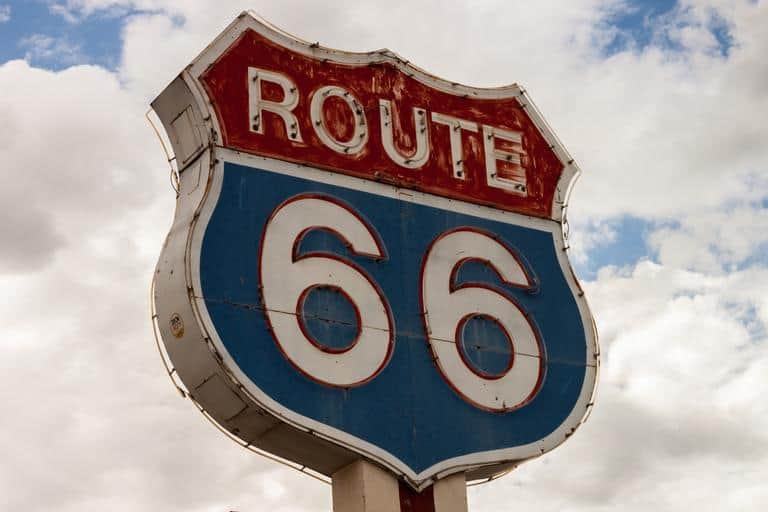
The Mother Road turns 100 next year. It’s time to get ready to celebrate Route 66 with an RV trip down memory lane.
Each of the eight states along the 2,448‑mile corridor is rolling out special events, road improvements, and memorial installations.
Personal interest
I’ll admit that I have a personal interest in the upcoming Route 66 Centennial celebration. You see, the Mother Road passes through my hometown in Missouri. Already, our small blip on the map shows evidence of the upcoming festivities.
Recently, my husband and I noticed several new “Point of Interest” signs. Here we are posing in the new Route 66 sign.
Missouri: Where it all began
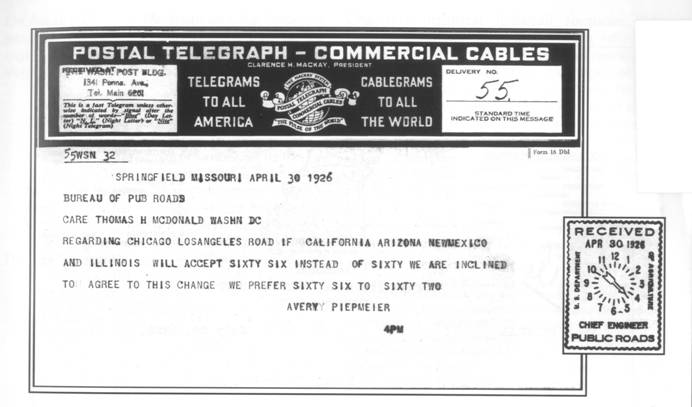
Missouri will officially launch the national centennial celebration in Springfield, the city that sent the original 1926 telegram naming “Route 66.”
Telegram officially naming Route 66. (Click/tap to enlarge.)
The Missouri Route 66 Centennial Commission has secured more than $3 million in grants to fund road repairs and interactive signage—think photo‑ready “66” structures in each of the eight counties the highway traverses.
In addition, the Missouri Humanities Council recently awarded a $25,000 grant to the Route 66 Association of Missouri to develop a traveling exhibit that will display historic artifacts and stories from along the Mother Road.
Illinois: Legislative cheers and scenic celebrations
Illinois lawmakers are marking 2026 as the official Route 66 Centennial Year. State Senator Chris Balkema filed a resolution to honor the highway’s century‑old legacy and galvanize community events in towns like Dwight, Odell, and Pontiac.
Meanwhile, the Illinois Route 66 Scenic Byway Alliance is planning a statewide conference and “Epic Route 66 Centennial Celebration” in November 2026. Initial plans include historic vehicle parades and storytelling panels.
Kansas: Rainbow Bridge makeover and collector coins
In Kansas, the iconic Rainbow Bridge near Riverton will be repainted with high‑durability coatings. This is made possible because of more than $100,000 in grants secured by the Kansas Historic Route 66 Association. (Work already started in March 2025, ensuring the span shines for centennial travelers.)
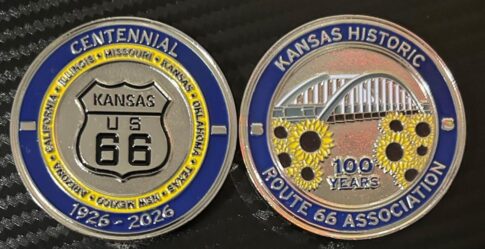
Don’t forget to pick up one of the association’s 2‑inch, double‑sided Route 66 Centennial Collector Coins—available online and at local shops—to commemorate your journey.
Oklahoma: Federal byways funding and signature events
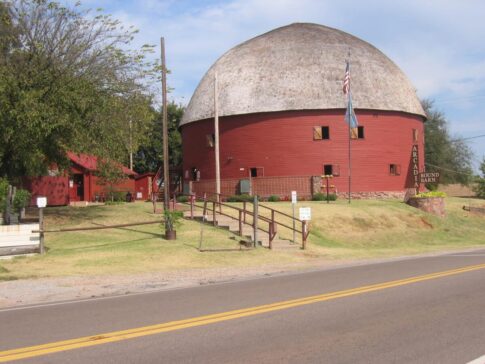
Oklahoma is investing $1 million from the National Scenic Byways program to restore high‑traffic segments, like the Historic Round Barn in Arcadia. Plans also include enhancing roadside pull‑offs.
Tulsa, long host of the AAA Route 66 Road Fest, will once again anchor marquee centennial events featuring car shows, live music, and tours of Cyrus Avery Centennial Plaza. This year’s event is coming up this weekend, June 21-22, 2025.
Texas: Amarillo’s annual festival gears up
In Amarillo, the Texas Route 66 Festival—launched in 2023—will return each June leading up to the centennial. The festival spotlights neon‑lit diners, panoramic Cadillac Ranch artwork, and local brewery takeovers of historic signage. Keep an eye out for city‑sponsored neon restorations and “selfie stations” along the Panhandle stretch, as well.
New Mexico: Digital hub and community grants
New Mexico’s Route 66 Centennial Commission recently unveiled an official website. Here you’ll find programs, event calendars, and educational resources to help towns prepare for 2026. From Gallup’s mural revitalizations to Santa Rosa’s historic theater screenings, there’s plenty on the digital hub to inspire your itinerary.
Arizona: Flagstaff’s historic downtown countdown
Flagstaff is already counting down to the centennial with pop‑up exhibits in Lowell Observatory’s visitor center and guided walks through downtown neon districts. The city’s “Neon Nights” photo tour—highlighting restored signs at the Weatherford Hotel and Orpheum Theater—is a must-see.
California: Santa Monica at the finish line
At the western terminus in Santa Monica, city officials are partnering with Visit California and the California Historic Route 66 Association. Together they plan to develop beach‑side festivals on the Santa Monica Pier. Expect beachfront block parties, artisan markets, and commemorative pier‑to‑pier marathon relays to begin on April 30, 2026.
Plan now!
• Plan your dates: Many state events fall between April and November 2026—book campgrounds early!
• Collect keepsakes: From Missouri’s interactive signage to Kansas coins, souvenirs are plentiful, and the memories will last forever.
• Join community grants: If you’re hosting an RV rally or local meetup, check each state’s grant programs.
• Download navigation apps: Use specialized Route 66 trip planners to find historic alignments, bypasses, and off‑beat attractions.
• Share your journey: Tag your posts with #Route66100 and connect with fellow RVers celebrating the Mother Road’s Centennial.
The Route 66 Centennial just may be the RV adventure of a lifetime. Start your engines—and your travel plans—today!
Get your kicks on, well, you know how it goes…
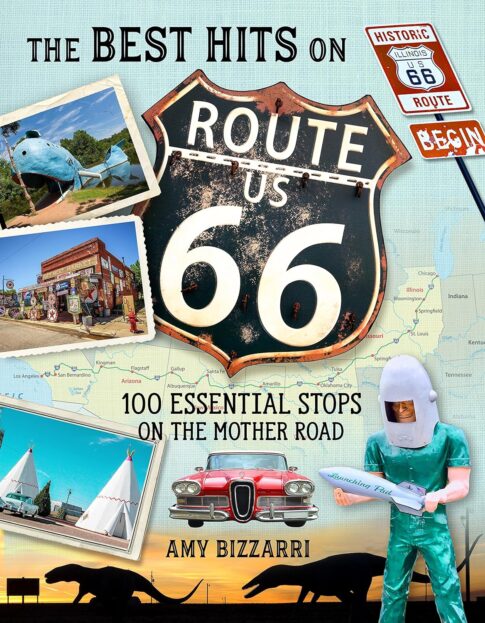
“The Best Hits on Route 66: 100 Essential Stops on the Mother Road” is the perfect companion for anyone traveling down Route 66 or who has ever wanted to. Amy Bizzarri, a Route 66 expert, takes you on an inspiring and entertaining journey down America’s most famous favorite road. Along with fascinating history and travel inspiration, the book also includes itineraries so trip planning is a breeze. Learn more or order.
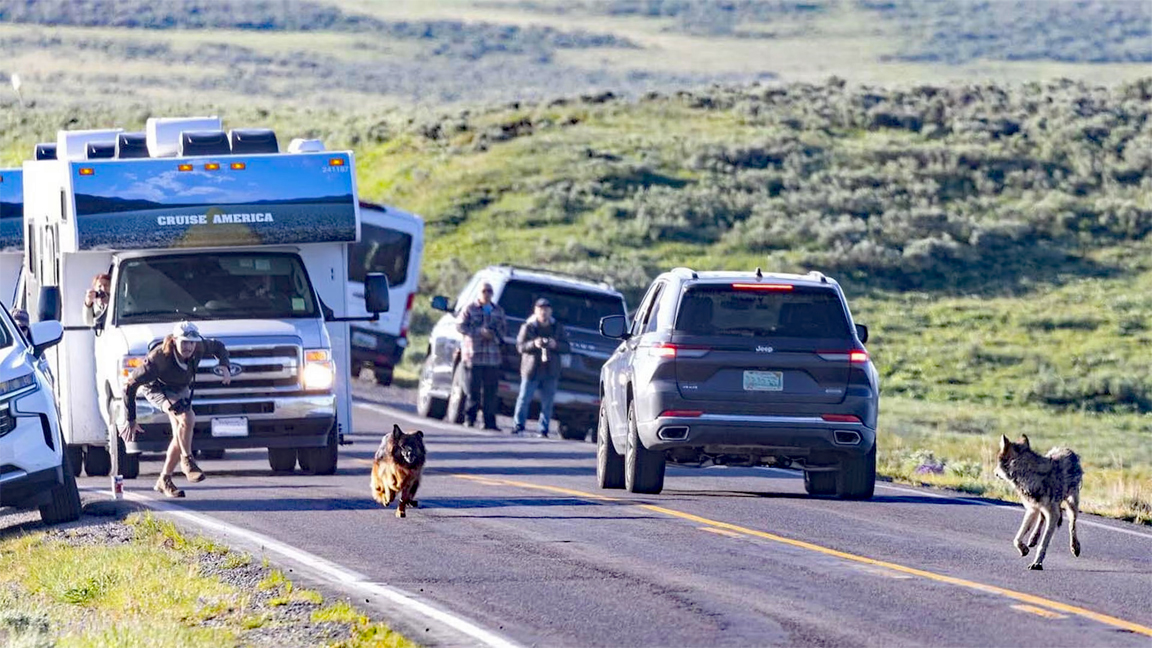
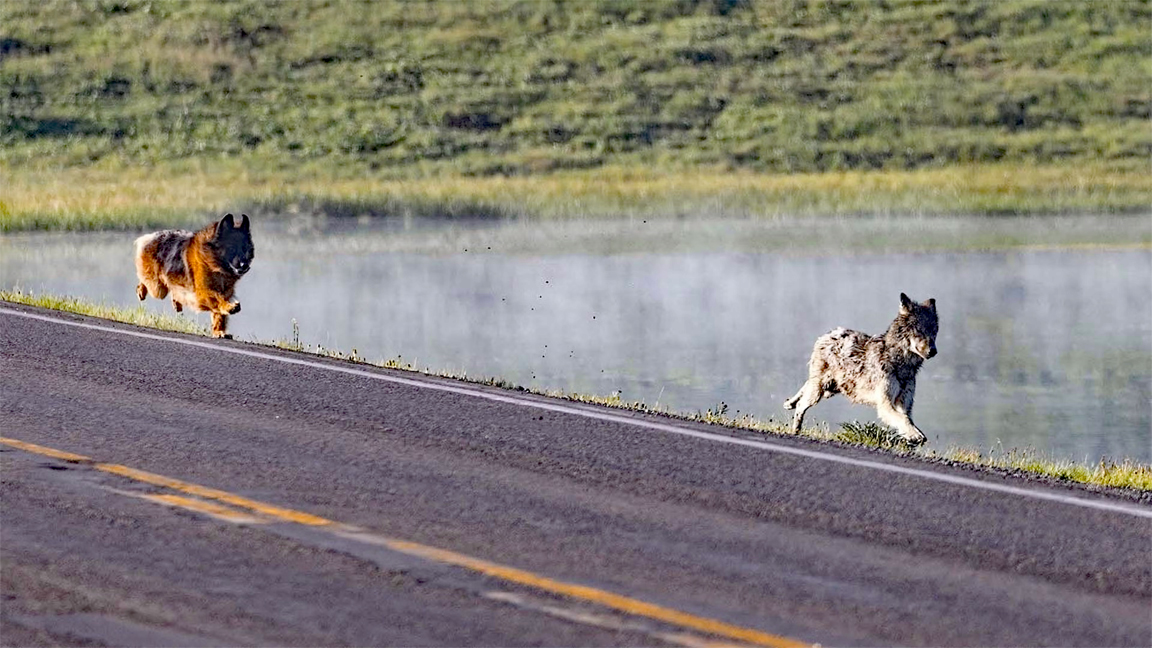
A German Shepherd gave Yellowstone visitors an unexpected show last Friday when it jumped from a vehicle and chased a juvenile wolf. The incident ended without injury, and according to a park tour guide who saw the whole thing, it was more about curiosity than aggression. Some might describe the dog-chases-Yellowstone-wolf scenario as a sort of four-footed touron stunt.
“I think the dog took advantage of an opportunity, to chase after another ‘dog,’” said MacNeil Lyons, a former park ranger who now runs Yellowstone Insight educational tours. Lyons shared his thoughts with Cowboy State Daily.
Dog chases Yellowstone wolf—until wolf stands his ground
The chase is on! MacNeil Lyons, Yellowstone Insight via Cowboy State Daily
Lyons watched the entire encounter unfold and even took photos. He said the young wolf ran at first, but eventually stopped and stood its ground. The two animals stared each other down from about 12 feet apart. There was no barking or growling.
“The German Shepherd seemed to realize, ‘Whoa, you’re a bigger dog,’” Lyons said. That’s when the dog backed off and returned to its owner after being called.
No contact was made between the animals, and both walked away unharmed.
Window safety feature leads to dog-chases-Yellowstone-wolf scenario
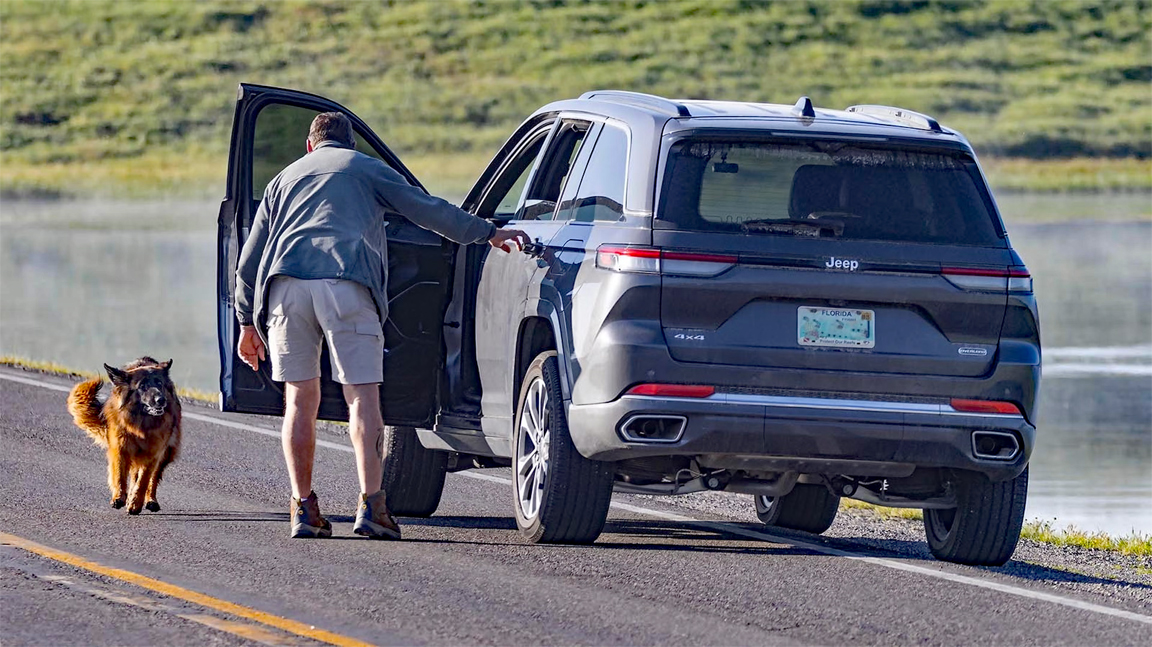
Lyons said he spoke with the German Shepherd’s owner but declined to share his name. He believes the man did not mean for the dog to get out and that a vehicle safety feature was to blame.
‘Back in the car, mutt!’ MacNeil Lyons, Yellowstone Insight via Cowboy State Daily
The owner had just bought a 2024 Jeep, Lyons explained, and tried to roll the windows up to keep the dog inside when he saw a group of people stopped ahead—most likely for wildlife. But the Jeep’s child safety system sensed the dog’s head near the window and automatically rolled it back down.
So, even though the driver was trying to keep the dog secure, it had a way out—and took it.
“A lot of people were berating him,” Lyons said. “People online don’t know him and don’t know the scenario.”
Automotive journalist Aaron Turpen confirmed to Cowboy State Daily that many newer vehicles include this feature, which can stop or reverse window movement if something gets in the way. “Most at least stop,” he said. Some even use breakaway gears to prevent injury.
“Bored out of its gourd”
Lyons said the wolf was likely a juvenile from the Wapiti Lake pack, which he knows well. He couldn’t tell if it was male or female, but it looked to be about a year old.
That pack is used to seeing humans, especially during the busy summer months. “They live in the heart of the park,” Lyons said, “and they’ve never experienced people in a negative way.”
Recently, the wolves have been crossing a nearby road and river to reach a carcass on the other side of the valley. The den is still active with young pups, so adult wolves have been staying closer to home, leaving the yearlings to wander on their own.
“It’s natural when the adolescent wolf gets bored out of its gourd and goes wandering,” Lyons said.
That probably explains why the young wolf was out near the road, where the German Shepherd spotted it.
But wait—There were tourons involved
While the dog-chases-Yellowstone-wolf incident turned out okay, Lyons was less impressed with how some people behaved.
According to park rules, visitors must stay at least 100 yards away from bears and wolves, and 25 yards from other wildlife. But Lyons said some folks got out of their cars and walked within a few feet of the wolf.
“You have to be the smart two-legged one and get back in your vehicle,” he said.
He tried warning people, but not everyone listened. One man even got aggressive with him for trying to enforce the rules.
Citation free—maybe
As of Monday, there was no official citation or court action listed against the dog’s owner. Letting pets run loose or harass wildlife is a violation of park regulations, but Lyons said he believes the incident was a mistake and not malicious.
“It was the best-case ending,” he said. “Nobody got hurt—not the dog, not the wolf, and not the people.”
For RVers and campers visiting the park this summer, it’s a reminder: Even with the best intentions and safety measures, nature can surprise you. Keep your pets secure, stay in your vehicle when wildlife is nearby, and always follow park rules—because not every close call ends this peacefully.
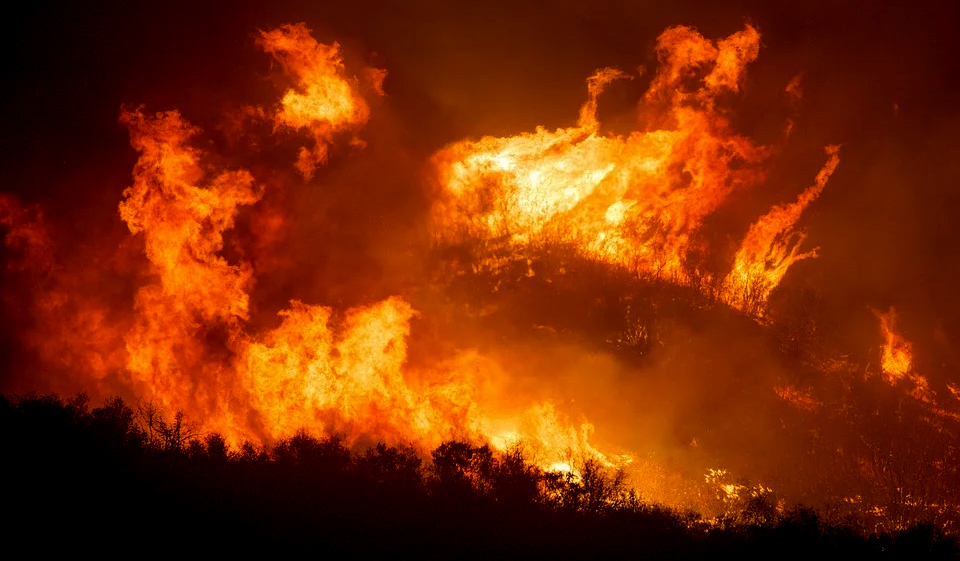
Two fast‑moving wildfires—known as the Seven Springs Fire and the Trout Fire—are forcing evacuation orders and standby alerts across southern New Mexico.
RVers or others planning to camp in Lincoln and Grant Counties need to understand which areas are affected, how evacuation zones are structured, and what steps to take if a wildfire threatens their safety.
Fire locations
The Seven Springs Fire began June 16, 2025. The fire is located roughly halfway between Mescalero and Cloudcroft on the Mescalero Apache Reservation. So far, the Seven Springs Fire has burned approximately 350 acres amid steep terrain and forests.
The Trout Fire ignited on June 12, 2025. The location of this fire is about 12 miles north of Silver City along NM‑15 in the Gila National Forest. The fire now spans more than 24,700 acres of grass, brush and timber.
Locations affected
Seven Springs fire zones
“Go!” warning: People in Mescalero Reservation’s Nogal Canyon (Zones MES‑085‑B, ‑C, MES‑088‑C, ‑D) have been ordered to evacuate now.
“Ready” warning: Nearby areas including MES‑085‑A, MES‑088‑B, OTO‑079‑C, OTO‑082‑B, OTO‑142‑A have received the ready warning. This means conditions may well change and people should prepare to leave if the “go” warning is issued.
Nearby communities: The communities affected include Mescalero, Cloudcroft, and the smaller hamlet of Nogal Canyon.
Campgrounds at risk: Campers on the reservation should relocate immediately. RVers and other campers staying nearby at the Smokey Bear Lake CG or Cloudcroft Lake CG should monitor status.
Trout Fire zones
“Go!” warning: Zones 1 – Lake Roberts, 2 – Thunderbird, 3 – Sapillo Creek, 4 – Bear Dam, 5 – Gila Cliff Dwellings, 6 – Bear Canyon, 8 – Indian Springs Ranch, 9 – Cooney Place, 10 – Mimbres, 11 – San Lorenzo, 12 – Santa Rita Mine, 26 – Lampbright are zones under a “Go” warning.
“Set”: Adjacent zones remain on heightened alert (“set” level). People should be ready to leave at a moment’s notice.
Nearest communities: RVers and visitors to Silver City, Lake Roberts, and Gila Cliff Dwellings National Monument should be aware of fire notifications and monitor local broadcasts.
What should RVers do?
The New Mexico fires will not be the last of this fire season. It’s important for RVers to know how to stay safe and protect their family and rig should a wildfire threaten. Here are some steps to take.
Stay informed. Download and enable notifications from the location’s state and county emergency apps. Check the interactive evacuation map maintained by your location’s Incident Management Team for real‑time status changes.
Prepare your RV. Keep at least a half‑tank of fuel at all times. If you also have a tow vehicle, keep it fully topped off.
Pack an emergency go‑bag with water, nonperishable food, first aid kit, flashlights, and important documents sealed in waterproof bags.
Evacuation protocol
Confused by the verbiage? If you haven’t lived in or experienced wildfire-prone areas, you may need this information. It will help you know what to do and when.
If you’re in a “Go!” zone, leave immediately. Use the designated evacuation routes recommended by officials.
For “Ready” or “Set” statuses, keep slide‑outs retracted and disconnect your utilities. Keep your levels unlocked, and wheels chocked loosely. This will enable a quick escape if needed.
Shelter and recovery
Check local news outlets or emergency numbers for information about where shelters are located. Local shelters for the current New Mexico fires are set up at the Grant County Business and Conference Center (Silver City) and the Grant County Event Center.
You can contact the local Humane Society for information about pet evacuation. The High Desert Humane Society and local fairgrounds offer temporary boarding for the New Mexico wildfires.
After the fire
Only return when officials downgrade your zone to “Ready” or “All Clear.”
Watch for downed power lines, falling trees, and compromised roadways.
Key takeaway
Wildfire conditions in southern New Mexico can change rapidly under dry, windy weather.
For the rest of us, make sure you understand wildfire protocol and follow instructions to stay safe.
Campers near the Seven Springs and Trout fires, stay safe!
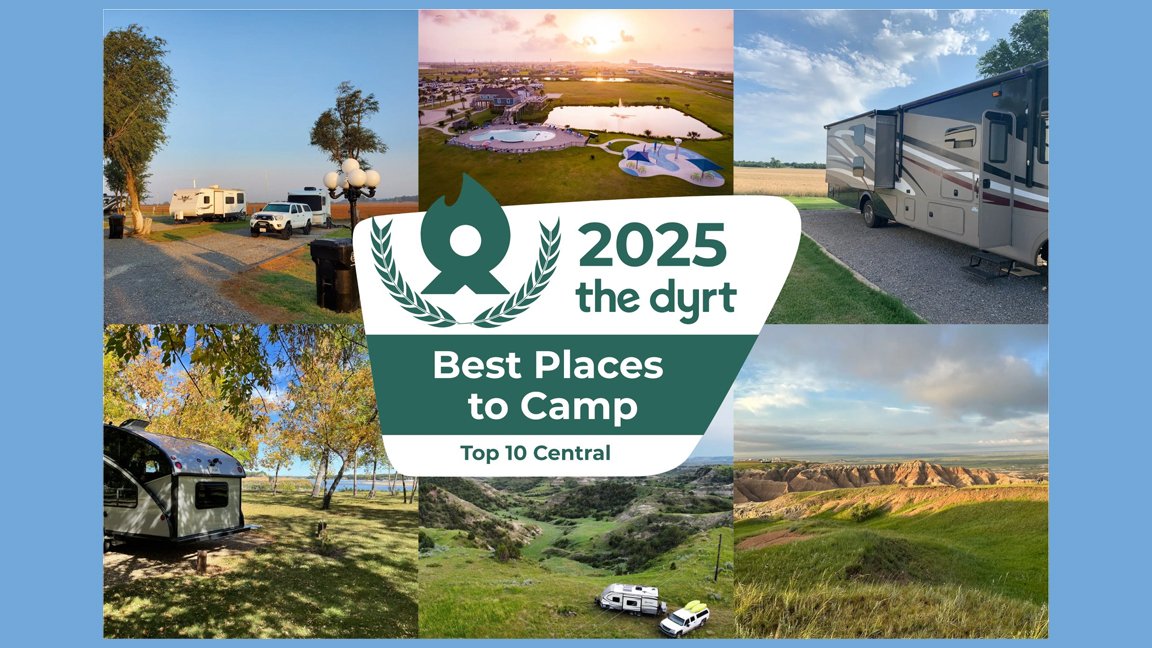
RVers looking for their next favorite spot will want to check out the just-announced 2025 Best Places to Camp Regional Awards from The Dyrt. The popular camping app—known for offering everything from state park listings to free campsites, RV parks, and millions of user reviews—has once again tapped into its vast community to highlight the top-rated campgrounds across the country. The list shows many favorite RV campgrounds across the U.S.
Each of the winning locations stands out for something special, whether it’s a remote forest with no hookups or a lakeside RV resort with full amenities and mountain views. And, yes, many of them are RV-friendly.
Multiple winners hit the list of favorite RV campgrounds
“It’s not just camping season, it’s Best Places to Camp season!” said Sarah Smith, founder of The Dyrt. “When the process is complete, I love looking at the 60 winners and seeing how, even though it’s all about camping, each one is so different. Some of these locations are up in the mountains, others are on islands in the South. We have campgrounds with zero amenities that certain vehicles can’t reach and we have campgrounds that are in vineyards or on berry farms. That’s why so many people love camping—because you can make it exactly what you want it to be.”
The Dyrt divided the U.S. into six regions for this year’s awards. Winners were chosen based on reviews and ratings from real campers—and many repeat favorites returned to the list.
For RVers, there are plenty of options to explore. In the Mountain Region, for example, Lost Lake Campground in Colorado offers first-come, first-served equestrian sites and scenic boondocking for rigs that can handle dirt roads. Meanwhile, Anchor Down RV Resort in Tennessee—the top pick for the Southeast—features 170 paved, full-hookup sites right on Douglas Lake, with postcard-worthy views of the Great Smoky Mountains.
Spoiler alert—Here’s a preview of some of the winners
Need to know more? Spoiler alert! We’re showing the top campground pick from each of those six regions. Here they come.
Central
The Wall — South Dakota
Location: Wall, SD
Image: The Dyrt
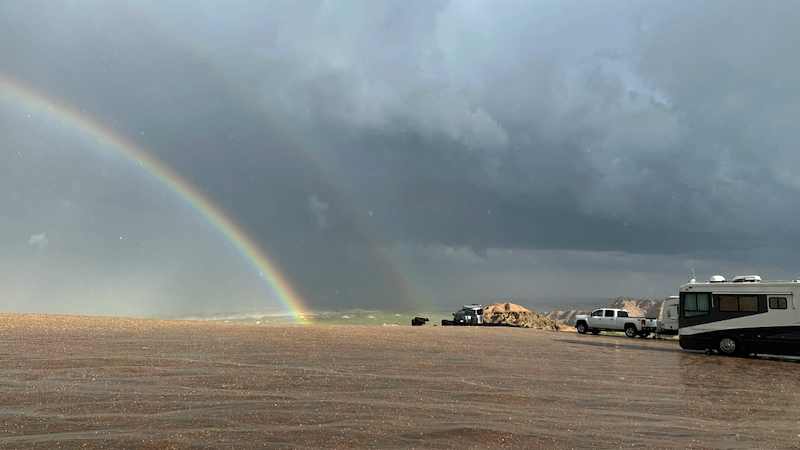
What makes it great: Camping at “The Wall” is a singular and breathtaking experience for any camper. Located just south of the town of Wall, this free, dispersed camping area provides stunning views of Badlands National Park.
The sites are accessible via a dirt road and there is ample space for various types of camping setups, including RVs, vans and tents. While there are no amenities, campers are rewarded with unparalleled vistas and the opportunity to immerse themselves in the rugged landscape.
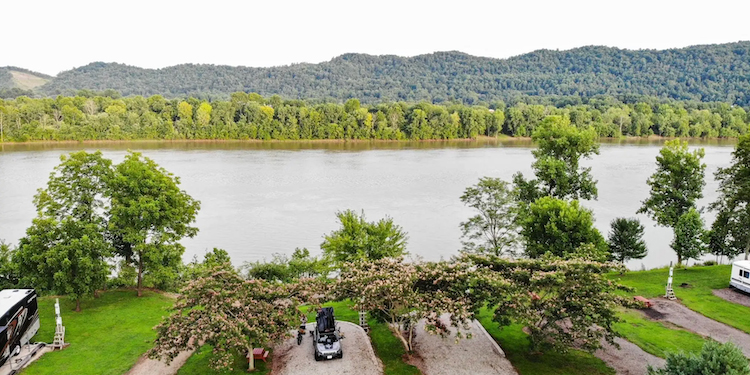
What makes it great: Sandy Springs Campground has been named Best Place to Camp in the Midwest for two years in a row, and it’s easy to see why. With 40 full-hookup sites, cabins and camper rentals, guests can enjoy stunning views of the Ohio River, watching barges and tugboats pass by, or relax by the campfire under the stars.
The campground is equipped with modern amenities and a camp store and the hosts are known for their hospitality, making campers feel like part of the family. Activities are available for all ages, ensuring everyone has a memorable stay.
Watch the fog flow down the river from an Adirondack chair, gaze out at the foothills of Kentucky or retreat for a hike in the Shawnee State Forest. There are also planned events for the whole family all summer long.
From the Mountain States to the Northeast
Mountain
Lost Lake Campground — Gunnison National Forest — Colorado
Location: Paonia, CO
Image: Mark Goss on google maps
What makes it great: Lost Lake Campground in the Gunnison National Forest is a serene alpine retreat where a camping trip almost feels like a reward just for becoming a camper. It features tent, RV and equestrian sites, all available on a first-come, first-served basis.
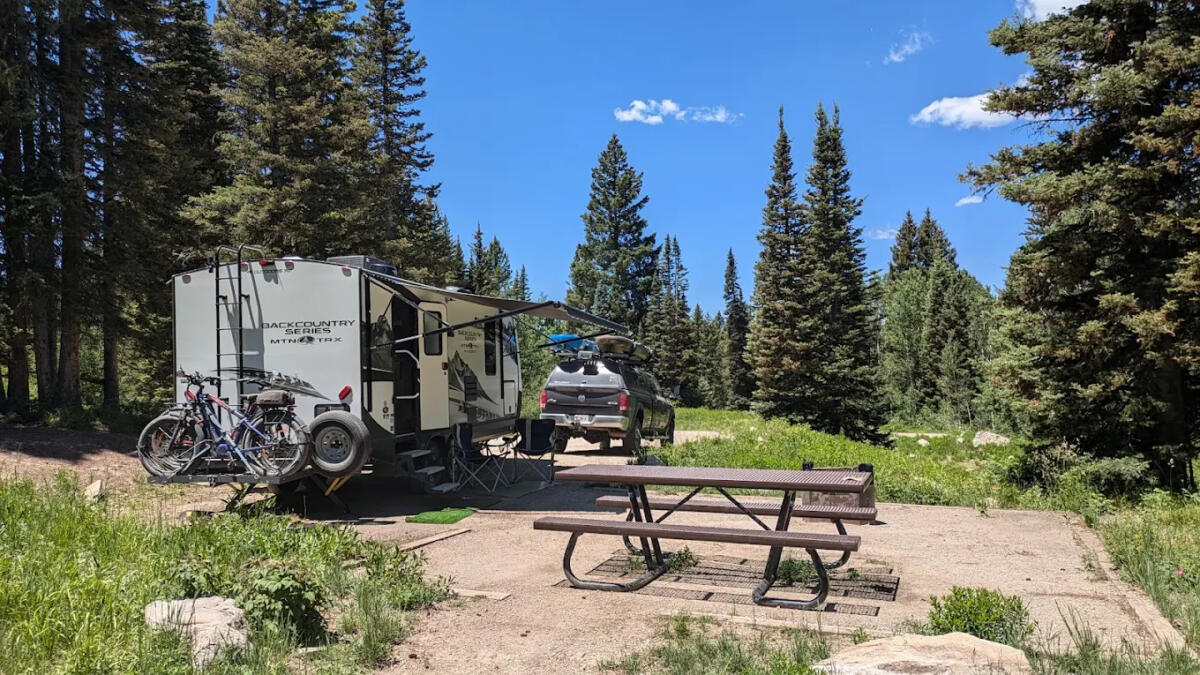
A lakefront site on a clear day with the mountains visible in the reflection of Lost Lake is a postcard come to life. Each site is equipped with picnic tables, fire rings and access to potable water, vault toilets and trash services. The campground has limited availability and only operates from mid-June through September, with a maximum stay of 14 days.
Visitors can enjoy a variety of activities, including fishing in Lost Lake and Dollar Lake, hiking the Three Lakes Trail and Beckwith Pass, and observing the vibrant wildflowers that bloom for just a few weeks in July and August. The area is also known for its breathtaking vistas of the Ruby Mountain Range.
Northeast
Town Hall Road — White Mountain National Forest — New Hampshire
Location: Chatham, NH
Image: The Dyrt
What makes it great: Camping along Town Hall Road offers a serene experience in the heart of the White Mountain National Forest. This free, dispersed camping area is perfect for those seeking solitude and natural beauty.
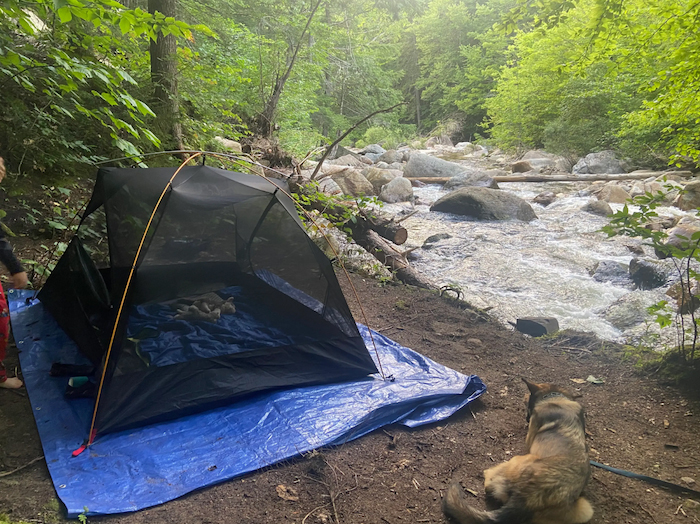
The road is well-maintained and navigable for most vehicles, including smaller RVs. Sites are generously spaced and privacy and seclusion are practically amenities. Many spots are nestled near Slippery Brook, offering the soothing sounds of flowing water and opportunities for wildlife viewing.
While man-made amenities are minimal—no restrooms, water or cell service—the pristine environment more than compensates. Campers can enjoy hiking trails and fishing holes in this true backcountry experience. Town Hall Road is a well-known hidden gem and a must-try for anyone looking for classic camping in New England.
Oceans from two sides—and more
Pacific
Alabama Hills Recreation Area — California
Location: Lone Pine, CA
Image: Huiwen wu on google maps
What makes it great: Here in the Eastern Sierra, find the desert twin of the Sierra Nevada mountain range and its Yosemite crown jewel. Instead of the deep, cold waters of Lake Tahoe, there is the ultra-saline Mono Lake. It is known for its alien geology and a variety of brine shrimp found nowhere else in the world.
Change out towering redwoods for scrubby sagebrush, cacti and fossilized forests. Instead of climbers spending days ascending the faces of Yosemite, you’ll find the legendary bouldering grounds of Bishop. Alabama Hills is in the middle of this dry, windswept, and jaw-dropping landscape.
This formerly dispersed camping area, surrounded by and studded with granite monoliths, now has designated sites, so you’ll need to show up early.
Southeast
Anchor Down RV Resort — Tennessee
Location: Dandridge, TN
Image: The Dyrt
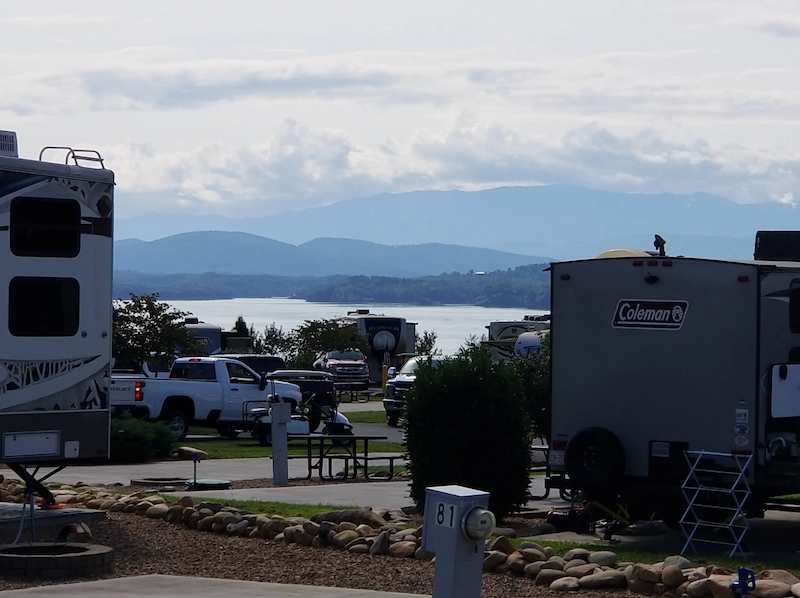
What makes it great: Anchor Down RV Resort offers a luxurious camping experience on Douglas Lake with picturesque views of the Great Smoky Mountains. The resort features 170 spacious, paved sites equipped with full hookups, picnic tables and fire pits.
Guests can enjoy a range of activities such as swimming—in the pool or the lake—kayaking, paddleboarding and fishing. Golf cart rentals are available for getting around the resort. It’s also an ideal location for boating and jet skiing.
The resort’s proximity to attractions like Pigeon Forge, Gatlinburg and Great Smoky Mountains National Park make it an ideal base camp, but once you arrive at Anchor Down, chances are you’re going to want to … anchor down.
The Dyrt’s favorite RV campgrounds report says more
The Dyrt’s 2025 Camping Report Presented by Toyota Trucks also shows that interest in camping is still growing. About 81.1 million Americans camped in 2024—including 5.8 million first-timers. Since 2021, more than 25 million people have gone camping for the first time. That means more RVers than ever are out discovering new destinations.
So, whether you travel in a luxury Class A or a rugged camper van, The Dyrt’s 2025 list is a solid place to start planning your next RV trip. Here’s where you can find all the winners.
The Bureau of Land Management (BLM) is asking for public feedback on a new proposal that could open up more public lands in southern Utah to certain electric bikes—specifically, Class 1 e-bikes—on mountain bike trails. BLM e-bike comments are now open.
BLM e-bike comments for six Utah trail systems
If approved, the plan would allow these pedal-assist e-bikes on six trail systems in Iron and Beaver counties:
Beaver Bench
Evil Water
Iron Hills
Three Peaks Mountain Bike Area
Thunderbird Canyons
The proposed Enoch Bench system
The proposal also says that any new trails added to these systems in the future would also allow Class 1 e-bikes—though entirely new trail systems would still need their own review and public comment process.
What exactly is a Class 1 e-bike?
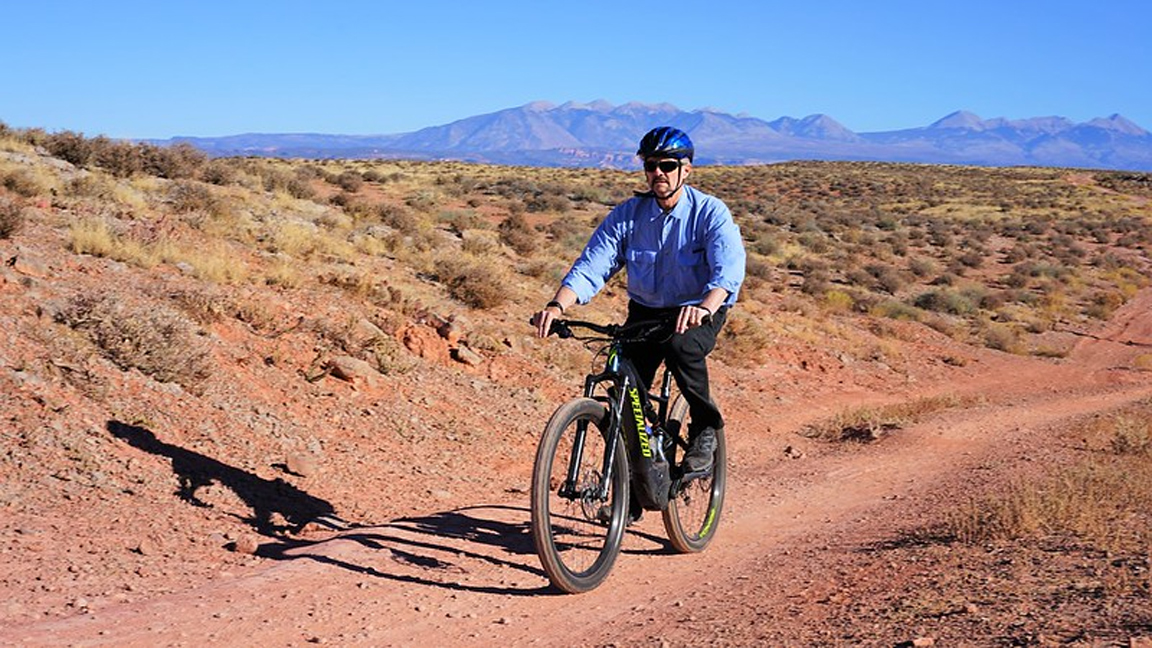
So what counts as a Class 1 e-bike? These bikes only work when you’re pedaling, have no throttle, and won’t assist you past 20 miles per hour. They’re different from other electric bikes that include throttles or go faster.
The BLM says it understands how popular e-bikes have become, especially for people looking to enjoy public lands without overexerting themselves. The agency wants to support outdoor fun while still protecting the land. This proposal weighs both the benefits and the potential environmental impacts of e-bike use on these trails.
The public comment period runs from June 16 to July 16, 2025. You can review the full draft, trail maps, and learn how to submit your thoughts by visiting the BLM’s National NEPA Register online.
Got more questions? You can also call the Cedar City Field Office at 435-865-3000 and ask for the Outdoor Recreation Planner.
“History gives answers only to those who know how to ask questions.” —Hajo Holborn
Need an excuse to celebrate? Today is National Wanna Get Away Day and it’s also National Fishing Day! How about you get away and go fishing for a while, huh?
On this day in history:1928 – Aviator Amelia Earhart becomes the first woman to fly in an aircraft across the Atlantic Ocean (she is a passenger).
Tip of the day 18 ways to use “single-use” items more than once
By Gail Marsh
Did you know that many so-called “single-use” items can often be reused—and even more than once, in some cases? Reusing not only means less trash going to the landfill, but it also means more money stays in your pocket. That saved cash can go towards fuel, food, and campground fees, which are all on the rise. So, let’s get to the savings!
Ask Dave Gutted our 1982 Class C; need help reinstalling furnace ductwork
Dear Dave,
We’ve been rehabbing this RV, which was a “gift” from my aunt. Almost all the walls and ceiling had to be torn out due to water damage. After tearing up the bed, we discovered the air duct hose was also shot, so we did away with it. It’s a year later and we’re trying to continue working on it, but I cannot find my pics that showed where the hose needs to go… Read the rest of Heather’s question and Dave’s answer.
In the RV shop with Dustin Use MORryde X-Brace Stabilizers to prevent your RV from moving or wobbling when parked
A common concern I hear from my customers is in regard to the movement of their unit when in a parked position. Whether it’s the movement from someone walking inside the unit or from strong winds, there are many consumers who can benefit from a stabilizer. MORryde offers three different options in their X-Brace line of stabilizers.
Article and video Everything you need to know about storing an RV
By Cheri Sicard
Proper RV storage keeps your camper secure, dry, and ready for the next adventure. With so many options—from uncovered storage to fully enclosed, climate-protected garages—the right choice depends on your budget, where you live, and how often you want to access your RV. In today’s video, Jason Epperson of RV Miles shares a practical guide to storing an RV to help you decide where and how to store your RV for peace of mind all year long.
RV Camping in Corps of Engineers Parks
Many RVers consider Corps of Engineers campgrounds to be the best in the country. This guide is just for RVers – boat-in and tent-only sites are not included. Of all the public lands, the U.S. Army Corps of Engineers has some of the best parks and campgrounds available. In fact, it’s the largest federal provider of outdoor recreation in the nation. Learn more or order.
Featured article How to make friends while RVing, especially if you’re traveling solo
By Gail Marsh
Dawn recently approached me as I folded clothes in the campground laundry room. Dawn is a lot like me—an RVing introvert. She’s single, so she doesn’t have an extrovert husband or travel buddy to coax and tease her out of her shell. She asked me, “Do you have some tactics for making friends while RVing?” I could relate and I knew that campfire friends would have some great suggestions. So, I convinced Dawn to join our evening campfire. Continue reading.
RANDOM RV THOUGHT: When selecting a campsite on a very windy day, try to position your RV facing into or away from the wind. The wind will have less of an impact and help keep your rig from rocking as much.
George B. comments that there seems to be much advice about where to look when turning, but what about up? “Always check for overhead obstructions like low-hanging branches. Rip your rubber roof or damage your air conditioner and you’ll be in for a big expense.” Thanks, George!
The Best Diner in Every State
Love a good ol’ classic American diner? We do too. Check out Taste of Home’s list of the best diner in every state. If you’re familiar with any of these, do you agree that it’s the best?
? MYSTERY PRODUCT OF THE DAY ? This would come in handy for many activities like swimming, kayaking, hiking the Zion Narrows… or you could just use it in the bathtub. See what it is.
Trivia
Sea otters have a favorite rock and carry it everywhere with them. The cute little critters need something to crack open shells to get their food, and what better tool than a rock to help them do so? The otters keep a rock (one they’ve chosen as good and sturdy!) with them hidden under flaps of skin under their arms. Once they’ve collected enough shells, they’ll float on their back, find their rock and start cracking shells for mealtime.
Readers’ pets of the day
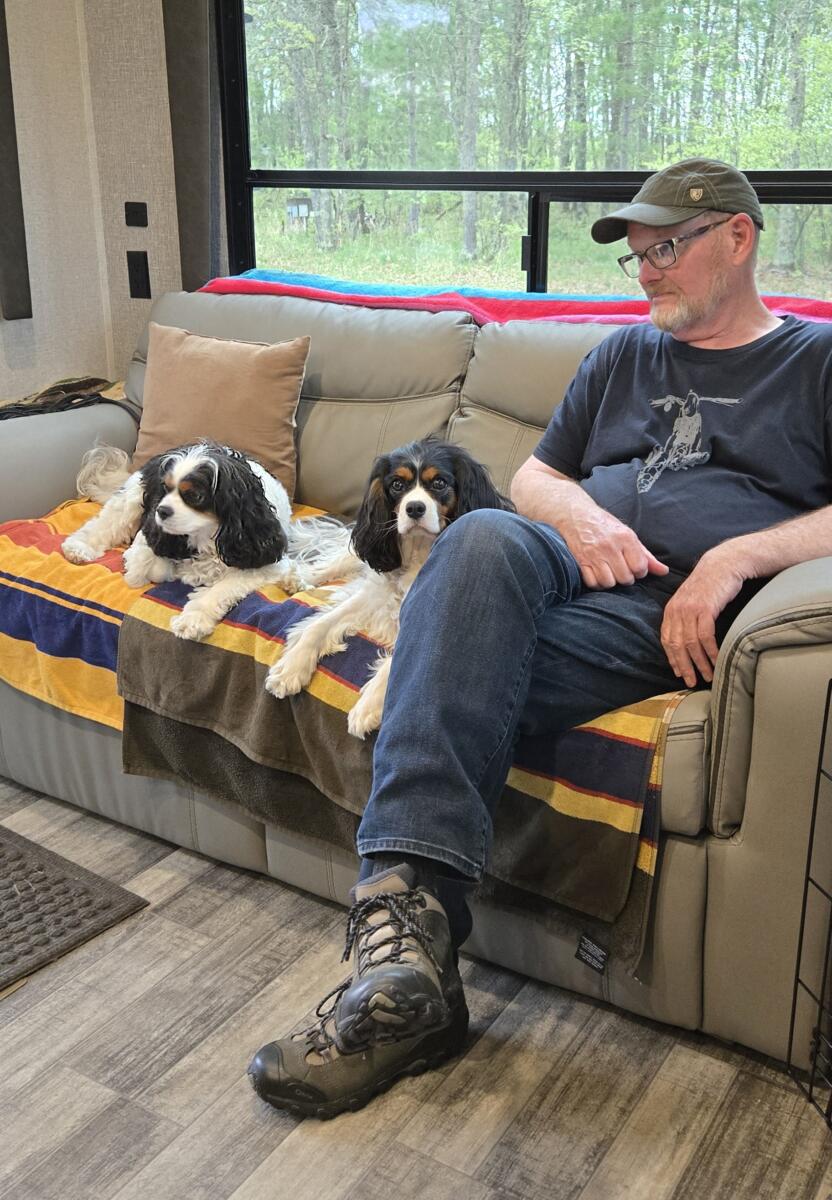
“These boys, Sonny & Nidjii (Cavalier King Charles Spaniels, age 3), are brothers from the same litter, and we got them from a family friend. They are wonderful travelers and will lie in the backseat without making a peep. They love going for walks at campsites, and everybody is their friend.” —Jim Gatz
Send us a photo of your pet with a short description. No blurry photos and please do not submit your photo more than once. Thanks!
If you shop at Amazon.com we’d appreciate you using this link. We get an itty bitty commission if you buy something, but they add up and help us pay our bills (most importantly our hard-working writers!).
We use cookies to ensure that we give you the best experience on our website. By continuing to use our site, you consent to accepting cookies. We NEVER have or will sell reader's data. For more info, please see our privacy policy page.





 So what can RVers do to hold onto their wallets? First, plan routes to avoid excessive idling or elevation changes that burn more fuel.