It almost boggles the mind. One minute it’s a quiet blueberry barren. The next, it’s ground zero for a fight over an RV park—and a possible RV park moratorium that could pause new campgrounds across the town.
What started as a plan that looked sweet at first has quickly ripened into something bigger: a debate over how much development a small town should take on—and whether hitting pause now might head off bigger conflicts later.
A proposed RV park in Northport, Maine, has prompted officials to send a 180-day RV park moratorium to town voters, giving the community time to sort out rules before projects move forward.
A campground plan meets local pushback
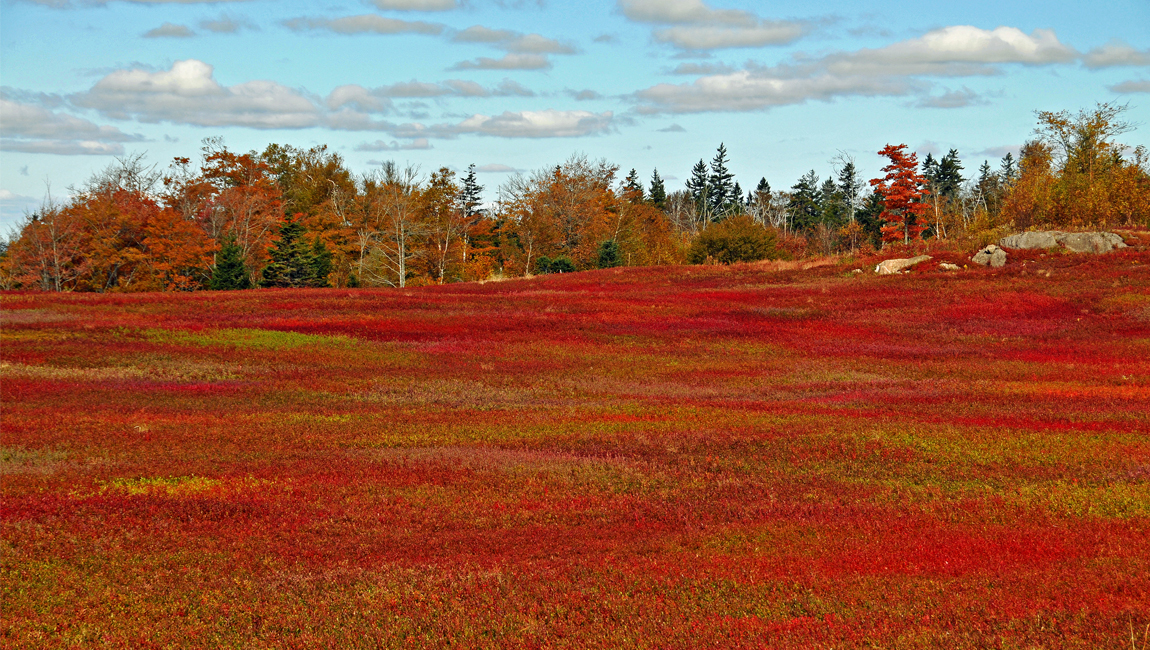
The proposal centers on land off Beech Hill Road in Northport. The developers’ plan covers two contiguous parcels totaling about 115 acres, with roughly half in blueberry barrens. The design shows a gravel road, lodge, and RV sites with water, electric, and sewer service built on the barren while keeping wild blueberry land in production.
Supporters see an agricultural-tourism opportunity and a property that is not as untouched as critics suggest. As one supporter put it, “Calling this property wild is like calling a 100-acre corn field untamed.”
Opponents see the land very differently. The site has been described as popular with hikers, stargazers, and photographers, and nearby coverage shows residents arguing that the project would change a scenic open-space landscape people already use and value.
That contrast is the heart of the story. To one side, it is working land that could host a resort. To the other, it is a familiar local landscape that could be changed in ways the town cannot easily undo.
Why the town is considering a pause
A moratorium does not automatically kill a project. It buys time. In Northport, Select Board members voted March 23 to put a 180-day moratorium on new commercial campgrounds and RV resorts before voters after an overflowing meeting on the issue.
The stated goal is to slow things down long enough to review local rules and, according to local reporting, potentially craft zoning language and begin a comprehensive plan update.
What this means for RVers
For RVers, this is not just a Maine story. It is another example of what happens when demand for more camping options meets a town that feels its rules have not kept up. That can mean fewer new places to stay in the short run, especially in scenic areas where every project gets a close look. That reading is an inference from the town’s move to consider a temporary halt while it revisits how such projects should be handled.
It can also mean something more useful down the road: clearer ground rules. Better-defined standards may not please everybody, but they can reduce the odds that every proposed park turns into a townwide brawl. That is also an inference based on the moratorium’s stated purpose of giving Northport time to sort out rules before more proposals move ahead.
The bigger picture
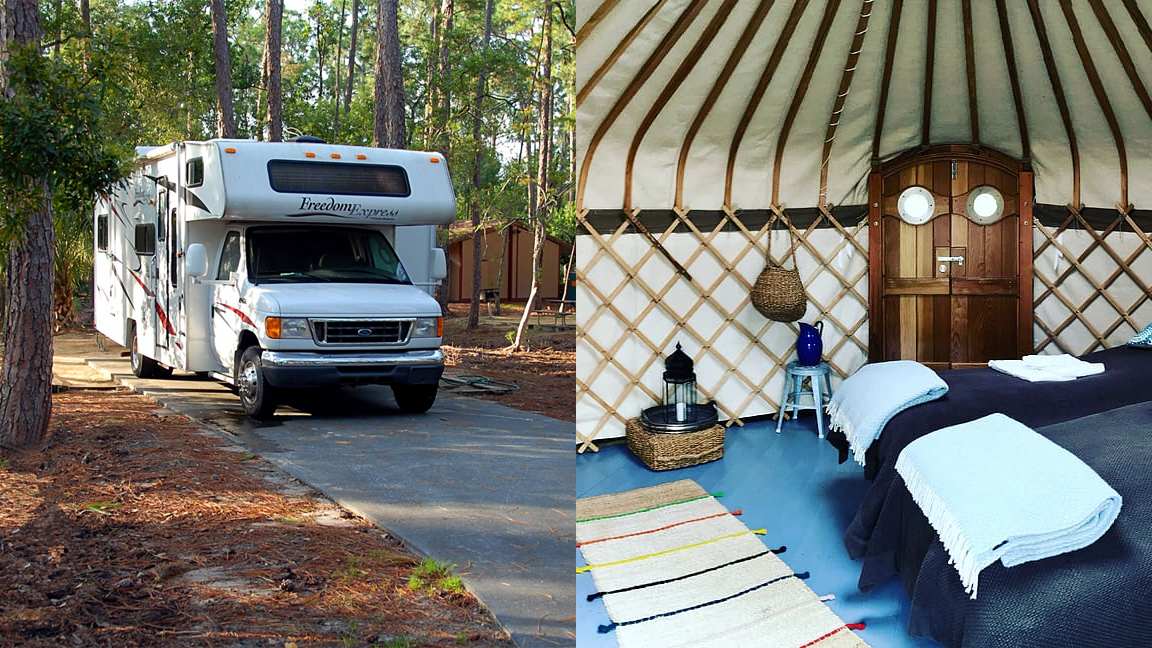
The Northport fight shows how quickly one campground proposal can turn into a broader question about who gets to shape a place. The project itself is sizable, with reporting describing about 80 sites plus glamping and wellness elements, so it was never likely to pass quietly.
And once a town starts talking moratoriums, other communities may watch closely. Scenic places often want tourism dollars, but they do not always agree on what kind of tourism fits.
What to watch next
The next step is the town vote on whether to adopt the 180-day moratorium on new commercial campgrounds and RV resorts. If it passes, Northport gets a six-month window to revisit the rules while this debate keeps simmering.
For RVers, it is worth paying attention. The next great place to camp may depend not just on where a developer wants to build, but on whether the local community thinks that plan belongs there. Whatever happens up in Maine, we know eventually one side will be like Marty Robbins—“You got me singin’ the blues.”
RELATED
- Data centers are creeping closer to RV parks, campgrounds—and bringing noise with them
- Texas builds massive RV parks for temporary workers, but who will use them after?
- Campspot names top 10 campgrounds for 2026
- AARP recommends best campgrounds along America’s most iconic drives
- AI dynamic pricing hits campgrounds nationwide as rates change by the minute
- Virtual campsite planner receives rave review from Forbes
RVT1254b