Home Blog Page 63

Two huge Texas RV parks may create ‘RV City’

Two massive RV parks tied to the AI boom could soon reshape Abilene, Texas, where traditional housing is hard to come by.

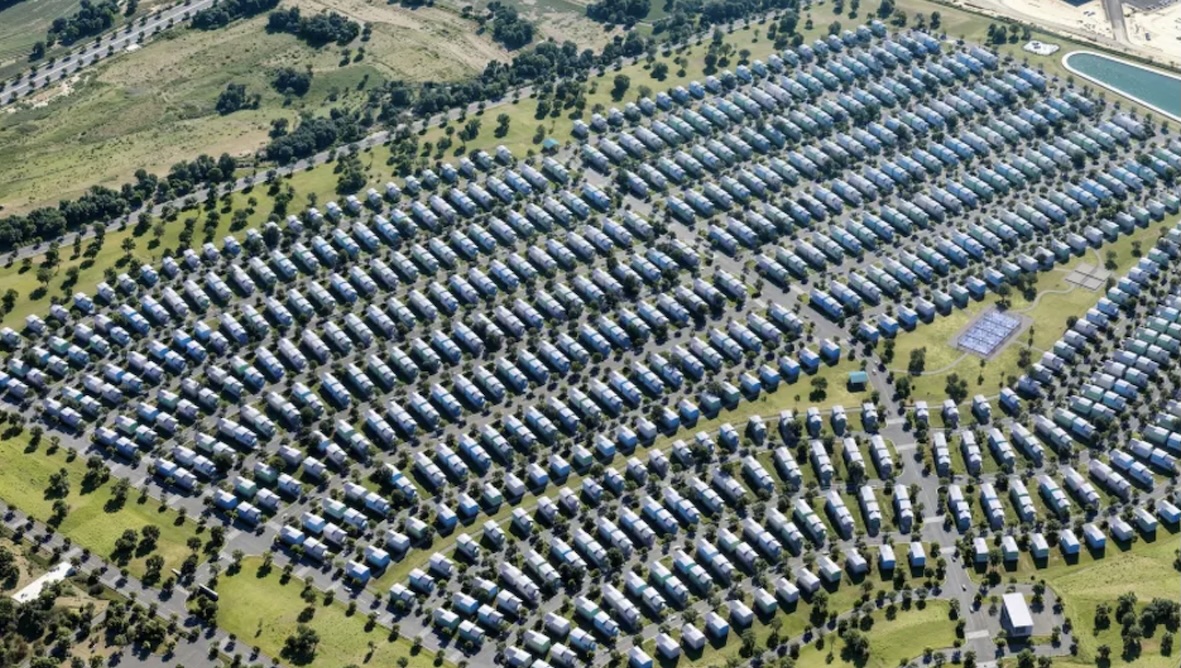
The first park is the $15 million Cottages at the Frontier with about 945 RV sites on 109 acres. The project is designed specifically to house workers for a nearby $25 billion data center campus, one of the largest in the country, expected to employ thousands.

Cottages RV Park in Abilene, Texas
Rendering of Cottages at the Frontier RV Park

The park would include paved roads, walkways and amenities such as a gym, dog park, pickleball courts and green space. Construction could begin soon and run through late summer. Rents are expected to be $1,550 per month.

But wait, there’s more (RV spaces)

Cottages at the Frontier is one of two large RV developments planned along the same road, but it’s the baby of the two. Another nearby project, Elmdale RV Park, would dwarf it by accommodating roughly 2,300 self-contained RVs on 148 acres, making it among the largest RV parks in the country.

The creation of the two parks signals how demand for temporary housing is surging as the data center expands.

Not all are happy campers

Not everyone is pleased. Some residents worry about increased traffic, pressure on water supplies, falling property values and the broader industrialization of the area.

City leaders, however, see the projects as a response to a housing shortage driven by the rapid influx of workers tied to the data center boom, which is transforming the local economy—and potentially turning Abilene into an “RV city.”

RELATED

RVT1254b

Big Amazon RV gear sale runs through March 31— Check out these deals!

The Amazon RV gear sale is underway and runs through March 31. If you’ve been putting off replacing worn-out gear, this may be the time to take a look. We sifted through pages of lookalike items and found a handful that line up with what RVers actually use every trip—water, waste, setup, and safety gear.

Most of what shows up in this sale isn’t flashy. It’s the stuff that wears out, gets forgotten, or quietly makes life easier when it works right. That’s where the better values tend to hide.

One quick note: The “regular prices” we’re using here reflect what these items typically sell for day to day—not the sometimes optimistic comparison prices you’ll see on Amazon listings.

The gear you’ll actually use every trip

If there was a theme to what surfaced, it’s this: The basics are where the action is.

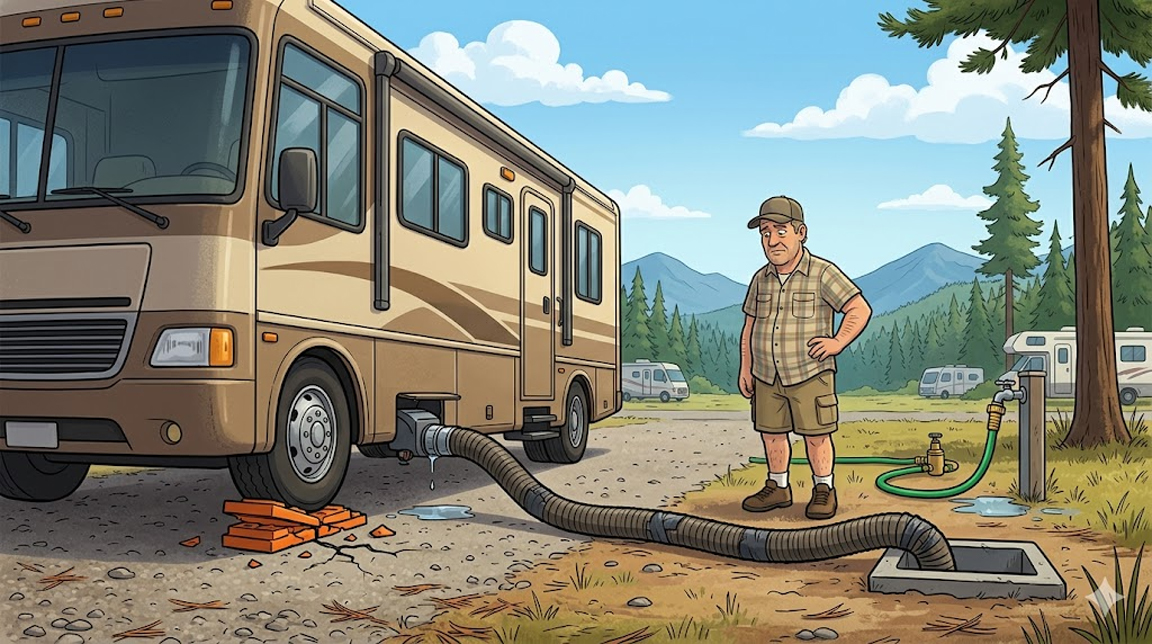
Tank treatments, sewer hoses, rinsers—none of it glamorous, all of it essential. Items like Camco TST Drop-Ins Tank Treatment typically run about $20, but are showing up closer to $15 in this sale—roughly 25% off. The Camco Rhino Ultimate 20′ RV Sewer Hose Kit typically sells in the $80 to $100 range. At $63.64 in this sale, that’s roughly 25–30% off what many RVers would normally pay—a solid discount on a well-equipped all-in-one kit.

Not all that glitters in the Amazon sale ad is genuine buyer gold. A 12V RV Macerator Pump can change how and where you dump. Budget versions usually run $70 to $90, with sale pricing in the mid-$60s—more a small break than a true deal. Brand and build quality matter more than the discount. Looks like some Amazon lackey didn’t do much in the way of homework for the “spring sale.” Here’s how the advert partially brings you in: “Quick Release Sewage Pump with Fresh Water Crushing for Halloween Christmas.” Yep, I’m looking to crush Halloween and Christmas with my fresh water sewer pump!

Where it pays to be a little picky

Water systems showed up again and again—and this is where you don’t cut corners.

A regulator like the RVGUARD Adjustable Water Pressure Regulator typically sells in the $25 to $35 range, with current pricing in the low-to-mid $20s—about 10–20% off what many RVers would normally pay. It’s not a huge discount, but it’s still cheap insurance compared to plumbing repairs.

The Camco EvoFlex Drinking Water Hose typically sells in the $40 to $55 range, with current pricing around $31. That puts it roughly 25–40% below what many RVers would normally pay—a solid discount on a hose you’ll use every trip.

The land of lookalikes

Leveling blocks show up everywhere—different names, similar designs.

Not all leveling systems are the same. Traditional stackable blocks—like the Keltrion Leveling Blocks—often show up in the $45 to $65 range based on current listings, with Amazon pricing around $24.99. That’s roughly 40–60% below what we found elsewhere, making this one of the stronger discounts in the sale.

The ROBLOC Interlocking Leveling Blocks, on the other hand, isn’t a stack-and-build system at all. It’s a drive-on ramp that lets you fine-tune height from about a half-inch up to roughly four inches. We found at least one other listing near $49, compared to $24.99 on Amazon—a noticeable drop, though pricing for this model isn’t widely established.

They work for many RVers, but this is one category where material quality matters. Heat, weight, and repeated use tend to expose the weak ones.

The upgrades you actually notice

Every now and then, something shows up that isn’t just maintenance—it’s comfort.

An RV mattress like the Dyonery RV Mattress typically sells in the $230 to $270 range based on recent pricing, with current Amazon pricing around $229. That’s roughly 10–15% below what many RVers would normally pay—not a huge discount, but still a modest break on an upgrade you’ll feel right away.

The tempting stuff that deserves a pause

Some of the bigger-ticket items look appealing—but this is where you slow down.

Portable inverter generators like the maXpeedingrods Portable Inverter Generator are currently selling across multiple retailers in the $390 to $420 range, with Amazon pricing at $389. That’s only a small break from typical pricing—not a major sale—so reliability and support matter more than the discount here.

Tankless systems like the APUS Tankless RV Water Heater have recently sold in the $300 to $350 range, with current Amazon pricing around $297. That’s only a modest drop—roughly 10–15% at best—so this isn’t a major sale. Installation and compatibility still matter more than the discount here. Some buyers have said these are best used in rigs that only go out a couple of weeks a year, and that replacement costs at failure will eat up any real savings.

The quiet essentials

A few items fall into the “not exciting, but important” category. A backup camera like the Yakry Wireless Backup Camera has been selling in the mid-$60 range, with current pricing around $66. That’s essentially unchanged from recent pricing, making this more of a steady price than a true sale.

A 12V RV Carbon Monoxide Detector typically sells through many retailers in the $58 to $83 range, with Amazon pricing now at $42.99—roughly 25–45% lower than what we found elsewhere, and about 5–10% below its recent price. That makes this a solid value on a safety item you don’t want to skip.

The small upgrade that feels big

If you still crank your tongue jack by hand, this is one to consider.

A 7500 lb. Electric Trailer Tongue Jack typically lands in the $200 to $270 range based on recent and competing listings. With Amazon pricing around $187—and closer to $178 with a coupon—that’s roughly 10–35% below what many RVers would normally pay, making this one of the more meaningful discounts in the sale.

Not everything on sale is a deal

These sale pages are full of duplicates. Same product, different branding. Some of it works fine. Some of it doesn’t.

LED lighting kits and similar add-ons show up often, but they’re more about looks than function. You can buy them cheap, and annoy your campground neighbors by leaving them on alllllll night.

If something on your rig is due—or overdue—this sale window is where these basics tend to dip in price, though what’s actually discounted can shift day to day.

And if you’ve read this piece closely, you’ll see that Amazon’s “sales” aren’t always as big as the company would like you to believe. If you find something that looks good, take a minute and comparison shop. And be sure to read the customer reviews—the price might be “great!” but buying what could be junk for a great price leaves a sour taste in one’s mouth.

The Amazon RV gear sale runs through March 31. If you’ve been putting off replacing the gear you rely on every trip, this may be one of those moments where it makes sense to act before the window closes.

Click here to see every product on sale.

RELATED

RVT1254b

RV Daily Tips. Friday, March 27, 2026

America’s Original RV Newsletter. Since 2001
Issue 2870 • New issue every weekday
If you find this newsletter helpful, please consider supporting our work with a donation of your choice. Thank you!


Today’s thought

“We shall not cease from exploration and the end of all our exploring will be to arrive where we started and know the place for the first time.” —T.S. Elliot


Need an excuse to celebrate? Today is National Paella Day!

On this day in history: 1794 – The United States Government establishes a permanent navy and authorizes the building of six frigates.


Tip of the day
The best magnetic gadgets for your RV

By Gail Marsh
Stick ‘em up! No, this isn’t a robbery tutorial. Instead, here are several great RV tips that use magnets to make life on the road easier.

A couple of years ago, I wrote about magnets in a previous article. Since that time, I’ve collected even more tips for these popular RV helpers.

I like to use magnets because it often eliminates the need for nails or screws. Magnets are easily repositioned and are inexpensive and lightweight, as well. Continue reading for these great tips and gadgets.


NuextRV review
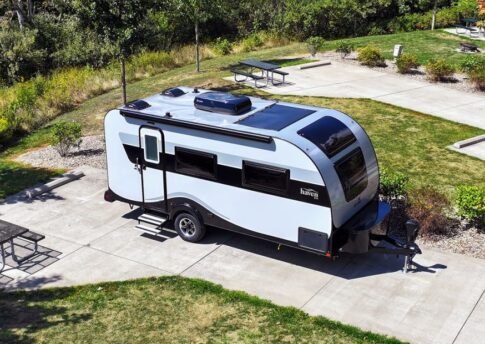
The nüCamp 2026 Haven 220 travel trailer—Big-ticket comfort

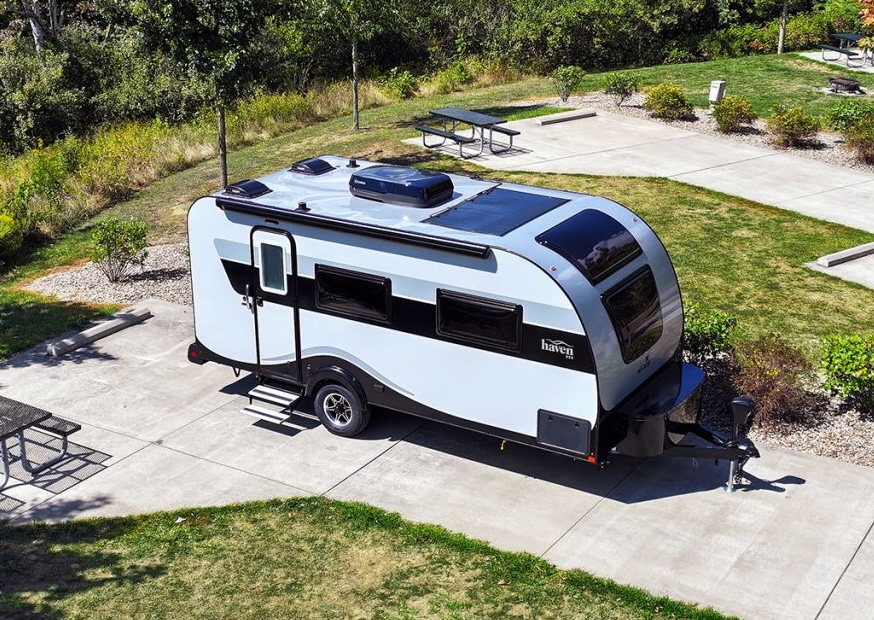
The nüCamp 2026 Haven 220 travel trailer looks like a clear step up for couples who want more room than a teardrop without jumping to a huge trailer. Shown at the 2026 Florida RV SuperShow, it mixes nüCamp’s usual fit and finish with big-ticket comfort features, including roof solar, standard lithium, a walk-around queen bed, and a true dry bath. Check it out and take a tour.


MAKE YOUR “OLD” RV FEEL LUXURIOUS AGAIN! One simple change can make all the difference. And if you haven’t replaced the one in your RV in a while, this will make you feel like you’re living in luxury! No, really, this is dangerously luxurious… 


In the RV shop with Dustin
FlexArmor roofs—RV expert’s concerns

While we don’t install FlexArmor on RVs at our repair shop, we do see them from time to time. Check out the video below for an inspection of a FlexArmor roof in the shop. There are certainly some benefits to this upgrade, but as an RV repair shop owner and former technician, I do have some concerns regarding the application.


Article and video
How to build an RV pad on a sloped lot

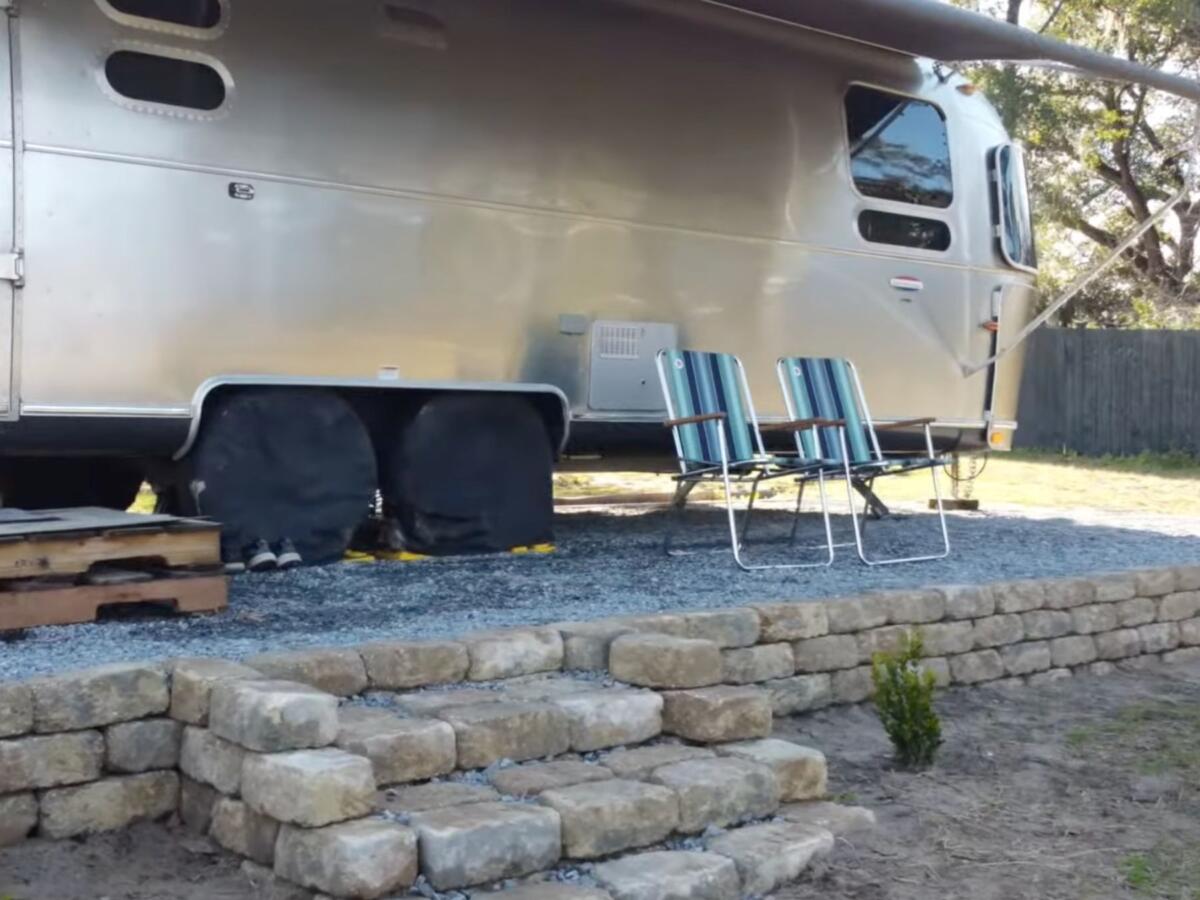
“A level RV is a happy RV,” set the tone for this project, and Lauren and Sam of A Little Bit Unhitched took that seriously. At their home base in South Carolina, the lot had too much slope, gravel kept getting tracked into the trailer, and parking on grass for long stretches brought extra wear on the tires and gave insects an easier path inside. So they built a level gravel parking pad themselves, and they did it for far less than the price of hiring it out. Here’s how they did it, and what you should know.


RANDOM RV THOUGHT: Some people worry about safety when it comes to RV living—but think about it. In a space that small, you’d likely know right away if something wasn’t right. Meanwhile, homes get broken into all the time without anyone noticing until morning. An RV? Not exactly a burglar’s first choice—especially when they don’t know who (or what) might be inside.


Featured article
Around the Campfire: The meanings and origins of many fun camping idioms

By Gail Marsh
A recent weekend brought several families to the campground. Folks of all ages joined us around the campfire. After brief introductions were made, a young child asked an RVer this question: “Can I see ‘your neck of the woods’?” The RVer had mentioned this phrase during the conversation. The little boy thought it meant a tattoo! A lively conversation followed—all about camping idioms or folk-isms—their meanings and origins. Learn about them here.


Ask Dave
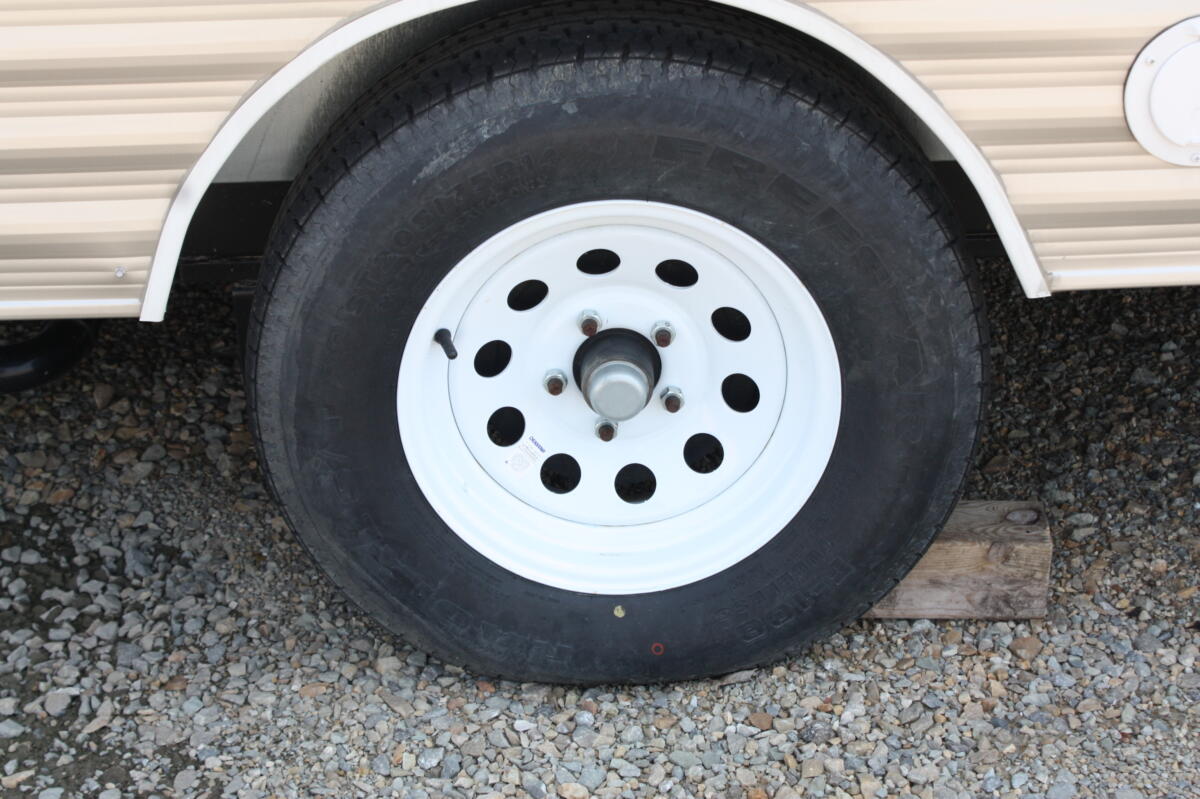
Lug nuts on trailer seize up. Lubricate them or use anti-seize?

Read Dave’s advice.


You may have missed these recent popular stories…


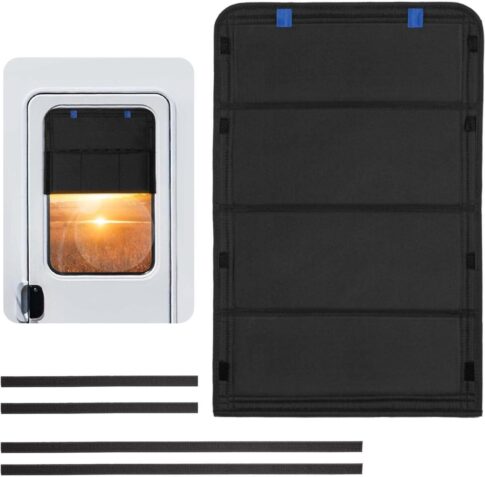
WindowshadeThe best window shade for your RV’s door
Block the light without blocking your view. This RV door window shade gives you full blackout when you want it—but, unlike most shades, it folds up so you can enjoy the scenery when you want, too. Easy to install in minutes with no drilling, it helps keep your rig cooler, adds privacy, and lets you switch from “sleep mode” to “view mode” instantly. A simple, smart upgrade for better comfort on the road. Check it out.


Reader poll
Have you ever seen a ghost?

Respond here.


Quick tip
Don’t pass the gas—valve!

Loyal reader Jeff considers a critical safety factor in RVing is traveling with the LP gas valves closed. To help him remember, he’s had a special “red flag” tag designed, which he hangs in his rig’s electrical power center. Thanks, Jeff!


On this day last year…


Website of the day

festivalnet®: Find Festivals In the USA & Canada 2026-2027
This website is great! Click on your state, or a state you’re headed to, and you’ll see all the fairs and festivals coming up. You’ll find so many fun things to do.


? MYSTERY PRODUCT OF THE DAY ?
Ladies, you’re just a girl who loves… what? We bet it’s this. No, we know it’s this. We are this girl! *Raises hand* Yes, men, don’t worry. You love this too, but you can’t have it!


Trivia

The first commercially successful bottled water in the United States was called “Hunyadi Janos” and was introduced in 1869. This Hungarian mineral water gained popularity for its purported health benefits and was sold in distinctive green glass bottles. The success of Hunyadi Janos helped pave the way for the bottled water industry that we see today.


Readers’ pet of the day

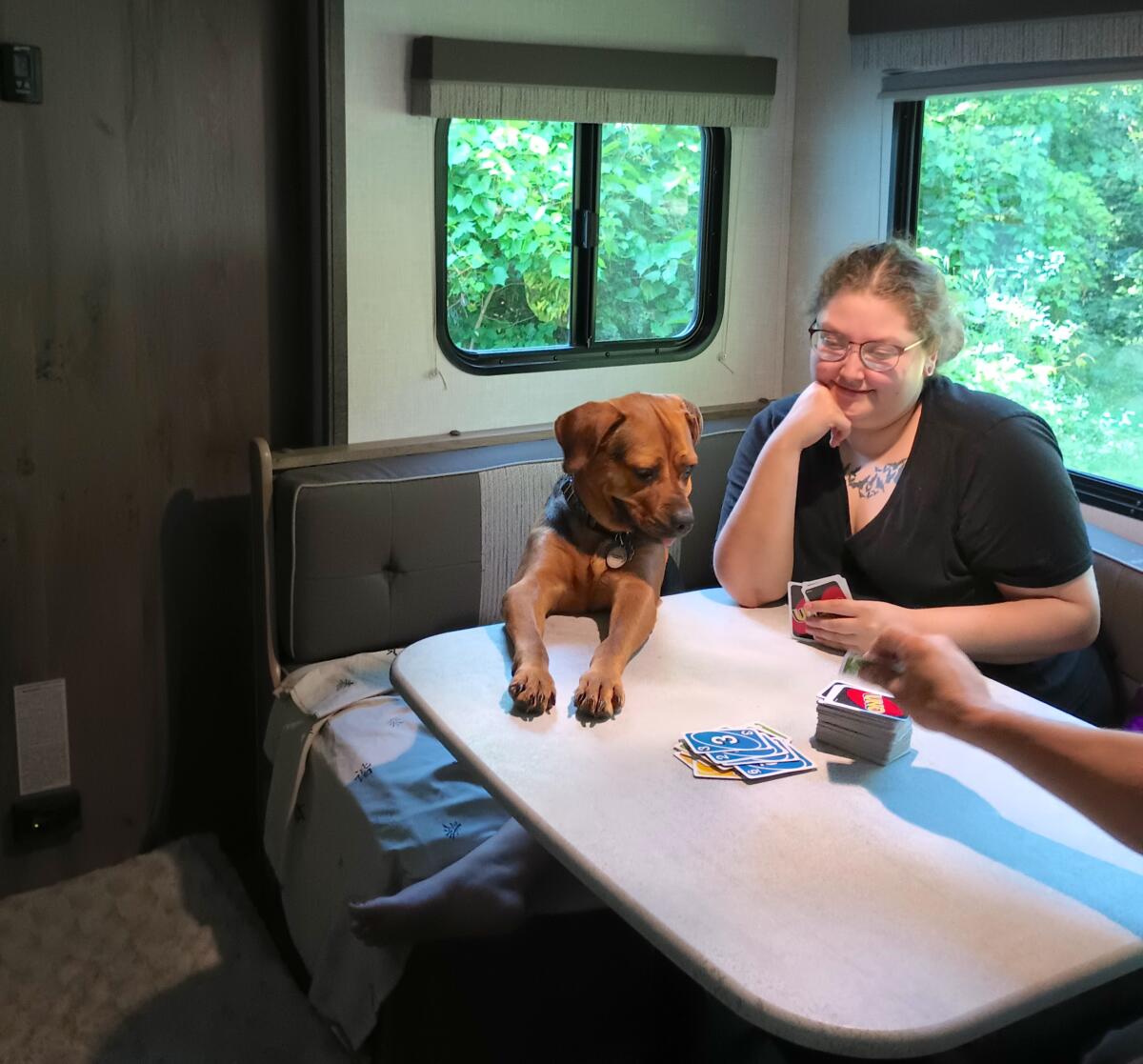
Img 20230703 172559606 Ab2d749993f90aa8f39a28e521b3c79c“Ursa (Staffy mix, age 5), the leader of our pack, took to camping easily and loves to be involved in everything. This was taken during our third trip. She was helping us play Uno!” —Gretchen Lange

Send us a photo of your pet with a short description. No blurry photos and please do not submit your photo more than once. Thanks!

RVing with Dogs group on Facebook. You’ll love it.


Leave here with a laugh

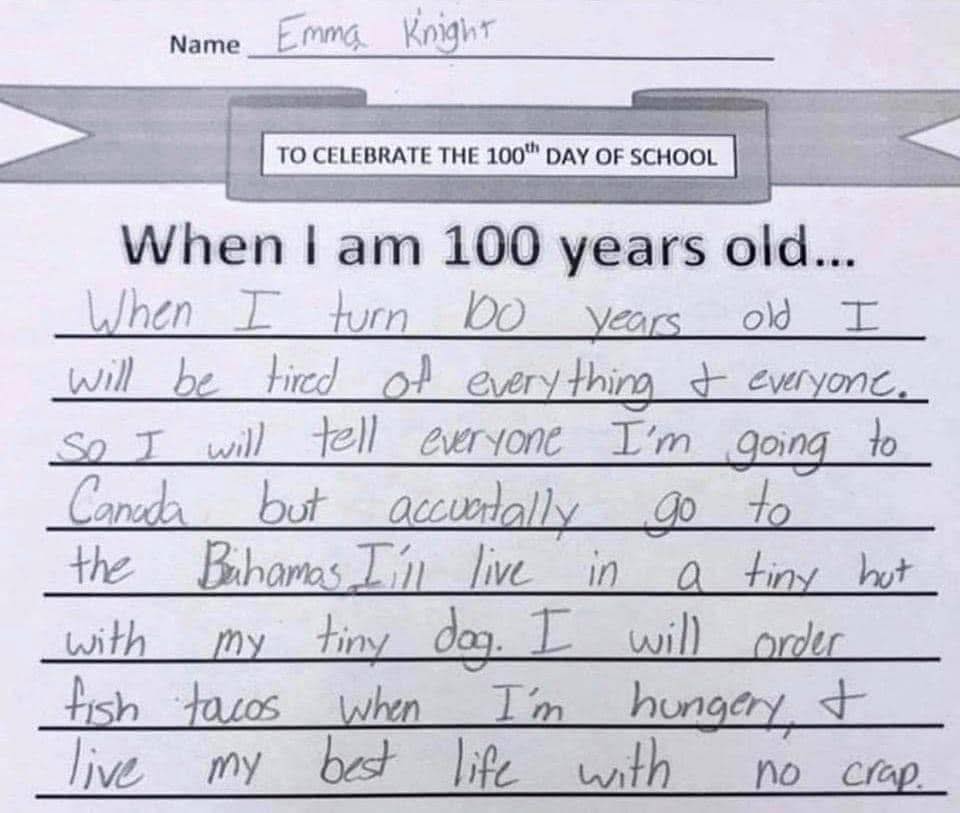
Turn100
Click to enlarge.

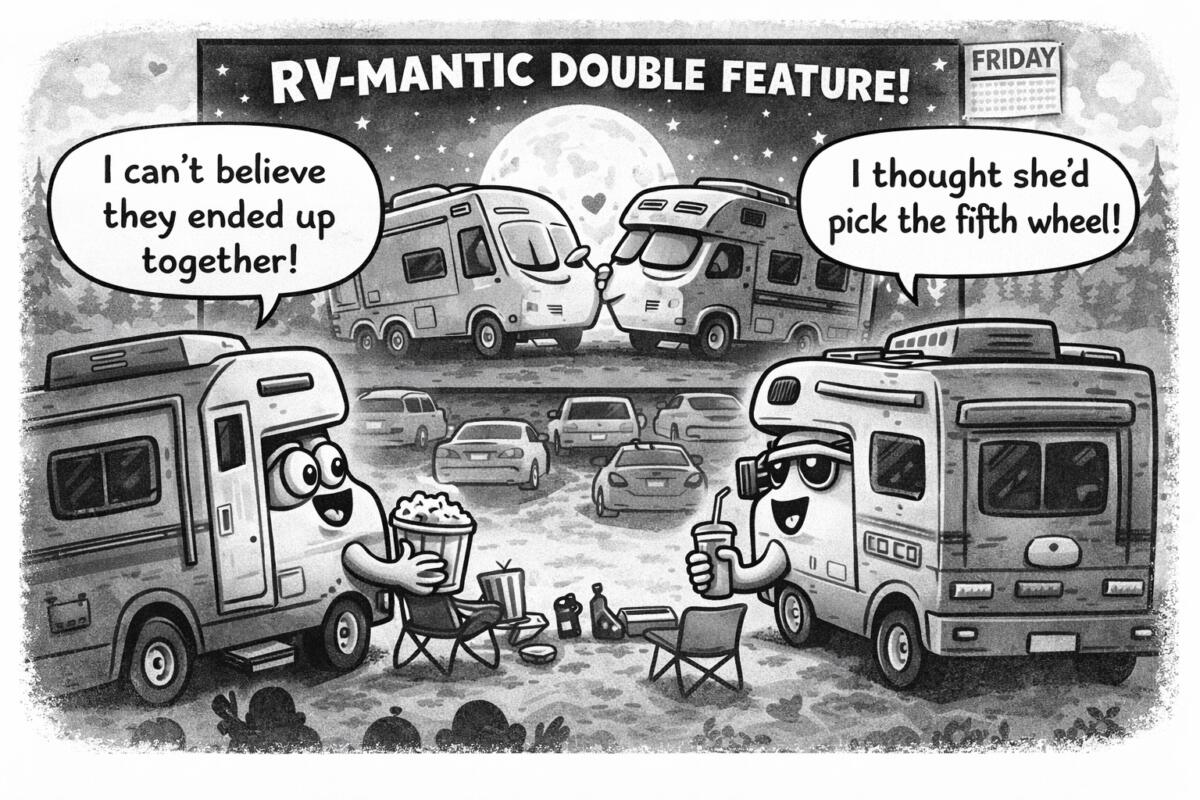
Doublefeature


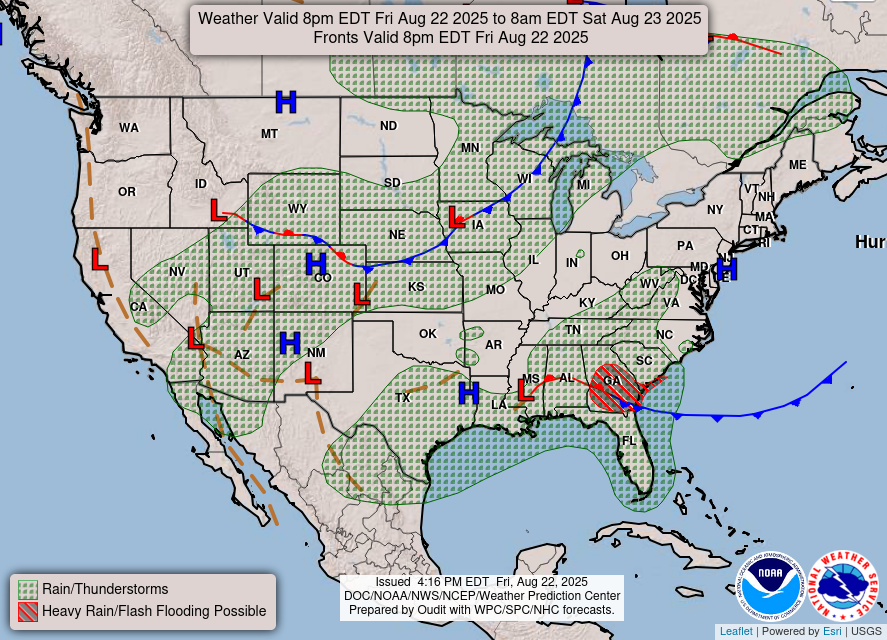
Today’s weather forecast across the nation
THIS MAP UPDATES TWICE A DAY

Visit Current National Radar Weather Map


Did you miss the latest RV Travel Newsletter? If so, read it here.
Oh, and if you missed the Latest News for RVers, make sure to catch up here.


If you shop at Amazon.com we’d appreciate you using this link. We get an itty bitty commission if you buy something, but they add up and help us pay our bills (most importantly our hard-working writers!). 


RVtravel.com All-Star Team

Click here for information about our staff and how to contact us.

Lug nuts on trailer seize up. Lubricate them or use anti-seize?

Dear Dave,
The lug nuts on my travel trailer rims seem to lock up or seize, making them hard to break loose when retorquing or changing a tire. Should I use any type of lubrication or anti-seize product? —Adam, 2023 Forest River Salem

Dear Adam,
This has long been a common topic not only for RV travel trailers, but also for cars, trucks, and motorhomes.

Unlike motorized vehicles, travel trailers and fifth wheels do not have steering and drive tires with different wear patterns, so there is no standard tire rotation pattern. As a result, lug nuts can remain untouched for long periods, even though wheel bearings should still be inspected and lubricated regularly.

Trailer Tire

However, many trailer owners are unaware that lug nuts should be retorqued monthly while the trailer is in use. According to the Tire & Rim Association, any wheel that has been removed and reinstalled should have its lug nuts retorqued at 10, 25, and 50 miles, and then checked monthly thereafter.

They also advise against using lubrication or anti-seize on the studs or lug nuts. Lubrication reduces friction, which can lead to over-tightening, since torque specifications are based on clean, dry threads.

Another issue some trailer owners encounter is lug nuts loosening over time. This can be caused by factors such as metal fatigue or compression between the wheel rim and brake drum, especially under extreme road conditions and temperature changes. Road vibration, lateral stress from tight turns, and temperature fluctuations can all contribute to this problem.


 You might also enjoy these posts from Dave 

DAVE HAS ANSWERED MORE THAN 1,000 readers’ maintenance and repair questions. Read a directory here. There is so much to learn!


Dave Solberg is a leading expert in the RV industry and the author of the “RV Handbook.”

HAVE A QUESTION FOR DAVE?

Send your inquiries to him using the form below.

Name
Drag & Drop Files, Choose Files to Upload

RVDT2870

The best magnetic gadgets for your RV

5

Stick ‘em up! (No, this isn’t a robbery tutorial.) Instead, here are several great RV tips that use magnets to make life on the road easier.

A couple of years ago, I wrote about magnets in a previous article. Since that time, I’ve collected even more tips for these popular RV helpers. Keep reading and see for yourself.

Why use magnets?

I like to use magnets because it often eliminates the need for nails or screws. Magnets are easily repositioned and are inexpensive and lightweight, as well.

Magnets

Match the magnet strength to the weight and motion expected. Neodymium (“rare-earth”) magnets are compact but very strong—great for hooks or bars—while coated magnetic hooks reduce scratching on painted surfaces.

Tips and tricks

• Drop a magnet into your shirt pocket when working on your RV. Brads, screws, and other small metal objects will “stick” to the outside of the pocket and conveniently remain at hand when needed.

• Swap screws on access panels for magnets to simplify maintenance. Just pull down the panel to access, then let the magnets snap it back into place.

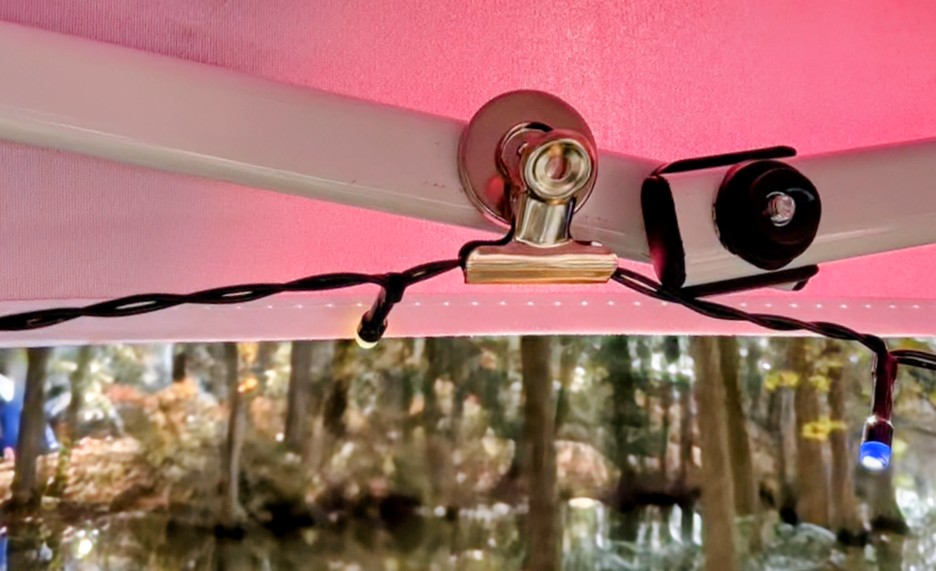
magnetic clips for lights Facebook image: Reiner Baugut
Photo credit: Reiner Baugut

• You can use small magnetic clips to hold small, twinkling lights on your RV awning. (Be sure to turn them off when going to bed.) The clips also work well affixed to inside windows.

• Keep magnets on your griddle or outdoor grill. Magnetic hooks will keep grilling utensils and potholders easily at hand.

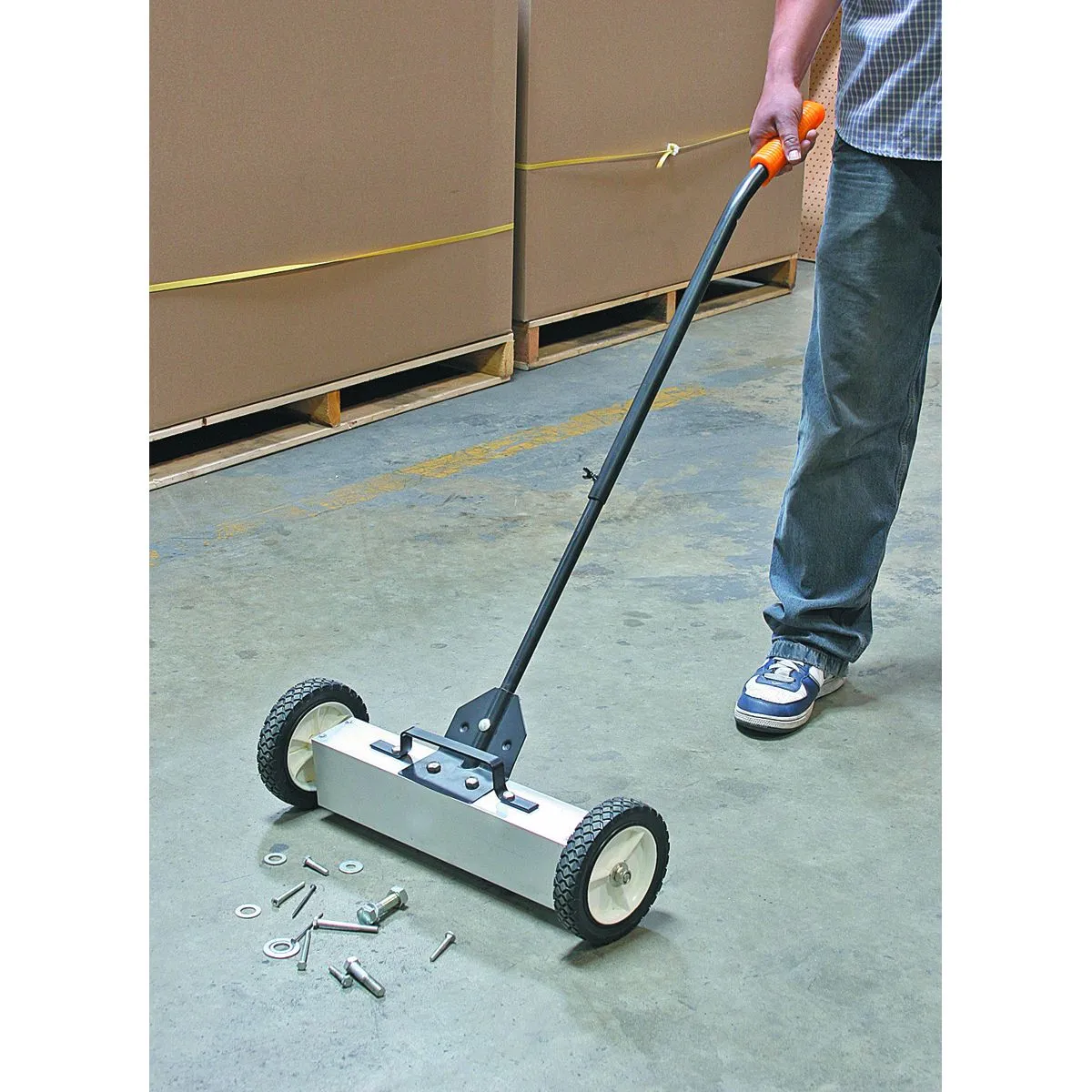
rolling magnet bar to sweep campsite Image: Harbor Freight
Photo by Harbor Freight

• A long, magnetized bar sweeper can help you “sweep” your campsite for nails and other metal objects that can cause tire damage or danger to pets and children. This also helps locate any dropped washer or screw that falls under your RV.

• Apply small magnets securely to the side of a child’s plastic cup. The cup will adhere to the RV refrigerator and remain within their reach. [Not advised for very young children.]

• A telescoping magnetic pick-up tool can pick up many things attracted by the magnet. Use it to find metal nuts, bolts, screws, needles, pins, and more.

Franklin magnetic level lights up Image: Amazon

• A magnetic torpedo level will help you quickly level your RV. This one is lit and turns green when level, so you can check the level at a distance.

• Use a magnetic furnace vent cover to keep dust out of your vents during the off-season. There are several different types. Just remember to remove them when operating the furnace.

magnetic screen door for rv Image: Amazon

• A magnetic screen door allows the breeze to enter your RV while keeping bugs out. This one is specifically made for RVs and attaches with hook-and-loop fasteners for easy removal. The company also makes a compatible insulated thermal door for cold-weather camping.

• Prevent your RV’s seven-way electrical connection from falling to the ground with a magnetic hook. Just place the hook on your hitch or pin box and hook up the electrical cord.

magnetic hitch alignment assist Amazon image

• A magnet can help hitch up your rig. Check this one out.

• A magnetic flashlight holder can help you see when working on or under your rig. There are several configurations from which to choose here.

• Keep beach sand out of your RV with this magnetic tip. Attach magnetic hooks to the RV entry steps’ outside panel. Then hang sandals and flip flops on the hooks. A small towel hung here can help wipe residual sand off your feet.

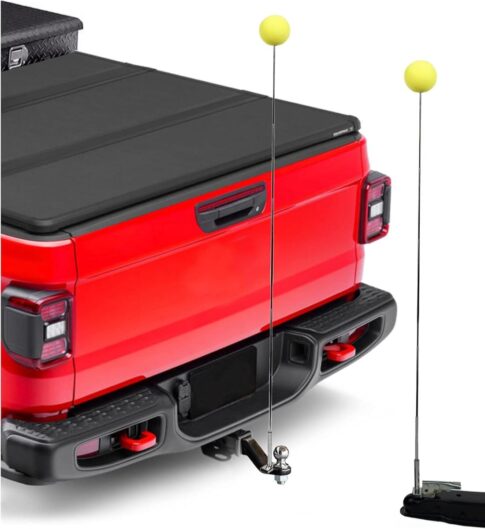
magnetic flag mount Amazon image

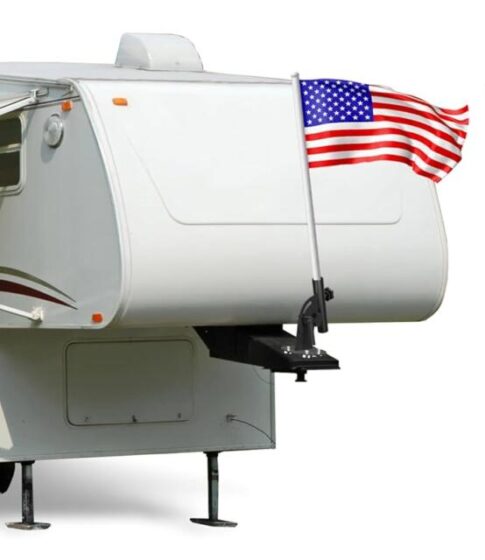
• Show pride in your country with this magnetic flag mount. It conveniently attaches to your pin box or truck bed. It’s adjustable, too.

Do you use magnets when RVing? Tell us in the comments below.

RELATED

RVDT2870

How to build an RV pad on a sloped lot

By Cheri Sicard
“A level RV is a happy RV,” set the tone for this project, and Lauren and Sam of A Little Bit Unhitched took that seriously. At their home base in South Carolina, the lot had too much slope, gravel kept getting tracked into the trailer, and parking on grass for long stretches brought extra wear on the tires and gave insects an easier path inside. So they built a level gravel parking pad themselves, and they did it for far less than the price of hiring it out.

Learn how in the video at the end of this post.

How to build an RV pad on a sloped lot

This wasn’t just about looks. Lauren and Sam’s lot needed a real fix that would make parking easier and daily use more comfortable.

The project cost about $1,500 as a DIY build. Had they hired it out, they estimated it would have cost around $8,000. That big price gap made the long day of labor worth it.

The design came together after plenty of late-night planning, pacing, and rough sketches. Two things shaped almost every choice: drainage and elevation. Because the lot sat low, they needed to bring in at least two feet of fill so the trailer’s waste tanks would drain downhill into the septic tank. That part mattered most.

Drainage was just as important. South Carolina storms can bring serious water, including hurricane conditions, so the pad had to move water away instead of trapping it.

The pad design and retaining wall

They settled on a 28-by-16-foot pad. The 16-foot width gave them more room to park, step out onto gravel instead of grass, and leave space for chairs under the awning.

Because the lot dropped off on one side, they built a landscaping wall to hold the pad at the right height and control runoff. Under that wall, they laid 4 inches of gravel for the base. Behind it, they added 6 inches of drainage rock, so water wouldn’t make the soil too heavy over time.

Moving dirt was the hardest part

They brought in 12 cubic yards of fill dirt first, then spent the day shoveling, spreading, and tamping it down. Later that same evening, they added another six cubic yards and kept going until the base was built up and compacted.

At the end, Sam drove the truck over the fill to help pack it even more. It was very much a full DIY job, with a lot of repeat work and not much glamour.

Once the base was ready, they bordered the pad with stained pressure-treated 4x4s. Then they spread about 3 cubic yards of gravel over the top and packed that down. Compared with the dirt work, the gravel went down fast.

They also planted small shrubs around the outside. Later, they planned to add topsoil and grass around the edges for a cleaner finish.

What they would change if they did it again

Two things stood out after the build. First, they would make the pad about five feet longer. The shorter length made unhitching harder because the off-ramp still had more slope than they wanted.

Second, the pressure-treated wood was still too damp when Lauren stained it. As a result, some areas didn’t absorb the stain evenly and needed another coat later.

The good news, the drainage test has already passed. After one big rainstorm, the water moved exactly where they wanted it to go. For phase one of their home base, that counted as a win.

RELATED

RVDT2870

Have you ever seen a ghost?

8

Ghosts… You either believe in them, don’t believe in them, or don’t believe in them until you see one! Right?

Have you ever seen a ghost? If so, can you say you saw one with absolute certainty or are you pretty sure, but not positive? If you answer yes, you must (and we mean must!) leave a comment and tell us about your ghost experience. We’re dying to know. Thanks!

Some people swear they’ve seen a shadowy figure pass by when no one else was around. Others have stories of cold chills, flickering lights, or mysterious whispers in the dead of night.

Maybe you’ve stayed in a haunted hotel (or campground… yes, they exist!), wandered through an eerie graveyard, or even had something unexplainable happen right in your own home or RV. The idea that something—someone—is watching us from another realm is equal parts thrilling and terrifying.

Of course, skeptics might argue that it’s all in your head. A trick of the light, an overactive imagination, or maybe just too many late-night horror movies. But then there are those moments that defy explanation, those spine-tingling encounters that make even the most logical person wonder, Could it be real? It’s these stories that capture our curiosity and keep us looking over our shoulders when we’re alone in the dark.

So, what’s your take? Are ghosts the stuff of fiction, or do you believe they’re out there?

If you’ve ever had an encounter that made you think twice, don’t keep us in suspense. Remember to leave a comment below. After all, the best ghost stories are the ones that make us wonder: What if…?

MORE POLLS THAT MAY INTEREST YOU

RVDT2870

FlexArmor roofs—RV expert’s concerns

By Dustin Simpson
While we don’t install FlexArmor on RVs at our repair shop, we do see them from time to time. Check out the video below for an inspection of a FlexArmor roof in the shop.

There are certainly some benefits to this upgrade, but as an RV repair shop owner and former technician, I do have some concerns regarding the application.

Keep reading and watch the video before you make the investment!

Every once in a while we have owners that come in with units that have had the FlexArmor roof coating applied. We have been replacing coatings on RV roofs for 25+ years. We replace around 50+ roofs a year due to some type of damage.

We’ve come across different roofs that have just required normal routine maintenance, like gutter spout replacements, insert molding replacements and other miscellaneous items. We have also had owners that have had the normal roof line molding come loose, which happens when the unit flexes side to side in travel or even walking in it when parked.

The following are concerns about FlexArmor that are based on my personal experience. Now, we are not saying anything bad about the product. In fact, we think it’s a good option. However, due to the way it was applied in these pictures, you will see why we are concerned.

Rear corner and side seams

I’m concerned about the insert molding, the rain gutter, the side molding and the rear cap corner cover.

Why:

  • When the insert molding shrinks up on the lower side and starts to come loose, this will allow dirt and water to enter the back side and cause damage to the screws that secure the side wall molding to the edge.
  • When the gutters go bad due to the sun, the material will have to be cut into to remove and replace the gutters.
  • If the rear roof or rear wall has to be repaired in any way, the roof coating will now have to be cut to make any repairs. Also, as the plastic dries out on the corner molding and shrinks, this will again be an issue.
  • As the side seam starts to flex and come loose, the screws start to back out and the insert molding will have to be removed. Again, this will cause an issue with the roof coating.
Roadside rear corner location
Roadside rear corner location – long view

Rear wall and side wall

Here, I’m concerned with the insert molding, the rain gutter, side molding and rear cap corner cover, and rear cap molding.

Why:

  • Same concerns as above. If, and when, the rear side wall corner moldings become loose or get damaged, the roof material will again become an issue when it comes time to make any repairs.
  • With the rear cap molding, the seams all flex and move, and over time the molding at the roof surface will separate.
Roadside rear corner
Close up view reflects thickness on walls; however, the thickness on the roof is a lot less.

Front cap and moldings

Here, I’m concerned with the screw cover side wall moldings, the rain gutter, and side molding.

Why:

  • Just as stated above, as the body and front cap flex, the screws will become loose, back out and fail. When this happens, the screw cover molding will need to be removed in order to tighten, thus again causing damage to the roof coating.
  • Rain gutter will once again be an issue at the time of replacement, causing damage to the roof coating.
  • Insert molding once again will be an issue at the time of replacement, causing damage to the roof coating.
  • In the event that the front cap is ever damaged and requires removal or replacement, the coating will once again become an issue.

Make sure you check out our website, California RV Specialists, and our YouTube channel for more helpful information, and see our published articles on RVtravel.com and other social media pages.

RELATED

RVDT2870

Health: Scientists use ‘cancer-eating’ bacteria to fight tumors

0

Researchers at the University of Waterloo in Canada are developing an unusual new way to treat cancer: using specially engineered bacteria to consume tumors from the inside out.

The approach focuses on a soil-based bacterium called Clostridium sporogenes. This organism naturally thrives in places with little or no oxygen. That makes it a good match for solid tumors, whose cores often lack oxygen and contain dead or dying cells, an ideal environment for the bacteria to grow.

Once inside a tumor, the bacteria multiply and begin breaking down cancerous tissue. In simple terms, they “eat” the tumor from the inside. Researchers say this could offer a highly targeted way to attack cancer while limiting damage to healthy tissue.

But the method faces a key challenge. As the bacteria spread toward the outer edges of a tumor, they encounter small amounts of oxygen and die off before finishing the job.

To address this, scientists added a gene from a related bacterium that helps the organism tolerate some oxygen. This allows it to survive longer and continue working closer to the tumor’s outer layers.

Researchers also built in a safety feature using a natural bacterial communication system known as quorum sensing. This system ensures the oxygen-tolerance gene turns on only after enough bacteria have gathered inside the tumor. That timing is important to prevent the bacteria from spreading into healthy, oxygen-rich parts of the body, such as the bloodstream.

The work is still in early stages. Scientists are combining these advances into a single engineered bacterium and plan to test it in preclinical studies. Human clinical trials are likely several years away.

Experts caution that this is not expected to replace existing treatments such as surgery, chemotherapy or radiation. Instead, it could become another tool to help doctors better control or eliminate certain cancers.

While much more research is needed, the concept highlights a growing trend in medicine: using living organisms, carefully engineered, to target disease in ways traditional treatments cannot.

MORE HEALTH-RELATED POSTS

RVT1254

The nüCamp 2026 Haven 220 travel trailer—Big-ticket comfort

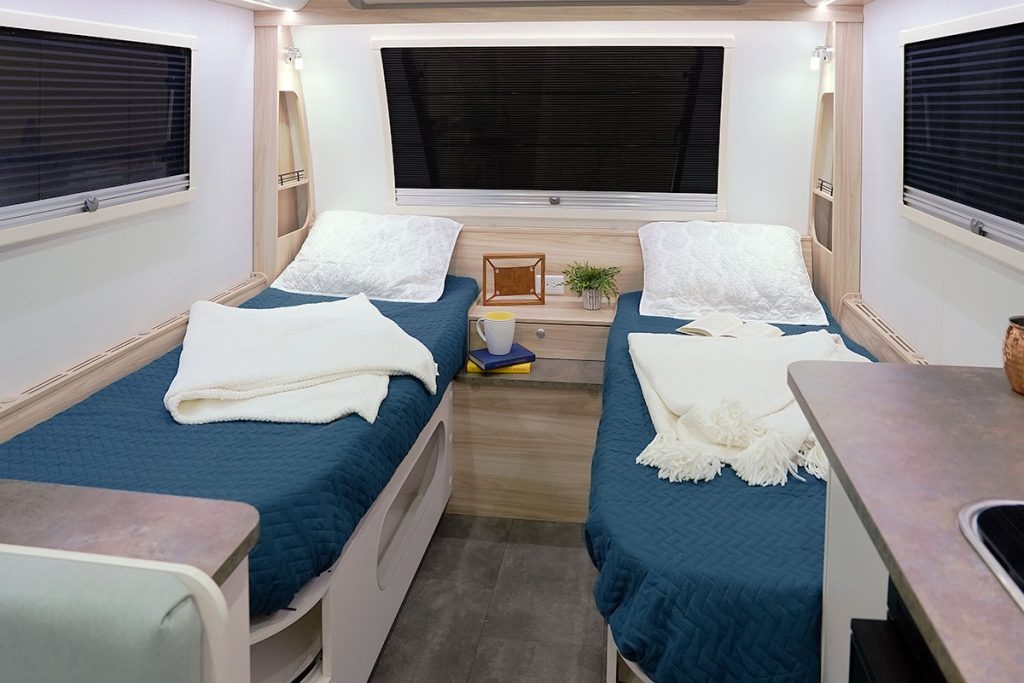
The nüCamp 2026 Haven 220 travel trailer looks like a clear step up for couples who want more room than a teardrop without jumping to a huge trailer. Shown at the 2026 Florida RV SuperShow, it mixes nüCamp’s usual fit and finish with big-ticket comfort features, including roof solar, standard lithium, a walk-around queen bed, and a true dry bath.

In the video at the end of this post, we get a walk-through tour from Day Hiker From The Six.

Exterior features

Up front, the nüCamp Haven 220 starts strong with a power tongue jack, safety chains, breakaway cable, 7-pin connector, and a large front storage box. The reviewer liked the storage but also felt a second propane tank would help campers who spend more time off-grid. A spare tire sits up front, as well.

On the sides, the trailer gets dual-pane acrylic tip-out windows, including an opening stargazer window. There’s also pass-through storage, a separate 30-amp cord connection, alloy wheels, and Goodyear tires. The utility area looks well thought out, too, with a Nautilus water management system, city water hookup, cable and satellite ports, a Zamp solar port, and outdoor shower access. Black and gray tank dumps are placed together, which makes setup at the dump station simpler.

Around back, bumper storage gives the sewer hose its own spot, which is always a smart touch. A backup camera appeared to be installed, and the trailer also gets large stabilizers, rear protection for low-clearance moments, and a nearly full-length armless awning on the campsite side.

Inside the nüCamp Haven 220

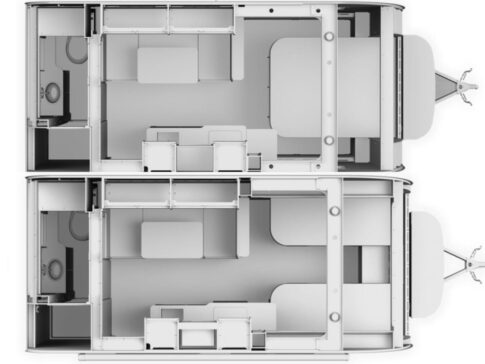
nuCamp Haven 220 travl trailer floorplan options

The interior puts a large bathroom across the rear, a U-shaped dinette near the entry, the kitchen on the right, and the bedroom at the front.

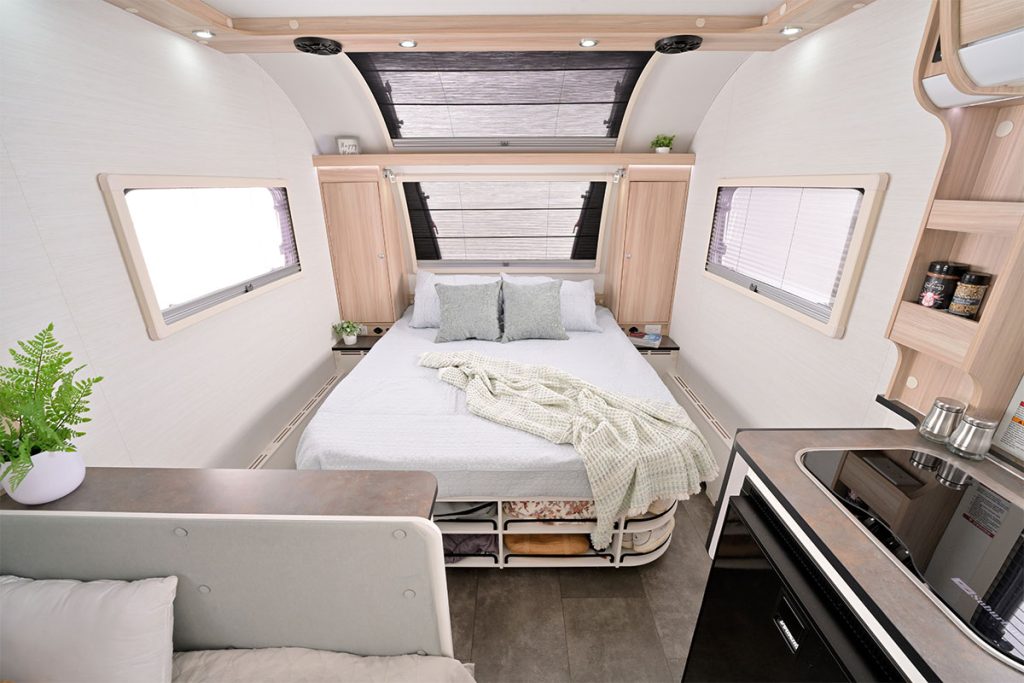
That bedroom is the star. It has windows on every side, plus the stargazer overhead, and each window gets screen and blackout shades. There are closets on both sides, USB ports, outlets, reading lights, shelves, and deep under-bed storage with lift struts. The bed also uses the Froli support system, which should help with comfort.

Nucamp Nu2

The kitchen keeps things practical with a 12-volt fridge, a small freezer, a Suburban stove with electric ignition, microwave, counter extension, black stainless sink, and a lot of cabinet space. The dinette looks roomy enough for four and also converts into an extra bed.

The bathroom gives the nüCamp Haven 220 a more residential feel. It includes a separate shower, toilet, sink, medicine cabinet, open shelving, towel racks, under-sink storage, and an exhaust fan. For a travel trailer in this size class, that’s a major plus.

Heating comes from Aldi radiant heat, and cooling is handled by a Truma Aventa air conditioner, which is known for quiet operation. That combo should make the trailer comfortable in more than one season.

Final thoughts

Dealer pricing on the nüCamp Haven 220 was reported around $54,000 to $60,000 USD, or about $67,000 to $70,000 CAD. The reviewer also noted that RV magazines have already given the Haven 220 several awards. Those include the RVBusiness 2026 Top RV Debut and RV PRO’s 2026 Best New Model.

The appeal is easy to see. The nüCamp Haven 220 feels bright, airy, and better-suited to real camping comfort than many compact trailers. A larger fridge, less weight, and a lower price would make it even stronger. For couples, this looks like a very smart layout.

Learn more about the nüCamp 2026 Haven 220 here.

RELATED

RVDT2870

Winnebago recalls some motorhomes for inadequate lights

6

Winnebago Industries is recalling certain 2017 Brave, 2019 Itasca Sunova, 2019-2022 Adventurer, and 2022 Sunstar motorhomes.

The front turn signals may have a smaller than required luminous lens area. As such these vehicles fail to comply with the requirements of Federal Motor Vehicle Safety Standard (FMVSS) Number 108, “Lamps, Reflective Devices, and Associated Equipment.”

A small lens can make it difficult for other drivers to see the turn signal, increasing the risk of a crash and injury. As many as 1,446 RVs may be affected by the recall, which was issued March 23.

Remedy

Dealers will replace the non-compliant turn signal lights with new lights that comply with Federal Motor Standards.

Owner notification letters are expected to be mailed May 1, 2026. Owners may contact Winnebago Customer Care at 1-800-537-1885. Winnebago’s number for this recall is 203.

* * *

RV MAINTENANCE ADVICE: That’s the topic at RVtravel.com’s Facebook group where more than 91,000 members discuss keeping their RVs in tip-top shape (and how to fix things that break!).

MORE WINNEBAGO RECALLS

RVT1254b
Gasoline price jumps one dollar in last month

9

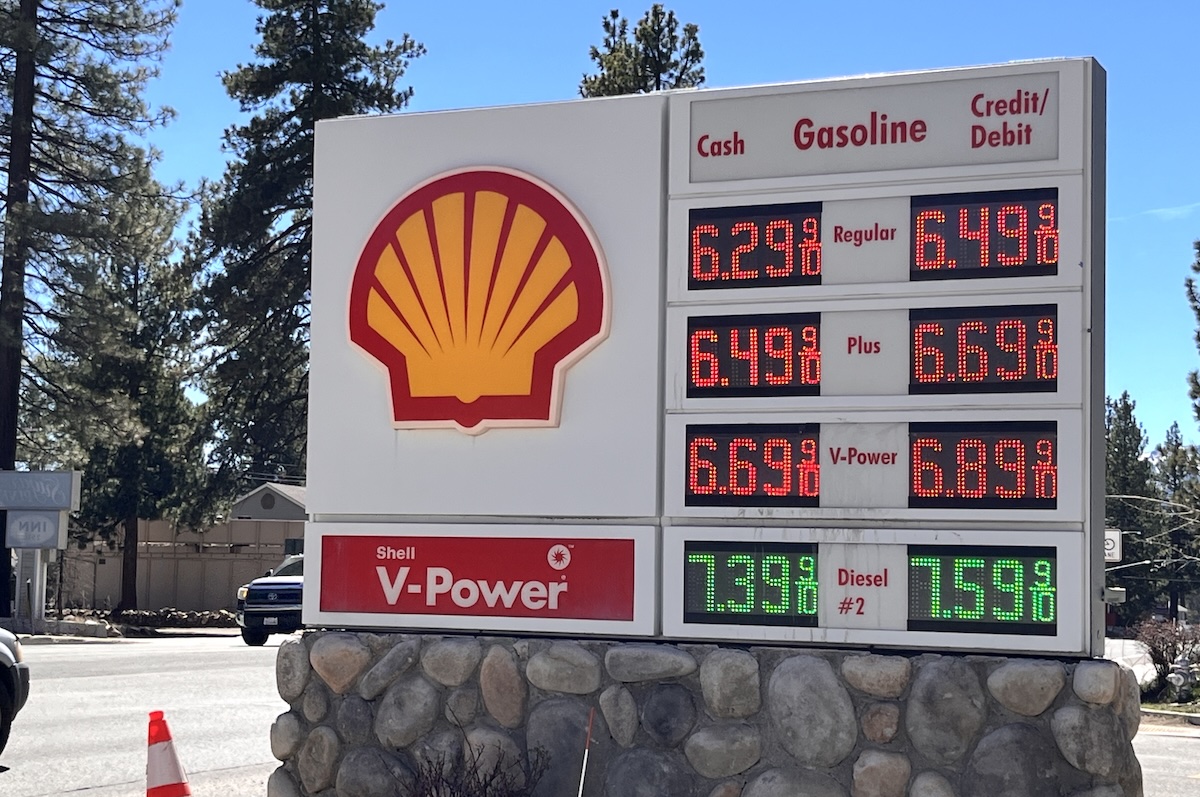
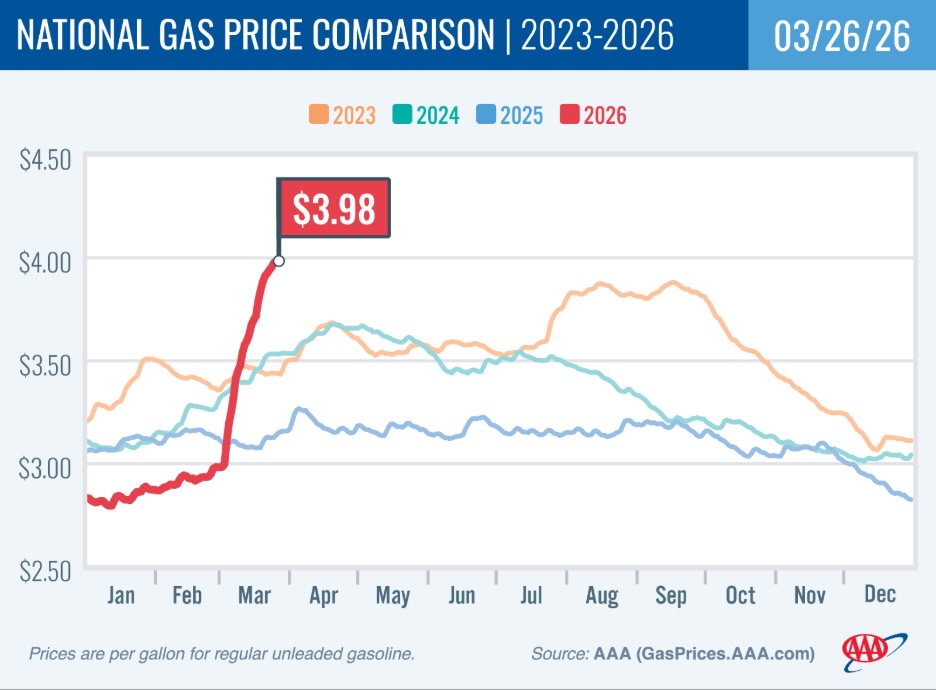
AAA reported on March 26 that the national average price of a gallon of regular gasoline was up 10 cents from the previous week and one dollar from last month.

The graph below shows the steep rise from $2.98 on February 26 to $3.98 today. Crude oil prices remain high as the Iran conflict nears the 4-week mark. The national average could reach $4 a gallon in the coming days for the first time since August 2022.

Gasoline demand is also on the rise as spring break season continues, another factor in rising pump prices.

Gas Prices March 26
SOURCE: AAA

According to new data from the Energy Information Administration (EIA), gasoline demand increased last week from 8.72 million barrels per day to 8.92 million. Total domestic gasoline supply decreased from 244 million barrels to 241.4 million. Gasoline production increased last week, averaging 9.7 million barrels per day.

Oil market dynamics

At the close of Wednesday’s formal trading session, WTI (a high-quality, light and sweet grade of crude oil used as a primary benchmark for pricing oil in the United States) fell $2.03 to settle at $90.32 a barrel. The EIA reports crude oil inventories increased by 6.9 million barrels from the previous week. At 456.2 million barrels, U.S. crude oil inventories are about 0.1% above the five-year average for this time of year.

State statistics

Gasoline

The nation’s top 10 most expensive gasoline markets are California ($5.84), Hawaii ($5.33), Washington ($5.30), Nevada ($4.86), Oregon ($4.86), Arizona ($4.63), Alaska ($4.57), Idaho ($4.25), Illinois ($4.23), and Utah ($4.16).

One Los Angeles Chevron station is charging $8.31 for both regular unleaded and diesel. According to the Los Angeles Times, the station on the edge of Chinatown was busy despite the price. Stanford economists estimate the average California household could spend about $857 more on gas from March through December this year.

EV charging

The national average per kilowatt hour of electricity at a public EV charging station stayed the same this past week at 41 cents.

The nation’s top 10 most expensive states for public charging per kilowatt hour are West Virginia (52 cents), Hawaii (51 cents), Alaska (50 cents), New Hampshire (47 cents), Louisiana (47 cents), South Carolina (46 cents), California (46 cents), New Jersey (45 cents), Arkansas (44 cents), and Idaho (43 cents).

The nation’s top 10 least expensive states for public charging per kilowatt hour are Kansas (29 cents), Missouri (32 cents), Utah (32 cents), Nebraska (33 cents), Iowa (34 cents), Maryland (34 cents), Vermont (34 cents), South Dakota (34 cents), Delaware (36 cents), and New Mexico (36 cents).

RELATED

RVT1254b