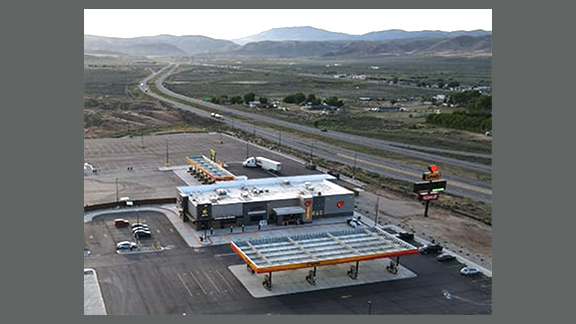
Love’s is making good on its promise—and marketing ploy—of reaching into the lives of RVers. Love’s Travel Stops has expanded its RV-friendly network with a brand-new location in Carlin, Nevada, designed to make life on the road easier for RVers. The new Love’s stop in Nevada features seven dedicated RV hookup sites, including power and water, an RV dump station, and multiple traveler conveniences that go beyond the basics.
New Love’s in Nevada comes with all the bells and whistles
Conveniently located in northeast Nevada, this new 14,500-square-foot travel stop offers RVers a reliable place to refuel, recharge, and relax. Whether you’re passing through on a long road trip or setting up for a quick overnight stay, the Carlin location brings modern comforts and essential services together in one stop.
RV-friendly features at the new Carlin, Nevada, Love’s include:
Seven RV hookup sites (with utilities)
RV dump station
Dog park for your four-legged co-pilot
Clean, private showers
Self-checkout options for faster service
CAT Scale for weight checks
Love’s Fresh Kitchen serving up made-daily sandwiches, salads, and fresh fruit
Carl’s Jr. on site for a hot meal any time of day
Love’s donates $10,000 to local community
“We’re excited to serve RVers in Carlin with a full suite of amenities that make stopping here a great part of the journey,” said a Love’s spokesperson. “Whether you’re looking for hookups, a shower, or just a fresh bite to eat, we’ve got you covered.”
As Carlin joins as a new Love’s location, the company is doing more for the economy than just jobs and taxes. As part of the grand opening celebration, Love’s is donating $5,000 to Carlin Combined Schools and another $5,000 to Primary Children’s Hospital, reinforcing its commitment to supporting the communities it serves.
Love’s now operates more than 660 travel stops nationwide, many with RV-accessible features. For more information or to locate RV-friendly Love’s stops along your route, visit loves.com or check their app.
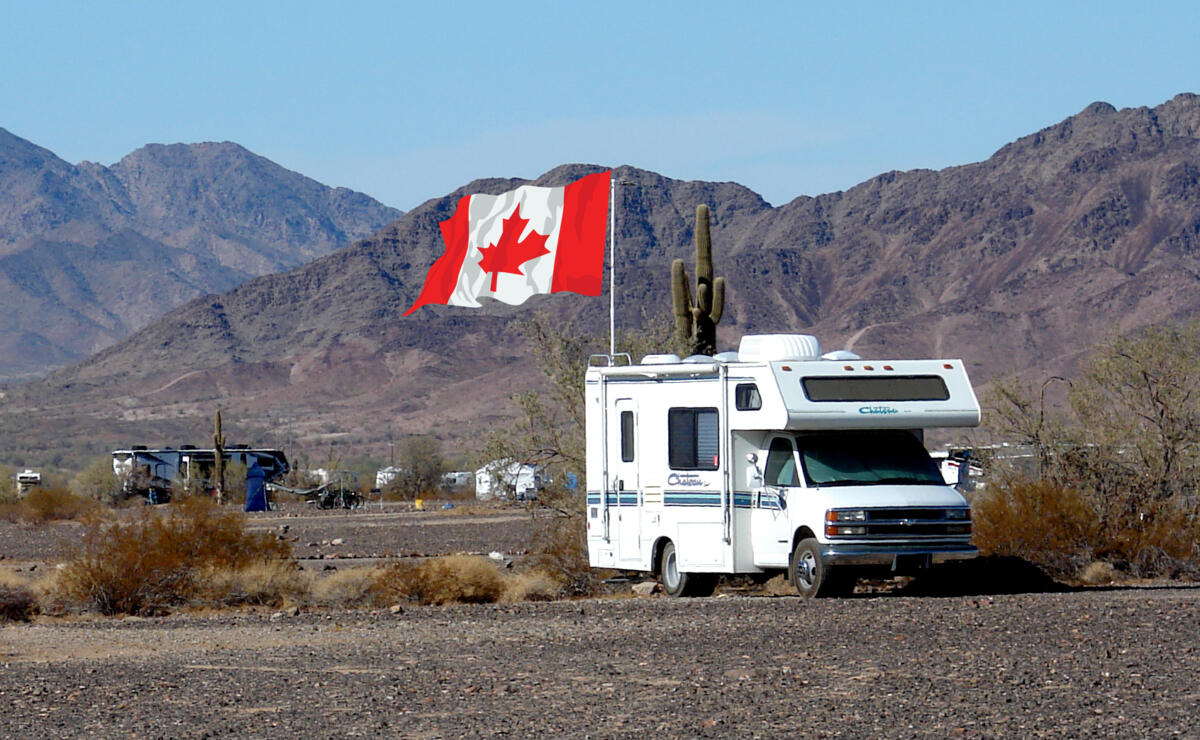
How will RVers look back on the summer of 2025 camping season? Will little elbow room in the campgrounds leave a bad taste? If your plans take you to areas where Canadian tourists frequent, you may see a bit of relief. Already campground owners in New Hampshire are noticing something missing this summer: Canadians.
New Hampshire notes 70% drop as U.S. traffic by Canadians is off
As travel tensions grow and border traffic slows, fewer visitors from the north are heading to U.S. campsites—and it’s starting to show. Early numbers from New Hampshire State Parks suggest Canadian bookings at state-run campgrounds are down by more than 70% compared to last year. While reservations from American campers are holding steady, the sharp decline in Canadian visitors is raising eyebrows—especially in northern regions and along the East Coast, where Canadians traditionally make up a large part of the summer crowd.
It shouldn’t be a complete surprise. A recent Leger Marketing poll shows that only 10% of Canadians plan to travel to the U.S. this summer, down from 23% last year. Instead, 77% say they’re staying in Canada.
U.S. traffic by Canadians is off—What’s behind it?
Why the sudden shift? Many Canadians cited political tensions, trade disputes, and worries over increased border scrutiny. Others said they’re uneasy about their safety in the U.S. or simply don’t want to support American tourism in light of recent diplomatic friction.
The same survey found some Canadians still planning U.S. trips, mostly to visit family or because they felt unaffected by politics.
“It’s unfortunate what’s going on, but they’re more than welcome here,” said Jeremy Sprince, Executive Director of the New Hampshire Campground Owners Association. “It’s a big, big part in New Hampshire, a big part of the tourism industry here, and we miss having them here.” Sprince’s comments appeared in a story on New Hampshire tourism in a piece carried by wmur.com.
The drop-off in Canadian RV reservations has hit private campgrounds, as well. At Crescent Campsites in Canaan, NH, residential assistant Josh Archibald sees a strong base of regular New England campers. He says the campground usually gets a good turnout of Canadians for special events like Laconia’s Bike Week, but the locals keep things going financially.
“It’s a totally different world,” Archibald said about life at the campground in the wmur.com piece. “You leave your worries at the gate and you can pick them up on the way out.”
Still, the full picture may not come into focus until later in the summer. State officials caution that weather has also played a role, with 12 straight rainy weekends dampening last-minute camping plans.
Will it make a difference to U.S. RVers?
U.S. traffic by Canadians is off, but will the net effect of Canadians swearing off U.S. travel have a positive effect on RV campsite availability? The numbers would suggest you may see some difference—but only slightly.
Canadian RVers once made up a small but noticeable portion of spring/summer bookings—generally 2 to 3 percent of nights reserved. Some U.S. parks, especially in border states, will feel less crowded this spring or early summer due to fewer Canadian travelers. But even if ALL Canadians boycotted U.S. campgrounds, the net effect of 2 to 3 percent more available spaces seems like a drop in the bucket.
”No matter how far you have gone on a wrong road, turn back.” —Turkish Proverb
Need an excuse to celebrate? Today is National Egg Roll Day!
On this day in history:1854 – The United States Naval Academy graduates its first class of students.
Tip of the day The process of selling your RV, from start to finish
By Gail Marsh
So, you’ve decided it’s time to part ways with your trusty RV and pass the adventure torch onto someone else. Whether you’re upgrading, downsizing, or just ready for a change, getting your RV ready for sale is a bit like prepping it for one last epic road trip. Here’s your roadmap to make sure it’s in top-notch condition and ready to wow potential buyers.
Step 1: Clean, inside and out
Imagine you’re inviting someone into your home for the first time. You’d tidy up, right? Same goes for your RV. Give it a thorough cleaning, inside and out. Scrub the exterior, polish those wheels, and make sure the windows sparkle. Inside, declutter and deep clean every nook and cranny. A clean RV not only looks better but also demonstrates that it’s been well-maintained. Continue reading.
Ask Dave Two leaks in RV after rain. Are they related? How do I find hidden damage?
Dear Dave,
I purchased this Class C new in April 2024. Earlier this week I drove through and camped in heavy rain. I had water leaking in around the shower skylight. I also found water in the storage compartment drivers’ side rear under the bedroom slide out. My questions are: (1) Are these two related? (2) Should I be worried about hidden water damage? (3) What should I use and how do I reseal the roof? More rain is forecast. —Larry, 2023 Minnie Winnie WF326T Read Dave’s answer.
Article and video BougeRV’s near-perfect extendable camping lantern
By Cheri Sicard
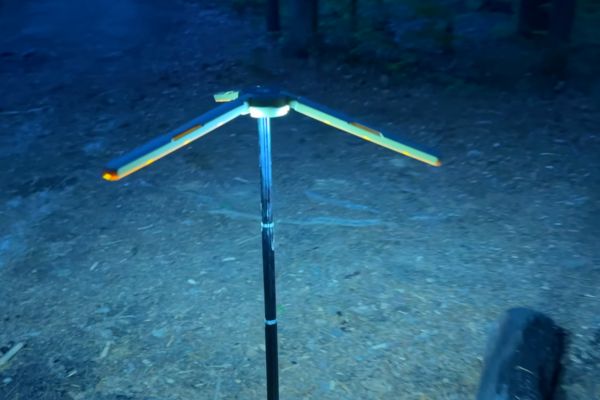
Looking for a camp lantern that packs serious features into a compact package? In today’s article and video, the team from All Things Overlanding takes a look at the new BougeRV extendable lantern. Our host says it raises the bar for camp lighting with a fresh design, longer battery life, and thoughtful extras—all while staying affordable. Learn more here.
RANDOM RV THOUGHT: Whenever you can, stop at local museums. You will always find something interesting, and the staff is almost always eager to provide travel tips for the local area. Be sure to leave a donation; they are often the main way the museum can afford to operate.
Featured article 7 advantages of a solar generator over installing solar on your RV
Discover the power of solar generators for your RV adventures! Learn from Cheri Sicard as she uncovers the uses of solar generators, revolutionizing how you can power up on the road. Say goodbye to complicated installations and hello to instant, portable power. With 7 compelling advantages over traditional solar panels, find out why you might want to make the switch, too. Click here to read.
Reader poll Do you bring your own reusable bags to carry out groceries at supermarkets?
JUST RELEASED: “National Geographic Road Atlas 2026: Scenic Drives Edition”
“National Geographic’s Road Atlas: Scenic Drives Edition” is the ideal companion for the next time you hit the road. Includes up-to-date road maps for all 50 U.S. states, plus Canada, Mexico, and Puerto Rico. Cities are shown in detail with inset maps that include popular attractions and points-of-interest. It also includes carefully researched scenic drives and a map and guide section for the 20 most popular national parks. Learn more or order.
Quick tip Adjust tire pressure when using a TPMS?
Tire expert Roger Marble says one TPMS manufacturer wrongly claims tire pressure should be adjusted at 70 degrees. “Not true,” says Roger. “The Tire & Rim Association states cold inflation pressure is measured at the current ambient temperature, not a set number, and doesn’t include pressure buildup from driving. The key definition is that of ‘ambient temperature,’ which is the air temperature of an environment or object.”
Some are confusing SATP or ‘Standard Ambient Temperature and Pressure’ as used in a chemistry lab as a reference. “This isn’t a chem lab,” he says. Cold pressure should be measured when a tire hasn’t been driven or in direct sunlight for two hours. Thanks, Roger!
30 Best Camping Recipes to Enjoy in the Great Outdoors
If you know The Pioneer Woman, you know she’s hard not to love. And her recipes are always delicious! Comfort food at its finest. Here are 30 of her best camping recipes. You’re going to want to start cooking right after you read this!
? MYSTERY PRODUCT OF THE DAY ? “Hold on, Honey. The future is calling.” These are futuristic (cool!), all right.
And the survey says…
We’ve polled RVtravel.com readers close to 5,000 times in recent years. Here are a few things we’ve learned about them:
• 28 percent have taken a trip on Route 66 in their RV.
• 20 percent say they would not stay someplace for a week or more if there was no cell service.
• 10 percent have four or more TVs permanently installed in their RV.
Japan has the most vending machines per capita. The ratio of vending machines to people in Japan is 1:23.
Readers’ pet of the day
“We got Mocha (Cavalier King Charles Spaniel) at 8 weeks and started traveling with him around 12 weeks. We call him our ‘karma’ pup because we got him via a stroke of luck after rescuing a stranded couple and their dog off the summit of Mount Washington, NH. He is our fourth Cavalier, though first male. He, like all Cavaliers, thinks the world, rightfully, centers on and revolves around him! He has traveled over 50,000 miles and loves sniffing new places. He is living a dog’s best life!” —Ron Taylor
Send us a photo of your pet with a short description. We publish one each weekday in RV Daily Tips and in our Sunday RV Travel newsletter. No blurry photos, please! Please do not submit your photo more than once. Thanks!
If you shop at Amazon.com we’d appreciate you using this link. We get an itty bitty commission if you buy something, but they add up and help us pay our bills (most importantly our hard-working writers!).
Dear Dave,
I purchased this Class C new in April 2024. Earlier this week I drove through and camped in heavy rain. I had water leaking in around the shower skylight. I also found water in the storage compartment drivers’ side rear under the bedroom slide out. My questions are: (1) Are these two related? (2) Should I be worried about hidden water damage? (3) What should I use and how do I reseal the roof? More rain is forecast. —Larry, 2023 Minnie Winnie WF326T
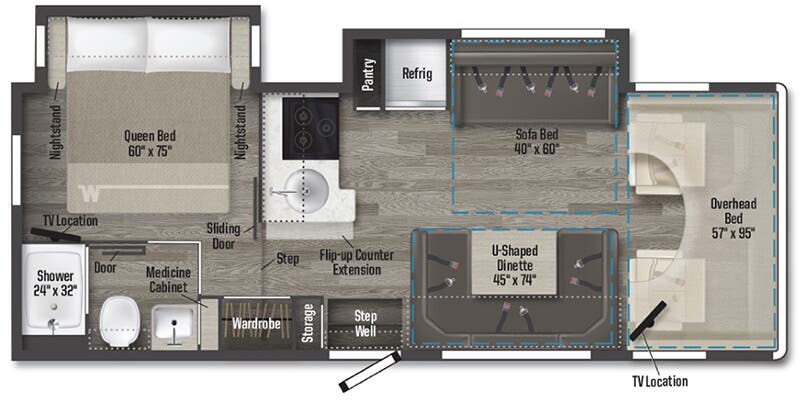
Dear Larry, It is hard to determine if the leak around the shower skylight is also allowing water to travel down to the compartment without doing a thorough leak test. However, I think you have two separate issues, as the shower in your 26T floorplan is in the right rear corner and it would be a challenge for water to get to the other side of the unit to that compartment.
2023 Minnie Winnie 26T (click to enlarge)
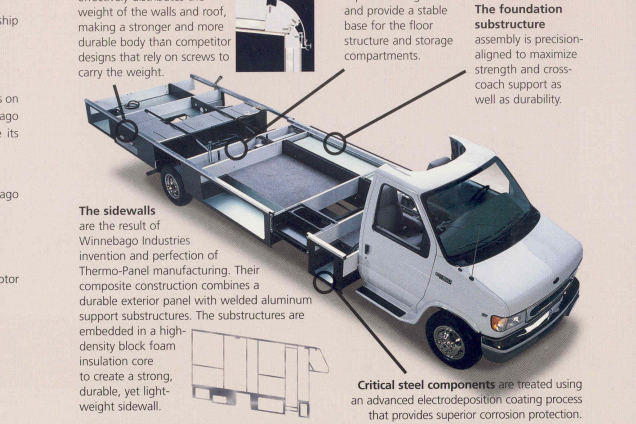
But, as I have said many times, I never say never or always when it comes to RVs. Your Minnie Winnie has tubular aluminum framework That is at the roof-to-sidewall joint and throughout the sidewall. Moisture can penetrate one area and travel through the framework and come out in a totally different location. This has been a real challenge for service centers as the visual leak inside could come from anywhere.
Minnie Winnie exploded view (click to enlarge)
Check shower skylight sealant
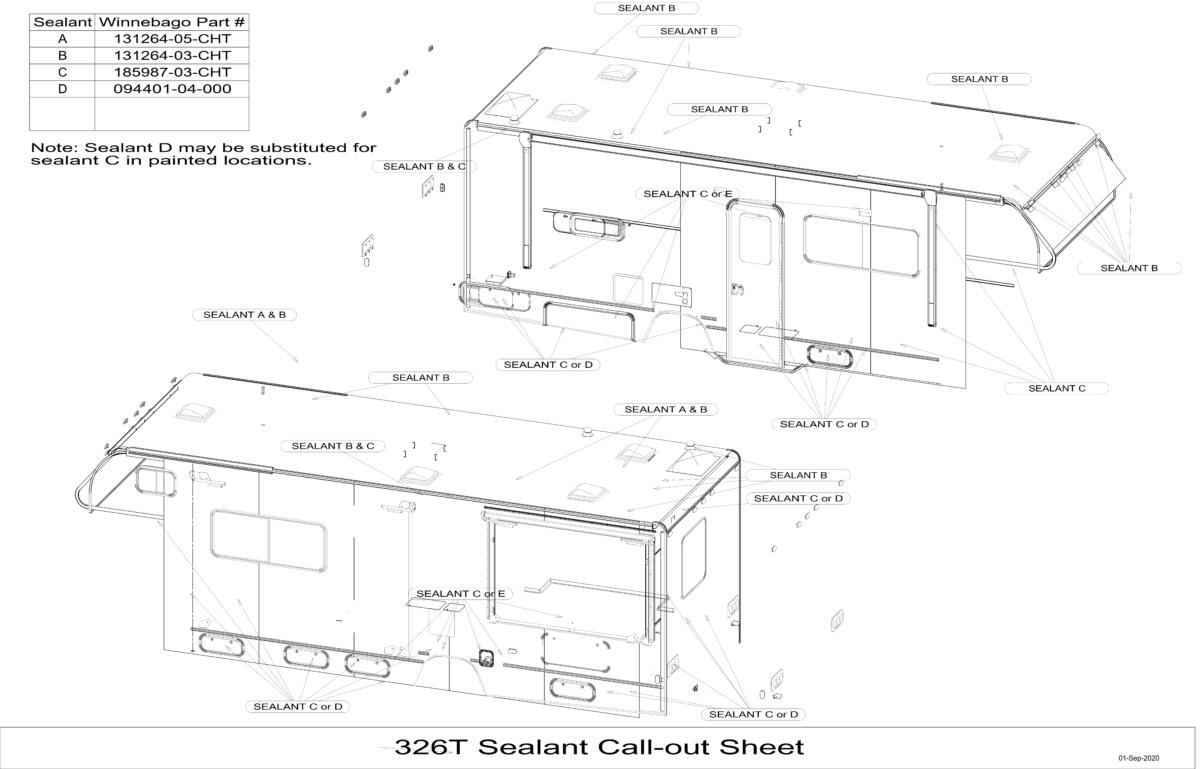
I would suggest starting with the shower skylight and inspect the sealant around the perimeter. Here is the recommended sealant guide for your vehicle.
(click to enlarge)
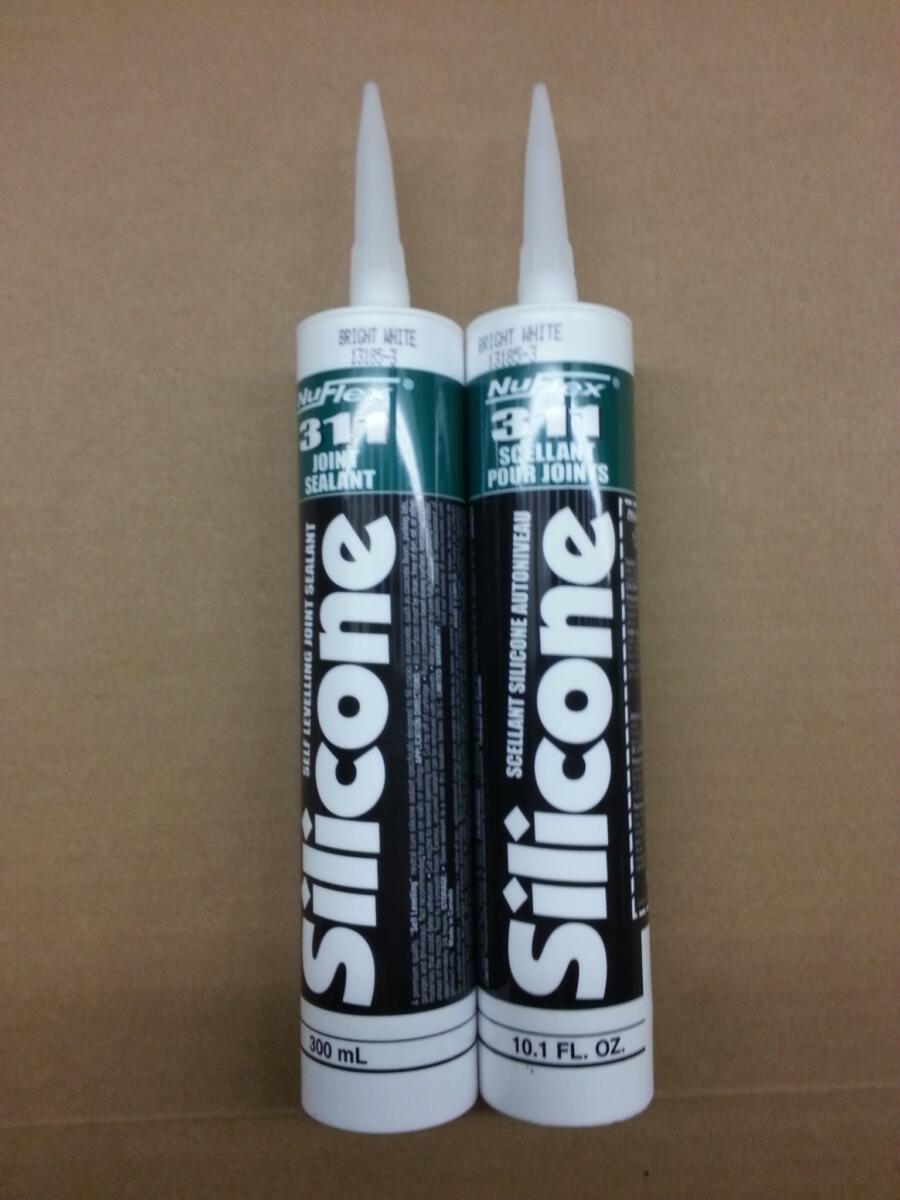
They recommend PN 131264-03-CHT, which is a Nu-Flex brand self-leveling silicone designed for the roof material of your rig.
The CHT is a generic listing, as the silicone comes in white and beige; so you will need to specify the color. You can find this at any Winnebago dealership. Since it is leaking, I would use a heat gun on the low setting and a plastic putty knife and remove the existing sealant and apply new. Also, visually inspect the skylight dome to make sure it is not cracked and allowing moisture to travel inside the dome.
Leak in compartment
As for the driver side compartment, it could be the seams or corners of the bin as they have a tendency to flex. They could allow a driving rain from the rear dual wheels to penetrate into the compartment. You can put a bright light into the compartment in a dark building or at night and look for light to “leak” out of a corner.
Another area that could be letting moisture in that compartment is the slide room directly above it. Check the bulb seal all around the room and the flange. If the room doesn’t seal flush with the sidewall when retracted, it could allow moisture to leak in a driving rain. This is known as slide room “creep” due to a valve not holding pressure, which is fairly common.
“Should I be worried about hidden water damage?”
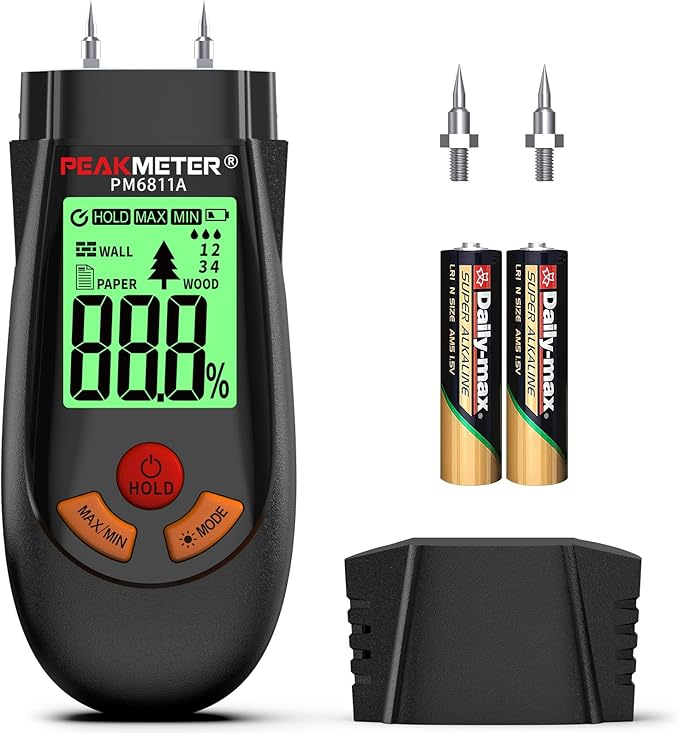
It depends on the severity of the leak you see, and I would be concerned enough to visually inspect the area. Take off the interior ring of the skylight and see what the material looks like. You can also purchase a moisture meter like this one from Amazon and check the interior paneling and flooring of the slide room area.
Moisture meter
I would also check the floor of the slide room and underneath the main floor for moisture, as well.
By Gail Marsh
So, you’ve decided it’s time to part ways with your trusty RV and pass the adventure torch onto someone else. Whether you’re upgrading, downsizing, or just ready for a change, getting your RV ready for sale is a bit like prepping it for one last epic road trip. Here’s your roadmap to make sure it’s in top-notch condition and ready to wow potential buyers.
Step 1: Clean, inside and out
Imagine you’re inviting someone into your home for the first time. You’d tidy up, right? Same goes for your RV. Give it a thorough cleaning, inside and out. Scrub the exterior, polish those wheels, and make sure the windows sparkle. Inside, declutter and deep clean every nook and cranny. A clean RV not only looks better but also demonstrates that it’s been well-maintained.
Step 2: Inspect and repair
Now’s the time to put on your inspector hat. Check everything—from the roof to the tires— for any signs of wear and tear. Look for leaks, cracks, or any mechanical issues. Don’t forget the appliances, plumbing, and electrical systems. If you find any problems, fix them or have them repaired. It might seem like a hassle, but addressing issues upfront can prevent them from scaring off potential buyers later.
Step 3: Spruce up the interior
Make your RV feel like a home-away-from-home for potential buyers. Replace worn-out furnishings, update the decor if needed, and add some touches to make it cozy, like a throw on the sofa, a decorative rug on the floor, or a small lamp beside the recliner.
Consider making small upgrades that can make a big difference, like replacing outdated light fixtures or adding new cabinet hardware. Remember, you want buyers to picture themselves living their best RV life in your rig.
Step 4: Document everything
Buyers love transparency, so gather up all the paperwork related to your RV. This includes maintenance records, manuals for appliances and systems, and any warranties that are still valid. Providing this information shows that you’ve taken good care of your RV and gives buyers peace of mind.
Step 5: Take great photos
A picture is worth a thousand words, especially when it comes to selling your RV online. Take high-quality photos that showcase your RV in the best light (literally). Capture both the interior and exterior from multiple angles, making sure to highlight its best features. Consider hiring a professional photographer if you want to go the extra mile. It will pay off!
Step 6: Price it right
Do your homework and research similar RVs for sale in your area to get an idea of what yours is worth. Be realistic about its condition and any upgrades or amenities it has. Pricing it competitively will attract more interest from potential buyers and help you sell it faster.
Step 7: Advertise wisely
Once your RV is spic-and-span and you’ve gathered all the necessary documents, it’s time to spread the word. List it for sale on reputable websites, social media platforms, and RV-specific forums. Craft a compelling ad that highlights the RV’s best features and includes plenty of photos. Respond promptly to inquiries—the early bird gets the worm, or, in this case, the RV buyer!
Step 8: Be ready for showings
Keep your RV show-ready at all times in case potential buyers want to take a look. That means keeping it clean and tidy, inside and out. Be flexible with your schedule and ready to accommodate last-minute viewing requests. When buyers come to see it, be honest and open about its condition, answering any questions they may have.
Step 9: Seal the deal
Congratulations! You’ve found a buyer who’s ready to hit the road in your former home on wheels. Now it’s time to finalize the sale. Make sure all the paperwork is in order, including the bill of sale, title transfer, and any other necessary documents. Once everything is signed and sealed, hand over the keys and send your RV off to its new adventures with a smile.
Selling your RV might seem like a daunting task, but with a little elbow grease and some strategic planning, you can make the process smooth sailing. So, roll up your sleeves, follow these tips, and get ready to wave goodbye to your beloved RV.
By Cheri Sicard
Looking for a camp lantern that packs serious features into a compact package? In today’s video, the team from All Things Overlanding takes a look at the new BougeRV extendable lantern. Our host says it raises the bar for camp lighting with a fresh design, longer battery life, and thoughtful extras—all while staying affordable.
BougeRV recently released a redesigned extendable lantern, and compared to their previous model, this lantern is:
• Smaller and lighter
• Has a longer-lasting battery
• Comes with a zippered carrying bag
• Has new user-friendly features
RVers will appreciate the simple portability and powerful light output, making it a smart option for anyone who likes to pack light but still wants full site illumination.
The new lantern is significantly smaller than the previous version, closer in size to a water bottle or large flashlight. The original model had a slightly warmer amber light, which some might prefer for its cozy glow. Another key upgrade: The old lantern required its case to be purchased separately, while the latest version includes a nicely designed bag with every purchase.
The carry bag included with the new BougeRV camping lantern has a grab handle and a zipper for easy storage and transport. A small pocket on the back holds:
• Metal stakes for securing the lantern in windy or busy conditions
• A USB-C charging cable
Stakes are useful for making sure the lantern stays put, even if little ones or a strong breeze are part of camp.
Anyone who hates fiddling with batteries in the dark will appreciate how long this lantern runs on a single charge.
Here’s what stands out:
• Charges from empty to full in about five hours
• Up to 60 hours of run time per charge
• Four battery status lights indicate levels at 25%, 50%, 75%, and 100%
Despite the robust battery, this unit weighs just 2.3 pounds, making it easy to carry anywhere.
Key features include:
• Simple extendable design: Pull the top cap up to raise the lights.
• Adjustable lamp panels: Direct light exactly where needed, up or down.
• Tripod legs: Sturdy and foldable, with stake holes for extra security.
• Metal hanging ring: Suspend from a tent, awning, or tree for overhead light.
After dark, the BougeRV lantern transforms the campsite, easily lighting up the whole area for campfire hangouts, late-night food runs, or finding gear in the dark. Users can adjust individual panels to direct light where it’s needed or soften the light for a more relaxed mood. Setting the light away from where people are sitting even helps keep bugs from buzzing around heads—a big plus over headlamps.
Note: The lantern does not retain the previous light color; it defaults to bright white when powered back on. While this is a small drawback, changing settings is quick and easy.
This lantern can stand on its tripod legs, hang from the included metal ring, or collapse down small for easy packing.
In some states, plastic grocery bags are no longer offered. If you buy enough groceries, you pretty much have to bring your own bags.
Some RVers say reusable bags are essential because they don’t want to accumulate waste or deal with a bunch of loose plastic bags cluttering up their limited storage space. Others keep a stash of reusable bags in the RV’s front seat or storage bin so they’re always on hand for a grocery run or a quick stop at the farmers market.
Some even use collapsible bins or laundry baskets to bring their groceries from the store to the rig.
Still, it’s easy to forget them. You walk into the store for “just a few things” and end up with an armful of groceries—and no bag to carry them in. And depending on where you’re camping, not every store offers paper or reusable bags for purchase. Some RVers even resort to repurposing cardboard boxes or stuffing everything into a backpack.
Others don’t mind the change and say it’s a small but meaningful way to reduce waste and do something good for the environment while on the road. But we’re curious: What’s your take on reusable bags while RVing? Do you always bring them or do you not bother at all?
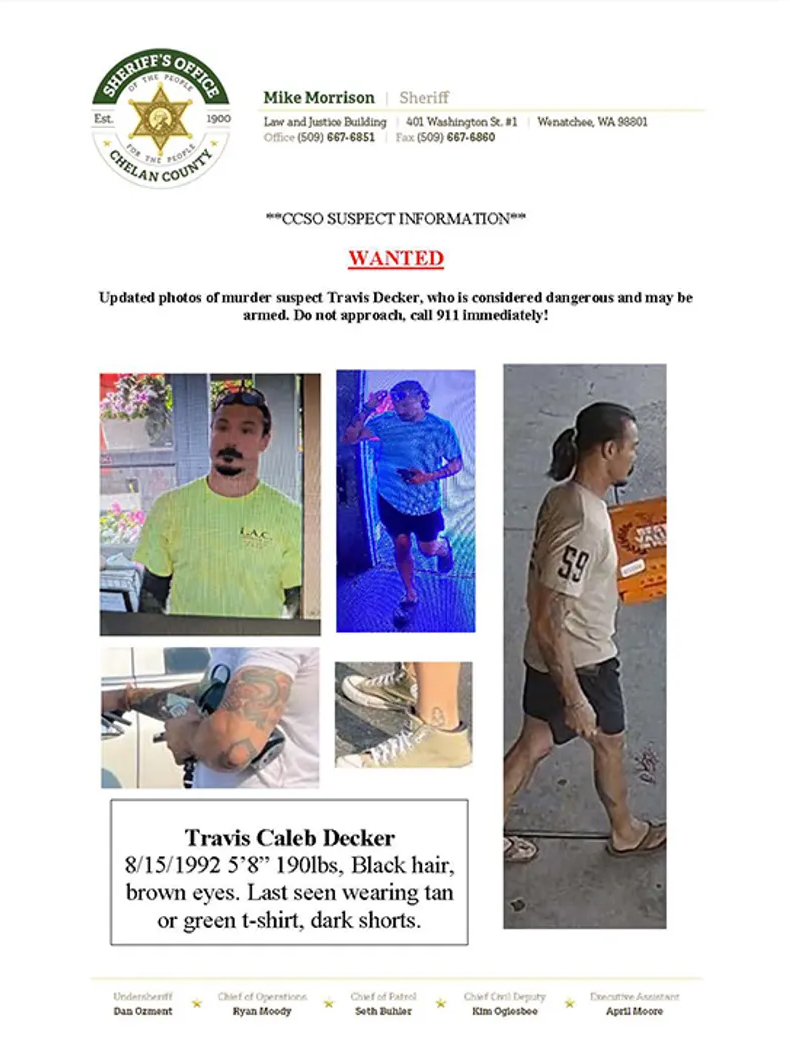
The U.S. Forest Service has reopened campgrounds while a Washington state mother, Whitney Decker, is grieving. Whitney’s three young daughters—Paityn (9), Evelyn (8), and Olivia (5)—were found suffocated at a remote campsite on Monday, June 2. The girls had been with their father, Travis Decker, for a routine custody visit that began on May 30. When they didn’t return that evening as scheduled, Whitney reported them missing.
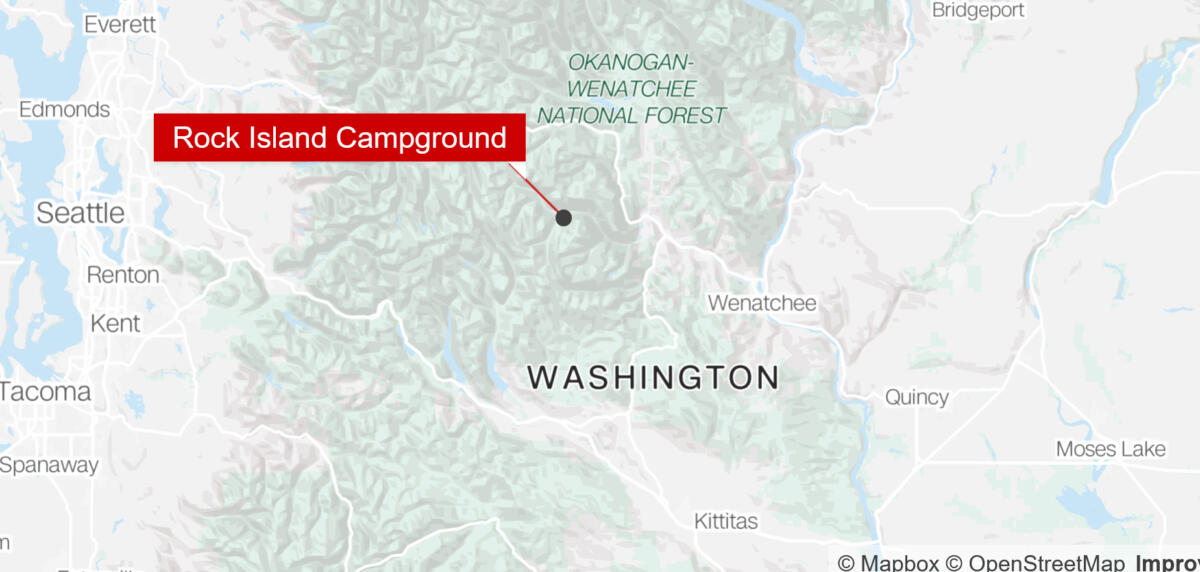
Initially, authorities didn’t issue an Amber Alert due to a lack of evidence that the girls were in danger, as reported by komonews.com. A broader alert went out the next day after the family missed a local event. By Monday, searchers found Decker’s truck abandoned at a campground with blood on it near Leavenworth, Washington. The girls’ bodies were discovered nearby. In light of potential danger, authorities shut down campgrounds and hiking trails in the area on June 5.
Suspect still at large, but Forest Service has reopened campgrounds
Click to enlarge
Decker, now wanted for three counts of murder and kidnapping, reportedly has a history of mental health issues and is still at large. A large-scale manhunt is underway, involving ground and air searches. Governor Bob Ferguson has activated emergency resources, including the Washington National Guard, and urged residents to stay alert and secure their homes.
The forest order closing the Icicle Creek area near Leavenworth has been rescinded in coordination with the Chelan County Sheriff’s Office. The area reopened effective 8:00 a.m. on June 8.
Despite the reopening, authorities warn that Decker still may be in the area. A statement from the Forest Service says, “We encourage visitors to the forest to remain alert. Please do not attempt to approach or make contact with the suspect. If you see, or believe you have seen, him please call 911 immediately.”.
Forest Service has reopened campgrounds, but authorities recommend caution:
• Chatter Creek Campground
• Chatter Creek Trailhead
• Johnny Creek Campground
• Eightmile Campground
• Eightmile Trailhead
• Bridge Creek Campground
• Bridge Creek Trailhead
• Ida Creek Campground
• Icicle Creek Trailhead
• Icicle Gorge Trailhead
• Icicle Ridge Trailhead
• Icicle Group Campground
• Stuart Lake Trailhead
• Snow Lakes Trailhead
• Jack Trout Trailhead
• Blackpine Horse Camp
• Blackpine Trailhead
• Fourth of July Trailhead
In an updated report from komonews.com, it was reported: “Court documents obtained Friday by KOMO News say Decker Google searched ‘how does a person move to Canada,’ ‘how to relocate to Canada,’ and ‘jobs Canada’ in the days before he kidnapped his daughters.”
KOMO News further reported: “The U.S. Marshals Service wrote in the federal court documents that the Decker sisters were found at a campground about 11 miles from the Pacific Crest Trail (PCT). The PCT is a well-established trail that runs along the entire west coast of the U.S. from Mexico to Canada. The trail ends at the northern border. Despite Canada announcing earlier this year that the country would no longer issue permits for hikers to legally cross the border without visiting an official port of entry, there is no barrier or fence between the two countries at the PCT terminus.”
Retail RV registrations—the measure of new units sold—are still on the decline, according to the latest numbers from Statistical Surveys Inc., a company that tracks RV sales data. The downward trend started back in 2023 and has continued steadily into this year. RV sales are out of balance.
In April 2025, 33,661 RVs were registered for retail sale. That’s 9.3% fewer than the 36,803 registered in April 2024. For comparison, the RV Industry Association (RVIA) reported 35,375 RVs shipped from manufacturers in the same month—slightly more than the number actually sold at retail.
RV sales are out of balance—26% fewer sold than built
Looking at the year so far, 105,588 RVs have been registered in 2025, which is 7.6% lower than the 113,603 registered during the same period in 2024. On the wholesale side, 133,223 units have been shipped to dealers in the first four months of 2025—about 26% more than the number of retail sales.
That gap between shipments and actual registrations highlights the growing inventory sitting on dealer lots.
Here’s the breakdown of what didn’t sell—and what few did
A quick look at sales figures shows that the only “winners” for RV dealers in this report are park models. ALL OTHER types of recreational vehicles are on the decline. Yet manufacturers are still shipping units, causing RV sales to be out of balance.
• Travel Trailer – 21,011 retail registrations for April 2025 (22,409 units in April 2024; a 6.2% decrease). Market share leaders: Forest River Inc. (41.7%), THOR Industries (39.0%), Grand Design RV Co. (7.1%).
• Fifth-Wheel – 4,912 (5,206; -7.4%). Market share leaders: THOR (38%), Forest River (27.8%), Grand Design (15.1%).
• Camping Trailer – 342 (478; -28.5%). Market share leaders: Forest River (60.5%), Aliner (23.7%), Purple Line LLC (6.4%).
• Park Model – 270 (412; 34.5%). Market share leaders: Cavco Manufacturing Inc. 24.8%), Champion Homes (19.3%), Kropf Mfg. Co. Inc. (11.1%).
• Class A – 562 (719; -21.8%). Market share leaders: THOR (44.8%), Forest River (20.6%), Newmar Corp. (16.2%).
• Class C – 1,734 (1,847; -6.1%). Market share leaders: THOR (52.5%), Forest River (20.4%), Winnebago Motorized (14.2%).
• Class B – 751 (917; -18.1%). Market share leaders: THOR (40.3%), Winnebago Motorized (21.8%), Forest River (10.8%).
“Whether you think you can or you think you can’t, you’re right.” —Henry Ford
Need an excuse to celebrate? Today is National Strawberry Rhubarb Pie Day!
On this day in history: 1732 – James Oglethorpe is granted a royal charter for the colony of the future U.S. state of Georgia.
Tip of the day What you’ve been told about your RV’s anode rod is wrong
By Andrew Herrick Here’s a nugget of conventional, albeit incorrect, wisdom about RV water heaters: “Steel tanks require an anode rod to protect against rust, but because aluminum doesn’t rust, aluminum tanks don’t require an anode rod.”
Unfortunately, that’s not quite accurate. Actually, both types of tanks require cathodic protection. But Dometic has cleverly integrated the protection into the tank lining itself. Suburban has chosen to rely on a separate, replaceable anode rod.
Not sure what an anode rod is? Well, you see, city water carries minerals and heavy metals that eat away common metals. Unchecked, these elements will corrode the walls of the metal water tank, which is pressurized under operation up to 80 psi. Abandoned, after enough time the water heater’s tank will corrode, pit, crack, and fail. Continue reading.
Ask Dave How can I make RV’s central A/C work better when it’s 115 out?
Dear Dave,
My RV has a “central air”-type system with only one 15000 BTU Coleman Mach unit doing the cooling for the entire RV. It appears that the unit is nowhere near big enough to cool the RV. Where I live is in way south Texas, where the temp is already pushing 100 degrees with a heat index of 115 plus…. Read the rest of Chris’ question and Dave’s answer.
Never lose your glasses or sunglasses again—always keep them nearby
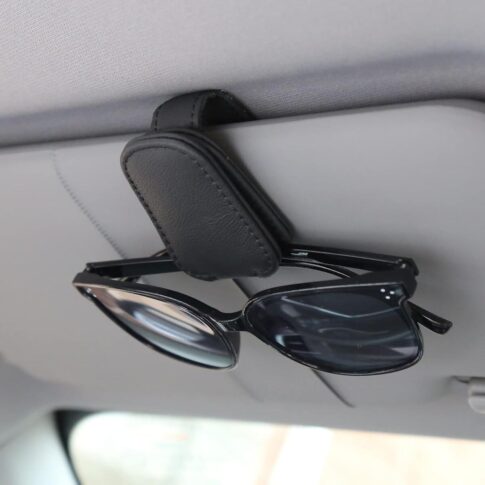
This glasses holder clips to your car or RV’s visor so they’re always easily accessible to you. The glasses clip is closed with a magnet, holding it strong enough so that it won’t ever fall out, but is still easy enough to open with one hand. If you find yourself losing your glasses often, or have a hard time keeping them organized, this is for you. We love this! Learn more or order.
In the RV shop with Dustin Where to find your RV’s awning model and serial numbers
An RV owner in one of my Facebook groups asked, “Where can I find the awning model number and serial number?” You can find your awning model number by opening the awning. Then…
RANDOM RV THOUGHT: Make sure you exercise your RV generator at least once a month. Let it run for 30 minutes with many power accessories turned on. Have you exercised your generator lately? If not, after you read this, do it!
Article and video RV tech shares the pros and cons of truck campers
By Cheri Sicard
Truck campers spark a lot of opinions in the RV world. Some wonder why anyone would pick this style of RV over a travel trailer or a big motorhome. Others swear by their versatility. Knowing the real pros and cons helps anyone thinking of a truck camper make the best decision for their travels. In today’s video, certified RV tech Jacob Rigor shares those pros and cons.
Featured article Around the Campfire: The worst advice RVers have ever received
By Gail Marsh
Our campfire group is getting smaller each night. That’s because several “snowbirds” are on their way back north after enjoying Florida sunshine for the last couple of months. Even though our campfire group has dwindled, we still enjoyed our conversation about the worst RV advice folks have ever received. Click to read.
Reader poll What time do you usually eat dinner (aka supper)?
Got strange tire wear issues? When was the last time you had your RV wheels aligned? Motorhomes are obvious candidates, but even towable RV wheels can need alignment. Not every corner tire shop can do it, so be prepared to make a few phone calls to find a shop that can. Read more on this topic from tire expert Roger Marble here.
Website of the day
The 8 Best National Parks in Canada
We talk a lot about American national parks, but of course we can’t forget about our Canadian friends. News flash: Canada is GORGEOUS!
? MYSTERY PRODUCT OF THE DAY ? This made us laugh out loud! As soon as you see it you’ll know EVERY RVer needs this on their RV (yes, on it!).
Trivia
Modern nail polish debuted in the mid-1920s. By 1931, 85 percent of American college women were wearing it.
Readers’ pet of the day
“Sampson, or Sammy (Dachshund, 16 years), went to Dog Heaven about 1 1/2 years ago. He camped with my wife and me for his last 10 years and loved every minute of it. The picture is of him with our granddaughter by the pool.” —James French
Send us a photo of your pet with a short description. No blurry photos and please do not submit your photo more than once. Thanks!
Leave here with a laugh
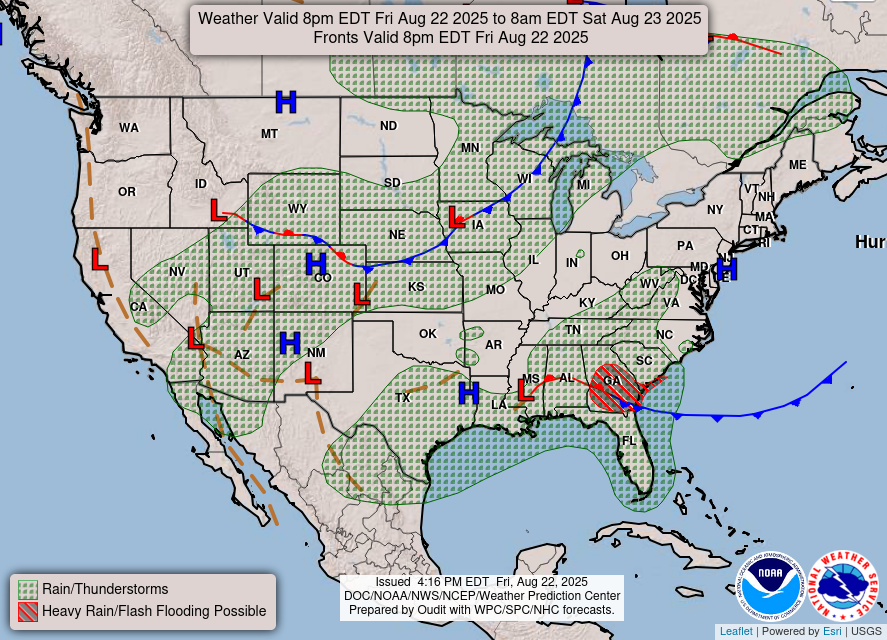
Today’s weather forecast across the nation THIS MAP UPDATES TWICE A DAY
If you shop at Amazon.com we’d appreciate you using this link. We get an itty bitty commission if you buy something, but they add up and help us pay our bills (most importantly our hard-working writers!).
By Dave Solberg Dear Dave,
My RV has a “central air”-type system with only one 15000 BTU Coleman Mach unit doing the cooling for the entire RV. It appears that the unit is nowhere near big enough to cool the RV. Where I live is in way south Texas, where the temp is already pushing 100 degrees with a heat index of 115 plus. In the afternoon the temp in the RV gets well above 80 degrees. Very little air is coming out of the ducts. I had the unit cleaned this spring. Is there a way to increase air flowing out? Would changing it from a central unit to a single air outlet help? Can I increase the airflow by adding a larger fan? —Chris, 1996 38-foot Travel Supreme
Dear Chris, This is a common issue with older roof air conditioners and a topic that we have discussed earlier. However, there are a couple of additional things you can check and do to make your roof air conditioner run more efficiently.
How an air conditioner works
As always, we first need to realize what the air conditioner is designed to do and what it cannot do. When the thermostat calls for cooler air, the fan motor starts and the compressors compress the coolant. The interior air is drawn up through the air return in the ceiling of your rig, pulled through the evaporator coils which have the hot compressed coolant running through copper tubes which pulls out moisture and heat, then the “conditioned” air is blown back down the main interior vent, or in your case, through the ductwork.
Air conditioner diagram
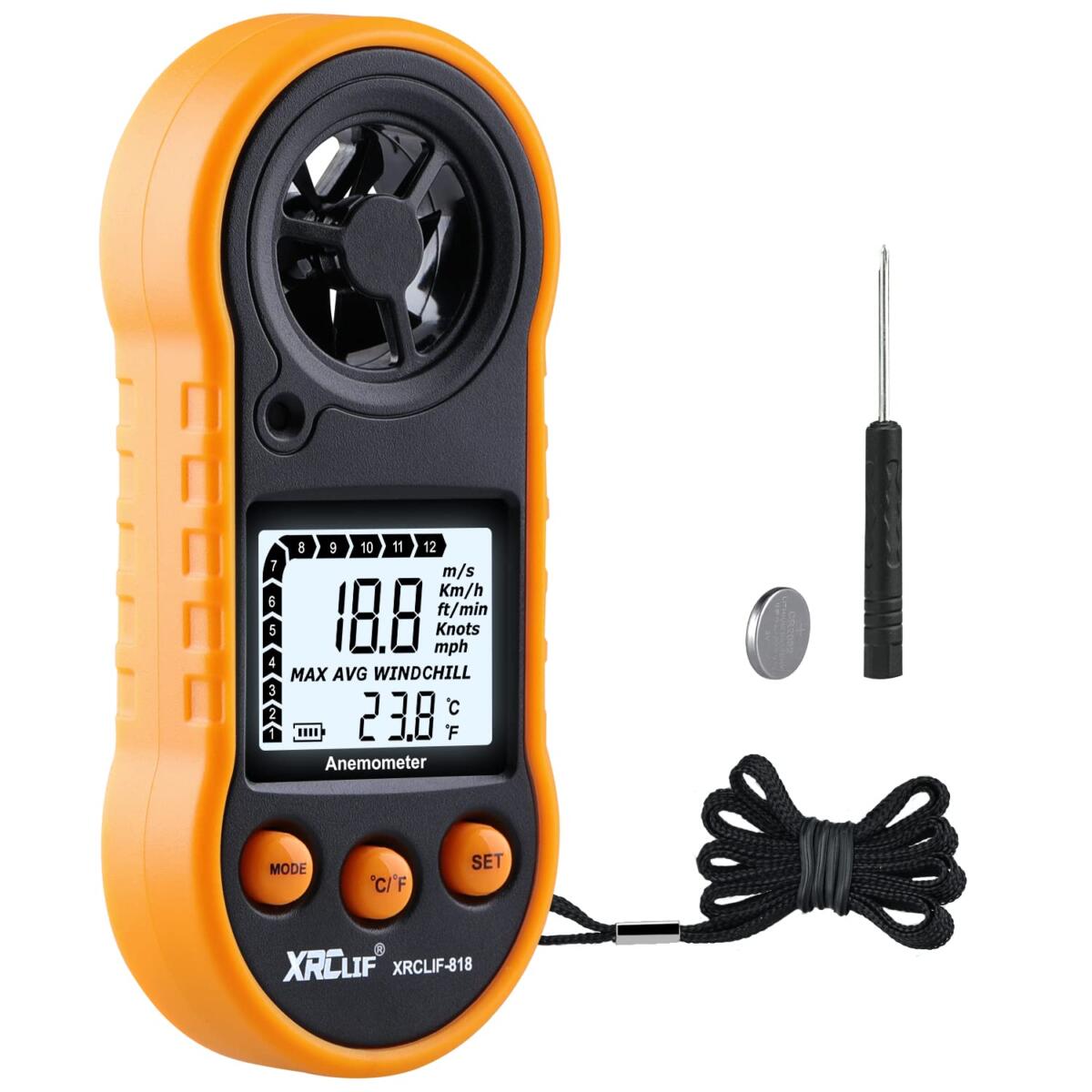
Each “cycle” of air takes about 30 minutes and can only condition the air down about 16-20 degrees. So you need to determine what the ambient temperature is going into the return air. This can be done with an anemometer, that you can get on Amazon here.
Anemometer
This will help identify what temperature is going into the return air and what temperature is going out. This will tell you if the air conditioner is actually working as designed and cooling at least 16 degrees. If not, we need to look at other issues.
Measure the air flow
The next step is to measure the air flow coming out of the closest vent, which should be somewhere around 300-350 CFM. If it is lower than that, you may have low voltage at the air conditioner. You would need to measure that with a multimeter. It could also mean the return air filter is dirty and restricting air flow coming in, which can usually be cleaned or replaced. Another issue could be the evaporator coil could be bent or clogged, again restricting airflow. Or it may be a weak motor or broken squirrel cage.
One of the biggest issues I have found with older units is the poor design of the conditioned air cavity, where the air comes out of the evaporator coil and directed either down or back to the ductwork. Typically this is a square, boxed area with “pockets” that trap air and just basically recirculate it inside the air conditioner. Also, if you have a diverter and it is not installed properly, it will actually allow the conditioned air to go back to the return air side. Then it just keeps recirculating and not actually drawing any warm, moist air in from the inside and little conditioned air to the ductwork.
Take off the return air cover and look at the cavity. If you see gaps, exposed metal, and a thin piece of duct tape on the diverter, you can do some customizing to improve the airflow.
Return air ductwork
This is the return air of a 2016 Thor we worked on. Notice all the exposed metal, some even starting to rust from condensation. The diverter has gaps on the sides, which means conditioned air can escape back to the return air, and the entrance to the ductwork has several sharp edges and side metal. This was all improved with some HVAC foil tape and a little curved foam on the sharp edges.
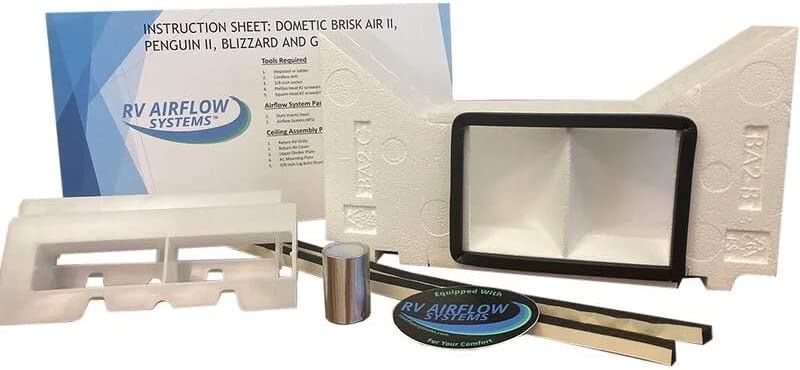
RV Airflow System
Another product that has been very effective is RV Airflow System™, which is a customized insert that improves airflow and reduces air pockets. You can find the one for a Coleman Mach here, or for other brands of air conditioners here.
RV Airflow System
More tips to help keep RV cooler
There are a few other things you can do to help keep the unit cooler.
Get the air inside your rig circulating with roof vents and portable fans. Hot air rises and the return air will take in the hottest air if you don’t circulate it.
Limit the amount of moisture you put in the air with cooking, washing, and wet clothes.
Insulate windows with heavy curtains or Reflectix.
Add a roof coating that will help insulate the roof. Some claim to reduce temperatures by more than 10%.
You might also enjoy this from Dave
It’s 89 out and my RV’s air conditioner only “cools” it to 86. Help!
Dear Dave,
My air conditioner is working and blowing cold air but can’t keep up with outside temperatures. Both compressors seem to be working. I just had the Freon checked and that’s good. We are camping now, and the outside temperature got to 89 and the thermostat in the camper said 86. The unit didn’t turn off all day until about 10:00 at night, when the outside temperature dropped. I’ve also changed filters and cleaned the condenser. Any suggestions? —Tim, 2006 Winnebago Adventurer 37
Have you ever met up with friends for dinner and their dinner time is way, way different from yours? If you usually eat dinner at 5:30, their 8 p.m. reservation might seem extremely late—and vice versa! (Some of you may call this meal “supper.” We’re referring to the last big meal of the day.)
Have you ever noticed how regional habits—or even your travel schedule—can shift your dinner time without you realizing it? RVers who crisscross time zones often find themselves eating “early” or “late” without meaning to, especially when their stomach says one thing and the clock says another.
And then there’s campground life, where your schedule might revolve more around sunset than the hour on your watch. Maybe you eat right after a sunset walk or wait until after your campfire’s crackling.
On a typical day, what time do you usually eat dinner? Before 5? Around 6? 7? Does it just depend on the day?
As always, thanks for voting. Please feel free to leave a comment, too.
We use cookies to ensure that we give you the best experience on our website. By continuing to use our site, you consent to accepting cookies. We NEVER have or will sell reader's data. For more info, please see our privacy policy page.