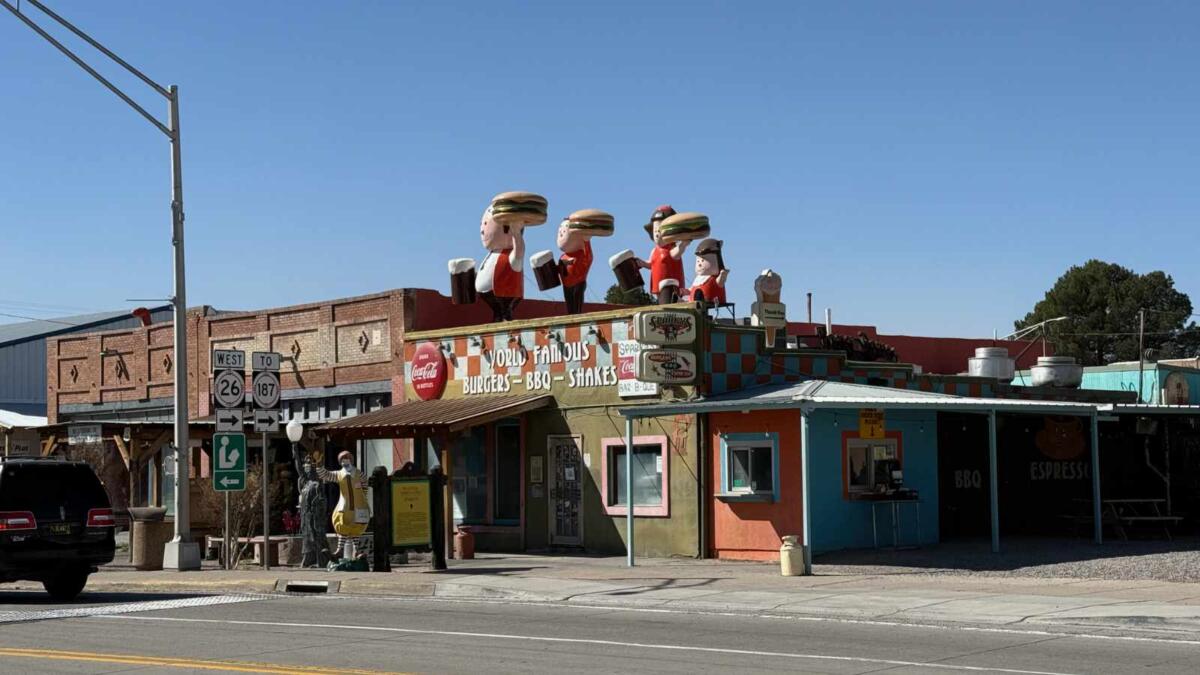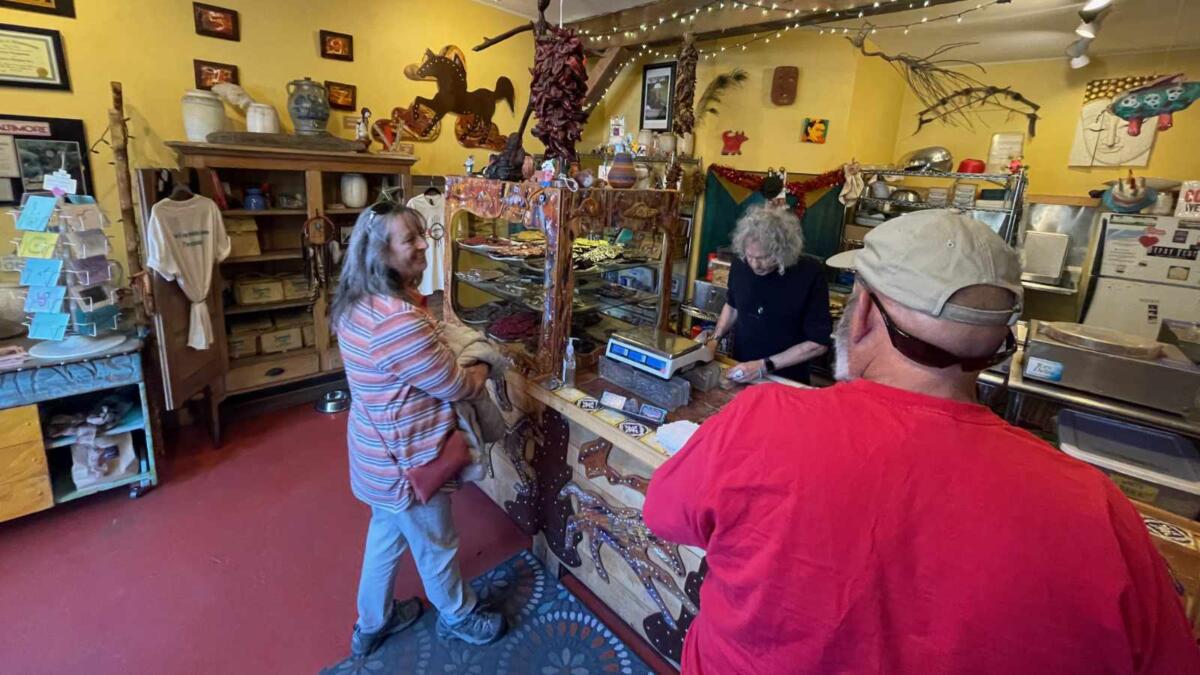
For decades, gateway towns near America’s national parks thrived. Travelers came to see the parks, and the towns provided everything else. Fuel. Groceries. Campgrounds. Restaurants. Laundry. RV repair shops. Ice cream. Souvenirs. Showers. Propane. You name it, they probably had it.
But this summer, many of those small towns are feeling squeezed, and RVers, if you haven’t already, you may start noticing the effects.
From Yellowstone to Zion to Glacier to the Smokies, gateway communities are dealing with a difficult mix of rising tourism pressure, staffing shortages, higher costs, housing problems, and aging infrastructure. In some places, local officials say they’re struggling just to keep up with the number of visitors arriving every day.
And for RVers, that can mean longer waits, fewer services, crowded roads, and significantly higher prices.
The towns were never built for this many visitors
Many gateway towns were originally small communities built around seasonal tourism. But national park visitation exploded over the past decade, especially after the pandemic-era outdoor travel boom.
Some towns now face traffic levels, campground demand, and infrastructure strain that far exceed what local roads, utilities, and businesses were designed to handle.
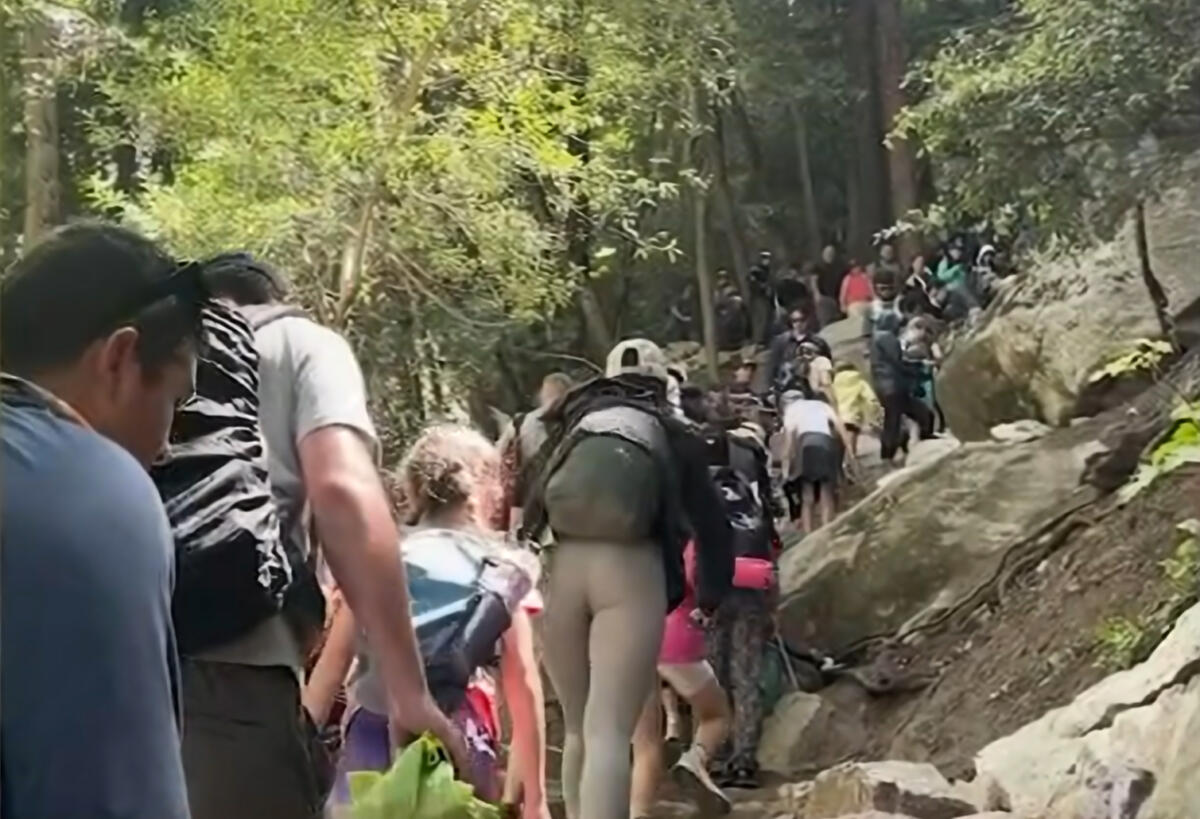
In popular areas near parks like Yellowstone, Glacier, Zion, Acadia, and Rocky Mountain, RVers are increasingly encountering packed grocery stores, overflowing parking lots, long restaurant waits, and fuel stations stretched to capacity during peak travel days.
In some communities, even basic services like trash collection and water systems are under stress during the busiest parts of the season.
Workers can’t afford to live there
One of the biggest problems facing gateway towns is housing.
As tourism increased, short-term rentals and rising property values pushed housing prices higher in many park communities. Workers who run restaurants, campgrounds, repair shops, and stores are finding it difficult—or impossible—to afford living nearby.
This is happening near Joshua Tree National Park, and it’s a big issue for residents.
That has created staffing shortages throughout many tourist towns.
Some businesses are shortening hours simply because they can’t hire enough people. Others are operating with smaller staffs during what should be the busiest travel season of the year.
For RVers, that can translate into slower service, reduced campground staffing, fewer open restaurants, and difficulty getting repairs completed quickly.
RVers are noticing the price increases
Many RV travelers say gateway towns feel dramatically more expensive than they did just a few years ago.
Campground rates have climbed sharply in some regions. Restaurant prices are higher. Fuel near major parks often costs significantly more than in surrounding areas. Even basics like ice, firewood, and groceries can carry premium prices during peak season.
Some RVers are responding by staying farther away from national parks and driving in for day visits instead of camping near the entrances.
Others are shifting travel toward lesser-known parks and public lands that receive fewer visitors.
Some locals say tourism is becoming overwhelming
Tourism keeps many gateway towns alive economically. But in some communities, tensions are growing between residents and the sheer volume of visitors arriving every summer.
Locals in several high-profile park towns have raised concerns about traffic congestion, overcrowding, noise, environmental strain, and the loss of community character.
That doesn’t mean RVers aren’t welcome. But it does mean some towns are actively debating how much tourism growth they can realistically handle in the future.
What you can do
Experienced RVers already know a few strategies that help reduce stress in busy gateway communities:
• Arrive midweek instead of weekends.
• Fuel up before reaching park towns.
• Visit during shoulder seasons when possible.
• Support locally owned businesses.
• Be patient with workers during peak travel periods.
• Camp/stay outside the busiest corridors and drive into the parks early in the morning or in the evening.
Many gateway towns still depend heavily on RV travelers and tourism dollars. But this summer, the pressure on those communities is becoming harder to ignore.
And for RVers planning national park trips, understanding what these towns are facing may help explain why travel near America’s most popular parks feels different than it used to.
If you’re seeing workers who are clearly overworked and stressed, be patient. They’re doing their best.
RELATED
- Long lines, full parking lots and traffic jams: Yosemite’s no-reservation summer gets its first test
- National parks drop timed-entry reservations in 2026; RVers may pay the price
- National Park Week 2026 gets new dates, expands to two weekends
RVT1263