Home Blog Page 27

Clever dual-purpose Toyota Sienna camper van build

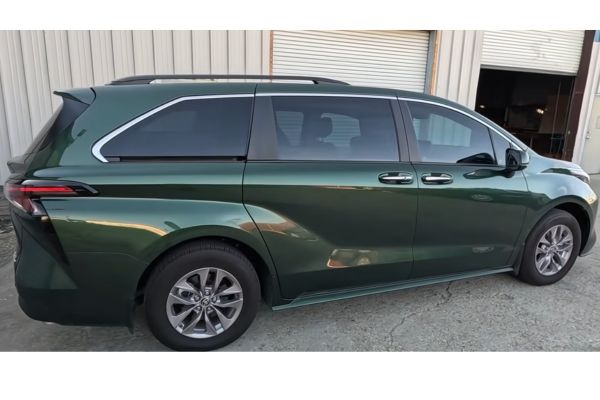
A minivan camper usually asks for a compromise, but this 2025 Toyota Sienna build doesn’t. It keeps the second row, sleeps one person, and still looks like a normal family van from the outside. That dual-purpose layout is the whole story here. Horizon Camper Builds turned a hybrid XLE into a removable stealth camper that can still work as a four-passenger daily driver. We get a full tour in the video at the end of this post.

A hybrid Sienna makes a strong stealth camper base

This build starts with a 2025 Toyota Sienna Hybrid XLE. The client wanted a one-person stealth camper, but she also wanted to keep the second-row seats. So the van stays useful in passenger mode, while the third row is removed for the camper setup.

The Sienna is a strong choice for this kind of project because the hybrid system helps in two ways. First, it gets around 40 mpg. Second, it can run the air conditioning overnight from the hybrid battery. If the battery gets low, the engine turns on to recharge it. According to the walkthrough, running the A/C all night uses about half a gallon of gas.

That matters in hot weather, and it also matters for stealth camping. On the outside, nothing gives the build away.

Passenger mode stays comfortable and usable

In van mode, the second-row seats still slide and recline with full adjustment. The build folds behind them, so rear passengers don’t lose their comfort. Because this is an XLE trim, both sides also get power sliding doors.

When the seats move forward, a walkway opens behind the driver’s side. That becomes the entry point into the rear sleeping and lounge area. The build is removable, so the third-row seat can go back in and return the van to a seven-passenger setup. The main win here is flexibility. This van can switch between family duty and solo camping without a permanent interior overhaul.

The bed folds out fast and leaves useful storage below

The sleeping setup uses a flip-over extension with a collapsible bracket. Once opened, it creates a single bed. The 4-inch folding foam mattress measures 75 inches long by 25 inches wide and has washable covers.

The mattress works in two positions. In lounge mode, it sits higher, so the fridge is still easy to reach. In sleep mode, it slides under the counter to form the bed platform. The head goes toward the front of the van, with feet toward the rear.

Under the bed, the space is left open instead of boxed in. That gives room for larger gear or storage totes. There is also space near the front extension and between the second-row seats for extra items.

Power, fridge, sink, and microwave fit into a compact rear kitchen
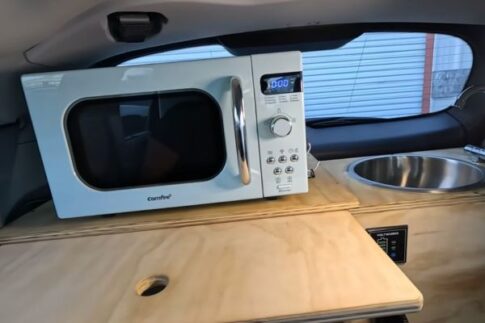
Toyota sienna camper build interiorInside the van, the bed can also work as a bench. A carpeted wooden floor anchors the build at four points, so it stays snug and quiet on the road. In front of the bench sits a Bluetti Elite 200 power station in a custom holder with small shelves around it and an open top for easy lifting.

The van did not come with the factory AC outlet and inverter option, so the build adds a 1500W pure sine inverter under the bed. When the Sienna is turned on, that inverter can charge the Bluetti from the van’s battery. The power station runs the microwave and the 12V 30-quart BougeRV fridge.

The sink uses a collapsible faucet, a 13-inch stainless steel bowl, and a 12V pump. A side switch activates water flow. Two 5-gallon containers handle fresh and gray water. The sink topper doubles as a small table, and a slide-out extension under the microwave adds more prep space.

The rear liftgate turns the setup into an outdoor kitchen

The powered liftgate opens up the whole back of the van. Under it, there is shade from sun and cover from rain. The sink works from outside, the water jugs are easy to access, and the sink cabinet door can act as extra surface space for a stove.

The fridge is reachable from the rear, and the counter extension can slide out toward the back. If the microwave is removed, the rear counter opens up even more. The fridge cover and bed extension can also work as added work surfaces.

There is also retained access to the rear battery area and A/C vents. The wood was left unstained at the client’s request, but it was sanded smooth, and all edges were routed to remove sharp corners.

This Sienna build works because it stays simple. It keeps the second-row seats, adds a removable one-person camper, and makes smart use of the rear space without changing the van’s low-key look.

Are you interested in Toyota Sienna campers? There is a Facebook group for that!

RELATED

RVDT2904

How many TV/movie streaming services are you currently subscribed to?

13

It seems like they’re never-ending these days. We’re talking about TV and movie streaming services like Netflix, Hulu, Max, Paramount+, Disney+, Peacock… geez, the list seems endless. See what we mean?

How many of these TV and movie streaming services are you subscribed to? Just one? A few? Five? 10? If you share them with your family, that counts too.

Some folks stick to just one or two favorites, while others collect streaming subscriptions like baseball cards—one for classic sitcoms, another for new releases, and maybe one just for those obscure British crime dramas you only watch on rainy days. Then there are the free options that still manage to suck us in with old reruns and surprising gems.

It’s easy to forget just how much we rely on Wi-Fi these days to stay entertained. Whether you’re binge-watching a series or just tuning in for a quick movie before bed, a solid internet connection can make or break the experience. For RVers, this adds an extra layer of planning. Do you download shows before hitting the road? Or do you rely on campground Wi-Fi, cellular data, or satellite internet?

And what about the cost? Subscription prices tend to sneak up on people. One here, one there, and suddenly you’re paying more per month than you would for cable TV. Some RVers we’ve heard from say they cycle through subscriptions—canceling one and picking up another depending on what they want to watch that month. Do you do the same?

Oh, and one last question: Do you find yourself streaming more TV/movies at home or while you’re out in your RV? Or is it about the same? Less? Feel free to leave a comment. Thanks!

MORE RECENT POLLS:

RVDT2904

Yosemite opens campgrounds and Tioga Pass for summer

Yosemite National Park is preparing to welcome visitors for the peak summer season with expanded access across the park, including the reopening of popular trails, climbing areas and full campground availability.

All Yosemite front-country campgrounds will be open this summer and available for reservation via Recreation.gov. Most High Sierra Camps are returning to operation, offering visitors additional opportunities to experience the park’s backcountry.

Also reopening is a section of the Valley Loop Trail near Royal Arches and several popular climbing routes that were previously closed for safety monitoring. The Ice Cut section of the John Muir Trail is expected to reopen in July following visitor safety and trail improvements.

Tioga Road is scheduled to open to vehicle traffic Friday, May 15, the earliest opening in 16 years. The seasonal trans-Sierra route across the park gives visitors access to Tuolumne Meadows and the high country.

Glacier Point Road opened to vehicle access May 9, providing sweeping views of Yosemite Valley and easy access to high elevation trailheads. These roads provide visitors with convenient entry points to Yosemite’s High Sierra, with opportunities ranging from short day hikes to more remote wilderness experiences with a permit.

Hiking to the top of Half Dome, 5,000 feet above Yosemite Valley, is scheduled to open May15 via a daily lottery. The lottery application period is two days in advance of the desired hiking date.

“Yosemite continues to expand access while protecting the park’s extraordinary resources,” said Superintendent Ray McPadden. “We’re excited to welcome visitors to more areas of the park this summer and encourage everyone to plan ahead for a safe and enjoyable experience.”

Visitors should expect traffic if visiting on weekends, especially on Saturday mornings. To help reduce congestion, park officials strongly encourage visitors to:

Digital park passes purchased in advance can significantly reduce time spent at entrance stations and help improve traffic flow into the park.

All visitors are encouraged to check current conditions, plan ahead, and prepare for changing weather and busy conditions. Parking in Yosemite Valley fills early during peak summer days, and services may be limited in some areas.

For more information, trip planning resources, and to purchase entrance passes, visit nps.gov/yose or recreation.gov/pass.

RELATED

RVT1261b

Tornado rescue story highlights hidden risks for RV pets

A tornado kitten rescue in Mississippi is drawing attention to what can happen to pets after RV park disasters. Rescuers searching through the wreckage of a tornado-damaged trailer park recently heard something unexpected coming from the debris: faint meows.

Beneath broken boards and twisted storm rubble, they found a tiny orange-and-white kitten alive.

The rescue happened after powerful tornadoes swept through parts of Mississippi, destroying homes and heavily damaging a trailer park where multiple residents were injured. Video from the scene showed storm chasers and volunteers carefully digging through debris after hearing the kitten crying beneath the wreckage.

The tiny survivor quickly became an emotional bright spot amid the devastation

According to national reports, storm chaser and rescuer Ashton Lemley was among those involved in the rescue effort. After the kitten was pulled from the debris, volunteers cleaned it up, fed it, and made sure it received care. News coverage later reported that the kitten, which was nicknamed “Tornado”—and another rescued cat nicknamed “Twister”—appeared headed toward new homes after their story spread online.

For many RVers, though, the story may hit a little differently.

Thousands of RV owners travel with pets full-time or seasonally. And when storms strike RV parks, trailer parks, campgrounds, or mobile-home communities, pets often become some of the most vulnerable victims.

Why pets often become separated during disasters

In many emergencies, owners evacuate with only seconds to spare. Frightened cats bolt under furniture or into brush. Dogs panic at sirens, wind, or flying debris. Some pets break loose during hurried evacuations. Others hide inside damaged RVs or structures after storms pass.

Animal rescue groups say reunification becomes especially difficult when owners are displaced, cell service is disrupted, or pets were never microchipped.

That reality is one reason emergency planners often encourage RV owners to think beyond food, flashlights, and weather radios when preparing for severe weather season.

How RVers can better prepare pets for severe weather

A sturdy pet carrier positioned near the RV door can save valuable seconds during an evacuation. Many RVers also keep a leash clipped near the entrance and store copies of vaccination records in waterproof bags or phone apps. Microchips remain one of the most effective ways to reconnect displaced animals with owners after disasters.

Weather experts also warn that RV parks can become especially dangerous during tornado outbreaks because many structures offer little protection from high winds or flying debris. In unfamiliar travel areas, RVers may not always know where the nearest storm shelter is located until an emergency is already underway.

That combination of fast-moving storms, unfamiliar surroundings, and frightened animals can create chaos quickly.

The Mississippi kitten apparently survived because rescuers heard its cries while searching through the wreckage. Not every displaced pet is found so quickly.

What rescue groups often see after storms

Animal shelters and rescue groups frequently report spikes in lost or abandoned pets after hurricanes, tornadoes, floods, and wildfires. In some cases, owners never return because they themselves were injured or displaced, or were unable to locate their animals after the storm.

Stories involving pets after RV park disasters often reveal how quickly animals can become separated from their owners during evacuations.

Many rescuers say frightened cats can remain hidden for days after severe weather events, especially around damaged RVs, mobile homes, and debris piles. Dogs may travel surprisingly long distances after becoming separated during evacuations.

For RVers traveling with pets, the story may serve as more than just a feel-good viral rescue.

It is also a reminder that emergency planning on the road should include every member of the family—even the four-legged ones.

RELATED

RVT1261b

State park campground expands, becomes largest in America

For years, RVers have complained that many state park campgrounds were built for another era — with tight sites, limited hookups, and roads that feel too small for today’s larger fifth wheels and motorhomes.

Now, one Alabama state park is moving sharply in the opposite direction.

The popular Gulf Coast destination has added 103 new full-hookup RV sites, bringing its total to 607. The expansion officially opened Monday during a ribbon-cutting ceremony attended by state and local officials.

The project may offer a glimpse at where some public campground systems are headed as demand grows for larger sites and more resort-style amenities.

The new section adds more than 100 premium full-hookup sites built on part of the park’s former golf course property. And unlike the rustic “woods and picnic table” experience many RVers still associate with state parks, the expansion looks far more like a modern private RV resort.

State parks are starting to look more like RV resorts

An aerial view of the new Gulf State Park RV Resort shows the scale of the expansion, including resort-style amenities, large RV sites, upgraded roads, and a central clubhouse area. Alabama officials say the park now totals roughly 607 RV sites overall. Photo: abc3340.com

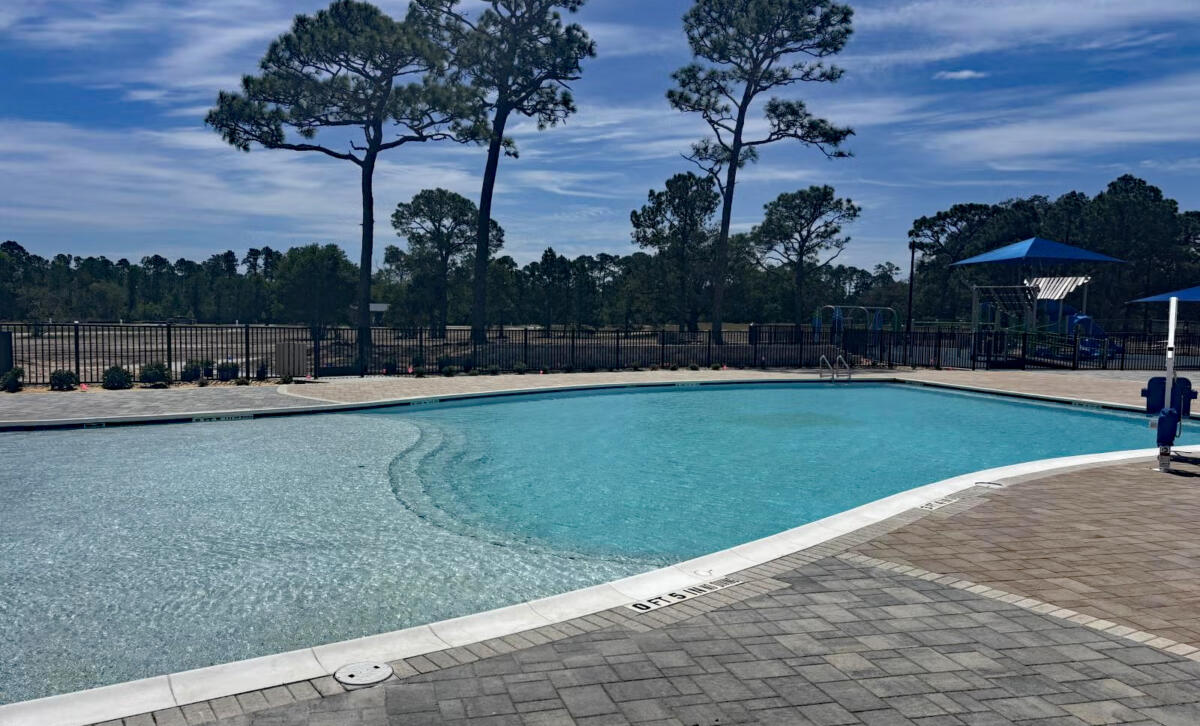
The new Gulf State Park RV Resort includes paved sites, large concrete pads, 50-amp hookups, bathhouses with private shower suites, laundry facilities, a clubhouse, pool, splash pad, pickleball courts, playground areas, and roads designed for larger RVs.

The new RV resort section at Gulf State Park includes resort-style amenities such as a pool, splash pad, and upgraded recreation areas—features more commonly associated with private RV resorts than traditional state park campgrounds. Photo: Gulf State Park

That amenity list would not look out of place in a high-end commercial campground.

Across the country, state park systems have struggled with surging camping demand since the pandemic-era RV boom. At the same time, RVs themselves have gotten larger, heavier, and more residential in design. Older campground layouts often struggle to handle modern rigs comfortably.

Many RVers have complained for years that desirable public campgrounds can feel outdated compared to newer private RV resorts.

This Alabama project appears to embrace the opposite philosophy: If RVers want resort-style camping, give it to them—even inside a state park.

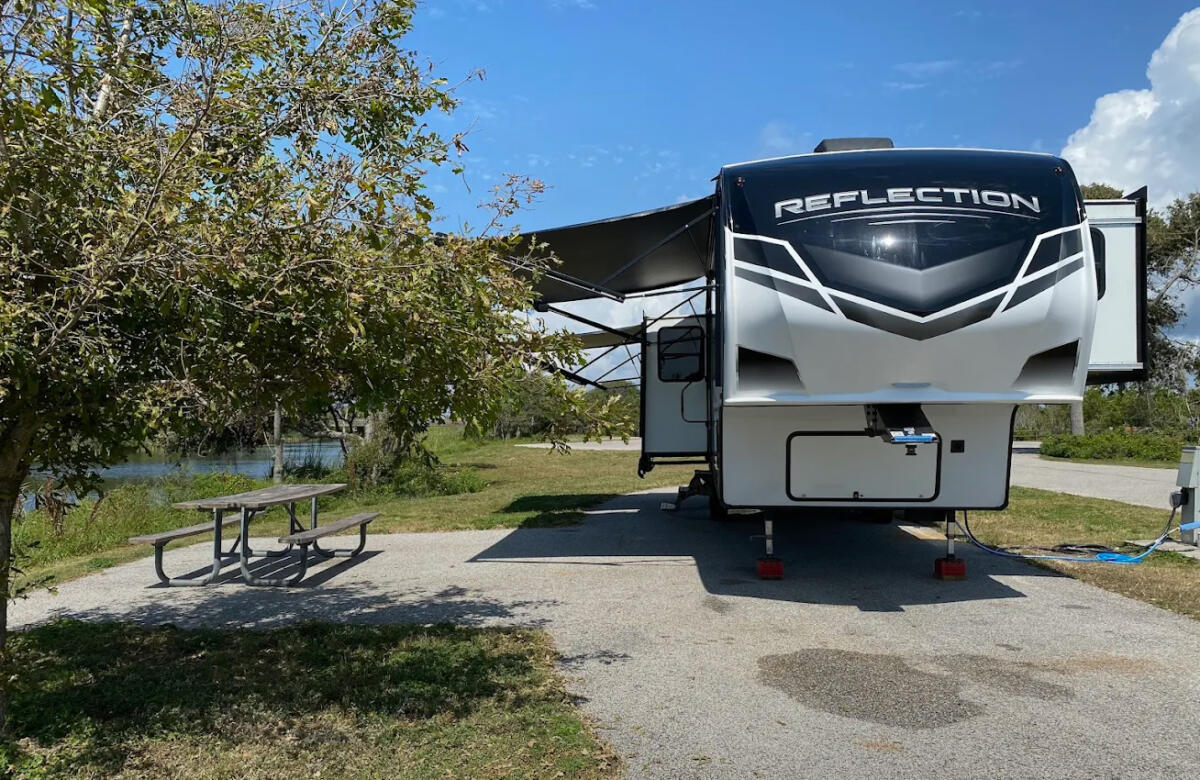
A fifth wheel sits in the original Gulf State Park campground area, which offers a more traditional state park camping experience compared with the park’s newer resort-style RV expansion. Photo: Russ Hibbits on google maps

Some RVers will love the upgrades—others may not

“If RVers want resort-style camping, give it to them—even inside a state park.”

Not every RVer is likely to celebrate this direction.

For some campers, the appeal of state parks has always been their more natural setting, quieter atmosphere, and lower-cost alternative to increasingly upscale private parks.

The more state systems lean into “RV resort” amenities, the more some travelers worry public camping could slowly lose its rustic identity.

Pricing may become part of that debate, too

While Gulf State Park remains extremely popular, some reviews of the existing campground have already criticized peak-season rates that can rival or exceed nearby private parks. The newer resort-style sites could push that discussion even further as more states look for tourism revenue and upgraded facilities.

Still, demand suggests plenty of RVers want this kind of experience.

Reservations for the new sites reportedly filled quickly after the opening announcement. That is not surprising given the park’s location near Gulf beaches, bike trails, and one of the Southeast’s most popular coastal tourism regions.

Could other state parks follow this model?

That may be the biggest question RVers should watch.

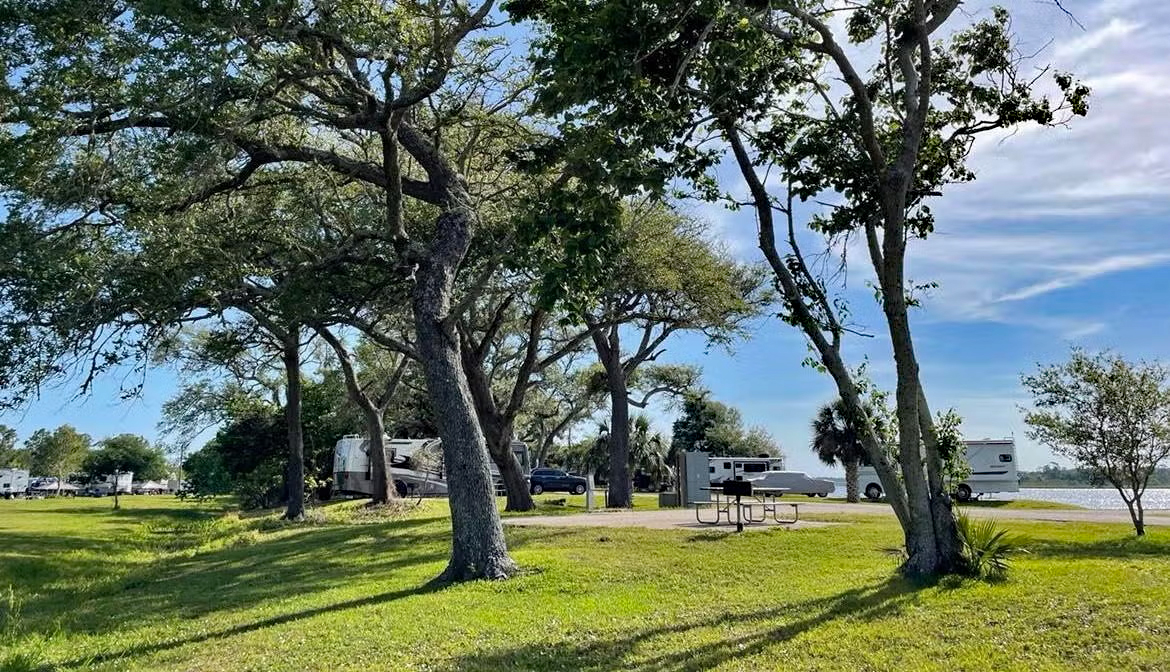
Parts of the original Gulf State Park campground still offer the shaded, waterfront-style camping experience many RVers traditionally associate with state parks. Photo: Gulf State Park.

Private RV resorts have expanded rapidly over the past several years, especially in Sun Belt destinations popular with snowbirds and long-distance travelers. Many feature pools, pickleball courts, upgraded clubhouses, premium Wi-Fi, and oversized pull-through sites designed around larger RVs.

Now, at least some public park systems appear to be borrowing from the same playbook.

Whether that becomes the future of state park camping—or sparks pushback from RVers who prefer simpler campground experiences—remains to be seen.

But one thing already looks clear: The line between “state park campground” and “RV resort” may be starting to blur.

RELATED

RVT1261b

RV Daily Tips. Wednesday, May 13, 2026

America’s Original RV Newsletter. Since 2001
Issue 2903 • New issue every weekday
This free edition is made possible by 6% of our readers who support RV Travel with a voluntary subscription. Advertising helps, but that alone is not sufficient.


Today’s thought

“Others have seen what is and asked why. I have seen what could be and asked why not. ” ―Pablo Picasso


Need an excuse to celebrate? Today is National Frog Jumping Day! (It’s also our publisher Chuck Woodbury’s birthday! Happy Birthday, Chuck!)

On this day in history: 1958 – Ben Carlin becomes the first (and only) person to circumnavigate the world by amphibious vehicle, having traveled more than 17,000 kilometers (11,000 miles) by sea and 62,000 kilometers (39,000 miles) by land during a ten-year journey.


Tip of the day
You’re using laundry detergent all wrong!

By Gail Marsh
“You’re doing it wrong!” I bristled at the words. After six decades of doing laundry, I know how to wash our clothes correctly!

Turns out, I was wrong. You’ve probably heard the saying “Too much of a good thing”? Well, that apparently applies to laundry detergent!

I mistakenly thought that if I used more detergent in the washer, my clothes would be cleaner (no spots or stains) and smell better (no leftover smoke smell from the campfire). My fellow RVer, who also happened to be a chemist before retiring, patiently set me straight.


RV review
Winnebago’s new ARKA overland RV looks ready for the wilderness—but how many owners will use it that way?

Winnebago Industries has unveiled the new ARKA adventure truck. The rugged-looking rig comes loaded with off-grid and off-road hardware, which can support up to two weeks away from hookups, with features including a large lithium battery system, hydronic heating, insulated tanks, aggressive tires, substantial ground clearance, and heavy-duty suspension components. The company is leaning hard into the booming “overland” lifestyle image that has become increasingly popular. What do you think? 


Boondockers love SoftStartRV™ because it helps many RV air conditioners run on smaller generators. That means quieter campsites, lower fuel costs, and more freedom to camp off-grid while staying cool. Read more.


In the RV shop with Dustin
How to keep hydraulic leveling jacks and slide-outs working

If you have hydraulic leveling jacks or a slide-out system, you want to periodically check the hydraulic fluid level in your reservoir. If everything is functioning properly, the fluid levels should stay consistent. However, if the fluid levels look low in the reservoir, this could indicate a potential issue or leak somewhere in the system.


Article and video
14 RV air fryer hacks and recipes

Do you carry an air fryer in your RV? Many of our readers do. When we did a survey a while back, we learned that many RVers use their air fryer for almost all their cooking needs. It is, indeed, a versatile kitchen tool. Here, the team from Making My Abode On the Road has compiled their favorite RV air fryer hacks. If you have an air fryer, you are bound to find something useful here.


BEAR-Y GOOD TO KNOW: One of the most searched campground questions every summer: “Can bears smell canned food?” (Short answer: Yes. Very much yes.)


Featured article
RV appliances: Readers share their “must-have” small RV appliances

By Cheri Sicard
Last week [when this was first published] we asked you about your favorite RV kitchen gadgets, and boy, did we get a TON of responses! We know that cooking in small spaces can present challenges. So we wanted to know what makes RV cooking easier for you and what is the one RV kitchen gadget or RV kitchen accessory you just cannot live without. Read what your favorite small RV appliances are here.


Campingshirt
The answer is always camping! Get this shirt for yourself (all sizes and genders) here.

Ask Dave
Dealer told me RV’s solar panels could run almost everything. Is that true?

Read Dave’s answer.


Reader poll
Do you wear socks in bed at night?

Respond here.


Quick tip
“Reusing” a bumper sticker

Want to remove a bumper sticker and then use it again later? Use a heat gun to gently heat up the sticker, pull it loose, and “stick it” on a piece of wax paper. When you’re ready to reuse it, pull it off the paper and slap it back on the bumper.


Website of the day

EmergencyRV
“EmergencyRV provides fully equipped RVs to veterans, first responders, and families displaced by natural disasters, offering immediate shelter and stability while they rebuild their lives.”


? MYSTERY PRODUCT OF THE DAY ?
You probably think you know your family, friends or partner well, but… do you? Put it to the test and find out!


Trivia

The longest road tunnel in the world that you can drive through is the Lærdal Tunnel (Lærdalstunnelen) in Norway. Stretching 24.51 kilometers (15.23 miles), it connects the towns of Lærdal and Aurland, providing a vital ferry-free route between Oslo and Bergen. The tunnel takes roughly 20–25 minutes to drive.


Readers’ pet of the day

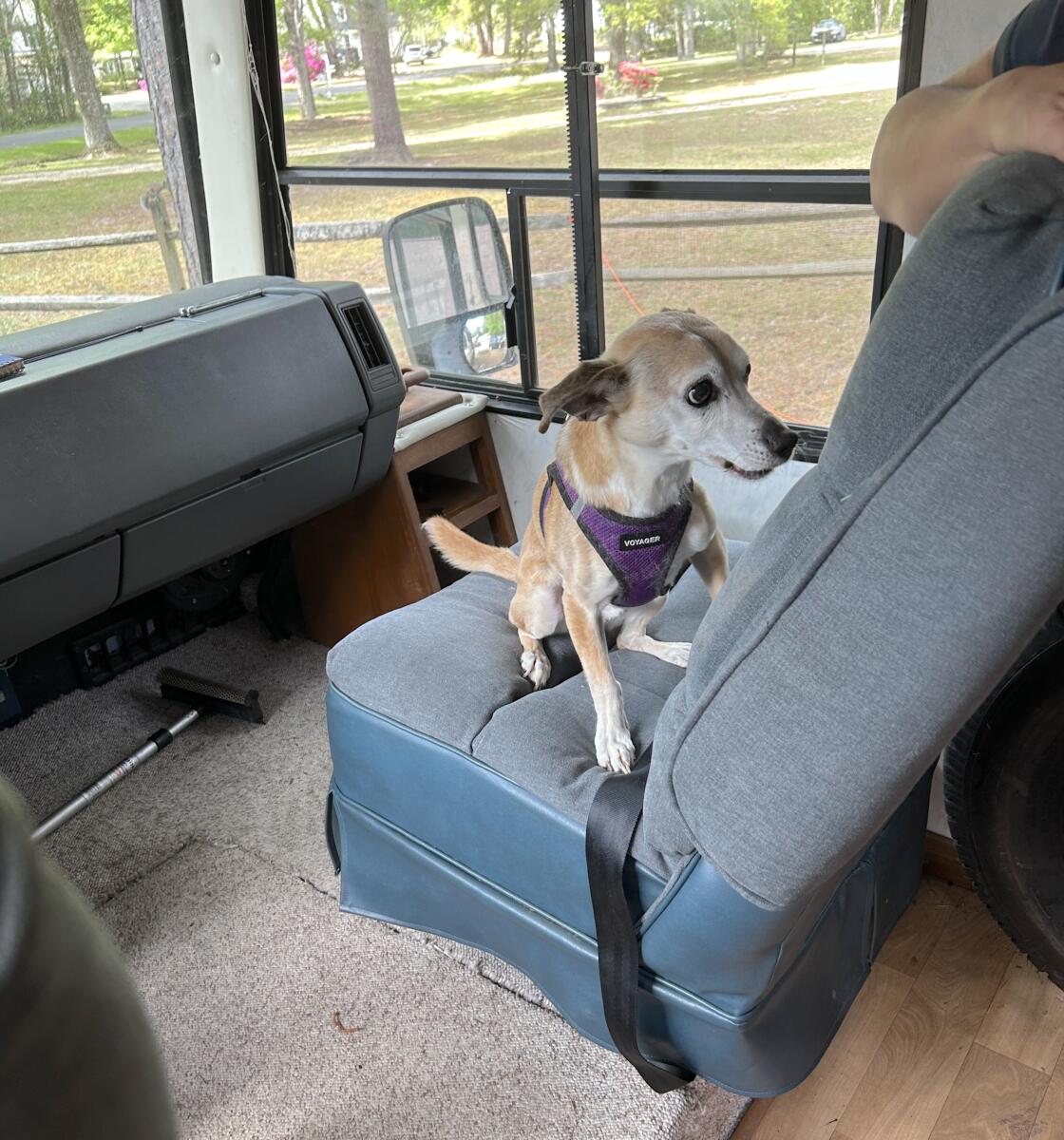
Img 7440 18323d2910d3a896b73662d0f92e3bf2“Petey (Chihuahua/Dachshund mix, age 11) is the best traveler! As long as he’s with me/us, he’s happy. It doesn’t matter where. This year we’re doing our first RV trip. Last year, we went across the country in our minivan and stayed at hotels and campgrounds.” —Kathy Mandell

Send us a photo of your pet with a short description. No blurry photos and please do not submit your photo more than once. Thanks!

AMAZON PET DAYS ARE ON! From May 11-15, expect big sales and deals on pet products. See what’s on sale here.


Leave here with a laugh

Photo credit: Ryan Smith, Flickr

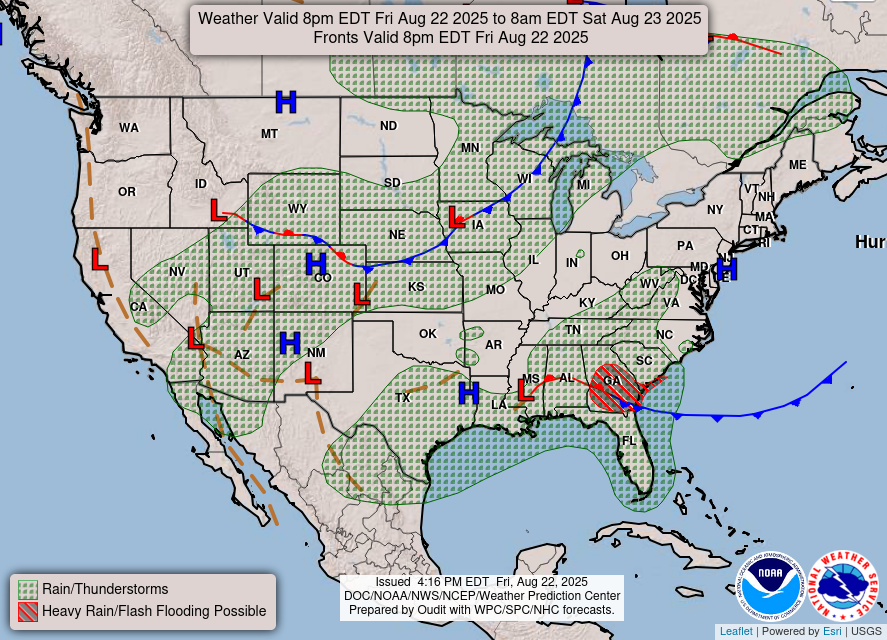
Today’s weather forecast across the nation
THIS MAP UPDATES TWICE A DAY

Visit Current National Radar Weather Map


Did you miss the latest RV Travel Newsletter? If so, read it here.
Oh, and if you missed the Latest News for RVers, make sure to catch up here.


If you shop at Amazon.com we’d appreciate you using this link. We get an itty bitty commission if you buy something, but they add up and help us pay our bills (most importantly our hard-working writers!). 


RVtravel.com All-Star Staff

Click here for information about our staff and how to contact us.

WHY WE ASK FOR DONATIONS INSTEAD OF SELLING SUBSCRIPTIONS.

Our policy on using artificial intelligence.

Dealer told me RV’s solar panels could run almost everything. Is that true?

By Dave Solberg
Dear Dave,
I do not understand how to manage the solar system on my new 5th wheel. When I purchased this unit the dealer told me the solar system would operate the entire coach except some A/C for a day. I don’t believe this, but more importantly I don’t understand how to operate the system. There are two fairly large solar panels on the roof. They look like about 2′ x 4′ but I cannot get on the roof to measure them. Since none of my previous RV’s had solar systems, I don’t know what I should do to make sure the system is working correctly—how to check it, what to check, etc. Thank you. —Ray, 2024 Durango Gold 391RK

Dear Ray,
Your dealer did a poor job (I’m being kind) with the orientation of your solar panel charging system with the general statement, “the solar system would operate the entire coach except some A/C for a day.” I hear this description or, better yet, question often from both dealers and potential owners asking what the solar system will run.

How a solar charging system works

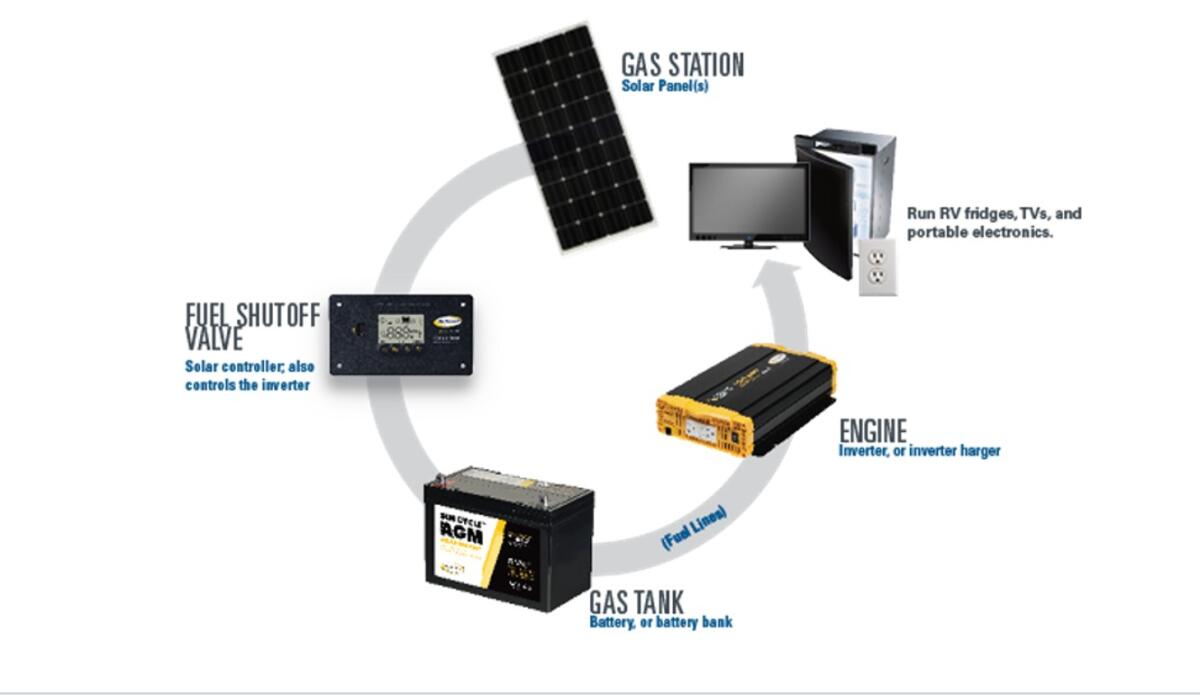
Technically, the solar panels don’t actually “run” anything, they merely capture energy for the house batteries to store and provide 12-volt power. The size doesn’t matter as they are rated in watts and new technology has provided smaller panels with higher watt capacity for more charging power.

Go Power! has a great library of how a solar charging system works on their site here.

Solar Diagram
Solar diagram

The solar panels on top of your rig are made of crystals that convert the energy of the sun to 12-volt power used to charge your house battery or batteries. In this analogy they are referred to as the gas station that provides fuel.

Solar charge controller

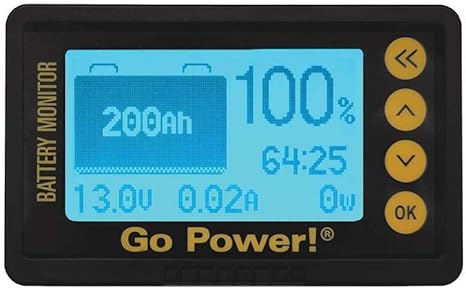
Typically a solar charging system will have a solar charge controller that regulates the charge depending on the State of Charge (SOC) of the battery bank. This prevents overcharging and the display will indicate battery voltage, charging current, and battery SOC. This is where you will be able to tell what is happening with your solar charging system and battery bank.

If your system does not have a complete display of these features, I would recommend getting this one from Go Power! on Amazon here.

GP Battery Monitor
Go Power! Battery Monitor

The battery bank is the “fuel tank” in the system and designed to simply store 12-volt power. 12-volt components include interior lights, roof vents, the water pump, and any appliance that runs on LP, especially the furnace.

Calculate energy needs

It is important to calculate your energy needs. That can be difficult as it is hard to determine how long the lights will be on, how often the furnace turns on and off, as well as the refrigerator. Go Power! has a very detailed chart called the Solar Calculator that at least gets you thinking about energy management. You can download a copy of the Solar Sizing Chart in their RV Solar Resource Guide here.

Solar Size Chart
Solar Sizing Worksheet (click/tap to enlarge)

Another variable to the usage is what 120-volt components are powered by an inverter. This takes 12-volt power from the battery bank and provides 120-volt power to outlets for components such as a TV and in some cases residential refrigerators.

What is powered by inverter

It is important to verify what components are powered by the inverter for proper energy management. A simple way to test this is to make sure the rig is unplugged from any shoreline power and no generator is providing power, then test which components are working. Your refrigerator could be a 12-volt compressor-driven one. It could be working either directly on 12-volt power or being supplied with 120-volt power through the inverter. Shutting off the inverter will verify which power mode it is running on.

Then there are the roof air conditioners, which run on 120-volt power and generally draw too much power to run through an inverter. However, as I often state, I never say never when it comes to RVs!

Keystone has a system called SolarFlex™ which starts with a very large battery bank, large inverter and roof air conditioners with a start-up thermistor installed similar to SoftStartRV™, which we have featured on RVtravel.com before and which is highly recommended by Chuck Woodbury. This system can run the roof air conditioners for about 2 hours. But, as I stated, most other brands do not have this feature.

It is important to understand how the system works and what your energy needs are. Another good exercise is to do a dry run in your driveway or somewhere close to your home so you can monitor the charge you are getting, SOC of the batteries, and how long you can dry camp on the battery bank that you have.


 You might also enjoy these from Dave 


Dave Solberg is a leading expert in the RV industry and the author of the “RV Handbook.”

Read more from Dave here

HAVE A QUESTION FOR DAVE?

Send your inquiries to him using the form below.

Name
Drag & Drop Files, Choose Files to Upload

RVDT2903

You’re using laundry detergent all wrong!

4

By Gail Marsh
“You’re doing it wrong!” I bristled at the words. After six decades of doing laundry, I know how to wash our clothes correctly!

Turns out, I was wrong. You’ve probably heard the saying “Too much of a good thing”? Well, that apparently applies to laundry detergent!

Less is best

I mistakenly thought that if I used more detergent in the washer, my clothes would be cleaner (no spots or stains) and smell better (no leftover smoke smell from the campfire). My fellow RVer, who also happened to be a chemist before retiring, patiently set me straight.

What he taught me resulted in brighter and softer clothes. In addition, I ended up using much less detergent and saving money!

What’s in laundry detergent?

Laundry detergent formulas combine surface‑active agents, biological catalysts, and assorted performance boosters. (Who knew?)

Surface-active agents lower the water’s surface tension, so it wets the clothing fibers more thoroughly. This helps loosen and suspend any dirt to be removed.

At the same time, certain enzymes target specific stain types (e.g., blood or grass), while other performance boosters break down starches into smaller fragments to be rinsed away.

Exceeding the recommended detergent dosage can lead to excess suds, poor rinsing, and buildup—undermining both fabric care and machine performance.

What happens when using too much?

RV laundry setups—whether compact, high-efficiency (HE) onboard RV units or smaller campground machines—are more sensitive to suds and residue than full-size washers. If you use too much laundry detergent, you can expect the following results:

Residue buildup on fabrics. Excess soap doesn’t rinse out completely. This leaves sticky films that trap dirt and grime. Over time, stains can set, fabrics feel stiff, and colors look dingy.

Skin irritation. Leftover detergent can irritate sensitive skin—especially on workout clothes or towels—leading to itching or rashes.

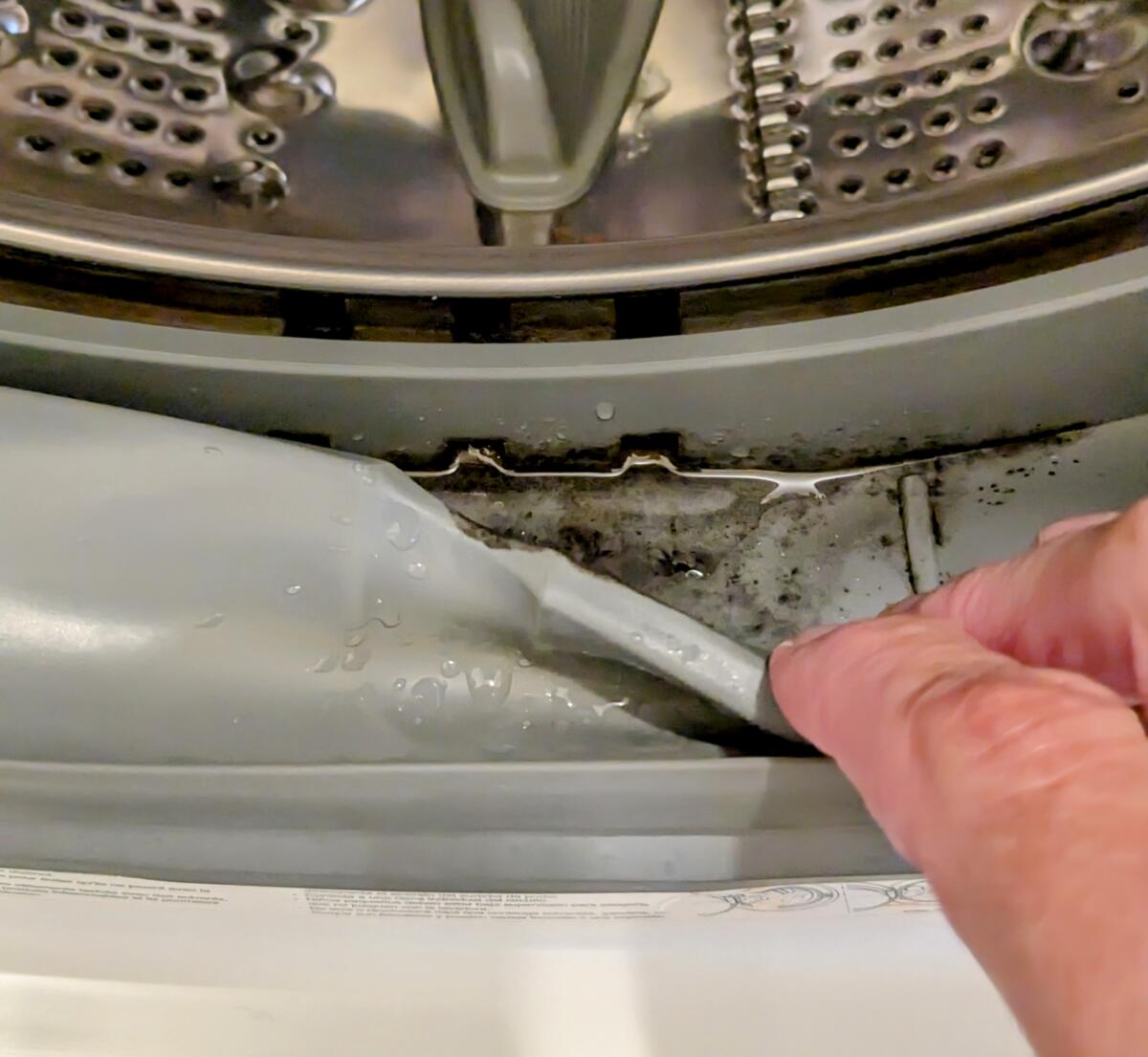
Mold from using too much laundry detergent in campground washer Image: Gail Marsh (no need for attribution)

Machine performance issues. High-sudsing loads can overwhelm small RV pumps and hoses, causing clogs or leaks. Campground machines suffer similar woes: Trapped soap leads to poor drainage, strange noises, and even breakdowns. The soap residue in the campground washer shown here demonstrates the effects of using too much detergent. The suds clogged the drain and, eventually, mold developed!

Increased water and energy use. More suds means more rinse cycles, which translates to extra water and electricity—critical resources at campgrounds.

Measuring the right amount of laundry detergent

Every brand and machine is different. Here’s how to get it right:

Capacity

Know your machine’s capacity. Onboard RV washers often hold just 1–2 lb. of laundry. That’s only a few T-shirts and underwear.

Campground machines. These may be full-size, or HE front-loaders. Check the placard or control panel for capacity. Do not overload!

Check the detergent label. HE detergents have lower-sudsing formulas and require about half the amount of regular detergent.

• For very small loads, underfill the measuring cap.

Soil level

Lightly soiled (daywear, delicates): Use the “low” line on the scoop.

Moderately soiled (everyday clothes): Fill to the “medium” mark.

Heavily soiled (greasy, muddy, sweaty gear): Fill up to the “high” line—but avoid overfilling.

Measure

Eyeballing the correct detergent amount invites error. Always use the detergent cap or a dosing ball.

What now?

If you’ve been doing it wrong (like me), don’t panic. Your clothes aren’t ruined. Try these fixes for clothing and your RV onboard machine:

Add a rinse cycle. Run a cold-water rinse (no soap) to flush out suds and residue.

Use white vinegar. Add ½ cup of distilled white vinegar in place of softener during a rinse cycle. (Vinegar helps break down leftover detergent.)

Soak stubborn loads. For plush towels or heavy fabrics, soak in cool water with a splash of vinegar for 15–30 minutes before rinsing again.

Manual “swish”. In an onboard tub or sink, agitate with clean water to loosen excess foam, then drain and repeat until clear.

Going forward

Keep a measuring tool. Store a small measuring cup or dosing ball in your laundry basket for no more guessing.

Mark your detergent bottle. Draw “L,” “M,” and “H” lines on the cap with a permanent marker for quick reference. This is especially helpful in low-light laundromats.

Choose an HE detergent. Even in non-HE washers, HE formulas cut suds and reduce residue risk.

Opt for liquid over pods. Pods can’t be split for small RV loads, often leading to overdosing.

Count items. Before loading, count or weigh (approximate) items so you know whether it’s a small or full load.

These laundry tips for RVers will help extend the life of your clothes, save on electricity, and keep your washing machine happy! Here’s to cleaning smarter, not sudsier!

Can you add more laundry tips for RVers? Use the comments to do so.

RELATED

RVDT2903

14 RV air fryer hacks and recipes

By Cheri Sicard
Do you carry an air fryer in your RV? Many of our readers do. When we did a survey a while back, we learned that many RVers use their air fryer for almost all their cooking needs. It is, indeed, a versatile kitchen tool.

In the video below, the team from Making My Abode On The Road has compiled their favorite RV air fryer hacks. If you have an air fryer, you are bound to find something useful here. Don’t have one? This is the one they use and recommend.

Our hostess says an air fryer might just be the ultimate RV cooking appliance. Why? Because it can do so much! It saves space by replacing multiple gadgets. Air fryers cook food faster and use less energy, which is a big deal when you’re boondocking or have limited power. Plus, it doesn’t heat up the RV as much as an oven. And let’s not forget the easy cleanup!

RV air fryer hacks

Toast like a pro: Did you know you can make perfect toast in your air fryer? Here’s how to do it: Set your air fryer to 400 degrees for 2-4 minutes. No preheating needed! Keep in mind that power source affects cooking time. On 50-amp service, it might only take 2 minutes. With 30-amp or solar, it could take longer. Just keep an eye on it. The process should take between two and four minutes.

Reheating food to perfection: Say goodbye to soggy leftovers! The air fryer makes everything crispy, not mushy like the microwave. Pizza and french fries taste like they’re fresh out of the restaurant.

Cleaning hack: An easy way to clean a greasy air fryer is to boil some water. While the air fryer is still warm (not hot), pour the boiling water inside. Let it steam. This will loosen all the grease. Then, it will be easy to wipe clean.

Easy air fryer recipes for the road

Ready to get cooking? Watch the video below for some simple and tasty air fryer recipes perfect for RV life, including:

Air fryer buffalo chicken wings: Who doesn’t love crispy chicken wings? The air fryer makes them perfectly without all the oil of frying.

Jalapeño poppers: For a spicy snack, try air fryer jalapeño poppers.

Fried pickles: Want a tangy, crunchy treat? Give air fryer fried pickles a try.

Granola in a flash: Making granola in the oven takes forever. The air fryer is so much faster!

Mexican pinwheels: These are so easy and tasty, and air frying makes them healthier than deep frying.

Air fryer magic for all kinds of foods

• Cooking frozen foods: The air fryer is a champion when it comes to frozen foods. Egg rolls, hash browns, chicken tenders, taquitos all come out perfectly crispy. A general rule is to cook frozen foods at 400 degrees for 8-10 minutes. Remember to check and flip or shake them halfway through.

• Cooking meat: The air fryer isn’t just for snacks and sides. It’s also great for cooking meat.

  • Bratwurst: Bratwurst come out perfectly browned and juicy in the air fryer. No more uneven cooking!
  • Hot dogs: For a super quick meal, try air frying hot dogs. They only take a few minutes.
  • Chicken: Chicken wings (as we covered above) are fantastic in the air fryer. But you can also cook chicken legs, breasts, and thighs. The air fryer makes the skin nice and golden brown.
  • Steak: Okay, steak in the air fryer might sound a little strange. Some people swear by it, and some recipes make air fryer steaks look amazing!
  • Roasting vegetables: Roasting vegetables in the air fryer is quick and easy. Just toss them with a little olive oil, salt, and pepper. Then, air fry at 400 degrees for about 10 minutes, turning halfway.
  • Potatoes: The air fryer is a potato’s best friend. Not only for fries, it also makes perfect baked potatoes. For extra crispy fries, soak them in hot water for about 10 minutes before cooking. This removes starch and makes them extra crispy. Toss your potatoes with olive oil and your favorite seasonings. Air fry at 400° for 11 minutes, then shake and cook for another 11 minutes, or until golden and crispy.

The air fryer can be a game-changer for RV cooking. It saves space, time, and energy. Plus, it makes delicious food! From crispy chicken wings to perfectly roasted vegetables, the possibilities are endless. So, ditch the cooking stress and embrace the air fryer life on the road.

Again, here is the air fryer they use and recommend.

Do you have other RV air fryer tips or recipes? Be sure to share in the comments below.

YOU MIGHT ALSO LIKE:

RVDT2903

Do you wear socks in bed at night?

6

We know this is a silly question, but we also know that everyone has a strong opinion about this! Some people cannot fall asleep unless they’re wearing socks, while others could never fall asleep if they were wearing socks! What about you?

There’s actually some science behind the sock debate. Wearing socks to bed can help regulate body temperature and even help you fall asleep faster by improving blood circulation. On the other hand, some people find the sensation uncomfortable or too warm, especially in hot weather or if the socks are too tight.

Then there’s the travel factor. Many RVers say they sleep differently while on the road than they do at home—and their sock habits change, too. Cooler nights in the mountains might call for thick fuzzy socks, while desert boondocking means bare feet and open windows. Sometimes it just comes down to whatever helps you feel cozy in that moment.

You might even have a favorite “sleep sock” that never leaves the RV drawer.

And yes, we gave you a “yes, but only on cold nights” answer if you sometimes wear them—like maybe in the winter or when you’re feeling chilly.

So tell us about your nighttime sock-wearing!

MORE INTERESTING POLLS:

RVDT2902

How to keep hydraulic leveling jacks and slide-outs working

By Dustin Simpson, California RV Specialists
Here is general information about why it’s important to maintain your hydraulic leveling jacks.

If you have hydraulic leveling jacks or a slide-out system, you want to periodically check the hydraulic fluid level in your reservoir.

If everything is functioning properly, the fluid levels should stay consistent. However, if the fluid levels look low in the reservoir, this could indicate a potential issue or leak somewhere in the system.

You will want to have the hydraulic leveling jacks and slide-out mechanisms inspected regularly and repaired, if necessary. Being aware of what is going on with your leveling jacks and slide-out system by keeping an eye on their condition and functionality is key to ensuring avoidance of serious issues.

Another thing we always recommend is to operate the systems monthly. Let’s not forget to open and close the rooms and operate the hydraulic leveling jacks. If you are full-timers and leave the jacks down or the rooms open for longer periods of time, this is your reminder to check run those systems. The same reminder goes for those of you who have your unit in storage.

Not properly using or maintaining your system can cause you unwanted stress and leave your unit stranded on the road, in a campground or at the storage yard. Worst case, it could make the unit unmovable in case of an emergency.

Make sure to read your owner’s manual for maintenance recommendations. Each manufacturer’s recommendations are different.

Hope this information helps you to prevent damage and protect your investment.

More from Dustin.

RELATED

RVDT2903

Winnebago’s new ARKA overland RV looks ready for the wilderness—but how many owners will use it that way?

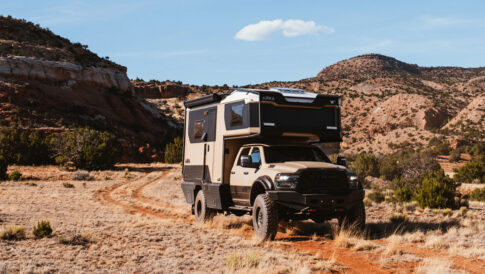
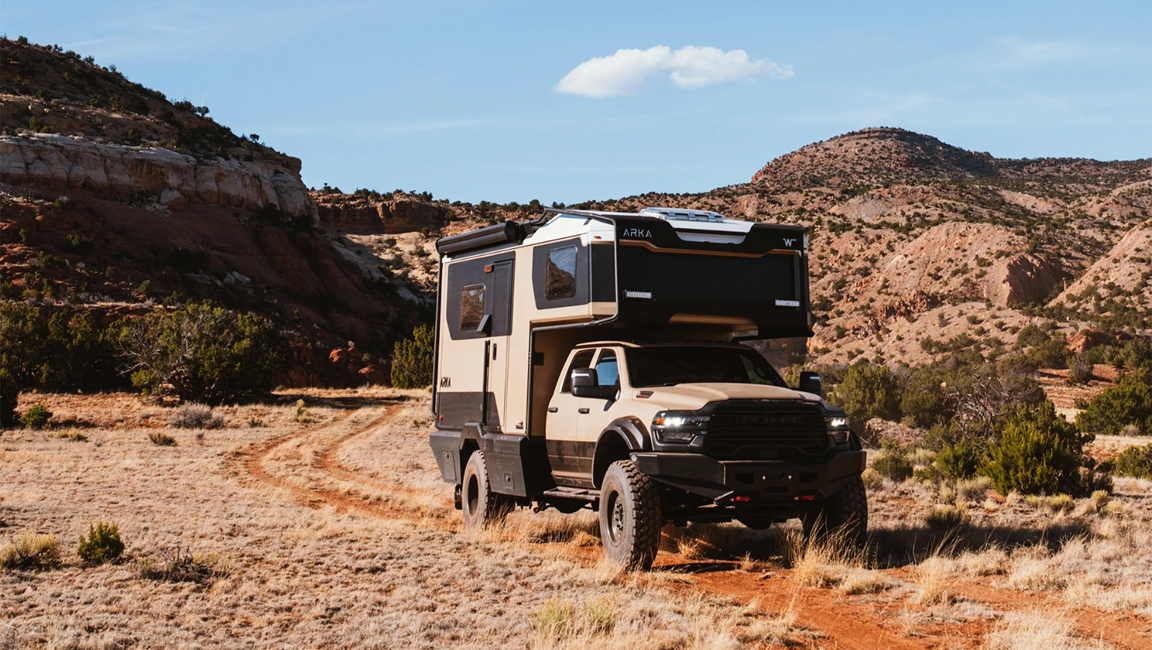
Winnebago Industries has unveiled the new ARKA adventure truck, and, at first glance, it looks less like a traditional RV and more like something designed for an expedition across Alaska or deep into the Mojave Desert.

The rugged-looking rig comes loaded with off-grid and off-road hardware. Winnebago says the ARKA can support up to two weeks away from hookups, with features including a large lithium battery system, hydronic heating, insulated tanks, aggressive tires, substantial ground clearance, and heavy-duty suspension components. The company is clearly leaning hard into the booming “overland” lifestyle image that has become increasingly popular across the RV and truck world.

But beyond the dramatic photos and marketing language, the new Winnebago ARKA overland RV also raises a practical question many experienced RVers may quietly ask: How many owners will actually use a rig like this anywhere close to its advertised limits?

That’s not necessarily criticism. It’s simply the reality of many adventure-focused RVers.

The overland fantasy versus RV reality

Scroll through social media, and overlanding can look like a nonstop series of dramatic mountain overlooks, remote deserts, river crossings, and isolated campsites accessible only by heavily modified vehicles.

In reality, many expensive off-road-capable RVs spend most of their lives on pavement, in established campgrounds, or on relatively tame forest roads that many ordinary pickups or SUVs could already handle.

That disconnect is not unique to Winnebago. It exists throughout the outdoor recreation industry. Lifted Jeeps often never leave suburban streets. Side-by-sides frequently stay on groomed trails. Heavy-duty diesel pickups capable of towing massive loads may never pull more than a utility trailer.

The ARKA simply takes that same dynamic into the luxury overland RV space.

And there’s a reason manufacturers keep building these rigs. Buyers are not always purchasing only capability. Often, they’re buying the feeling of capability.

 “For many buyers, the dream of remote freedom may matter just as much or more as the destination itself.”

The idea of freedom matters

For many RVers, the appeal is not necessarily climbing boulder-strewn trails or navigating deep backcountry terrain.

Instead, it’s the comfort of knowing they could.

That sense of independence has become a powerful marketing tool in recent years, especially after the pandemic-era RV boom pushed many travelers toward remote camping and self-contained travel.

The ARKA appears designed around that mindset. Winnebago highlights extended off-grid capability, cold-weather protection, rugged construction, and the ability to reach remote destinations while carrying substantial gear and supplies.

To some buyers, that combination may feel reassuring even if the rig rarely leaves improved roads.

And, honestly, many RVers already understand this concept. Plenty of four-wheel-drive trucks spend most of their lives towing on highways, yet owners still value the security of extra traction during storms, muddy campsites, or rough secondary roads.

Complexity can become part of the story

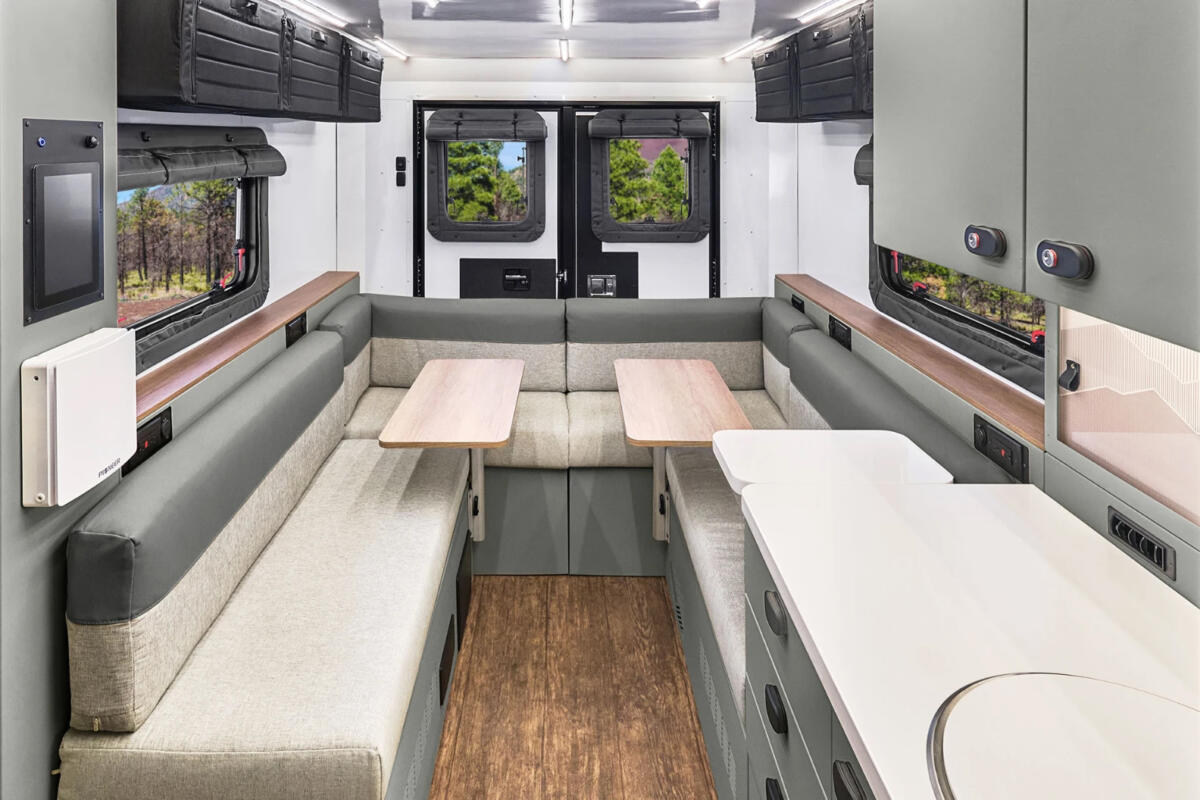
Inside, the Winnebago ARKA blends rugged expedition styling with a surprisingly clean, modern living space designed for extended off-grid travel. Photo courtesy of Winnebago Industries.

At the same time, rigs like the ARKA also introduce a level of complexity that can make some traditional RV owners uneasy.

The more advanced these overland RVs become, the more they rely on sophisticated electronics, large battery systems, specialized climate controls, integrated power management, and proprietary components.

That creates an interesting contradiction. Vehicles marketed for remote wilderness travel may also become highly dependent on systems that can be difficult or expensive to repair if something fails far from a service center.

Experienced RVers often understand this tradeoff well. Simpler systems are sometimes easier to troubleshoot in remote areas. More capability can also mean more maintenance, more weight, and potentially higher repair costs.

That doesn’t mean the ARKA is flawed. It simply means buyers may need to think carefully about how they truly plan to travel.

Not every campground is built for this

There’s also the practical reality of where a large expedition-style RV actually fits.

Many public campgrounds were not designed with oversized overland rigs in mind. Tight loops, low branches, narrow access roads, and older campsite layouts can quickly become stressful in larger specialty vehicles.

And while overlanding imagery often focuses on remote public land camping, access to dispersed camping areas has become more complicated in some regions due to crowding, seasonal closures, fire restrictions, and land-management concerns.

Ironically, the market for extreme off-road RVs is growing at the same time access to some remote public lands is becoming more limited.

The ARKA may say as much about the RV industry as it does about buyers

The bigger picture here may be what rigs like the ARKA reveal about the direction of the RV industry itself.

As traditional RV sales have cooled from pandemic highs, manufacturers increasingly appear to be chasing niche buyers willing to spend heavily on premium adventure-focused products.

That has led to a wave of ruggedized Class B vans, luxury Super C motorhomes, off-grid power systems, overland trailers, and high-end “expedition” builds.

The Winnebago ARKA overland RV fits squarely into that trend.

Whether most owners ever take one deep into the wilderness may almost be beside the point. For many buyers, the dream of remote freedom may matter just or more as much as the destination itself.

Sources:
Winnebago ARKA official page
RVBusiness coverage of the ARKA launch

RELATED

RVDT2902